Oil prices dropped below $64 due to OPEC+ uncertainties and US-China tensions, with potential for further declines if OPEC+ increases output unexpectedly. Saudi Arabia and Russia consider boosting production, while other global oil developments include Canadian wildfires, Libya's instability, Iran's nuclear negotiations, Chevron's exit from Venezuela, and major mergers and deals in the energy sector. The market remains volatile amid geopolitical and economic factors.
Saudi Arabia is reducing oil prices for Asian buyers more than anticipated after OPEC+ postponed increasing output, indicating a weak market outlook. Saudi Aramco will sell its Arab Light crude at a 90-cent premium per barrel to the regional benchmark in January, down from $1.70 this month, contrary to expectations of a smaller reduction.
Saudi Aramco reported a 15.4% drop in third-quarter net profit due to lower crude oil prices and weakening refining margins, but maintained a $31.05 billion dividend. The company's net income was $27.56 billion, slightly above estimates, despite a 5% decline from the previous quarter. Aramco's earnings reflect a broader trend among oil majors facing similar challenges. The company continues to invest in upstream developments and new energy programs, supporting Saudi Arabia's Vision 2030 economic diversification plan.
Saudi Aramco's $12 billion share sale sold out within hours, driven by high demand for its $124 billion annual dividend payouts. The sale, which includes a mix of local and foreign investors, aims to fund Saudi Arabia's economic diversification plans. The government, which owns 82% of Aramco, could raise an additional $1.2 billion if it opts to sell more shares. The deal is among the largest globally since Aramco's 2019 IPO.
Saudi Aramco, the world's largest energy firm, is crucial to Crown Prince Muhammad bin Salman's strategy to reduce Saudi Arabia's reliance on oil, diversify its economy, and decarbonize energy production. Despite its low production costs and significant market share, Aramco is focusing on maintaining reservoirs and adapting to global warming concerns to stay competitive as less endowed rivals struggle.
Oil prices are under pressure despite expectations of an OPEC+ deal extension, with Memorial Day failing to boost fuel demand and Brent futures facing another weekly loss. Key developments include ConocoPhillips' acquisition of Marathon Oil, Saudi Aramco's partial stake sale, and a US investigation into alleged OPEC collusion.
Saudi Arabia plans to sell $12 billion worth of shares in Saudi Aramco, the state-owned oil giant, as part of its ongoing efforts to diversify its economy and attract foreign investment.
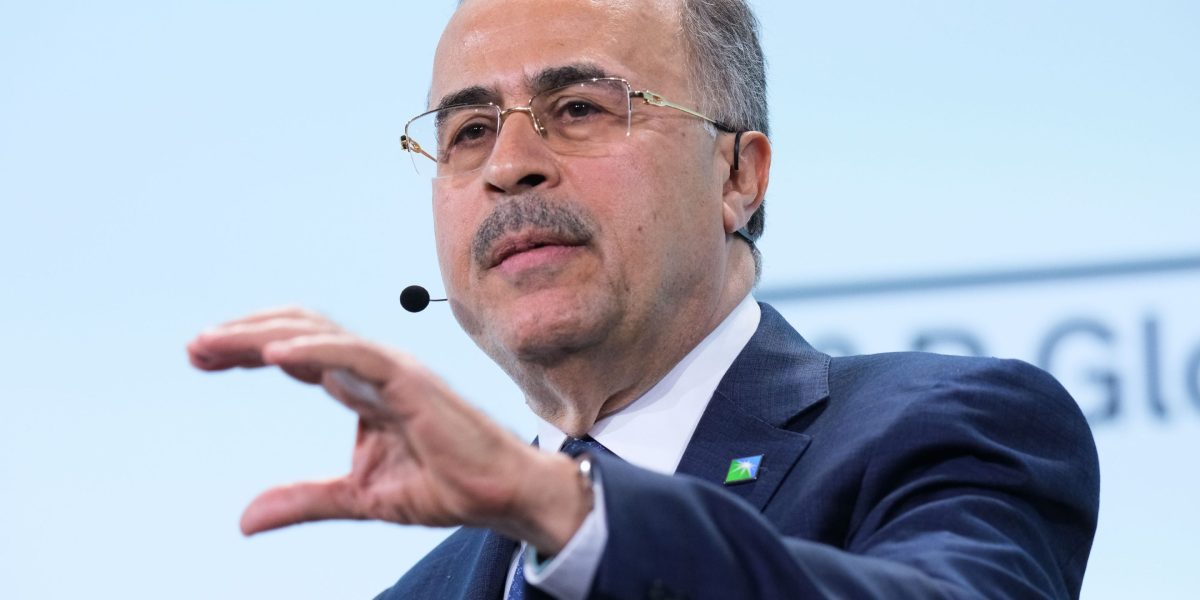
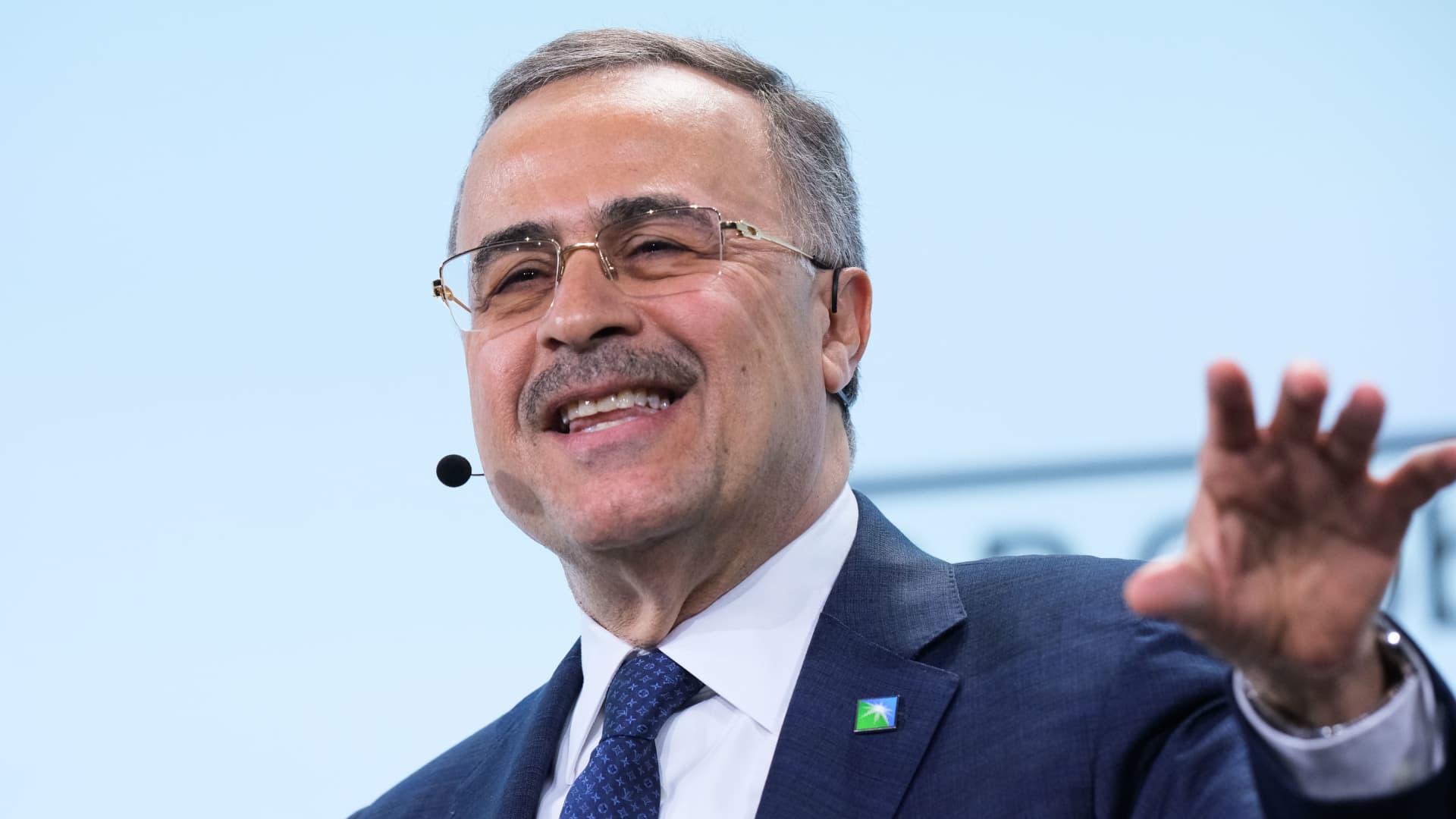
Saudi Aramco CEO Amin Nasser criticized the energy transition, urging policymakers to abandon the idea of phasing out oil and gas as demand for fossil fuels is expected to continue growing. Nasser emphasized that the transition strategy is failing and proposed investing in oil and gas to reflect realistic demand assumptions. He highlighted the limited success of alternative energy sources and emphasized the importance of reducing emissions from oil and gas, particularly in developing nations.
Despite a 25% drop in profits to $121bn, Saudi Aramco is increasing dividends to $98bn, the second-highest profit ever for the state-backed company, as it looks to invest in China and diversify its economy amidst falling oil prices and production cuts. The firm aims to make announcements on renewable investments in Saudi Arabia and is also considering opportunities to invest in Chinese refineries and potentially in a tie-up with French carmaker Renault and China's Geely for hybrid car engines.
Despite a drop in oil prices, Saudi Aramco has announced an increase in its dividend to nearly $100 billion, signaling confidence in its financial position. The move comes as the company reported a 30% drop in net income for the first quarter of 2020, reflecting the impact of the coronavirus pandemic on the energy sector.
Shares of major US oilfield service contractors, including Weatherford International, plummeted as Saudi Aramco's decision to halt a significant oil production capacity expansion plan raised concerns about future oil demand, resulting in over $1 billion being wiped off Weatherford's market capitalization with a 16.19% drop in its shares.
Saudi Aramco, the national oil company of Saudi Arabia, has abruptly dropped plans to expand its oil output, following a directive from the Saudi government to maintain its current production capacity at 12 million barrels a day. The decision, made with little comment, is seen as a reflection of a more subdued outlook for demand for Saudi oil, possibly influenced by stronger global oil supplies and expectations of leveling demand in the coming decade. The move may also be aimed at reallocating funds for ambitious development plans and alternative energy sources, but analysts believe it does not necessarily indicate an immediate drop in oil volumes.
Saudi Aramco has scrapped its plan to increase oil output capacity to 13 million barrels a day by 2027, signaling a shift in the kingdom's view on future demand. The decision, ordered by the Saudi government, will impact global oil supply expectations and may indicate a moderation in Saudi Arabia's expectations of oil demand growth. The move comes as the company focuses on expanding in natural gas, chemicals, and renewables, while also facing increased dividend payments to the government and funding requirements for economic diversification projects.
Saudi Aramco, the state oil giant, reported a 23% decline in net profit for the third quarter due to lower crude oil prices and volumes sold. Despite the drop, the company's profit of $32.6 billion beat analyst estimates. Free cash flow was also significantly reduced. Aramco maintained its dividend payout of $29.4 billion to investors and the Saudi government. The company's capital expenditure increased, and it announced plans for international LNG investment and expansion into the South American market. The decline in profitability aligns with industry trends, as other energy majors have also experienced sharp declines. Saudi Arabia, as a leading oil producer, has implemented production cuts. Aramco's CEO expressed confidence in the company's ability to generate value for shareholders.
Saudi Aramco, the state oil giant, reported a 38% drop in net profit for the second quarter due to lower crude oil prices and weakening refining and chemicals margins. The company's net profit of $30.07 billion came slightly above analyst expectations. The decline in profitability is in line with industry trends, as other oil giants like BP, ExxonMobil, Shell, and TotalEnergies also reported steep drops in earnings. Saudi Arabia's production cut of 1 million barrels per day, in effect since July, has added pressure on prices, but oil prices are expected to increase in the coming quarters due to strong demand and OPEC+ supply deficits.