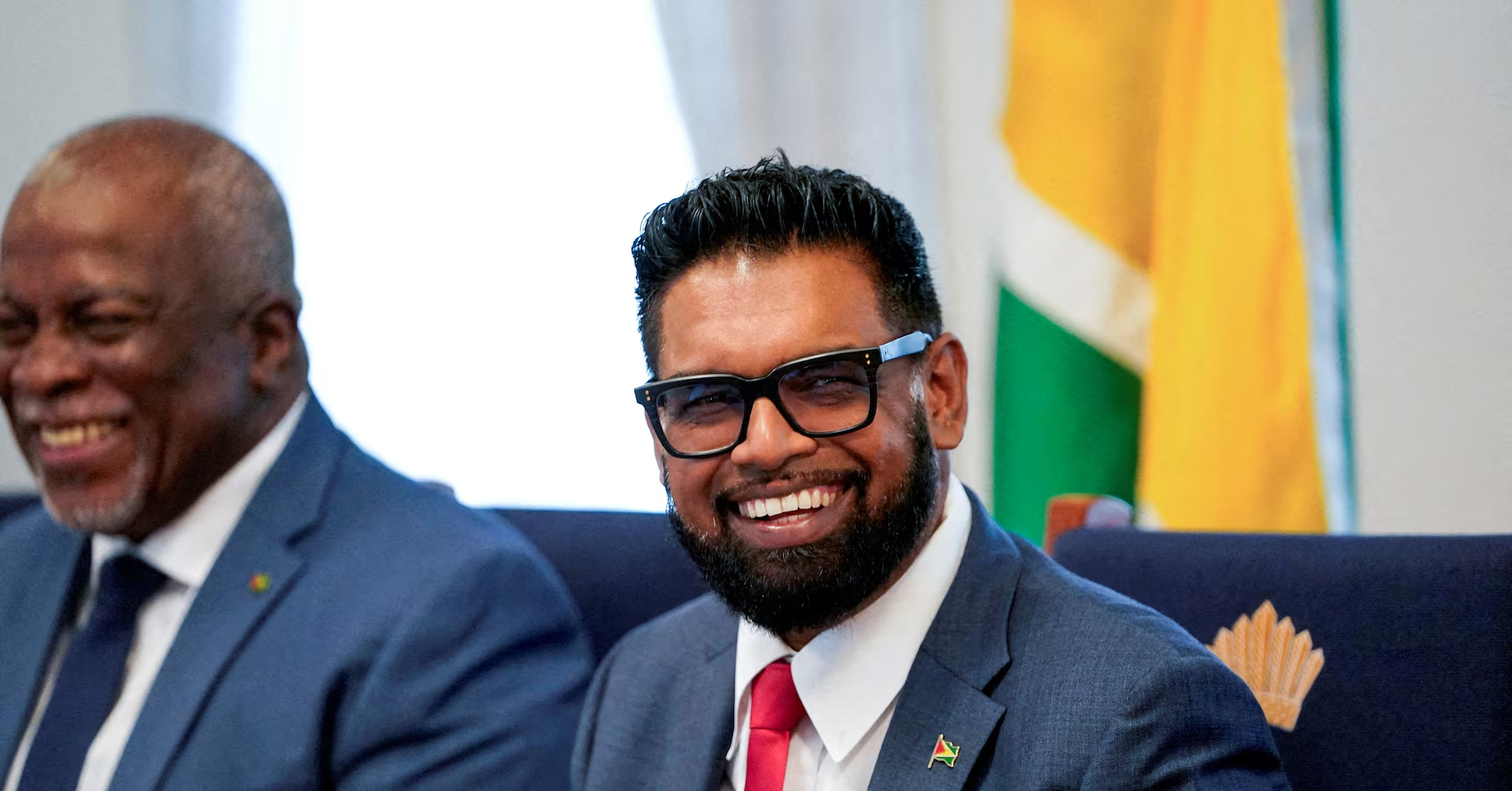
Guyana's President Irfaan Ali was sworn in for a second term after his electoral victory was confirmed, promising to diversify the economy beyond oil revenues and continue investments in social infrastructure and exploration.
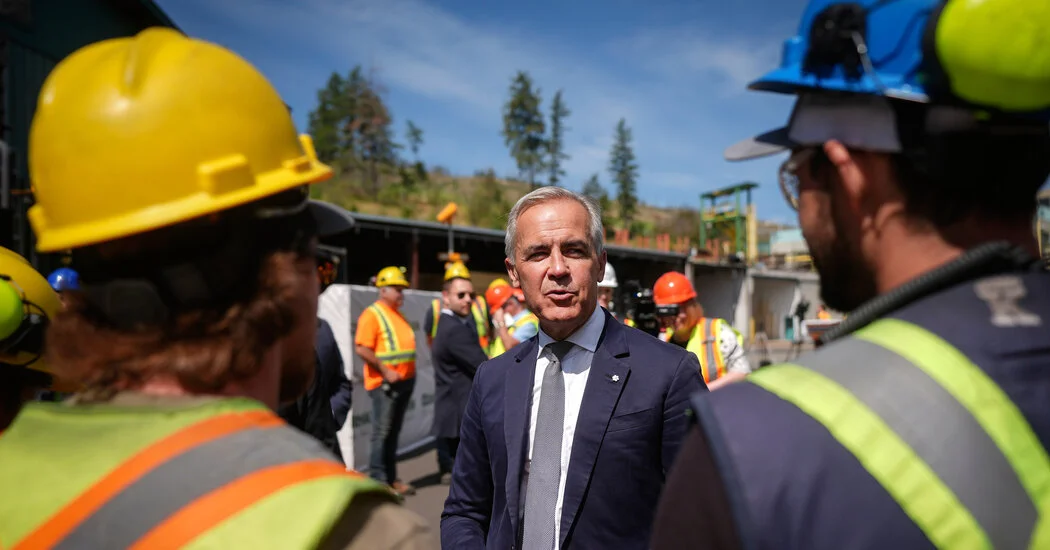
Prime Minister Mark Carney of Canada announced efforts to reduce reliance on the U.S. by supporting domestic industries and developing new markets, amid increased tariffs from the U.S. that have impacted sectors like steel, autos, and lumber. Canada is focusing on strengthening its economy at home and finding new international opportunities, while avoiding immediate retaliatory tariffs.
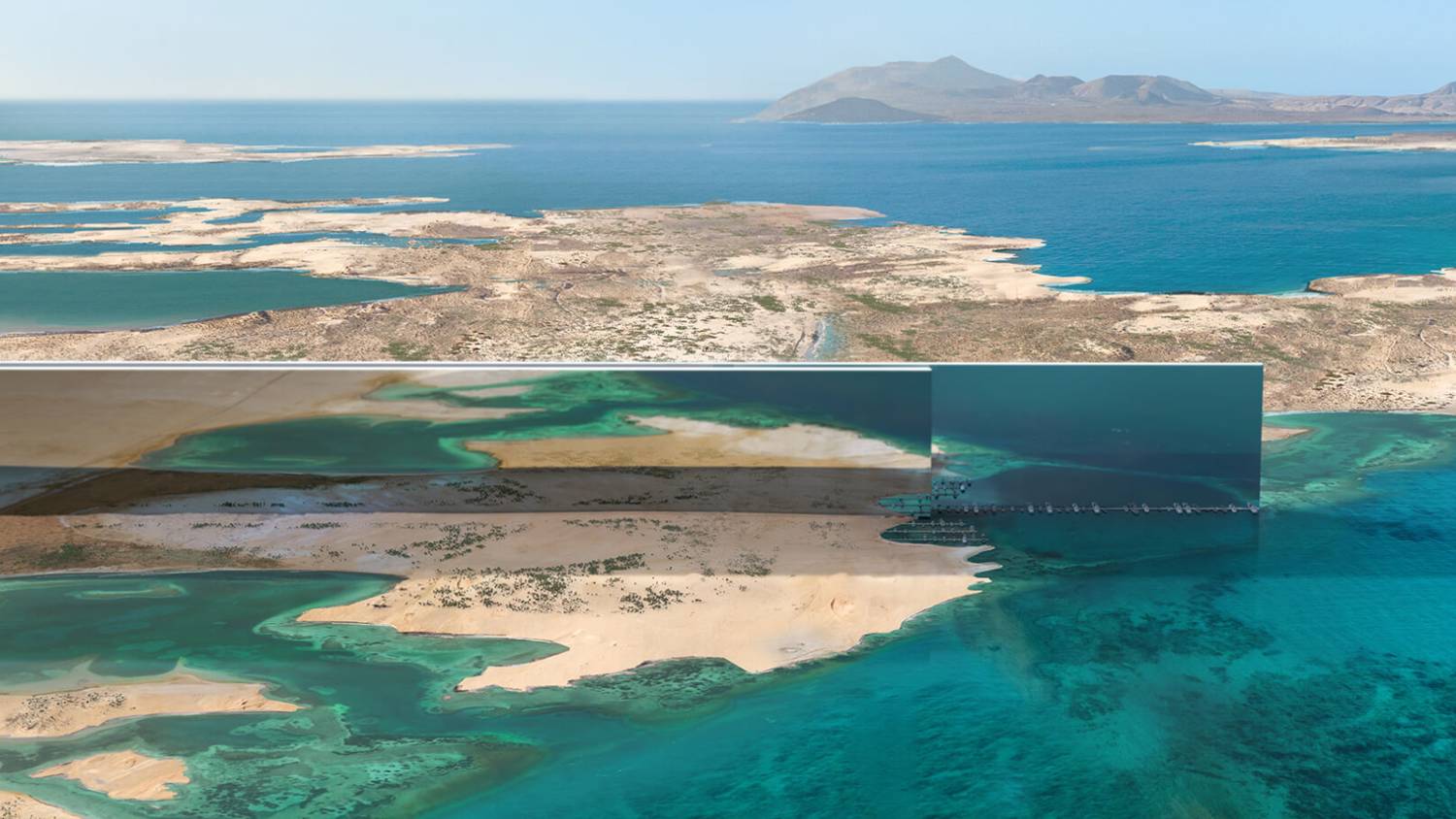
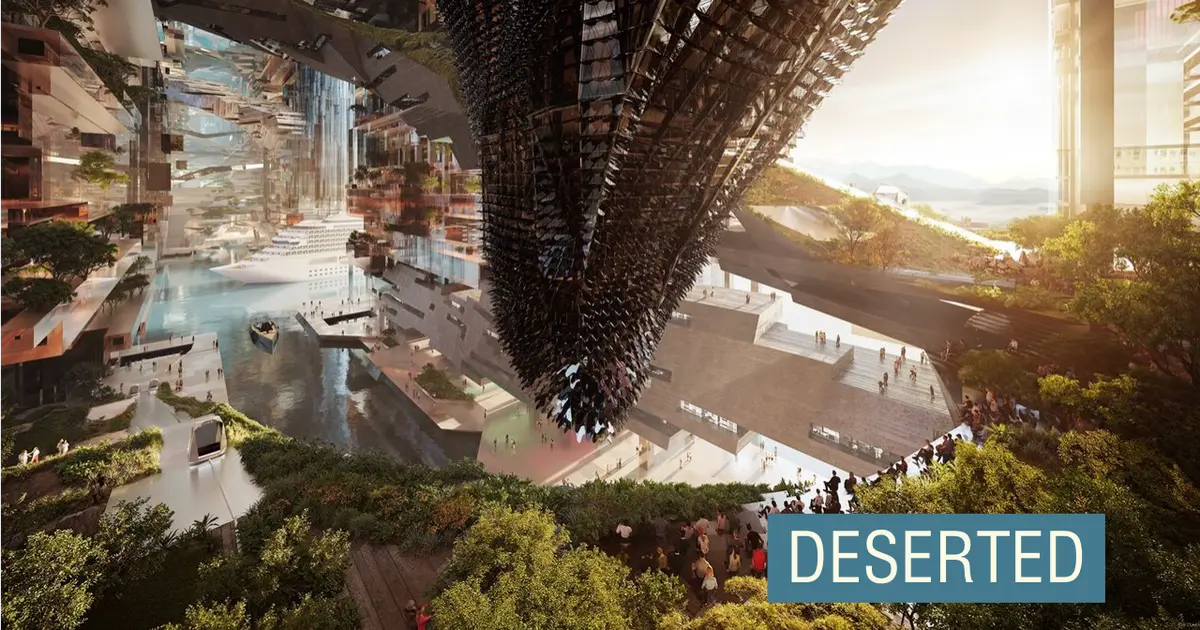
Saudi Arabia has asked consultants to review the feasibility of 'The Line', a key part of the Neom megaproject, amid scaling back plans due to rising costs and falling oil prices. The ambitious, car-free city was initially envisioned to host one million residents and contribute significantly to the economy, but recent reports suggest a reduction in scope and population targets, reflecting financial and internal challenges. The project remains a symbol of Saudi Arabia's Vision 2030 to diversify its economy.
Asian nations are seeking new trade partners and diversifying their economies in response to President Trump's tariffs, which have disrupted traditional trade relationships and prompted efforts to strengthen regional cooperation and reduce reliance on the US market.
Nadhmi al-Nasr, the CEO of Saudi Arabia's ambitious Neom megacity project, has unexpectedly left his position, marking a significant disruption for the world's largest construction endeavor. Neom, a key part of Saudi Arabia's strategy to diversify its economy and boost tourism, has faced numerous challenges, including budget issues, delays, and worker safety concerns. The announcement of al-Nasr's departure coincided with Neom's selection of architects for its prominent feature, a pair of 105-mile-wide parallel skyscrapers.
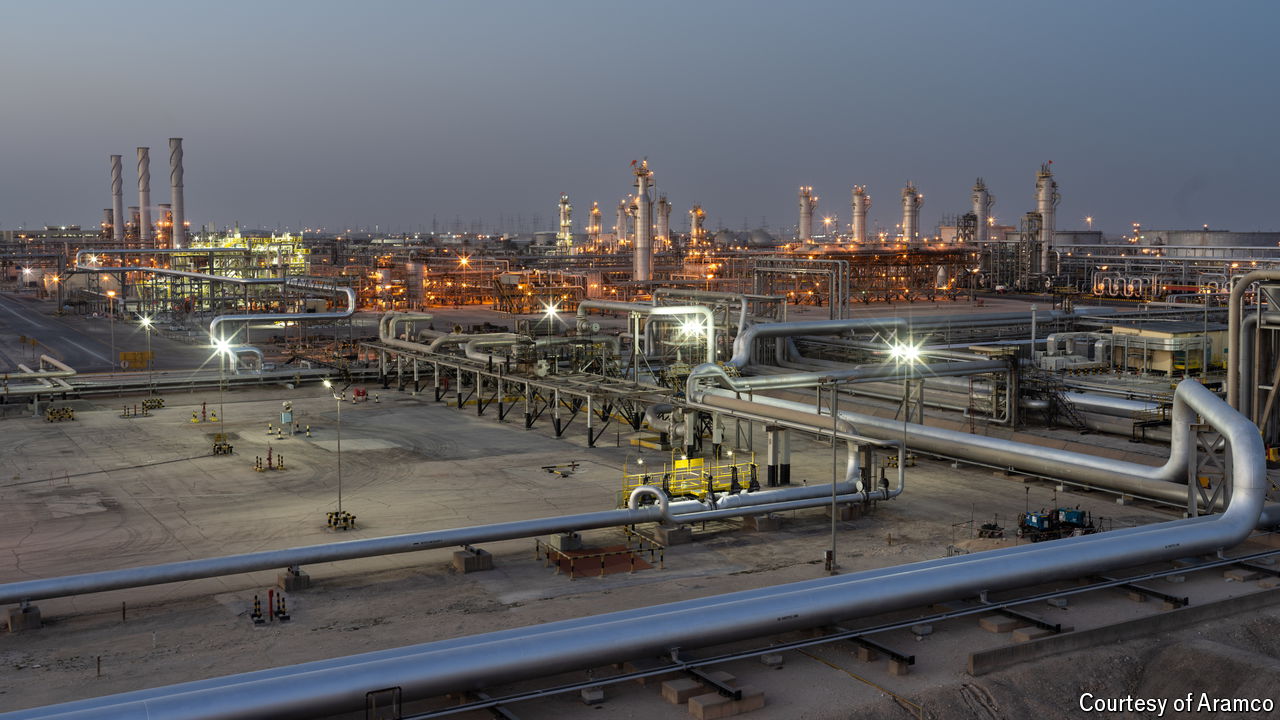
Saudi Aramco, the world's largest energy firm, is crucial to Crown Prince Muhammad bin Salman's strategy to reduce Saudi Arabia's reliance on oil, diversify its economy, and decarbonize energy production. Despite its low production costs and significant market share, Aramco is focusing on maintaining reservoirs and adapting to global warming concerns to stay competitive as less endowed rivals struggle.
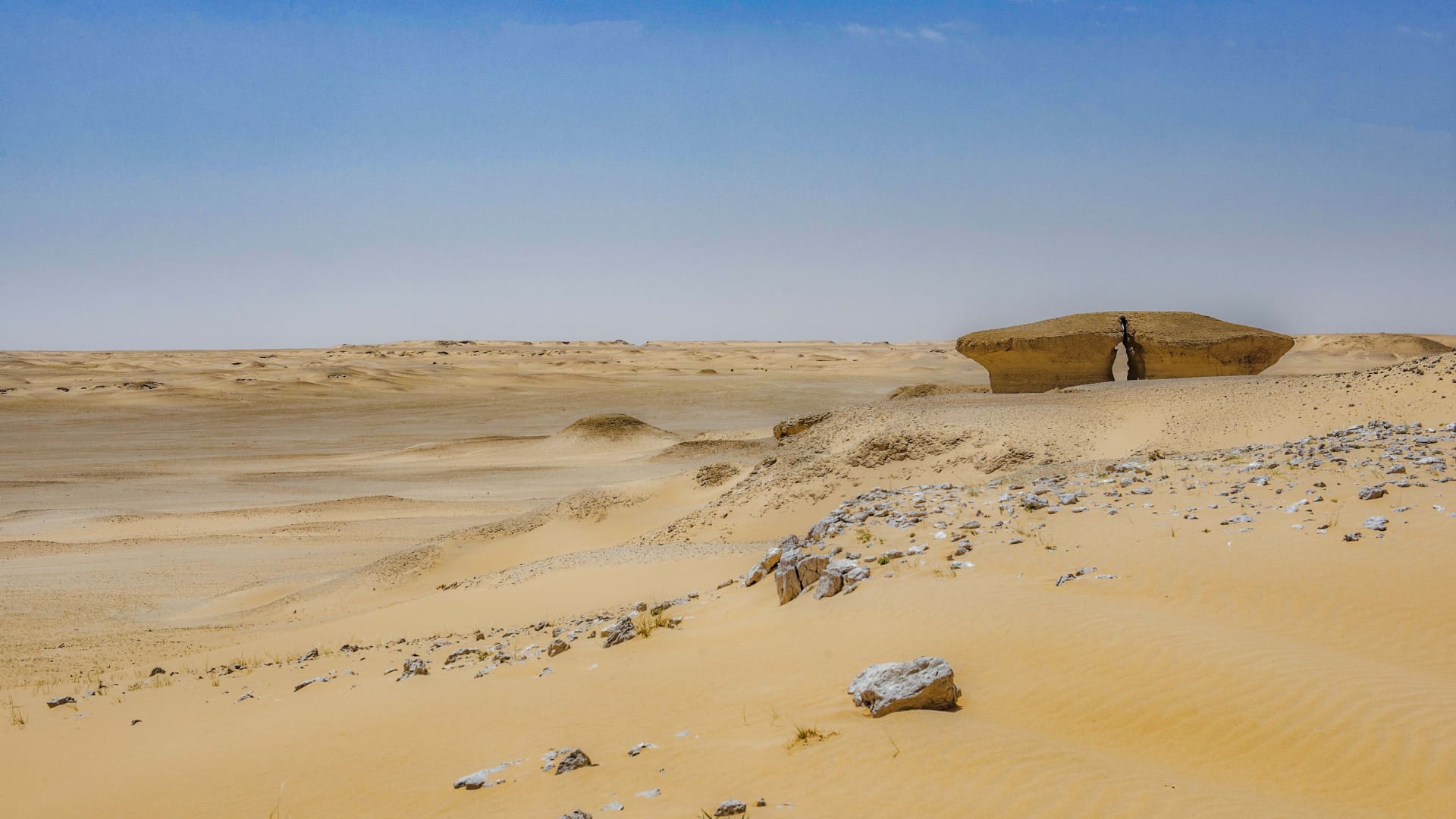
Saudi Arabia has nearly doubled the value of its mineral resources to $2.5 trillion, with lucrative deals signed at its Future Minerals Forum. The resources include gold, copper, phosphate, and rare earth elements, offering new sources of wealth alongside its oil reserves. The government announced $20 billion in deals and aims to award foreign investors over 30 mining exploration licenses by 2024 as part of its Vision 2030 program to diversify the economy. The mining minister highlighted recent reforms and a new mineral exploration incentive program, expressing optimism about meeting the program's goals.
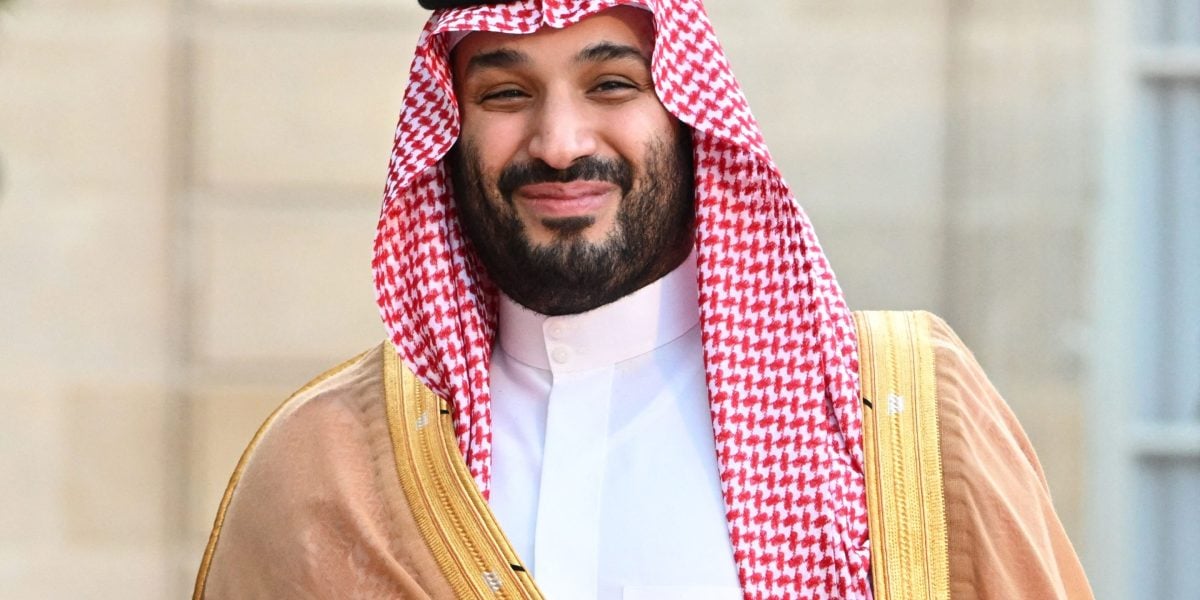
Hyundai has signed a deal with Saudi Arabia's sovereign wealth fund to establish a commercial joint venture for local production of up to 50,000 combustion engine and electric vehicles annually, with an estimated investment exceeding half a billion dollars. The move is part of Crown Prince Mohammed bin Salman's Vision 2030 strategy to diversify the Saudi economy away from oil. This follows the recent opening of a luxury EV facility by Lucid, and the upcoming joint venture between PIF and Foxconn for the first Saudi EV brand. Developing a thriving auto industry is seen as a way to insulate the monarchy from domestic unrest and attract foreign investment.
Southern Nevada's economic future is at risk without the release of additional federal public lands, as the region faces a shortage of developable employment-purposed land by 2030. The lack of available land hampers economic diversification and limits the creation of quality careers needed for sustained population growth. The dwindling land availability also drives up costs, making the region less attractive for businesses looking to relocate. Efforts are underway to revisit the Clark County Lands Bill, which could provide opportunities for economic growth while protecting sensitive habitats. The support and involvement of both the public and private sectors are crucial for securing the necessary land and ensuring the region's economic future.
Saudi Arabia is predicting a budget deficit as it continues to funnel money into gigaprojects aimed at diversifying its economy. The country has been investing heavily in projects such as NEOM, a $500 billion futuristic city, and the Red Sea Development, a luxury tourism destination. While these projects are part of Saudi Arabia's Vision 2030 plan to reduce its dependence on oil, they have contributed to a widening budget deficit. The government is now looking to cut spending and increase non-oil revenues to address the deficit.
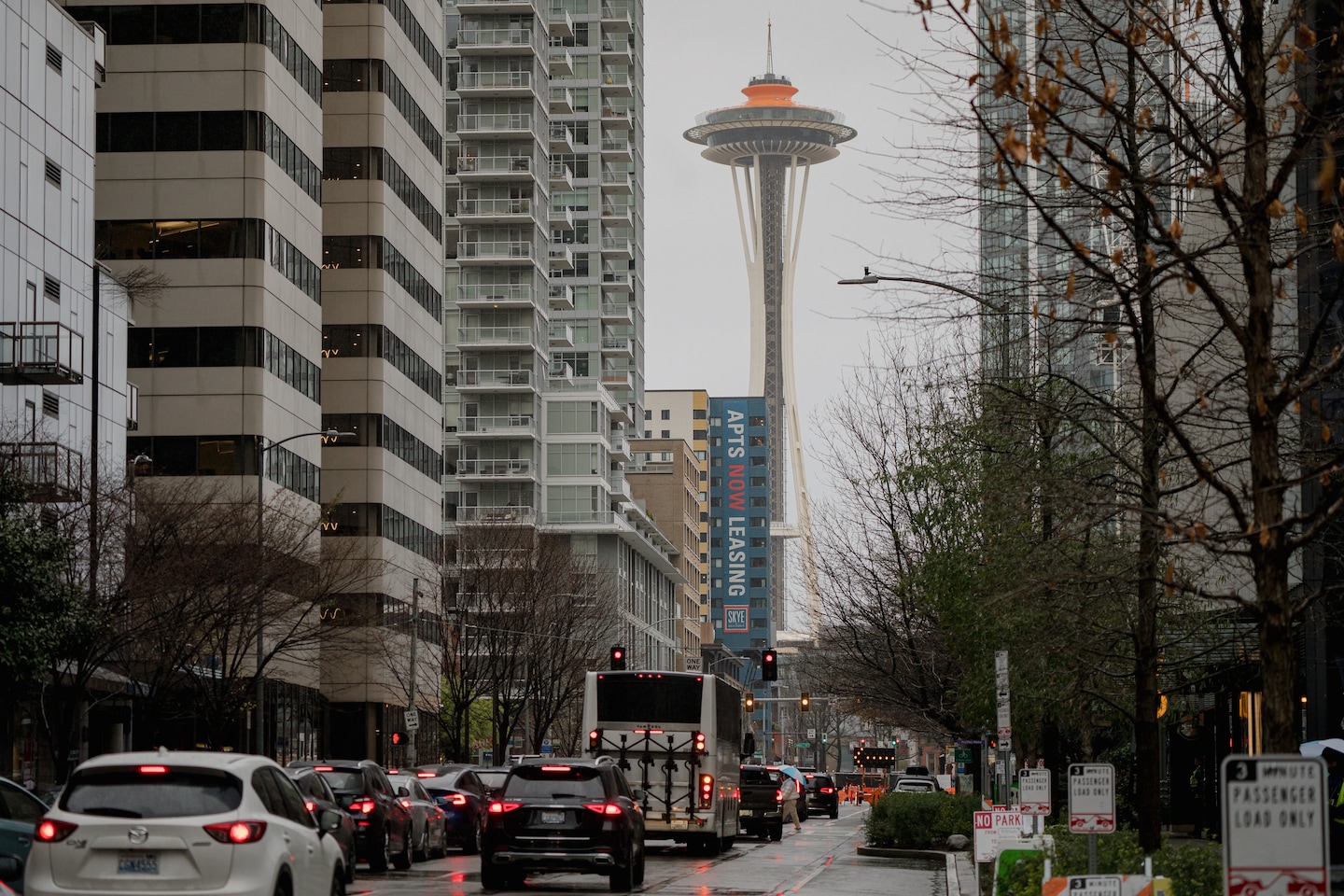
Seattle's tech industry has been hit by job cuts and the pandemic, leading to a slowdown in growth. However, the city's economy is diversified, with strongholds in healthcare, retail, maritime, and aerospace industries, which insulate it from broader economic fallout. While the city is experiencing a "regrowth" period, it is still facing a budget shortfall of $140 million, and office occupancy is only 47% of pre-pandemic levels. Despite this, Seattle remains a resilient community, and many tech firms still have larger workforces than they did three years ago. Start-ups are also seeing opportunities to attract talent that might otherwise be absorbed by tech giants.