At the Detroit Auto Show, electric vehicles briefly led the spotlight, but coverage and exhibitors pivoted to a broader mix of tech and vehicle launches, signaling that EVs are no longer the sole focus of the event.
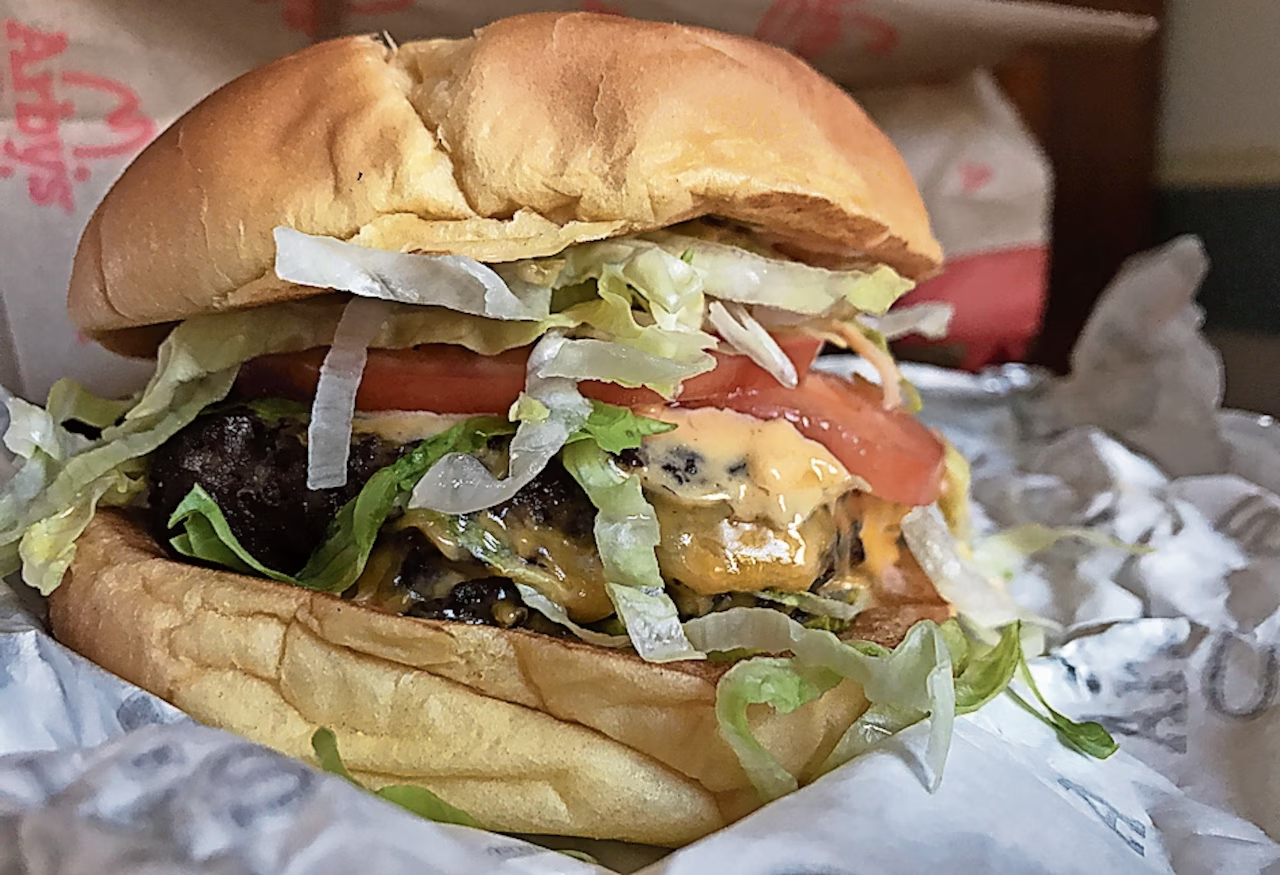
Arby's, a 60-year-old fast-food chain known for its meats and curly fries, has quietly closed dozens of locations across the U.S. in 2025 due to declining sales and rising costs, despite its popularity and significant market share.
In 2025, Hollywood experienced a tumultuous year marked by industry mergers, shifting box office dynamics, the rise of AI-generated performers, culture wars over fashion and language, and significant political and social upheavals, reflecting a year of chaos, innovation, and transformation.
Nearly 100 D.C. restaurants and bars are expected to close in 2025, marking a third consecutive year of increased closures, especially among mid-priced establishments due to rising costs, labor issues, and economic pressures from federal and local factors, with some openings and transformations occurring amidst a challenging industry landscape.
The article reviews the tumultuous year of 2025 in the game industry, highlighting trends such as the rise of generative AI, deprofessionalization, union activity, indie studio funding via Kickstarter, and the impact of tariffs on costs, while also noting the industry's ongoing struggles with economic contraction, exploitation, and social issues.
All major video game consoles, including Xbox, PlayStation, and Nintendo, experienced significant sales declines in 2025 due to rising hardware prices, reduced unit sales, and broader industry challenges, signaling a potential shift in the gaming market with higher-priced, premium-focused consoles and changing consumer habits.
Since its inception in 2014, The Game Awards' Game of the Year has been awarded to a variety of titles, with Sony leading the pack and RPGs dominating the winners' list; recent winners include Clair Obscur: Expedition 33 in 2025 and Baldur's Gate 3 in 2023, highlighting the evolving landscape of the gaming industry.
As the PS5 celebrates its fifth anniversary, Sony has no immediate plans for a PS6, citing ongoing content development, technological relevance, and industry trends that favor longer console lifespans and delayed hardware upgrades.
This article reviews the gaming industry's highlights of 2025, discussing major releases, industry trends, and predictions for Game of the Year, featuring insights from gamers Zachary Small and Jason Bailey.
Most gamers buy fewer than two new games per year, with a small, affluent segment driving industry revenue through high spending and microtransactions, while the majority prefer free-to-play or less frequent purchases.
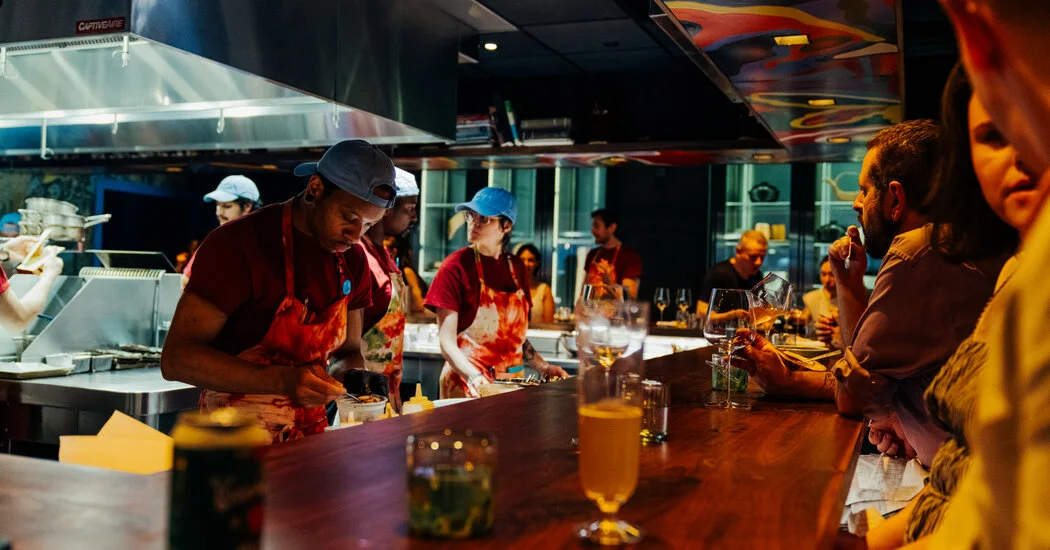
The article reviews the top restaurants and industry trends of 2025, highlighting notable experiences from across the U.S., including emerging favorites, tired clichés, and exciting new developments like zero-proof cocktails and cozy decor, based on extensive research by The New York Times Food desk.
Clair Obscur: Expedition 33's success signals a shift away from the industry's reliance on live-service games, highlighting a player preference for strong, affordable single-player titles, though blockbuster releases like GTA 6 may still influence industry direction.
The article discusses the mixed feelings among software engineers regarding AI's role in their work, highlighting that while AI can boost productivity in certain tasks, it often falls short of replacing complex human judgment, domain knowledge, and collaboration. Many engineers express skepticism about AI's current capabilities, concern over overhyped expectations, and the impact on morale, hiring, and industry practices, with some seeing AI as a helpful tool and others viewing it as a source of frustration and disillusionment.
Fast-casual restaurant chains are increasingly relying on loyalty programs to retain customers amid economic uncertainty and declining consumer spending, with brands like Chipotle, Starbucks, and Cava innovating their rewards offerings to boost engagement and sales, emphasizing long-term customer loyalty over short-term discounts.
Bumble announced a 30% workforce reduction, surprising analysts given prior cost cuts, as the company struggles with declining user engagement and revenue, but raised its Q2 revenue forecast, indicating ongoing challenges in the online dating industry. Despite cost-cutting efforts, the company is reinvesting savings into strategic areas, with CEO Whitney Wolfe Herd planning an overhaul to revitalize growth.