Tag

Saltwater Intrusion

All articles tagged with #saltwater intrusion

Rising Saltwater Threatens Majority of Coastal Aquifers by 2100

Originally Published 1 year ago — by Phys.org

Featured image for Rising Saltwater Threatens Majority of Coastal Aquifers by 2100
Source: Phys.org

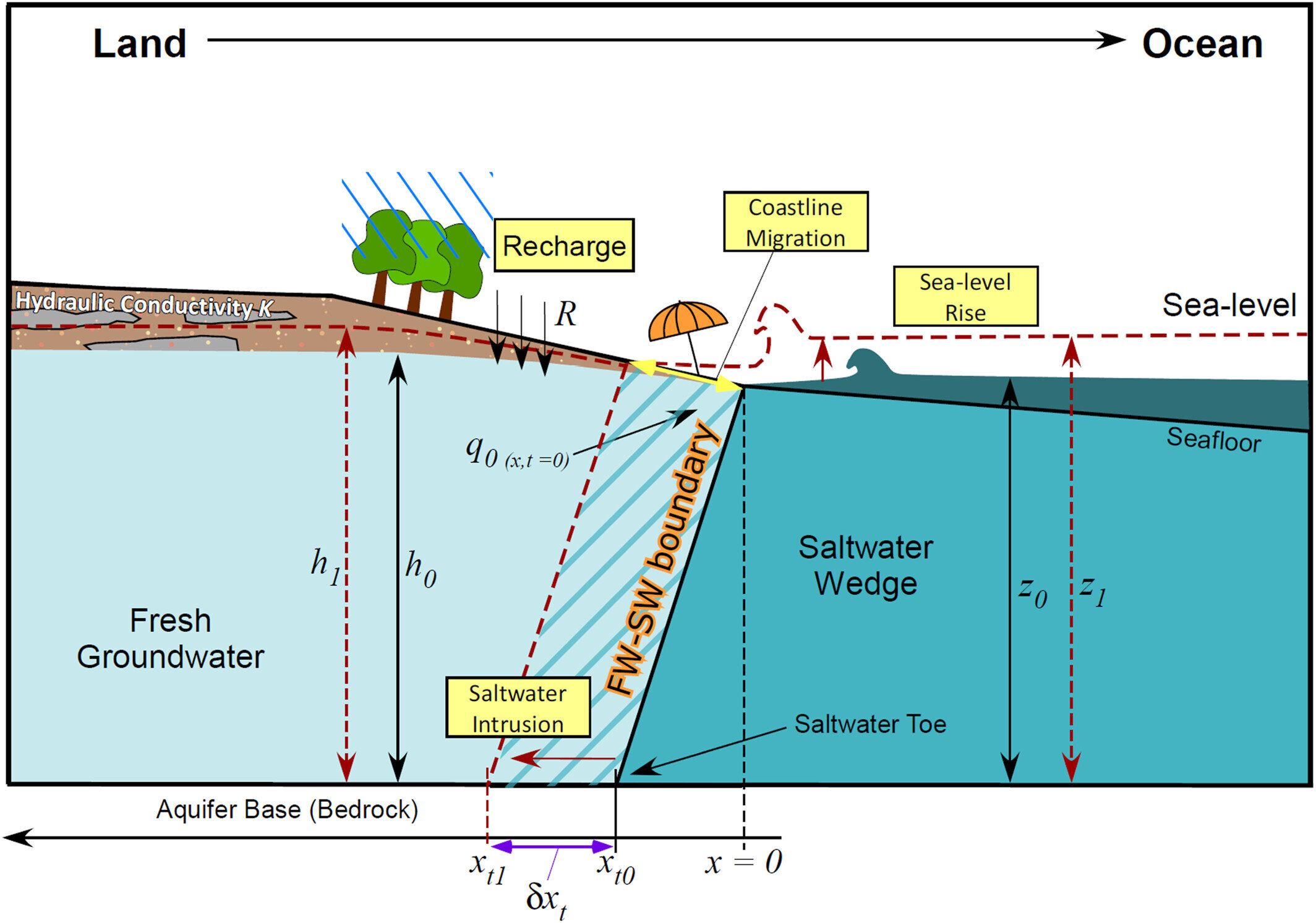
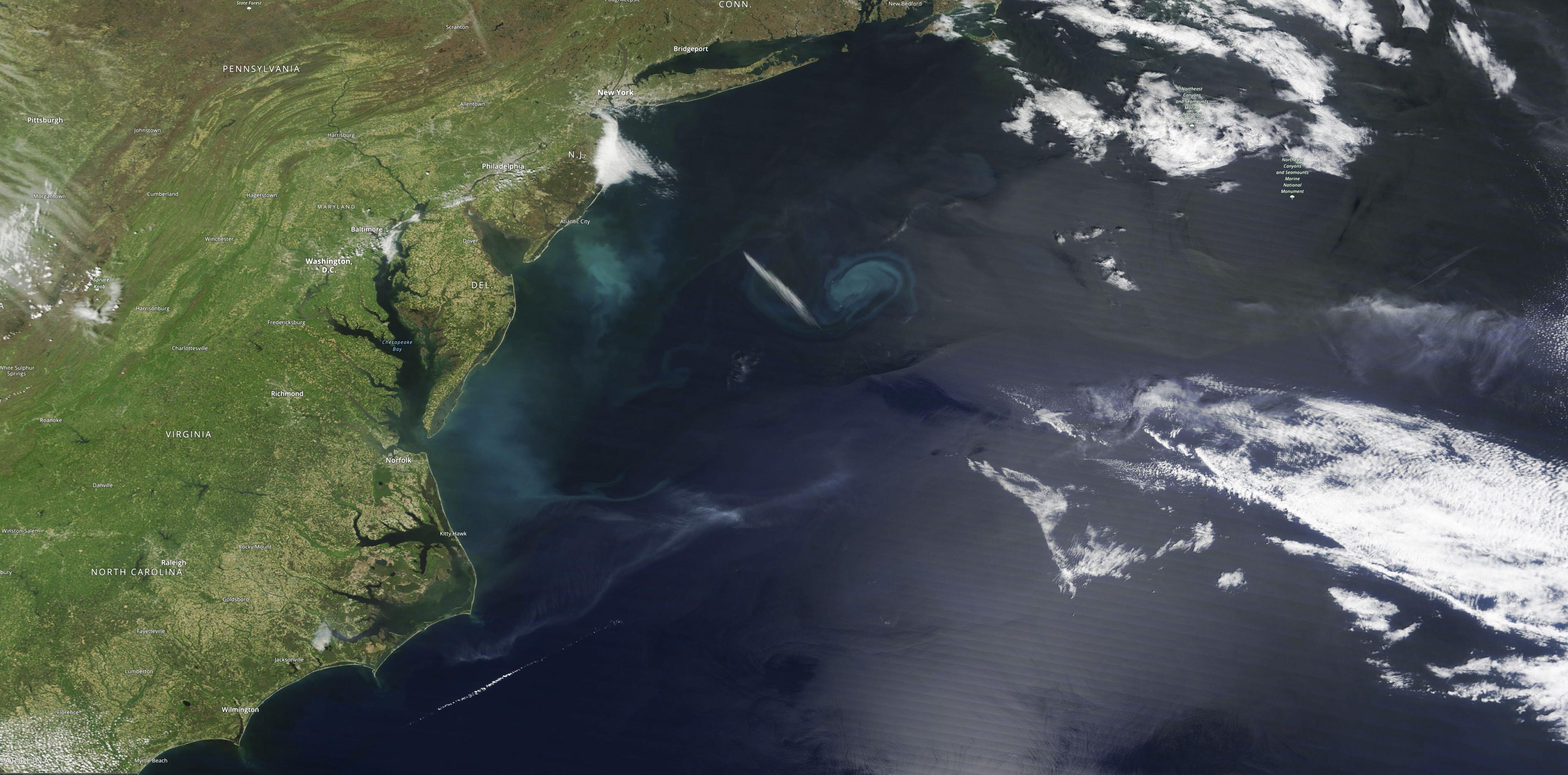
A study by NASA's Jet Propulsion Laboratory predicts that by 2100, saltwater will infiltrate 77% of coastal aquifers globally due to climate change-induced sea level rise and reduced groundwater recharge. This saltwater intrusion threatens freshwater supplies, ecosystems, and infrastructure. The study highlights that while sea level rise will make saltwater intrusion more widespread, reduced groundwater recharge will determine how far inland it penetrates. Vulnerable regions include Southeast Asia, the Gulf of Mexico, and the Eastern US Seaboard.
Study Predicts Saltwater Intrusion in Coastal Groundwater by 2100

Originally Published 1 year ago — by NASA Jet Propulsion Laboratory

Featured image for Study Predicts Saltwater Intrusion in Coastal Groundwater by 2100
Source: NASA Jet Propulsion Laboratory

A NASA-led study predicts that by 2100, saltwater will infiltrate underground freshwater supplies in 77% of coastal areas worldwide due to sea level rise and reduced groundwater recharge, driven by climate change. This saltwater intrusion threatens to make coastal aquifers undrinkable, harm ecosystems, and damage infrastructure. The study highlights the need for tailored management strategies depending on whether sea level rise or reduced recharge is the dominant factor in a given area.

Louisiana's Battle Against Storms, Rising Seas, and Salty Drinking Water

Originally Published 2 years ago — by The New York Times

Featured image for Louisiana's Battle Against Storms, Rising Seas, and Salty Drinking Water
Source: The New York Times

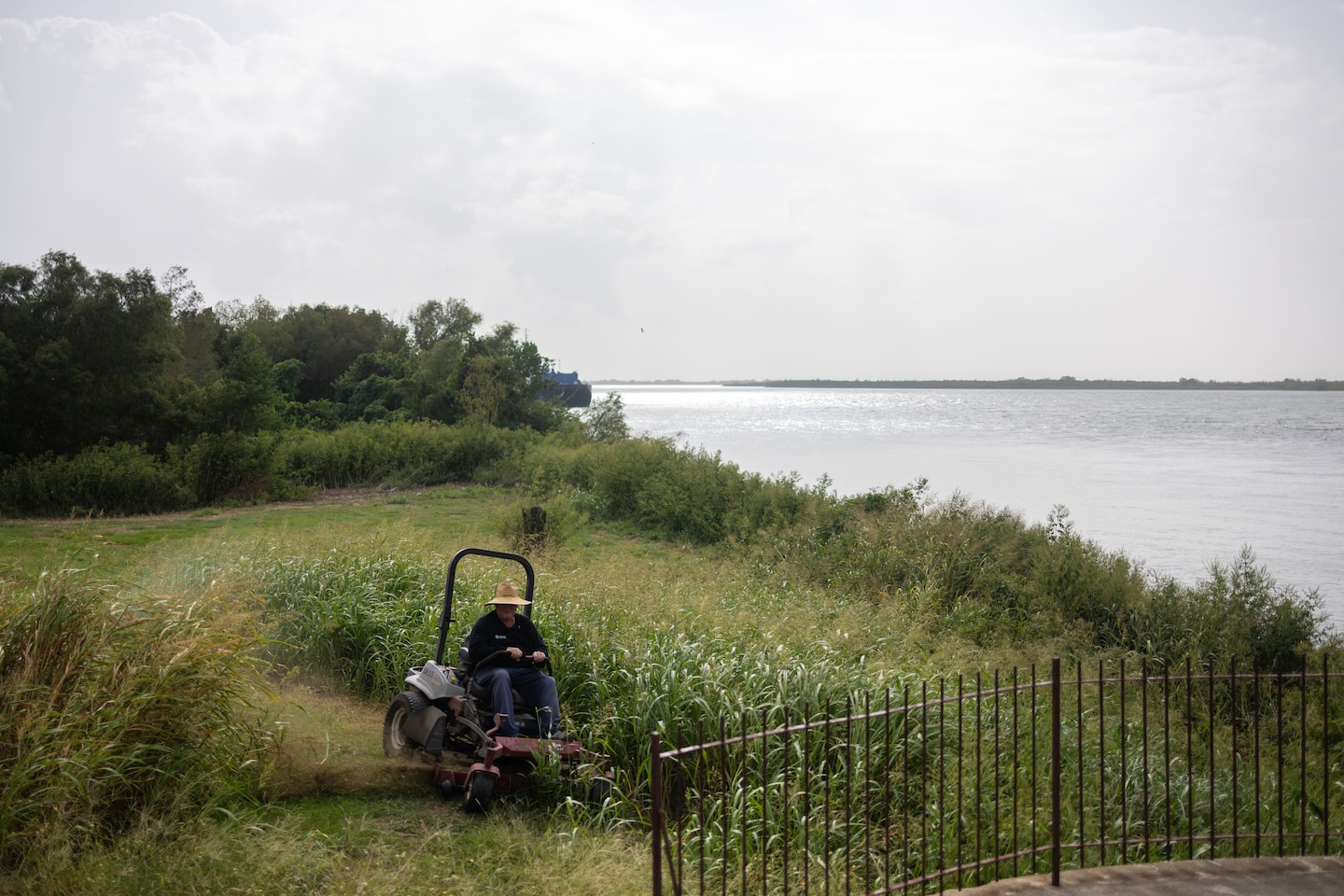
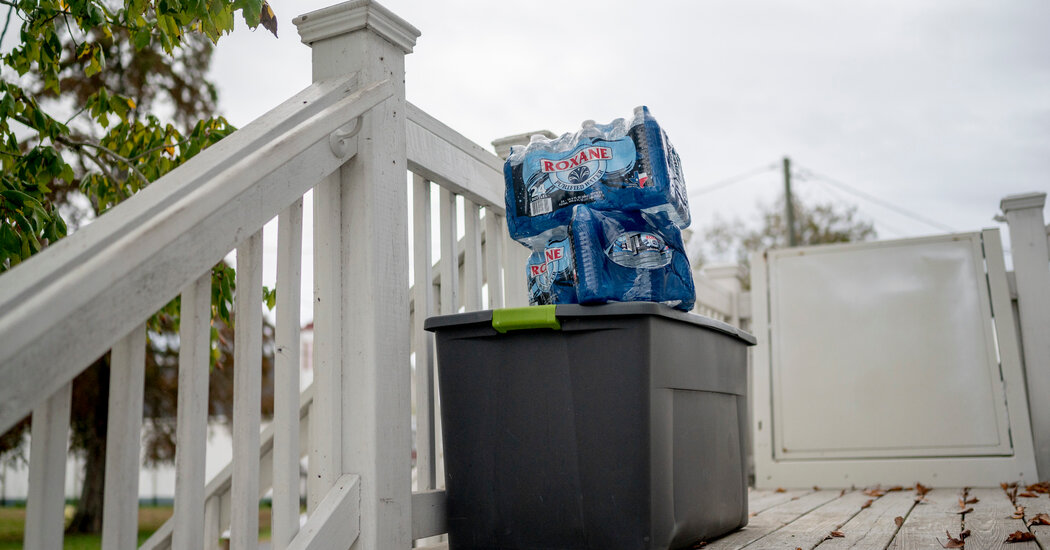
Lower Louisiana, particularly Plaquemines Parish, is facing a drinking water crisis due to a combination of drought, climate change, and saltwater intrusion. Droughts in the Midwest have weakened the Mississippi River, allowing saltwater from the Gulf of Mexico to contaminate the water supply. The situation became urgent when forecasts showed that the saltwater could reach treatment plants in New Orleans, potentially affecting hundreds of thousands of people. This crisis highlights the growing concern of climate change exacerbating extreme weather events and threatening safe drinking water across America. The region has experienced a drinking water crisis for the second year in a row, and experts predict more frequent intrusions as climate change continues. The U.S. Army Corps of Engineers has been dredging parts of the Mississippi to accommodate cargo ships, which could make saltwater intrusions more likely. While New Orleans has found temporary relief, communities south of the city continue to face water quality concerns and distrust the tap water. The cost of upgrading municipal water treatment facilities to handle extra salinity is estimated to be around $200 million.

U.S. Army Corps of Engineers Updates Saltwater Wedge Timeline, New Orleans Prepares for Incursion

Originally Published 2 years ago — by WDSU New Orleans

Featured image for U.S. Army Corps of Engineers Updates Saltwater Wedge Timeline, New Orleans Prepares for Incursion
Source: WDSU New Orleans

The U.S. Army Corps of Engineers has provided an updated timeline for the impact of the saltwater wedge on water treatment facilities in Plaquemines Parish. Due to the combination of an underwater sill and increased river flow, there has been a regression in the saltwater wedge upriver. The forecast shows delayed impacts, with the Belle Chasse treatment facility now expected to be impacted on October 27, two weeks later than previously forecasted. Port Sulphur and Pointe A La Hache facilities are currently experiencing saltwater intrusion.

"Louisiana's Battle Against Saltwater Intrusion: Protecting New Orleans and Drinking Water"

Originally Published 2 years ago — by USA TODAY

Featured image for "Louisiana's Battle Against Saltwater Intrusion: Protecting New Orleans and Drinking Water"
Source: USA TODAY

The Mississippi River is facing a saltwater intrusion problem as a surge of Gulf of Mexico saltwater creeps up the river, causing concerns for water supply and coastal erosion. The low-water river weakened by drought cannot keep the ocean water at bay, leading to compromised water plants, health concerns, and worries about the long-term effects on agriculture and fishing. Efforts are being made by the U.S. Army Corps of Engineers and Louisiana officials to combat the saltwater incursion, including installing reverse-osmosis filters and running new pipes to bring fresher water into New Orleans. While the threat to municipal drinking water has slowed, uncertainties remain about when the river will see enough freshwater to push the saltwater back to sea.

"New Orleans Braces for Slowly Advancing Saltwater Threat from Mississippi River"

Originally Published 2 years ago — by The Washington Post

Featured image for "New Orleans Braces for Slowly Advancing Saltwater Threat from Mississippi River"
Source: The Washington Post

A mass of saltwater from the Gulf of Mexico has moved nearly 70 miles up the drought-stricken Mississippi River, causing drinking water advisories and infrastructure damage in Plaquemines Parish, Louisiana. While New Orleans has received more time to prepare, the rural community continues to face challenges such as hair and skin problems, corroded appliances, and the smell of rotten eggs from tap water. Temporary solutions, including reverse osmosis systems and barging in fresh water, are being implemented, but residents express frustration and fatigue, calling for permanent fixes to prevent future drought-related issues.

Preparing for Saltwater Intrusion: Louisiana's Battle to Protect Residents' Health and Education

Originally Published 2 years ago — by CNN

Featured image for Preparing for Saltwater Intrusion: Louisiana's Battle to Protect Residents' Health and Education
Source: CNN

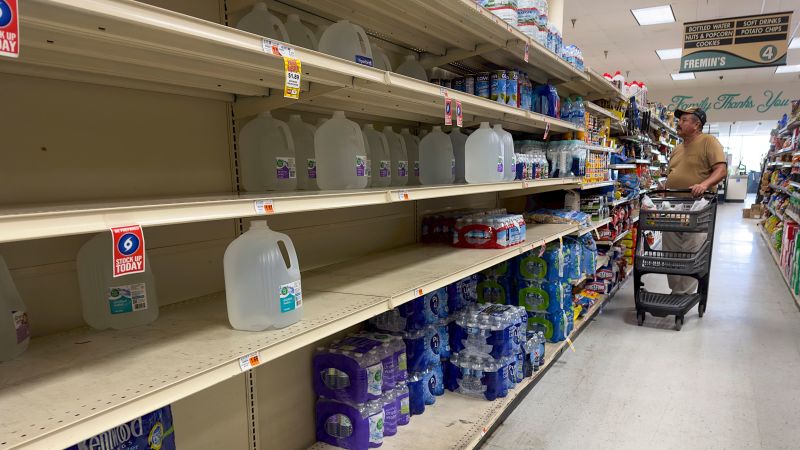
Louisiana is facing a threat to its drinking water as saltwater intrusion from the Gulf of Mexico is displacing the fresh water in the Mississippi River due to low river volume caused by extreme drought and record high temperatures in the Midwest. High salt levels in the tap water can make it unsafe to drink or cook with, and can also corrode pipes. Elevated salt levels pose health risks, particularly for those on low-salt diets, individuals with kidney disease, heart problems, high blood pressure, pregnant women, infants, and the elderly. The city of New Orleans is encouraging precautions, such as using ready-made formula or mixing powdered formula with bottled water for infants, and providing bottled water for pets. Without significant rainfall, parts of Louisiana could have undrinkable water for months.

Jefferson Parish Takes Action to Combat Saltwater Intrusion with Freshwater Pipeline

Originally Published 2 years ago — by NOLA.com

Featured image for Jefferson Parish Takes Action to Combat Saltwater Intrusion with Freshwater Pipeline
Source: NOLA.com

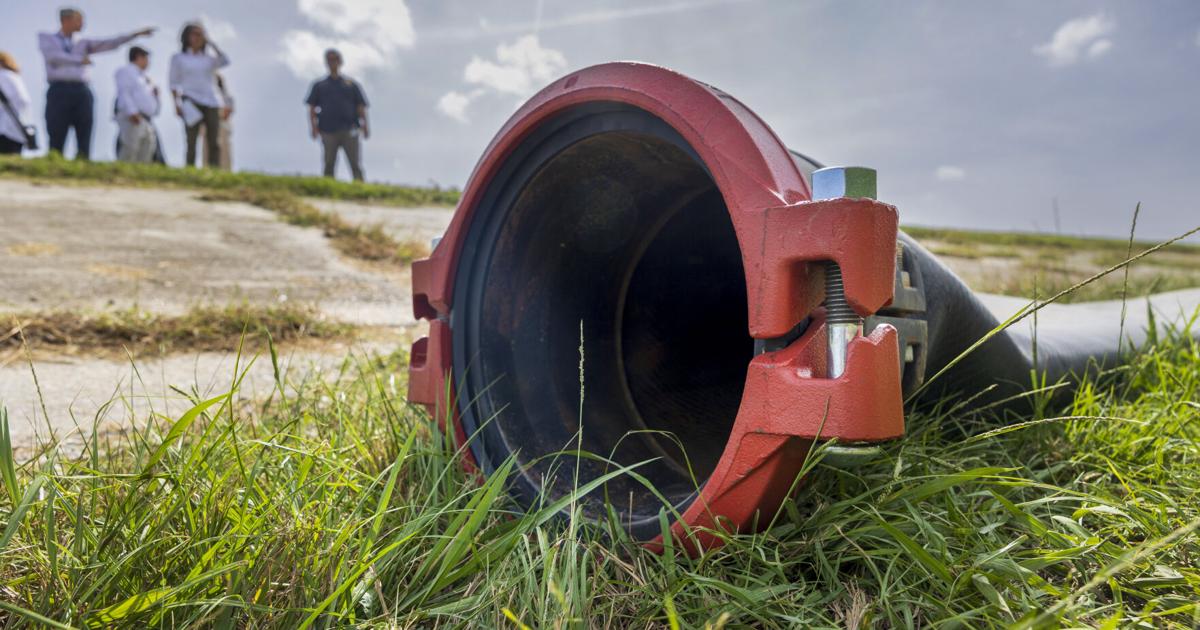
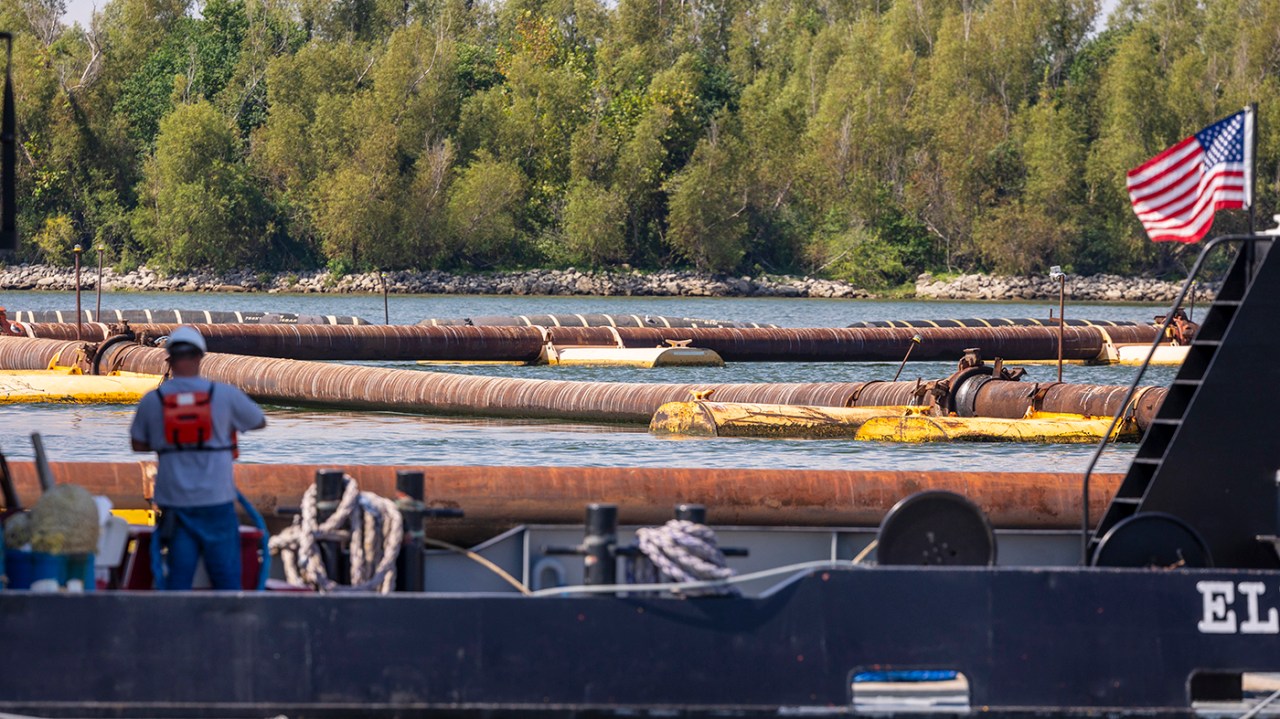
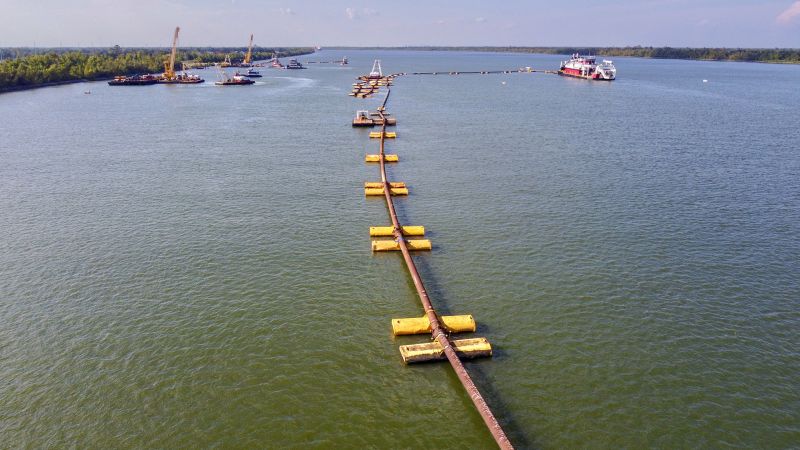
As saltwater intrusion continues to move up the Mississippi River, crews have begun laying out miles of flexible pipeline in Jefferson Parish to supply fresh water. Parish officials, including Jefferson Parish President Cynthia Lee Sheng, are overseeing the installation as a proactive measure to combat the encroaching saltwater.

The 1988 Saltwater Intrusion in New Orleans: Lessons Learned and Future Plans

Originally Published 2 years ago — by NOLA.com

Featured image for The 1988 Saltwater Intrusion in New Orleans: Lessons Learned and Future Plans
Source: NOLA.com

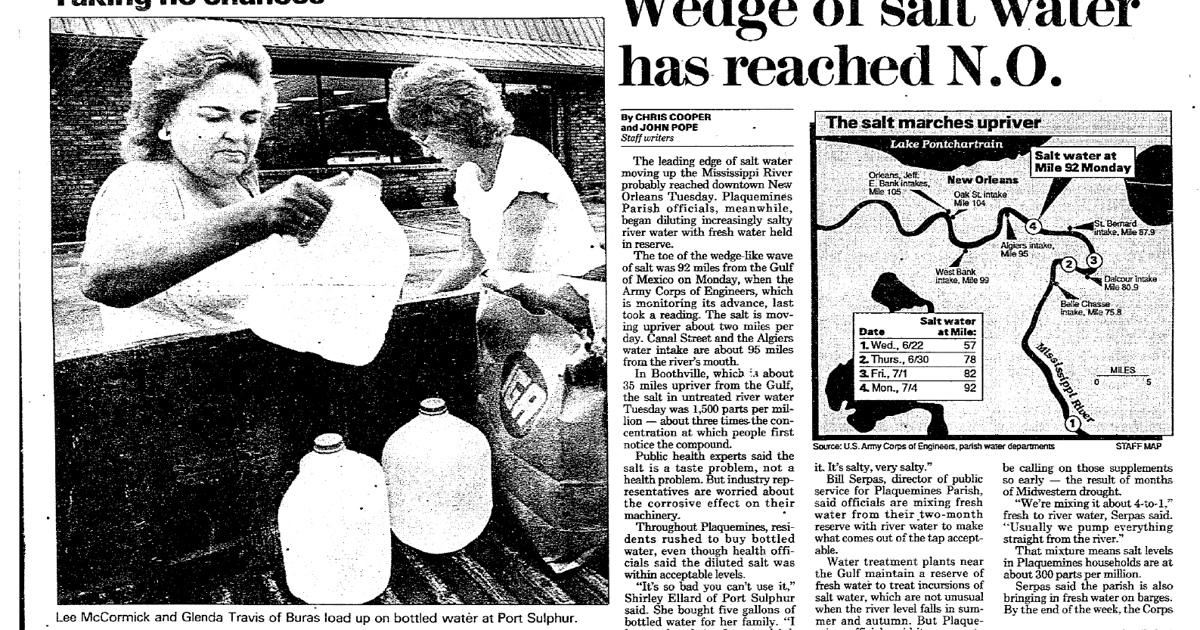
In 1988, New Orleans faced a saltwater intrusion crisis as the Mississippi River's salinity levels rose, threatening the city's drinking water supply. The salt wedge, caused by denser saltwater moving upstream, reached downtown New Orleans before being diluted with fresh water. Temporary underwater dams were built to block the saltwater intrusion in subsequent years. The intrusion in 1988 was exacerbated by a record drought across the country, leading to concerns about power outages, higher prices, and damage to marine life. Efforts were made to mitigate the crisis, including the construction of a river sill and exploring water diversion options, but the situation improved as rainfall increased and the river's flow rose.

"Louisiana Communities Receive Vital Fresh Water Supplies to Combat Saltwater Intrusion"

Originally Published 2 years ago — by CNN

Featured image for "Louisiana Communities Receive Vital Fresh Water Supplies to Combat Saltwater Intrusion"
Source: CNN

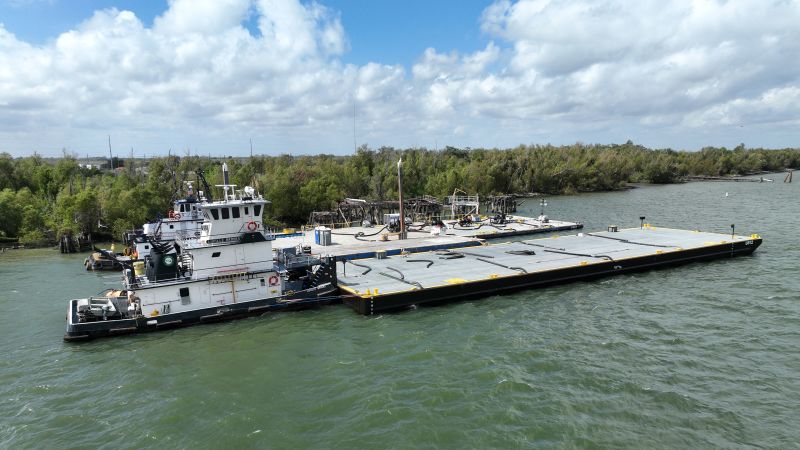
Plaquemines Parish in Louisiana is facing saltwater intrusion that threatens drinking supplies, with emergency transports of fresh water being brought in by barges until the Mississippi River's flow is strong enough to push the seawater back. The crisis has already cost $33 million and the community is reliant on state and federal support. The parish hopes for investment in desalination technology, as saltwater intrusion is expected to occur annually. In New Orleans, the low level of the Mississippi River and the encroaching saltwater pose threats to drinking and irrigation supplies, infrastructure, and the shipping industry. Urgent measures are needed to address climate change impacts.

"Saltwater Intrusion Threatens New Orleans: A Race Against Crisis"

Originally Published 2 years ago — by The New York Times

Featured image for "Saltwater Intrusion Threatens New Orleans: A Race Against Crisis"
Source: The New York Times

New Orleans is facing a potential drinking water crisis as a saltwater wedge moves up the drought-drained Mississippi River, threatening municipal water supplies. The saltwater intrusion, caused by drought conditions in the Midwest, could reach water treatment plants near New Orleans in about a month, affecting approximately one million people. Officials are working to slow the influx by strengthening an underwater sill and shipping fresh water by barge. However, managing the demand for clean water could be challenging, and the duration of the intrusion remains uncertain. This is the second consecutive year of drastically low water levels due to climate change, making the situation more serious than previous dry years. Schools and hospitals are preparing for a long-term crisis, and there are calls for the construction of a pipe to pull more fresh water from upriver, which could cost over $250 million.

Saltwater Intrusion: A Looming Threat to Louisiana's Water Supply and New Orleans

Originally Published 2 years ago — by The Hill

Featured image for Saltwater Intrusion: A Looming Threat to Louisiana's Water Supply and New Orleans
Source: The Hill

Saltwater intrusion is threatening Louisiana's water supplies, including the possibility of reaching New Orleans, due to low water levels in the Mississippi River caused by drought and conditions in the upper parts of the river and the Ohio River Valley. Saltwater contamination has already affected some areas, leading to drinking water advisories. Officials are working to mitigate the issue, including bringing fresh water via barge and exploring alternative water sources. The corrosion caused by saltwater could potentially lead to lead exposure if pipes containing heavy metals are damaged. Climate projections suggest that saltwater intrusion could become more frequent in the future, requiring long-term solutions.

"New Orleans Braces for Extended Saltwater Contamination in Drinking Water"

Originally Published 2 years ago — by NOLA.com

Featured image for "New Orleans Braces for Extended Saltwater Contamination in Drinking Water"
Source: NOLA.com

New Orleans may face three months of saltwater intrusion in its drinking water supply, lasting until January, according to the city's homeland security chief. The city plans to build a pipeline to dilute the salt at treatment plants, which could become a permanent solution. The estimated cost for the pipeline ranges from $100 million to $250 million, with federal funds potentially covering the majority. Construction could begin in seven to 10 days, and officials are prepared to provide bottled water if needed. Despite the situation, the city's water remains safe and drinkable.

Coastal Louisiana Braces for Saltwater Intrusion Crisis

Originally Published 2 years ago — by WDSU New Orleans

Featured image for Coastal Louisiana Braces for Saltwater Intrusion Crisis
Source: WDSU New Orleans

St. Bernard Parish in Louisiana has approved the use of $20 million in funds originally intended for Hurricane Ida recovery to prepare for saltwater intrusion. The money will be used to install a reservoir, reverse osmosis machines, and connect the water system with New Orleans to ensure a fresh water supply. The Army Corps of Engineers is assisting with these efforts, and the parish may seek reimbursement through emergency declarations. The saltwater intrusion is expected to begin affecting the area on October 19, and the parish will require at least 4.5 million gallons of fresh water daily.

Saltwater Intrusion Threatens Drinking Water in Mississippi River and New Orleans

Originally Published 2 years ago — by CNN

Featured image for Saltwater Intrusion Threatens Drinking Water in Mississippi River and New Orleans
Source: CNN

As drought conditions worsen in the Central US, saltwater from the Gulf of Mexico is moving upstream in the Mississippi River, contaminating drinking water for thousands of residents south of New Orleans. With little rain in sight, officials are working to find solutions before the saltwater infiltrates treatment plants serving tens of thousands more residents, including New Orleans. The saltwater intrusion is caused by low river levels and the density difference between saltwater and freshwater. Current estimates predict that unsafe, salty water could travel another 50 miles upstream through the end of October, potentially affecting the water supply of four parishes and over 80,000 people. The Army Corps of Engineers is constructing a higher underwater levee and plans to distribute up to 36 million gallons of freshwater per day with barges to reduce the salt content in the affected areas.