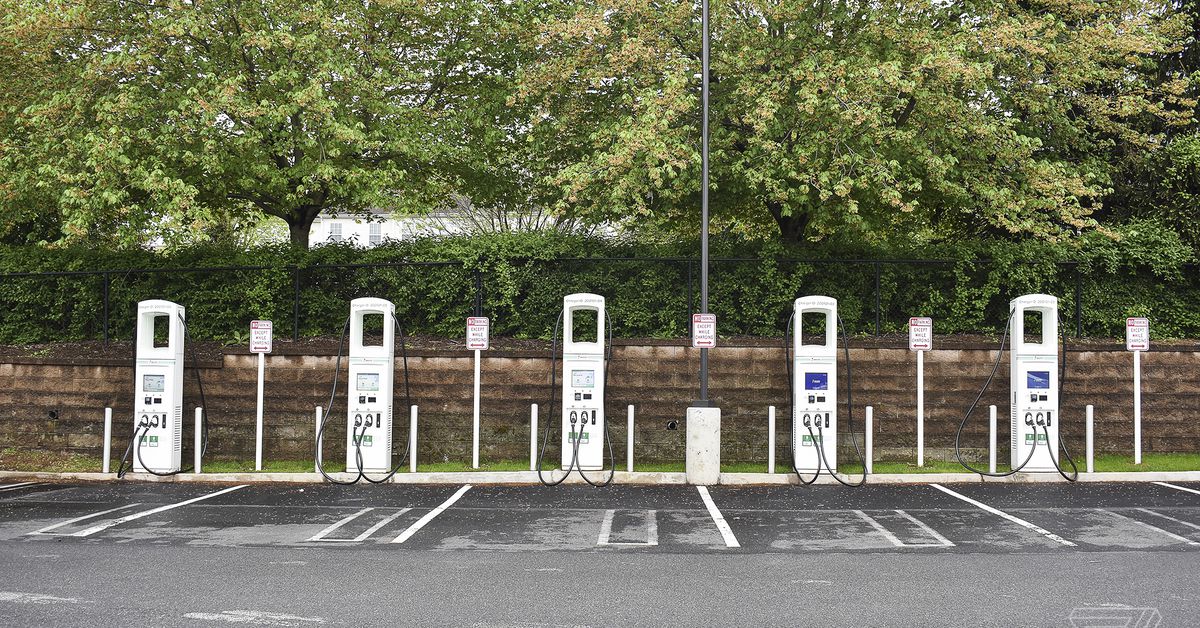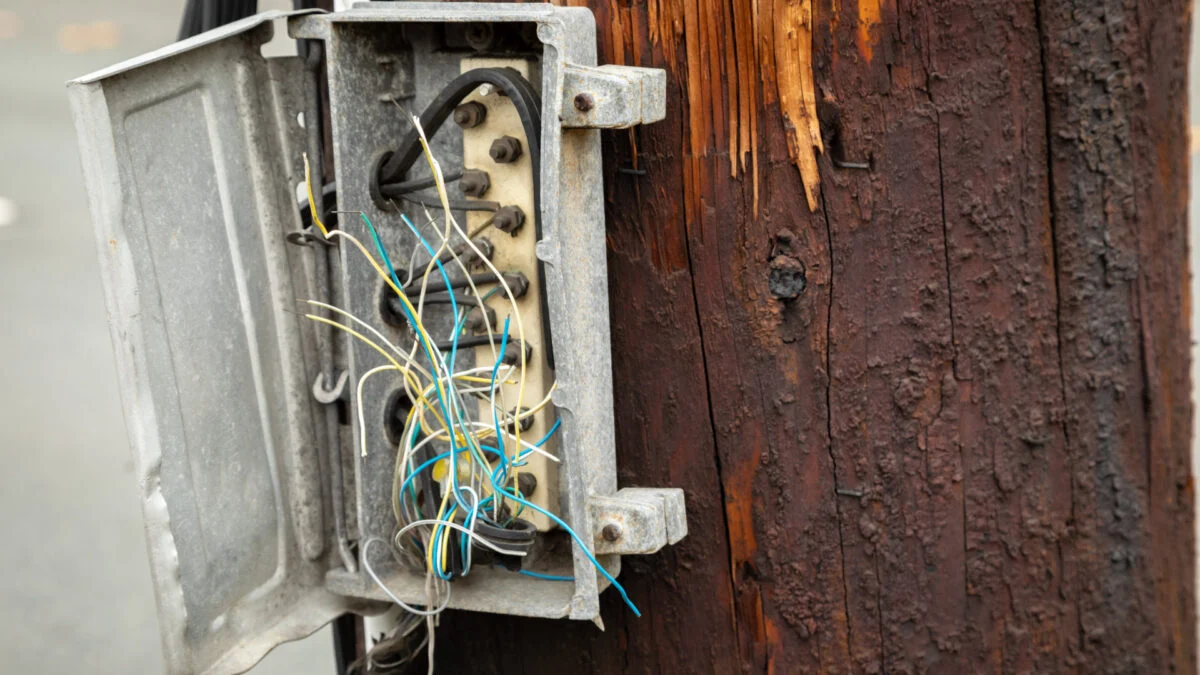
Copper wire thefts from EV chargers in Los Angeles and other cities pose a threat to EV adoption, with thieves targeting high-value copper cables, leading to costly repairs and increased station downtime. Solutions like thicker cables, wireless charging, and stricter recycling laws are being considered to combat the issue and support the growth of electric vehicle infrastructure.
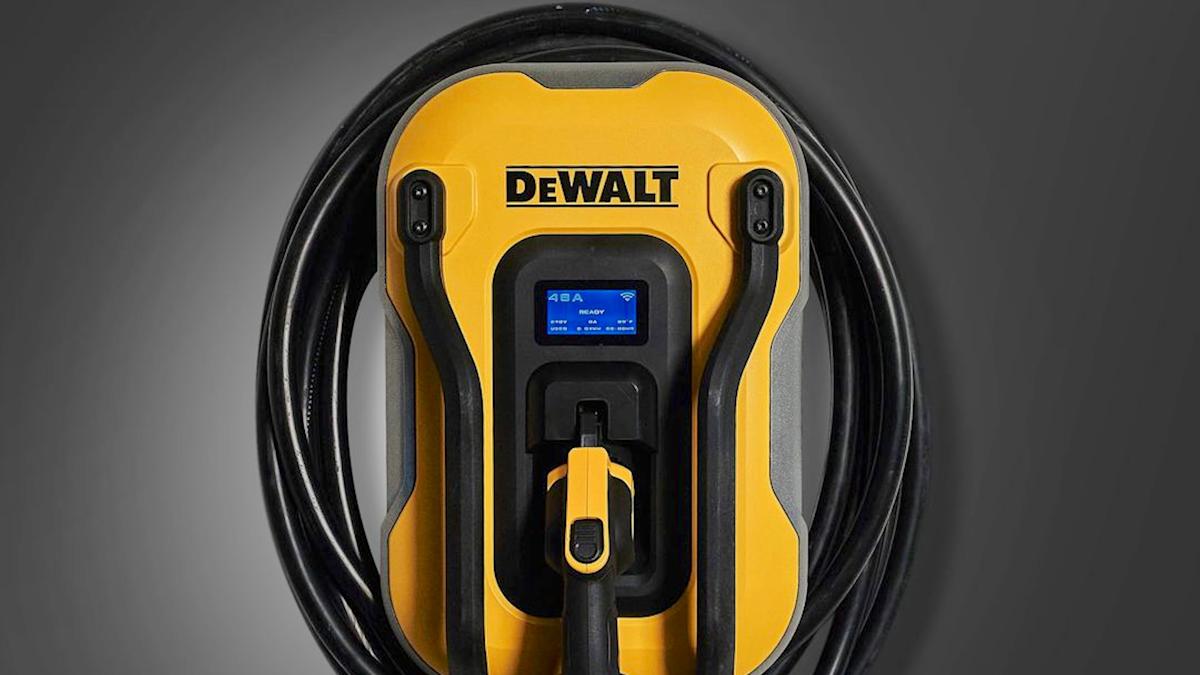
DeWalt has entered the EV charging market with a new line of home chargers that offer flexibility, affordability, and smart features, making electric vehicle charging more convenient and cost-effective for homeowners, with plans to update hardware as automakers shift to standardized plugs.
Despite efforts by the Trump administration to cut climate programs, the $5 billion EV charging station initiative from the Biden era has persisted, with over 40 states actively unlocking funds and planning new infrastructure, driven by court rulings and increasing EV adoption, although some programs remain uncertain due to policy shifts.
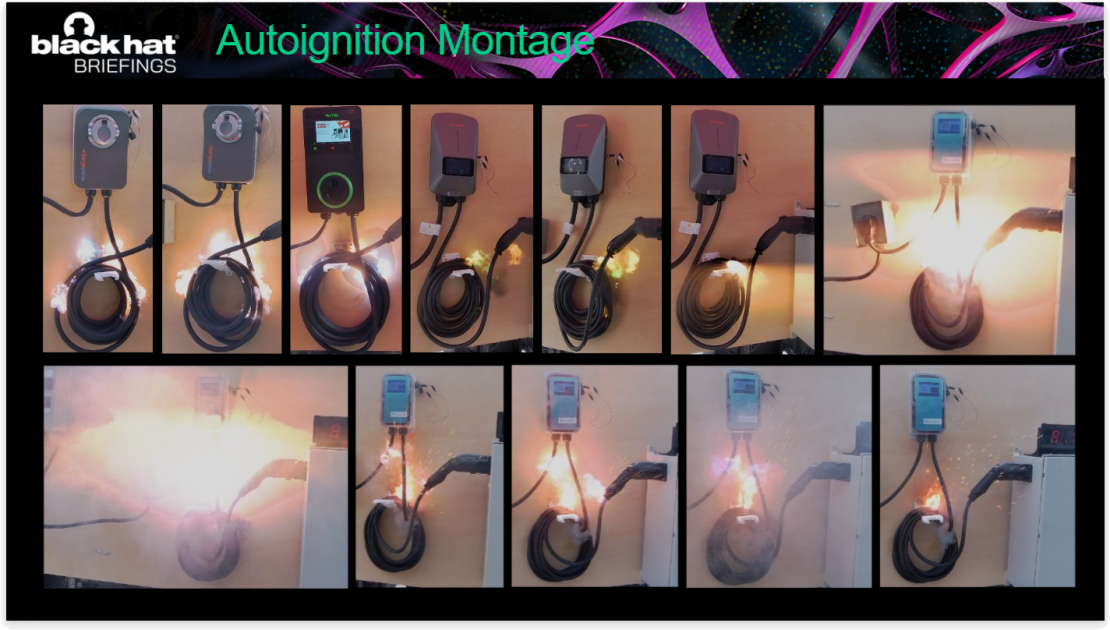
Researchers from Trend Micro demonstrated that hacking EV chargers can cause them to overheat and catch fire, posing a serious safety risk. The vulnerabilities stem from design flaws that allow physical modifications, leading to potential house fires. Experts recommend avoiding coiled cables, using shorter cords, and urging manufacturers to implement hardware-only safety mechanisms to prevent such hazards.
The Trump administration has resumed a federal program to fund high-speed EV chargers after a six-month freeze and legal challenges, streamlining requirements but causing delays and mixed reactions from stakeholders.
The Transportation Department plans to lift its freeze on federal funds for highway charging stations, promising more flexibility for states after losing a court case, in a move seen as a shift from Biden-era policies during the Trump era.
A federal judge in Washington state ordered the Trump administration to resume distributing $5 billion in federal funds for high-speed electric vehicle chargers to 14 states, challenging the administration's pause on the funds which was seen as a setback for EV infrastructure development and a dispute over the separation of powers between Congress and the executive branch.
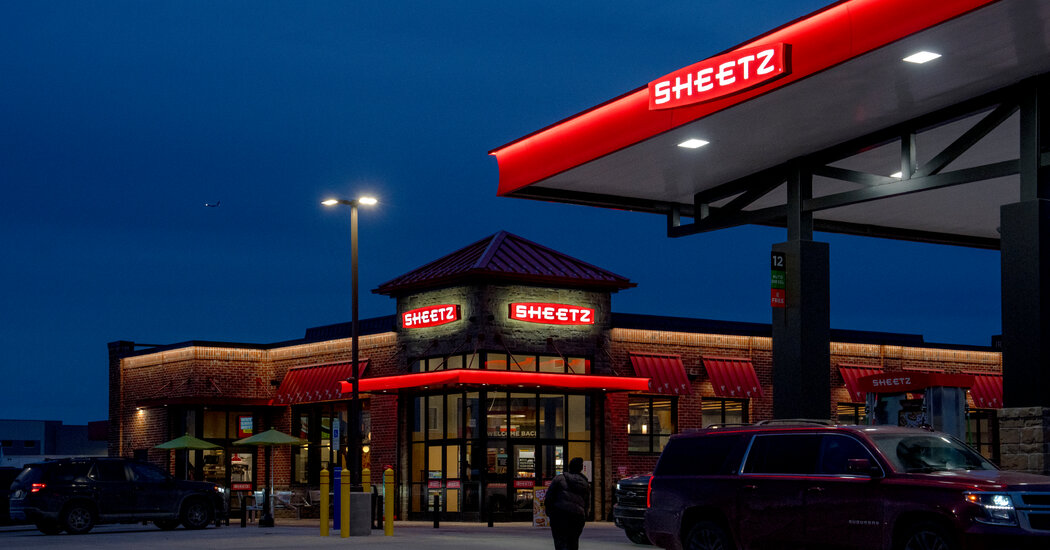
Gas stations like Wawa and Sheetz are expanding their size and adding EV chargers to accommodate the rise of electric vehicles, transforming into larger shopping centers to keep customers engaged while they wait for their cars to charge.
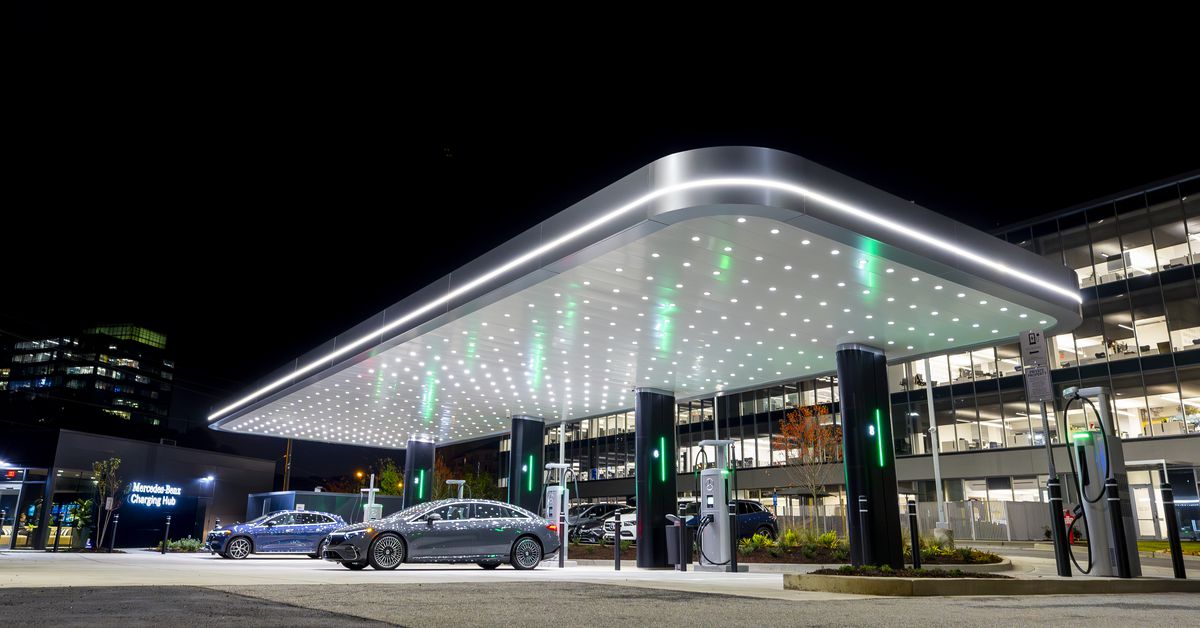
Mercedes-Benz is partnering with Starbucks to install 400kW EV chargers at 100 locations along Interstate 5, as part of its $1 billion global plan to build 2,000 new charging hubs. The project, co-funded by MN8 Energy, aims to provide convenient charging options for EV owners who can relax at Starbucks while their vehicles charge. This initiative highlights the growing trend of automakers collaborating with retail spaces to address the challenges of EV infrastructure.
Google Maps is using AI to improve the experience for electric vehicle (EV) owners by summarizing customer reviews of EV chargers, prompting users to submit feedback, and offering more accurate descriptions of chargers based on user details. The updates will also provide real-time plug availability and charging speeds, suggest charging breaks on multi-stop journeys, and include an EV charger filter in the travel search tool for finding spots with charging plugs.
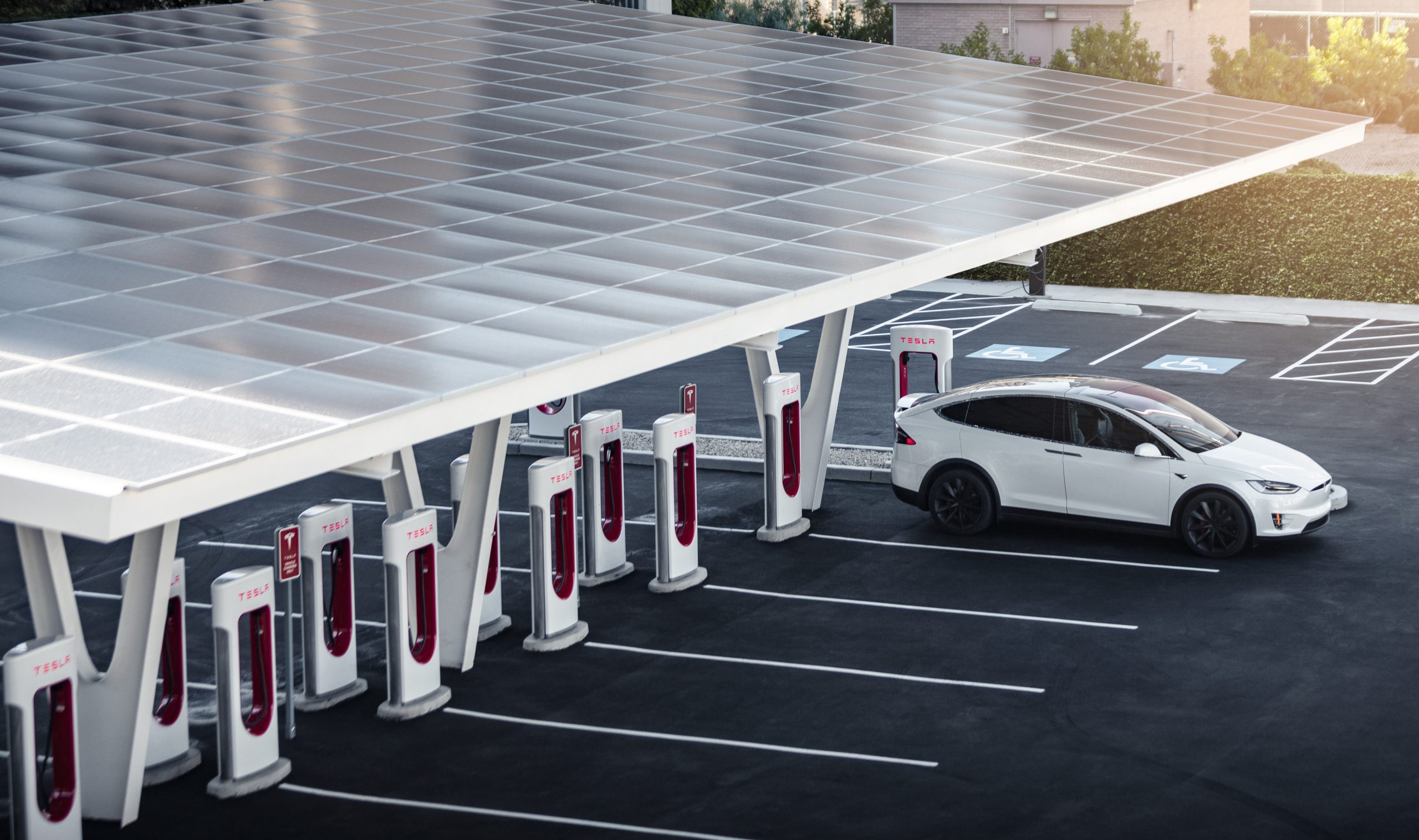
The availability of EV chargers is a critical factor in the adoption of electric vehicles, with concerns about public charging stations being the top reason for car shoppers sticking with gasoline. While the charger situation is gradually improving, the U.S. still lacks two-thirds of the fast chargers needed for the growing number of EVs on the road. Efforts to address this include a new charger network launched by seven automakers, government investment in charger infrastructure, and Tesla's network opening up to non-Tesla drivers. However, challenges such as charger reliability and accessibility in rural and low-income areas remain, indicating that more work is needed to fully support the transition to electric vehicles.
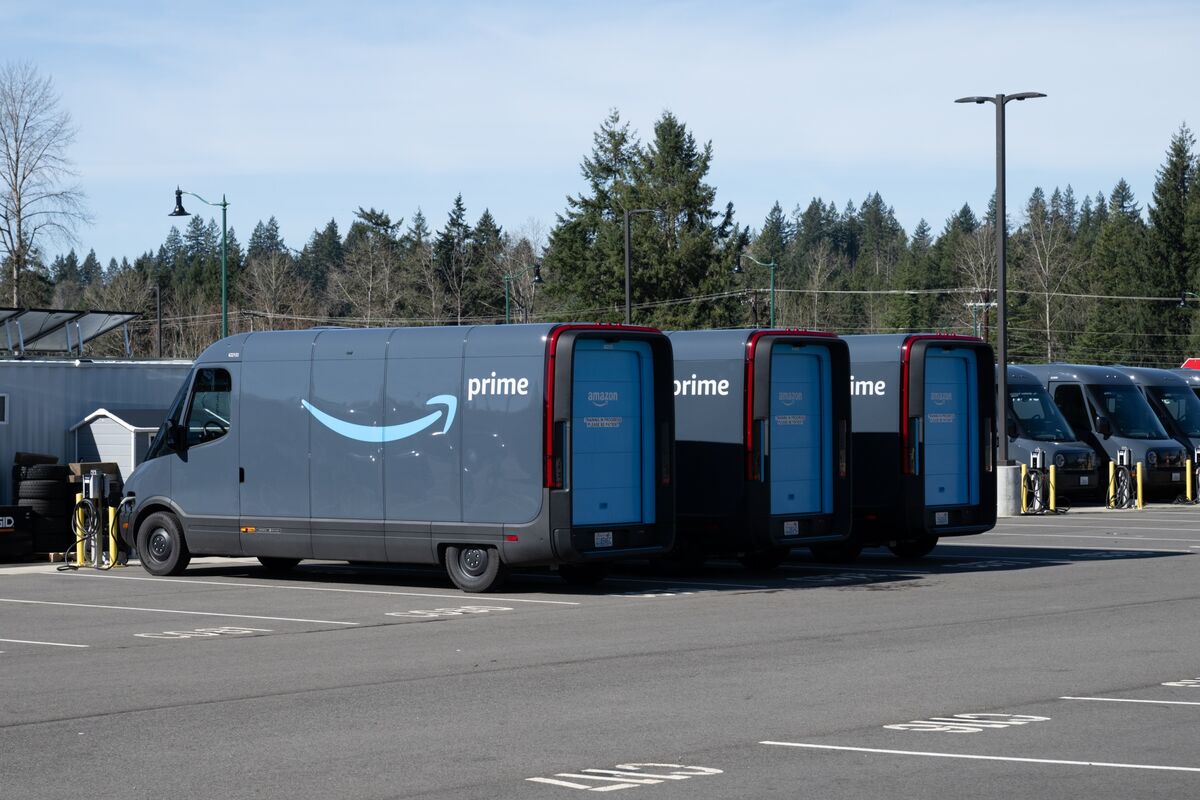
Amazon's Maple Valley warehouse in Washington is equipped with 17,000 electric vehicle chargers to support its fleet of electric vans, which are used for speedy delivery operations in the suburban Seattle area.
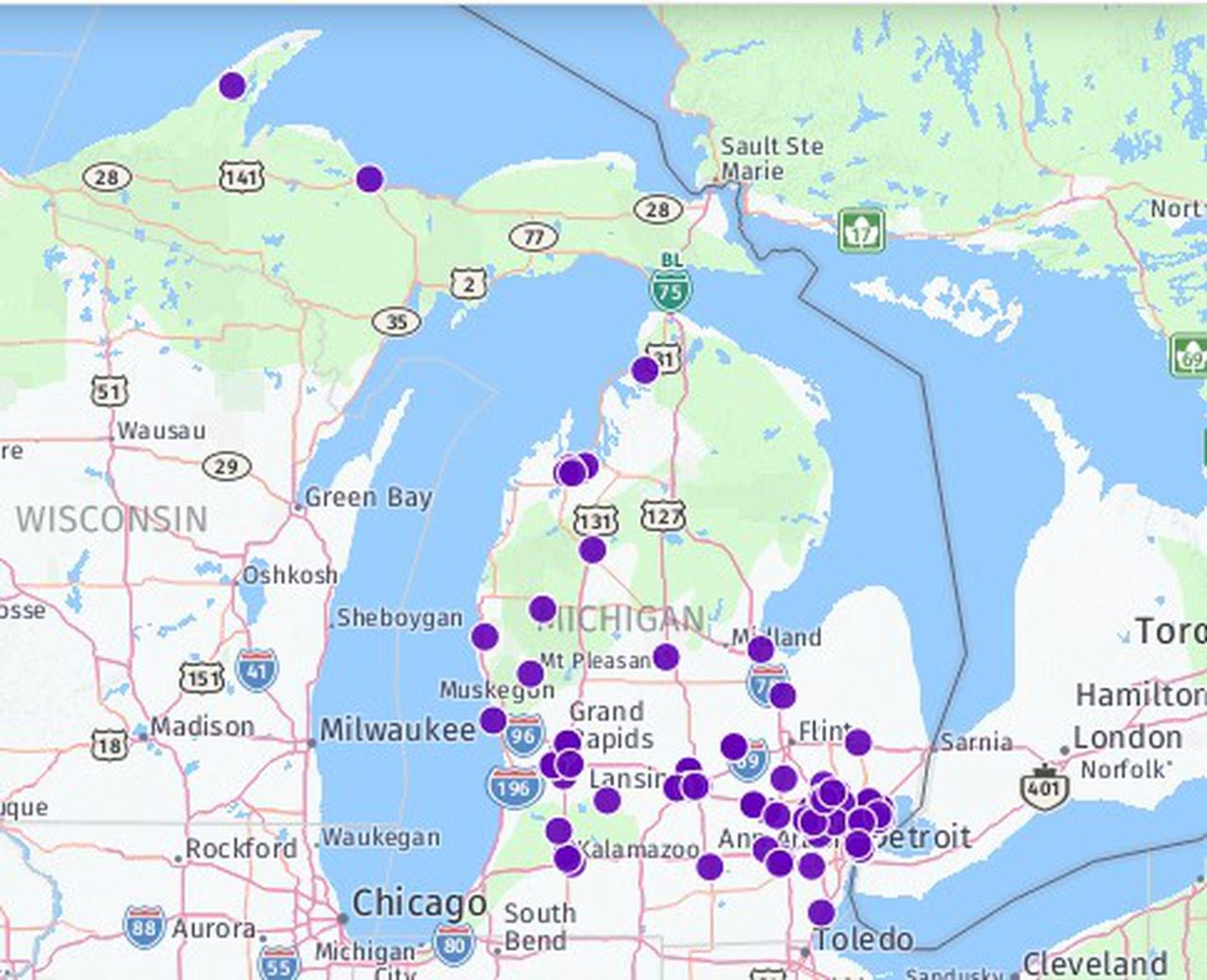
Michigan has secured $1.8 million in federal funding to repair or replace 172 non-functional electric vehicle chargers across 105 locations in the state, as part of the Electric Vehicle Charger Reliability and Accessibility Accelerator Program.
The U.S. government is allocating $325 million to enhance electric vehicle (EV) charger reliability and reduce costs, with programs aimed at repairing non-operational chargers, cutting battery costs, and deploying charging in underserved communities. This initiative is part of efforts to increase the reliability and resilience of publicly accessible chargers, advance EV technologies, and support workforce development for EV charging deployment and maintenance. The funding also includes grants to fix non-working charging equipment and proposed regulations related to tax credits for charging equipment. Various automakers and companies are part of the program, with commitments to install thousands of EV charging stations across the country.
The Biden administration's multi-billion dollar program to build EV chargers is facing obstacles such as lagging market demand, government regulations, and union requirements, leading to a slow rollout with only two stations built so far. Critics argue that the subsidies exceed market demand, and the government's focus on specific constituencies is hindering progress. Concerns also arise about the reliability of EV charging stations, with drivers experiencing issues in extreme weather conditions. Despite government incentives, the market share of EVs remains modest, prompting questions about the effectiveness of the program.