Tag

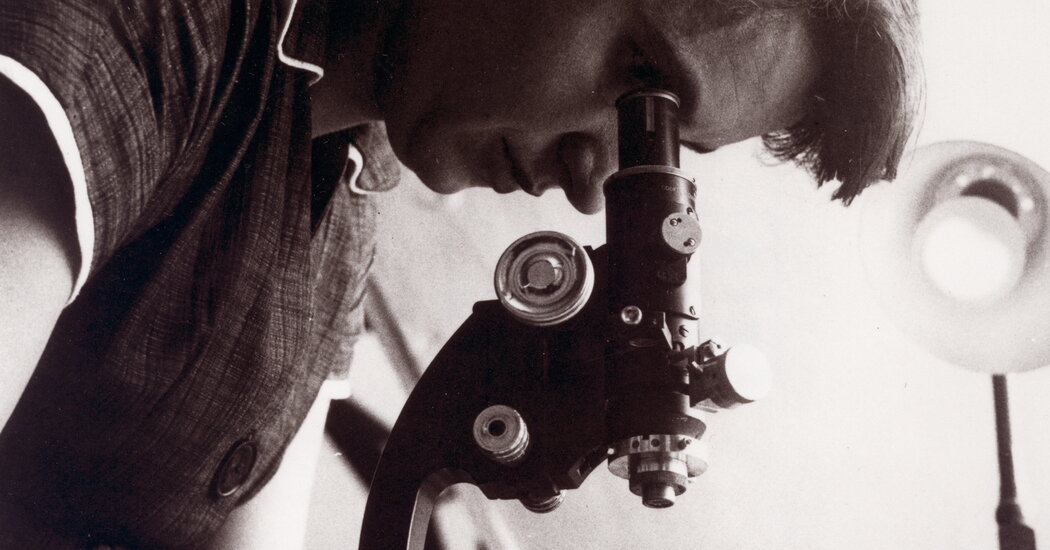
Rosalind Franklin

All articles tagged with #rosalind franklin

science2 months ago

James Watson, DNA Pioneer and Nobel Laureate, Dies at 97

James Watson, renowned for co-discovering the structure of DNA, exemplified both groundbreaking scientific achievement and problematic behavior, including sexism and lack of acknowledgment for Rosalind Franklin's crucial contributions. His legacy is complex, marked by scientific brilliance and ethical controversies, reflecting the evolving nature of scientific collaboration and integrity.
space1 year ago

"High-Resolution Map Guides European Mars Rover's Search for Ancient Life"

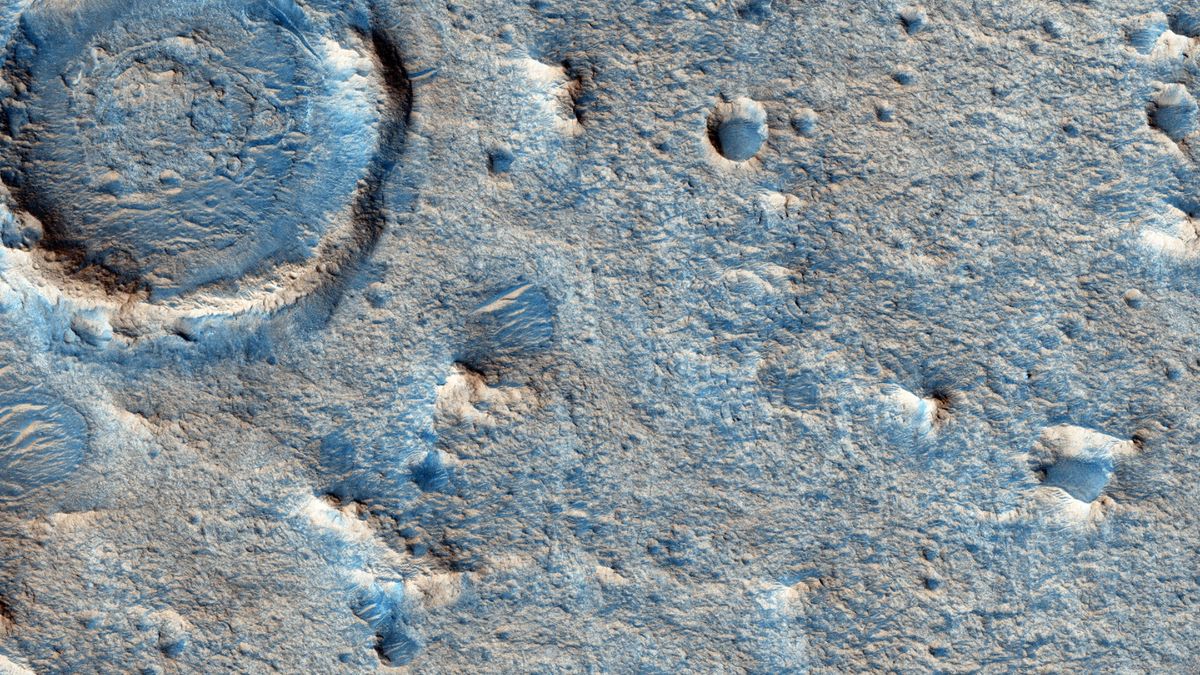
The European Space Agency's Rosalind Franklin ExoMars rover will use a newly detailed geological map of its landing zone on Mars to aid its search for ancient life. The rover's mission, delayed to October 2028 due to geopolitical events, will involve drilling into clay sediments to retrieve samples for analysis by on-board instruments. The map, created by 80 volunteers during COVID lockdown, identifies 15 specific types of geologic units in the Oxia Planum region, providing crucial guidance for the rover's journey and potential discovery of biosignatures.

science2 years ago

Rosalind Franklin's Overlooked Contribution to DNA Discovery

Newly discovered documents reveal that Rosalind Franklin was not a "wronged heroine" in the discovery of DNA's structure, but an equal contributor. A study shows that multisensory experiences can create direct neural circuits between memory regions involved with different senses, increasing memory strength in fruit flies. The Nature Briefing highlights how video calls could help parrots feel less isolated and a new method for recycling wind turbine blades.

science2 years ago

Reevaluating Rosalind Franklin's Impact on the Discovery of DNA's Structure.

Two scientists have uncovered more details about Rosalind Franklin's contribution to the discovery of DNA's double helix in an overlooked letter and an unpublished news article from the 1950s. Franklin conducted many careful measurements of her X-ray diffraction images, recording her data in an informal report. On making its way into the hands of Watson and Crick, the observations were used – without permission – to validate their theoretical model of DNA. Franklin wasn't a naive outsider following her own path. The discovery of DNA's structure was the product of two teams who often cross-checked their work.

science2 years ago

Revisiting Rosalind Franklin's Contribution to DNA Discovery.

Two historians suggest that Rosalind Franklin, an expert in X-ray imaging, was more a collaborator than just a victim in the discovery of DNA's double helix structure. While James Watson and Francis Crick did rely on research from Franklin and her lab without their permission, the historians found new details that challenge the simplistic narrative that Watson and Crick stole data from Franklin. The historians suggest that Franklin contributed more than just one photograph along the way and that the four researchers were equal collaborators in the work.

science2 years ago

Revisiting Rosalind Franklin's Contribution to DNA Discovery.

Researchers argue that the popular narrative of Rosalind Franklin's X-ray diffraction image, Photo 51, being illicitly shown to James Watson, revealing to him that DNA has a double helix and allowing him and his colleague Francis Crick to deduce the structure and claim the glory, is far from the key to the puzzle. Instead, the success of Watson and Crick was down to trial and error with calculations and cardboard models, with the importance of Photo 51 augmented by Watson in his 1968 book, The Double Helix, to add drama to the tale of the discovery.

science2 years ago

Revisiting Rosalind Franklin's Contribution to DNA Discovery

The discovery of the structure of DNA by James Watson and Francis Crick 70 years ago was a major milestone in science, but it has long been suspected that they robbed Rosalind Franklin of her contribution to the discovery. Franklin's famous photo 51 was used by Watson and Crick to find DNA's structure, but it was obtained without her knowledge. Franklin was also given insufficient credit for her work. While some argue that the situation was complex, it is clear that Franklin was robbed of her contribution to the discovery.

science2 years ago

Revisiting Rosalind Franklin's Contribution to DNA Discovery

A new opinion essay published in Nature argues that Rosalind Franklin, the British chemist and crystallographer, was an "equal contributor" to the discovery of the double helix structure of DNA, rather than a victim of scientific misconduct. The essay draws upon two previously overlooked documents in Dr. Franklin's archive, which suggest that she knew that James Watson and Francis Crick had access to her data and that she and Maurice Wilkins collaborated with them. However, the essay does not change the fact that Dr. Franklin did not receive adequate recognition for her work.

science-and-exploration2 years ago

ExoMars rover undergoes deep testing.

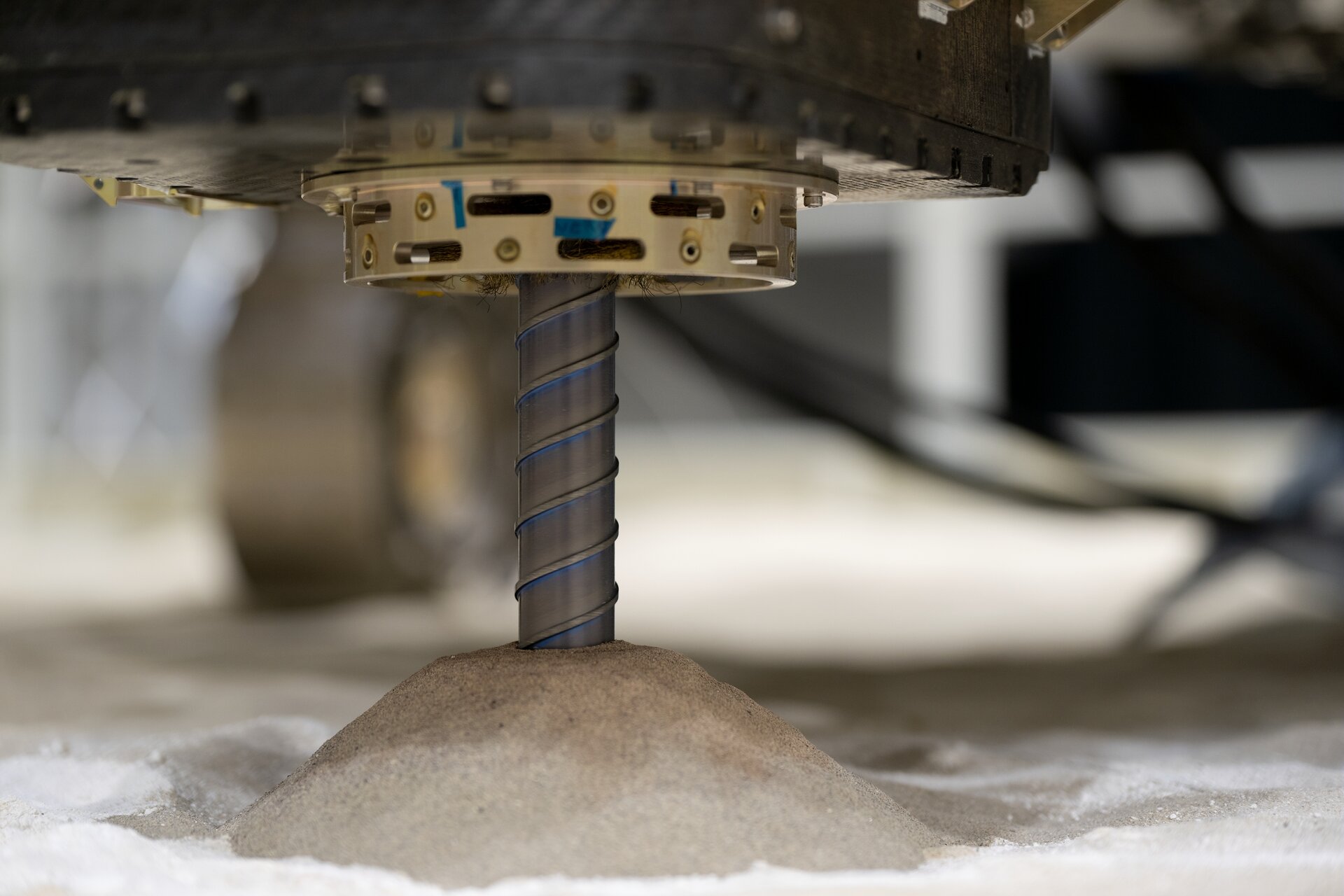
The European Space Agency's ExoMars Rosalind Franklin rover has successfully drilled down 1.7 meters into a martian-like ground in Italy, collecting samples for scientific analysis. The rover's deep drilling capabilities are crucial to answering the question of whether there was, or is, life on Mars. The targeted landing site for the rover, Oxia Planum, is an area where sediments might preserve traces of an ancient water-rich Mars environment. The mission is set to launch in 2028.

space2 years ago

ExoMars Mission Successfully Resumes Journey to Mars

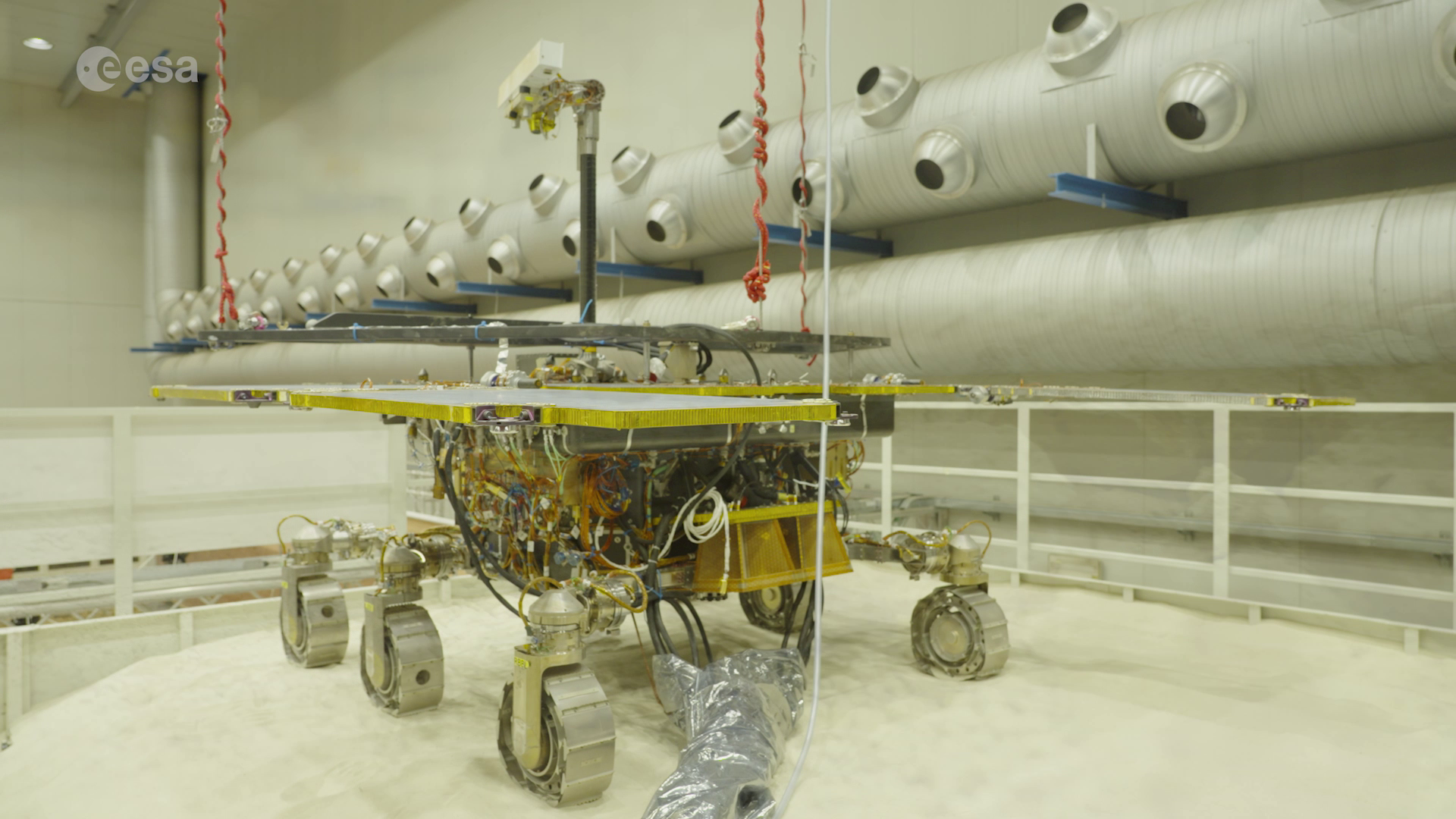
The European Space Agency's ExoMars mission, which was put on hold in 2022 due to the Russian invasion of Ukraine, is back on track with new tests being conducted on the rover's Earth twin Amalia. The Rosalind Franklin rover has unique drilling capabilities and an on-board science laboratory unrivalled by any other mission in development. The mission has been reshaped with new European elements, including a lander, and a target date of 2028 for the trip to Mars. The aim is to create an independent European capability to access the surface of Mars with a sophisticated robotic payload.