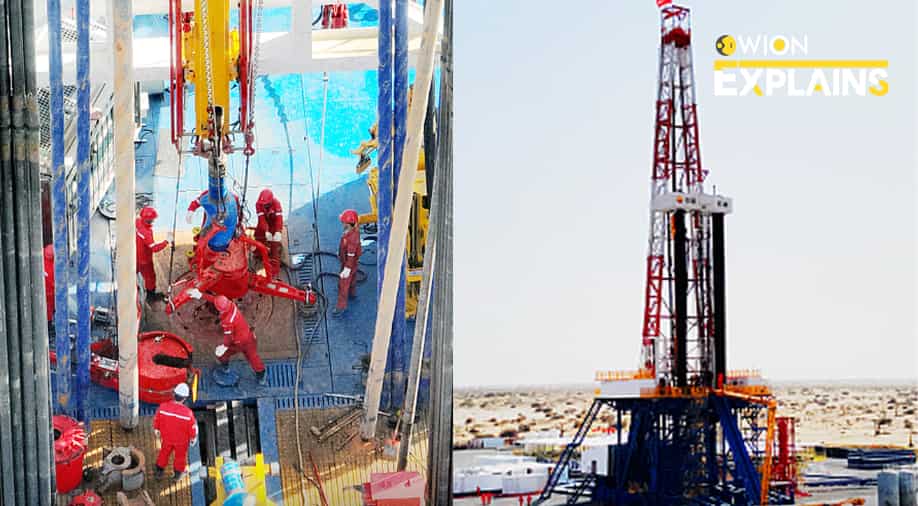
China is drilling a 6-mile-deep borehole in the Taklimakan Desert to study Earth's crust, tectonics, and ancient geological records, pushing the limits of drilling technology and expanding understanding of Earth's interior.
China has started drilling a 10,000-metre borehole in the Tarim Basin, Xinjiang province, which is the country's deepest-ever borehole. The project aims to explore areas deep beneath the Earth's surface, discover valuable minerals and energy resources, and assess the risks of environmental calamities. The drilling intends to reach the Cretaceous system, which has rocks reaching back 145 million years. The project faces challenges due to the harsh ground environment and complicated underground conditions in the Tarim Basin. The deepest man-made hole on Earth is the Russian Kola Superdeep Borehole, which was completed in 1989 at a depth of 12,262 metres.
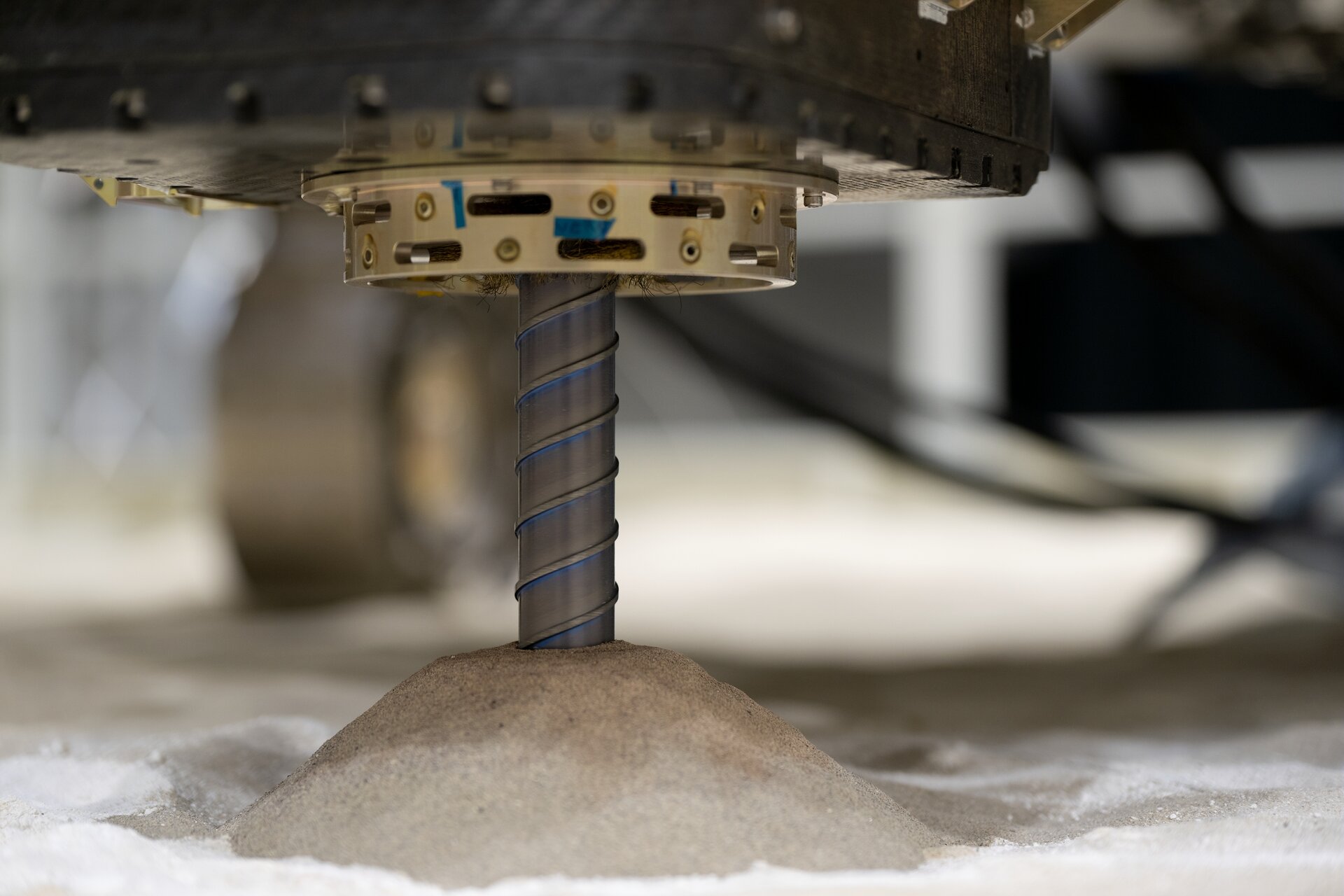
The European Space Agency's ExoMars Rosalind Franklin rover has successfully drilled down 1.7 meters into a martian-like ground in Italy, collecting samples for scientific analysis. The rover's deep drilling capabilities are crucial to answering the question of whether there was, or is, life on Mars. The targeted landing site for the rover, Oxia Planum, is an area where sediments might preserve traces of an ancient water-rich Mars environment. The mission is set to launch in 2028.