2025 has seen major medical breakthroughs including remote robotic surgery, a blood test for Alzheimer's, brain implants for ALS, advances in organ transplants, and gene editing treatments, transforming healthcare and patient outcomes.
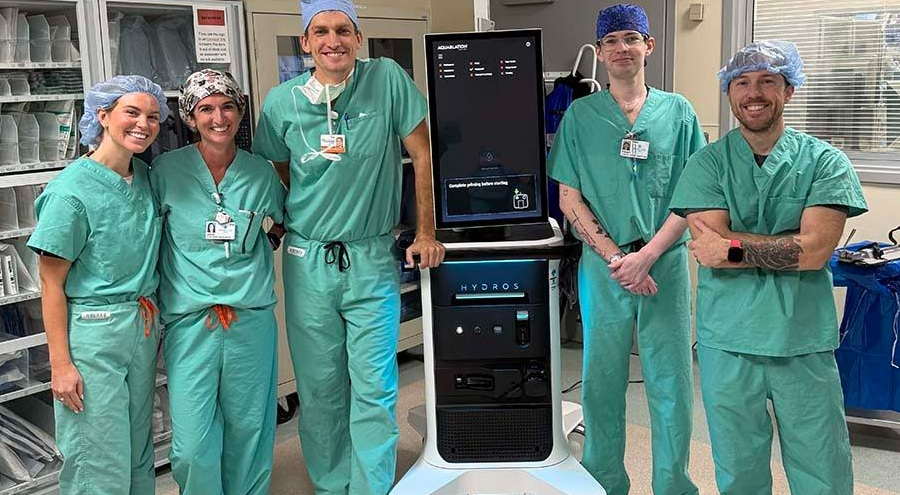
A groundbreaking robotic prostate surgery using Aquablation technology was performed at Atrium Health Floyd, offering a precise, heat-free treatment for men with enlarged prostates (BPH) that preserves urinary and sexual function, with a quick recovery time of about one week.
Zimmer Biomet is acquiring Monogram Technologies for approximately $177 million to expand its orthopedic robotics portfolio, including autonomous surgical solutions, with the goal of becoming a leader in autonomous orthopedic surgery and enhancing its global offerings. The deal is expected to be neutral to earnings in 2025-2027 and accretive thereafter, supporting revenue growth from 2027.
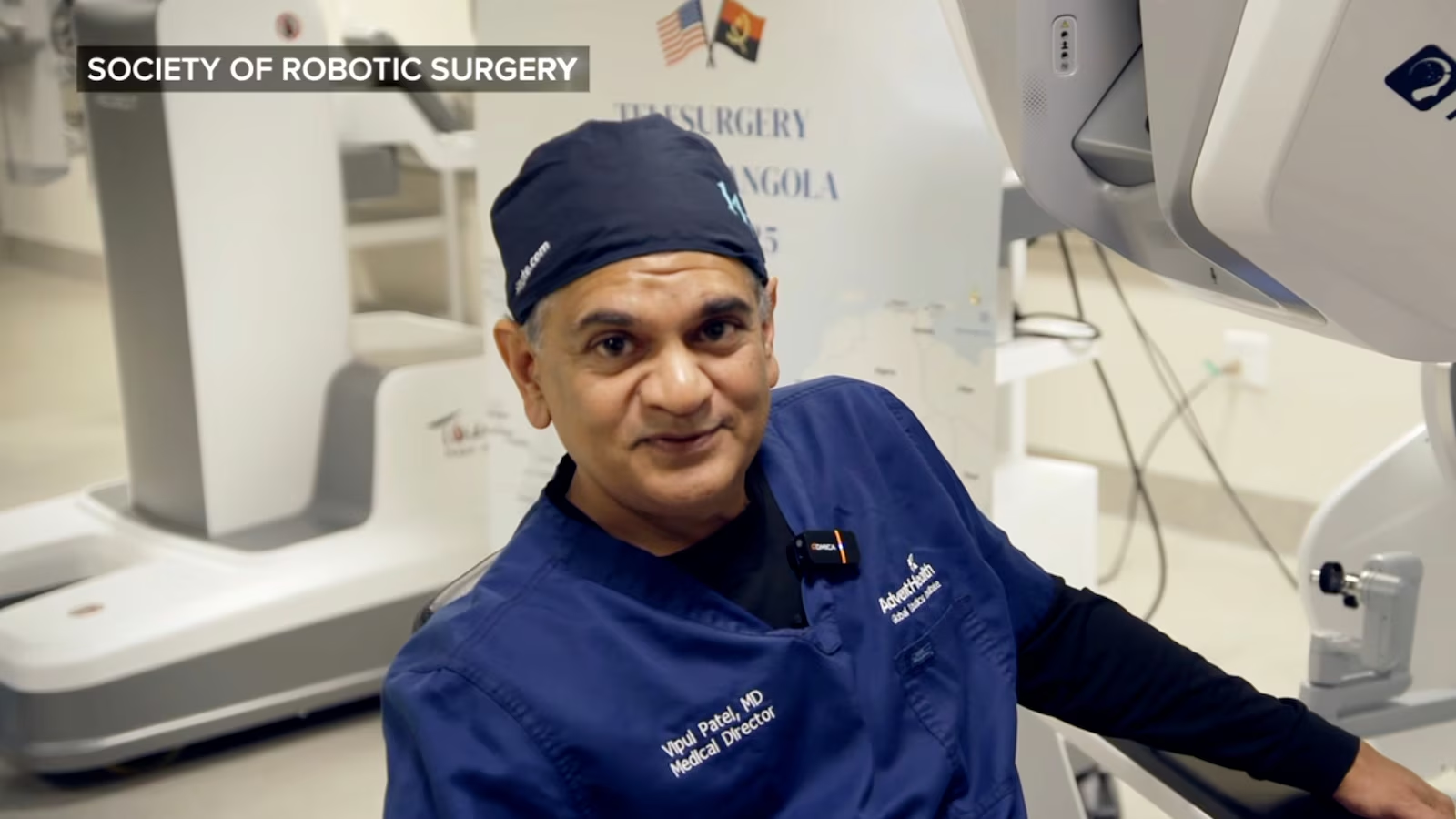
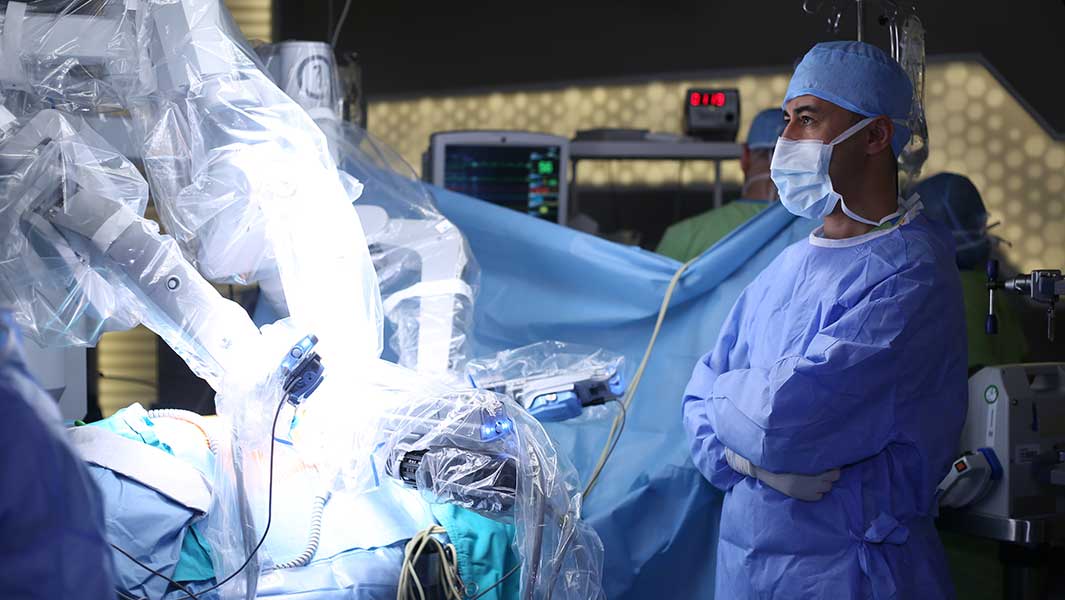
A groundbreaking FDA-approved clinical trial successfully performed the first transcontinental robotic prostate surgery, with a surgeon in Florida operating on a patient in Angola, demonstrating the potential for remote medical procedures to improve healthcare access worldwide.
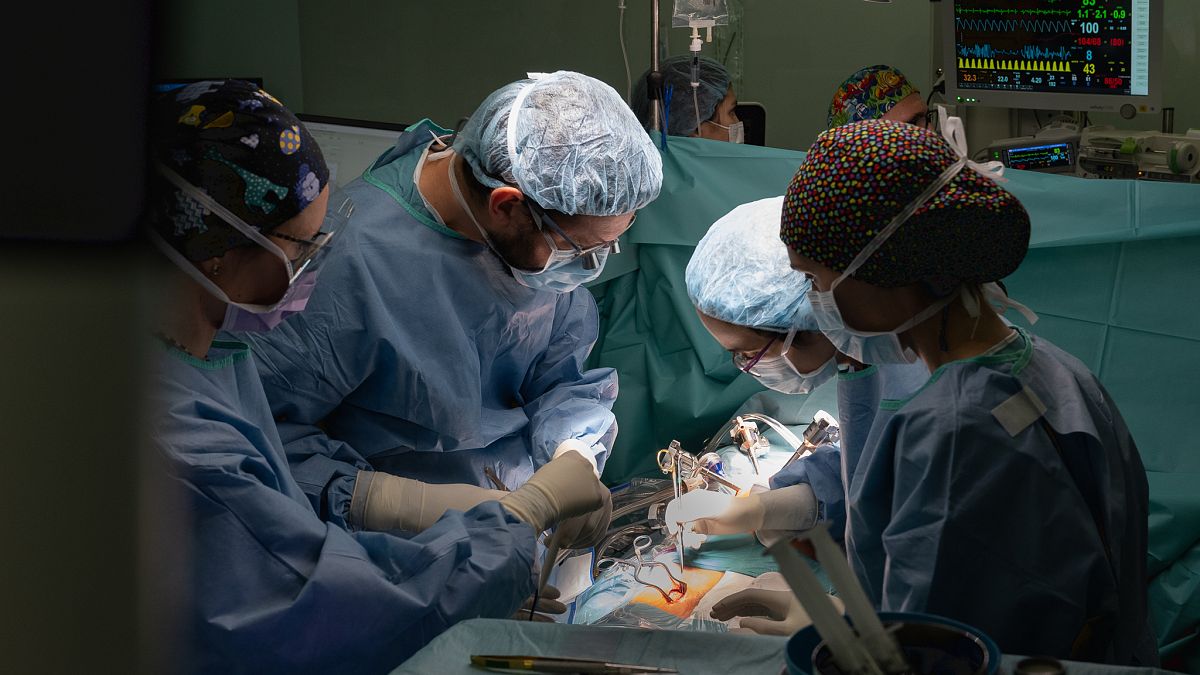
Doctors in Barcelona have performed the first robotic heart surgeries on teenagers with congenital heart disorders, marking a significant advancement in medical technology. The use of robotics in these procedures reduces invasiveness, post-operative recovery time, and aesthetic impact compared to traditional open-heart surgery. The new joint centre for congenital heart disease aims to provide comprehensive care for children with heart malformations, with a team of 23 professionals working to extend surgical techniques to the pediatric population.
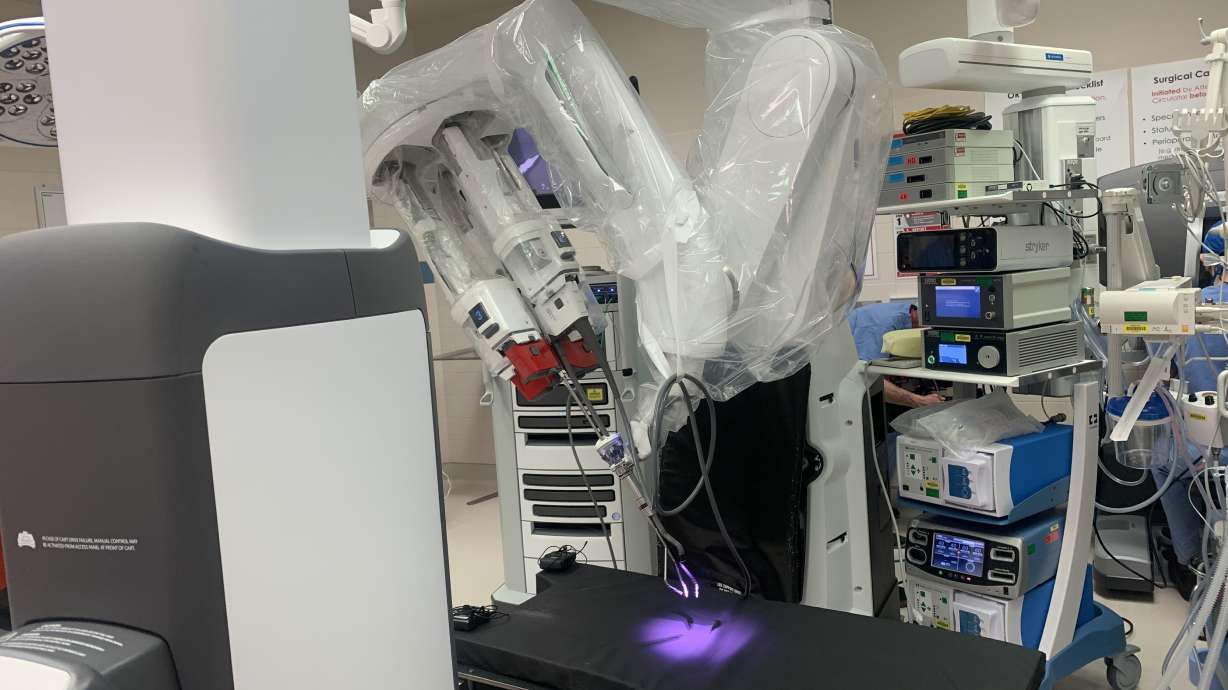
Intuitive Surgical's stock surged after receiving FDA clearance for its next-generation robotic surgery system, da Vinci 5, which promises improved accuracy, precision, and computing power compared to its predecessor, da Vinci Xi. The company plans to initially launch the system for a small number of U.S. surgeons before a broader release, aiming to gather additional data on its use. CEO Gary Guthart anticipates that the new system will lead to better patient outcomes, enhanced experiences for both patients and care teams, and reduced overall healthcare costs.
A wrongful death lawsuit alleges that a woman's small intestine was burned and torn by a robotic device during surgery for colon cancer, leading to her death. The lawsuit claims that the maker of the device, Intuitive Surgical, knew about insulation problems that could cause electricity to leak and burn internal organs but didn't disclose the risk. Intuitive Surgical has faced previous lawsuits and FDA warnings related to its da Vinci robot, with reports of injuries and deaths associated with the device.
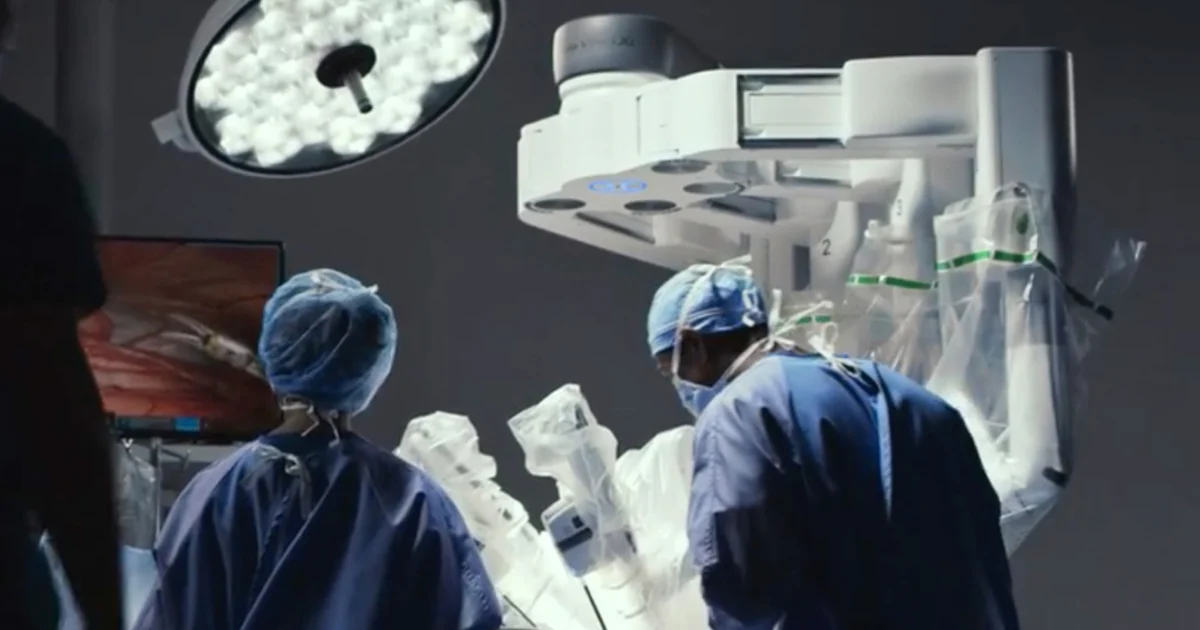
The Huntsman Cancer Institute in Utah has introduced the DaVinci SP robot for robotic surgery, the first single-port robot of its kind in the Intermountain West. Doctors believe that the new robot will lead to faster recovery and better operations for patients, particularly for oropharynx cancer and benign masses. The robot's advanced capabilities, including 3D vision and precise control, are expected to improve surgical outcomes and reduce post-operative stress for patients. The institute hopes to expand the use of the robot to benefit patients with lung, colorectal, and breast cancers in the future.
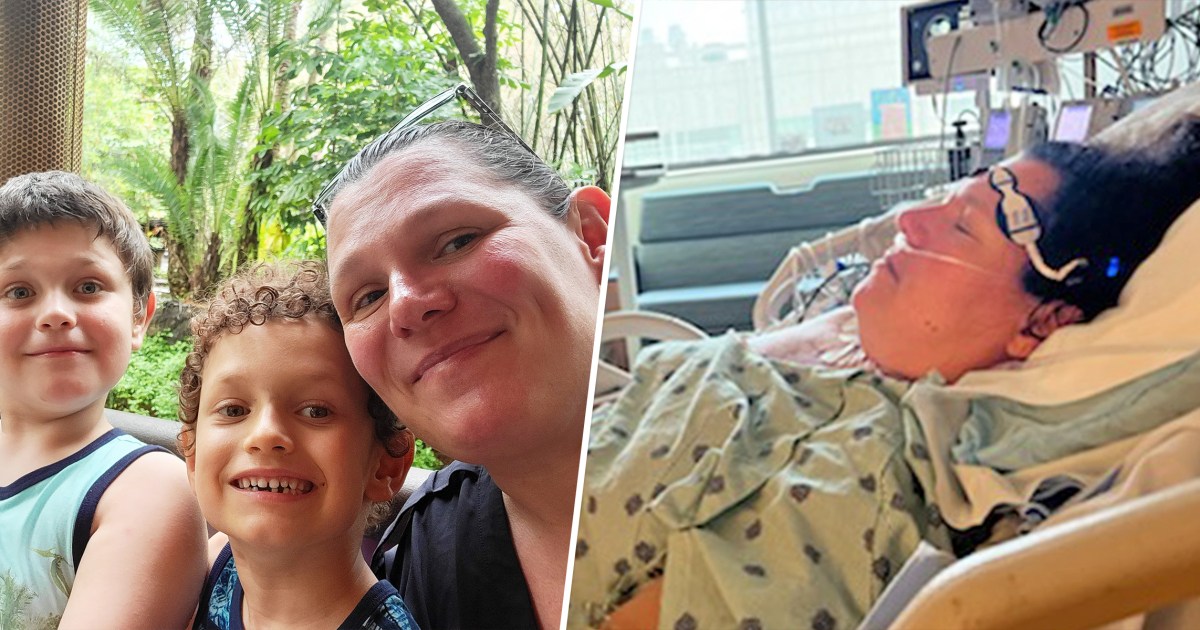
Sarah Casalan Bittle, a single mom and President of the UPS Store, Inc., nearly missed the signs of a widowmaker heart attack after experiencing indigestion and nausea following a meal. Despite being active and having no known health conditions, she suffered a 100% blockage in the main artery of her heart, leading to a life-threatening situation. After surviving a heart attack and undergoing intense medical procedures, including robotic cardiac surgery, she now advocates for awareness of heart attack symptoms in women and encourages patients to voice their preferences for less invasive treatment options.
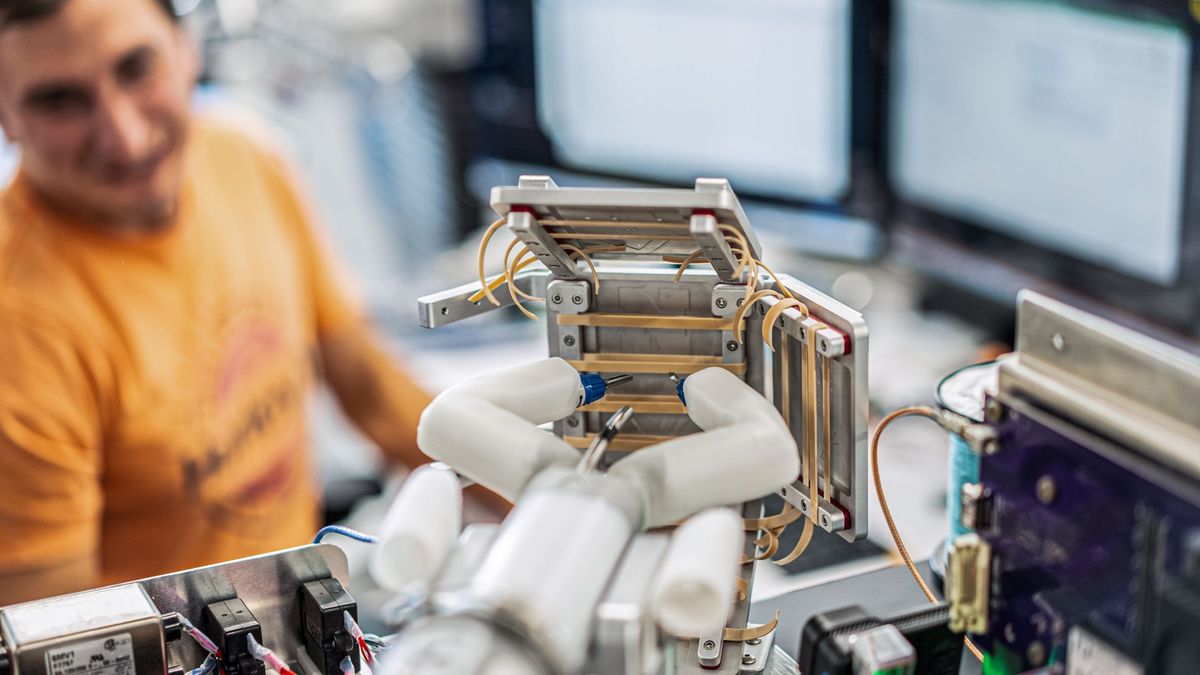
A miniaturized robotic assisted surgery system, MIRA, is set to be sent to the International Space Station (ISS) to conduct simulated surgical procedures on rubber bands. Developed by Virtual Incision, the robot is designed to communicate with human doctors on Earth and perform medical procedures with high accuracy. The mission aims to advance space-based medical treatment for future crewed space missions, such as NASA's Artemis Program, and potentially benefit remote surgery on Earth. Other experiments heading to the ISS include a robotic arm, a 3D-printer for metal parts, a study on bone loss in microgravity, and research on plant microbes and artificial retinas.
The use of a complex and risky surgical procedure called component separation for hernias has surged in recent years, leading to disfigurement and complications for many patients. Surgeons, including some who learned the procedure from online videos and social media, are attempting component separations when they aren't necessary or appropriate. The procedure, which involves cutting the abdominal muscles to create slack, is technically difficult and can result in devastating complications if not performed correctly. The rise in component separations is driven in part by financial incentives, as the procedure earns doctors and hospitals significantly more money than simpler hernia repairs. Medical device companies, such as Intuitive, have also played a role in promoting the procedure and training surgeons to use their robotic systems for component separations. The lack of proper oversight and training has led to a high rate of complications and mistakes, leaving patients with long-lasting pain and disfigurement.
Intuitive Surgical, a leading robotic surgery company, reported better-than-expected third-quarter profit but fell short on sales, causing its stock to plummet. While the company saw a 19% growth in the number of procedures using its da Vinci robotic surgery systems, sales missed forecasts. The stock drop comes amid pressure from competitors in the bariatric surgery field and uncertainty in the market.
Intuitive Surgical reported better-than-expected sales and profit for the second quarter, but its stock fell as the number of installed da Vinci robotic surgery systems fell short of forecasts. The company's installed base increased by 12.5% to 8,042 globally, missing expectations of 8,203. Despite this, sales rose 15% to $1.76 billion, beating predictions, and adjusted profit increased by nearly 25% to $1.42 per share. Procedures using the da Vinci systems increased by 22%, contributing to strong sales of instruments and accessories.
Surgeons at Washington University School of Medicine in St. Louis have successfully performed the first-ever robotic liver transplant in the United States. The procedure, carried out in May 2023, was a success, with the patient recovering without complications. The surgery marks a significant advancement in the field of medical surgery.
Intuitive Surgical, the leader in robotic surgery, reported a 26% surge in procedures completed using its da Vinci system during the first quarter of 2021, beating expectations and pushing ISRG stock up 8.8%. Revenue from instruments and accessories climbed 22% to $986 million, driven by the strong increase in da Vinci procedures. Despite Covid-19 negatively impacting procedure volumes in China, Intuitive Surgical's overall revenue jumped 14% to $1.7 billion.