About 25% of men will develop an enlarged prostate by age 50, with risk increasing with age. Early lifestyle modifications such as a healthy diet, regular exercise, stress management, and early screenings can help prevent or manage benign prostatic hyperplasia (BPH), reducing urinary problems and improving quality of life.
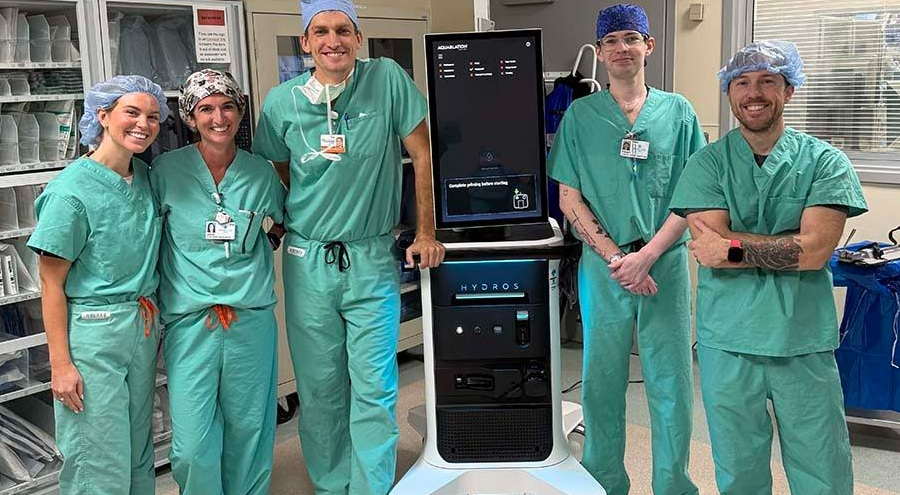
A groundbreaking robotic prostate surgery using Aquablation technology was performed at Atrium Health Floyd, offering a precise, heat-free treatment for men with enlarged prostates (BPH) that preserves urinary and sexual function, with a quick recovery time of about one week.
King Charles III underwent a successful procedure for an enlarged prostate, raising awareness of the non-cancerous condition. Benign prostatic hyperplasia (BPH) causes symptoms such as difficulty urinating and frequent urination. Treatment options range from lifestyle changes and medication to various surgical procedures, each with its own considerations and potential complications. The king's experience aims to encourage men to seek medical attention for prostate health concerns.
King Charles III announced he will undergo a corrective procedure for benign prostatic hyperplasia (BPH), leading to increased interest in prostate enlargement treatment options. UMass Memorial and St. Vincent Hospital in Worcester offer the AquaBeam Robotic System, a surgical robot using automated tissue resection to treat BPH. The procedure, known as aquablation, has shown promising results, with patients typically discharged the following day. It's important for men over 50 to pay attention to lower urinary tract symptoms and seek medical advice if experiencing any issues. The announcement of King Charles III's diagnosis has sparked conversations among patients, but it's too early to determine if it will lead to increased screenings in the U.S.