FEMA employees warned Congress that the Trump administration has reversed progress in disaster response made since Hurricane Katrina, including plans to scale down FEMA and shift more disaster costs to states, raising concerns ahead of the storm's 20th anniversary.
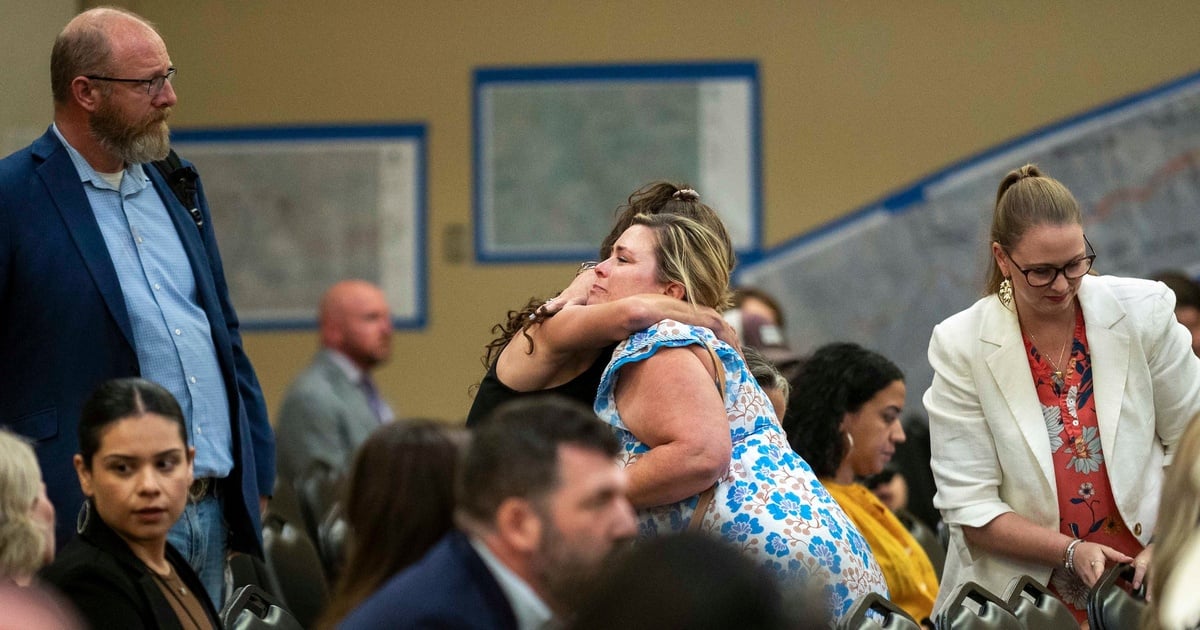
Flood survivors in Texas recounted feelings of neglect and fear during a hearing, highlighting issues such as delayed emergency response, inadequate warning systems, and concerns over the handling of human remains, as lawmakers scrutinized disaster management efforts.
During a public hearing in Kerrville, Texas, flood survivors and lawmakers criticized local officials for disorganization and communication failures during the July 4 floods that caused over 130 deaths, highlighting issues with emergency preparedness, warning systems, and response efforts amid the devastating event.
Kerr County's emergency manager testified that he was sick and asleep during the deadly July 4 flash floods in Texas, which killed at least 135 people, highlighting concerns over preparedness and response. Residents recounted harrowing escapes and ongoing recovery challenges, with calls for improved disaster management and resources.
Kerr County's emergency management coordinator admitted he was sick and sleeping during the July 4 floods that caused 108 deaths, raising questions about the county's response and warning systems amid criticism from officials and residents. The hearing highlighted failures in timely alerts and the need for improved flood warning infrastructure.
Messages from Kerrville officials reveal initial focus on local events and confusion during the July flood, highlighting challenges in emergency response and warning systems amid a devastating storm that caused multiple fatalities and widespread damage along the Guadalupe River.
Legislation called the FEMA Act of 2025 has been introduced by U.S. House leaders to overhaul FEMA, making it a cabinet-level agency again, streamlining disaster response, reducing red tape, and increasing accountability and efficiency in federal disaster aid and recovery efforts.
Texas lawmakers held a lengthy hearing to scrutinize the state's response to recent deadly floods, criticizing the lack of a comprehensive flood warning system, inadequate emergency training for local officials, and poor communication infrastructure, while discussing potential improvements and funding needs to better prepare for future disasters.
Texas officials defended their response to the July 4 floods that caused at least 136 deaths, emphasizing the role of local emergency managers and highlighting issues with weather forecast specificity and communication. The hearing revealed concerns about training, credentialing, and alert systems, with some officials suggesting improvements while avoiding direct blame for the disaster.
FEMA chief Richardson made a rare public appearance in Texas amid criticism for his absence during catastrophic flooding, meeting with emergency responders and observing response efforts, raising questions about his role in the disaster management.
President Trump visited flood-affected Texas, praising the response and signing an emergency declaration, amid ongoing uncertainty about FEMA's future and its role in disaster management, with local officials emphasizing community-led efforts and potential improvements in alert systems.
A former Texas county commissioner advocates for implementing a flood warning system with sirens, arguing it could save lives and is cost-effective, especially after recent devastating floods that resulted in over 100 deaths. He emphasizes that modern technology, including digitized topographical maps and AI, can enhance flood prediction and warning capabilities, and suggests that such systems could be rapidly deployed across the U.S. to improve disaster preparedness.
Severe flooding in Texas exposed staffing shortages at the National Weather Service, with key vacancies potentially hindering coordination with local emergency officials during critical flood events, amid debates over forecast accuracy and preparedness.
The acting FEMA chief, David Richardson, reportedly joked about not knowing the U.S. has a hurricane season during a staff meeting, raising concerns about his experience in emergency management amid the start of the hurricane season.
The Bay Area is preparing for five days of rain from an atmospheric river storm, with the North Bay potentially exceeding its seasonal averages. While minor urban flooding is possible, major rivers like the Russian River are not expected to reach critical levels. San Francisco is unlikely to experience significant flooding unless drains are blocked. Residents are advised to prepare for rainy and windy conditions by securing loose items and avoiding flooded areas. Emergency management officials recommend staying home to avoid potential hazards like downed trees and power lines.