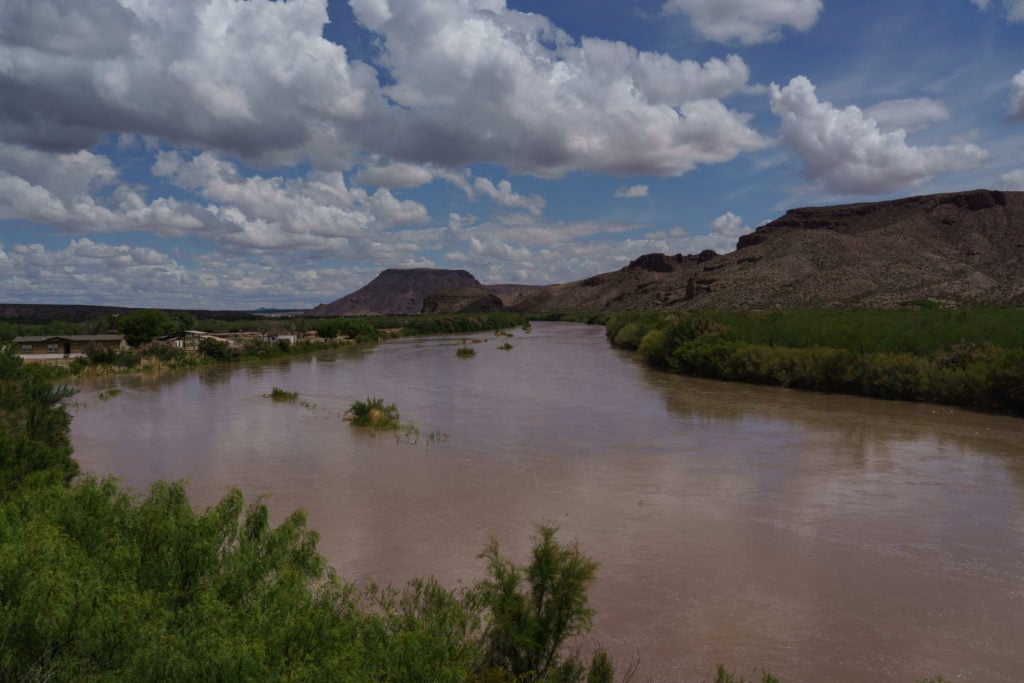
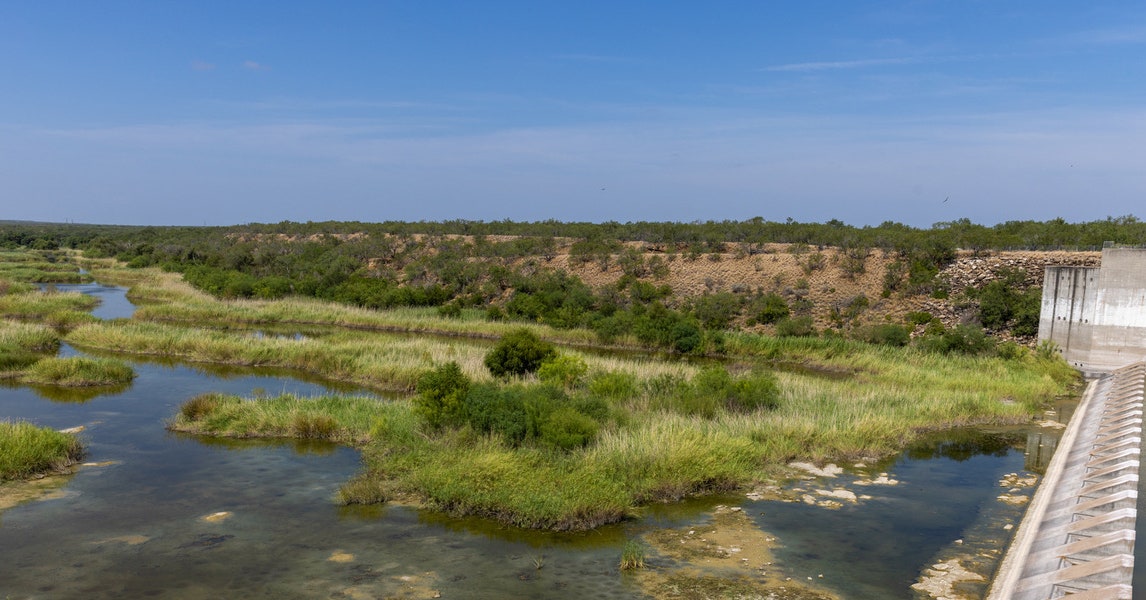
The Rio Grande River is critically dry, prompting a potential resolution to a long-standing water dispute between New Mexico, Texas, and Colorado through new settlement proposals aimed at managing groundwater and ensuring water delivery, amid worsening drought conditions and shrinking reservoirs.
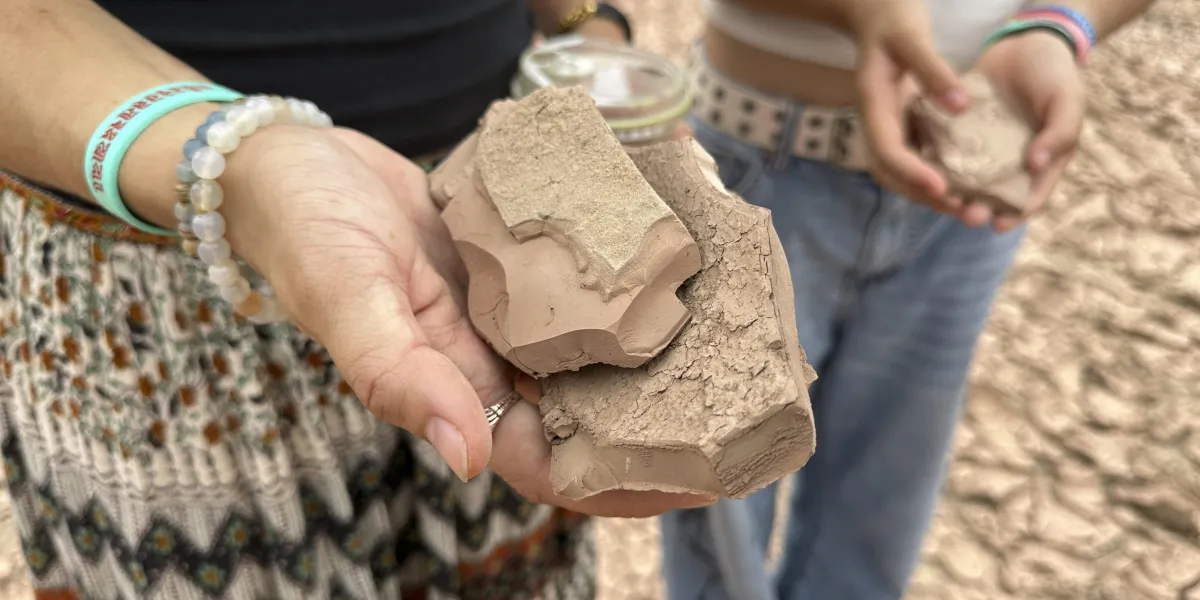
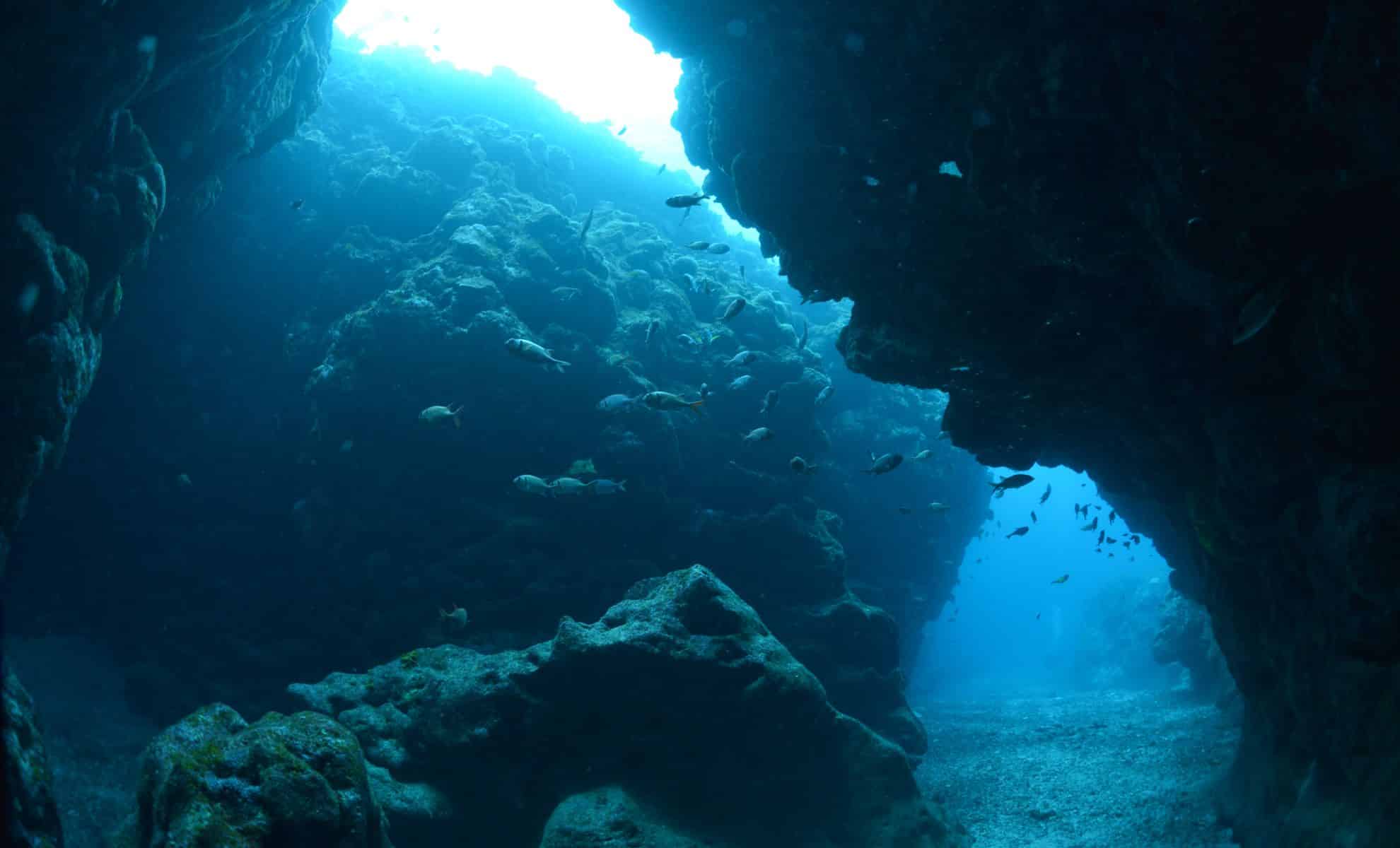
Scientists discovered an ancient underwater island near the Rio Grande rich in rare earth elements, which could provide new insights into Earth's history, ancient civilizations, and supply critical resources for modern technology.
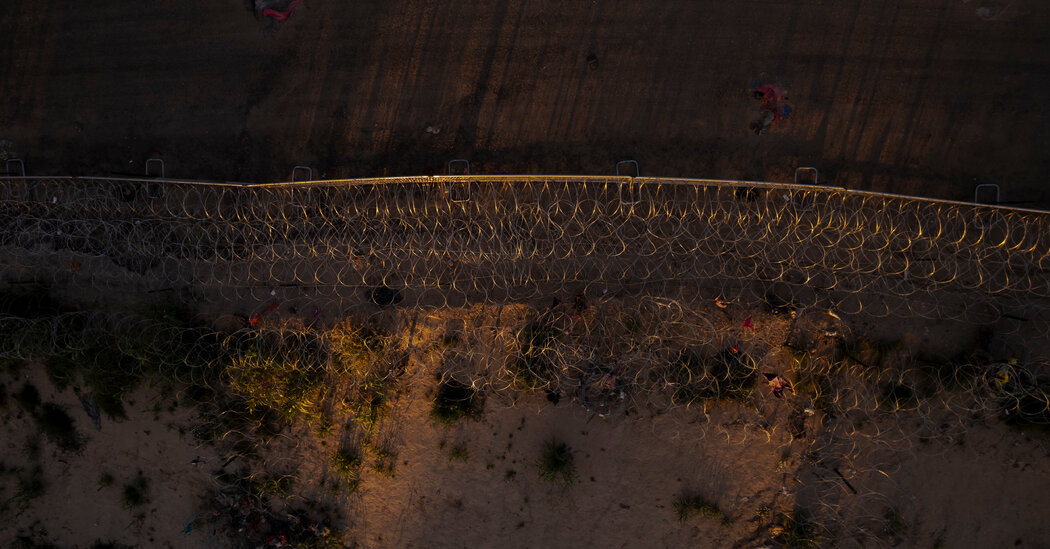
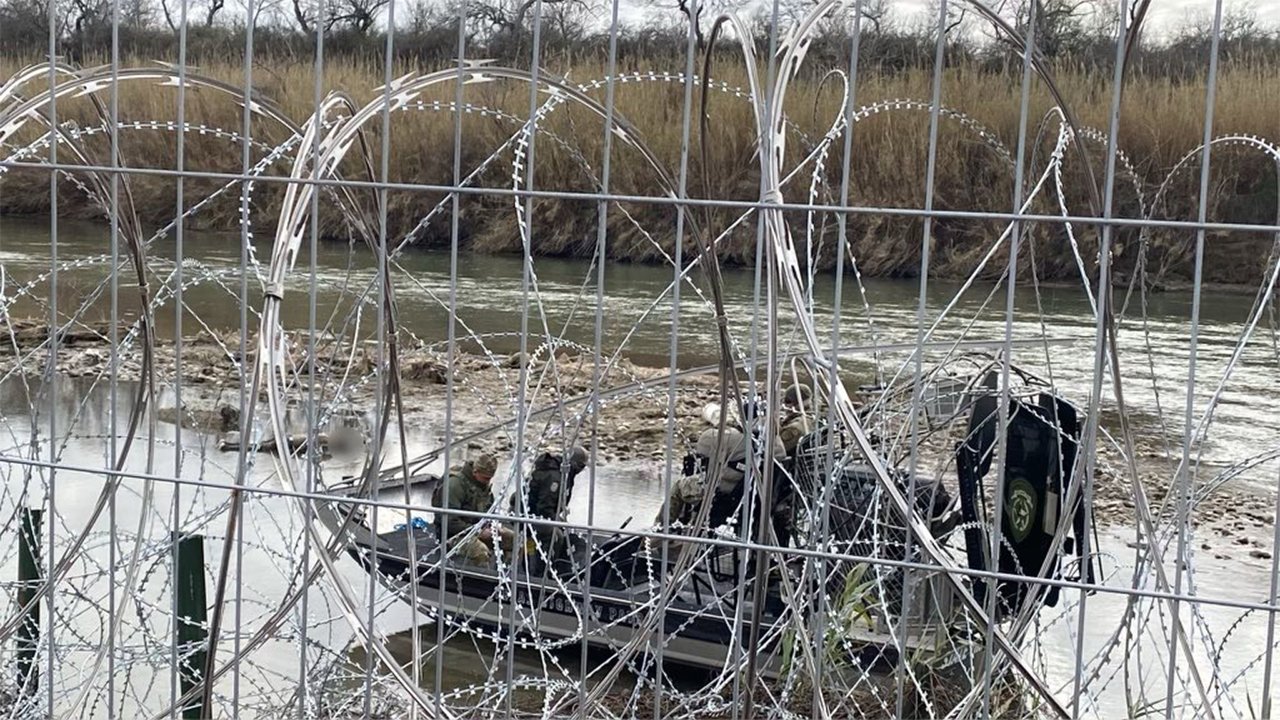
A U.S. appeals court has once again blocked the federal government from removing concertina wire installed by Texas along the Rio Grande border. This decision is part of an ongoing legal battle over state and federal authority in managing border security measures.
The Supreme Court has rejected a settlement between Texas and New Mexico over the management of the Rio Grande, citing federal concerns about New Mexico's water use. The 5-4 decision emphasized the need for federal involvement, with dissenting justices warning of potential economic harm to New Mexico. The ruling sends the states back to negotiations to find a sustainable solution.
The Supreme Court has rejected a proposed settlement between New Mexico, Texas, and Colorado over the management of the Rio Grande's water. The 5-4 decision found that the federal government's claims about New Mexico's water use were not addressed by the settlement. The agreement, recommended by a federal judge, aimed to resolve the conflict by ensuring New Mexico delivers the required water to Texas, but the federal government objected to the lack of specific water use limitations in New Mexico.
The Supreme Court has rejected a settlement between New Mexico, Texas, and Colorado over the management of the Rio Grande, citing unresolved federal claims about New Mexico's water use. The proposed agreement aimed to address water-sharing conflicts and required New Mexico to reduce its Rio Grande water usage, but faced objections from the federal government and concerns from some New Mexico lawmakers.
Texas is facing severe water scarcity due to consecutive summers of heat and drought, with reservoirs in regions like far-south Texas and Corpus Christi at dangerously low levels. The situation is exacerbated by industrial water consumption exemptions, homebuilding booms, and international water sharing issues with Mexico. Climate change is expected to worsen these extreme conditions, and without significant rainfall, the state is bracing for a potentially devastating summer.
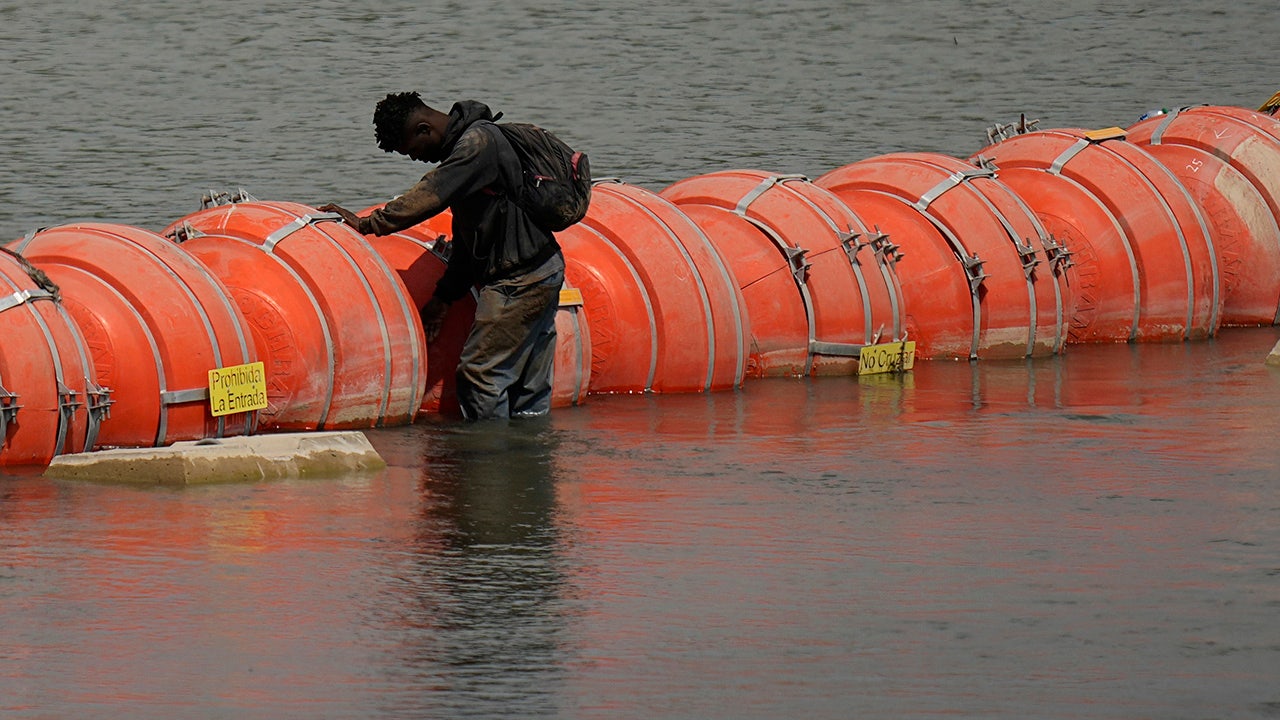
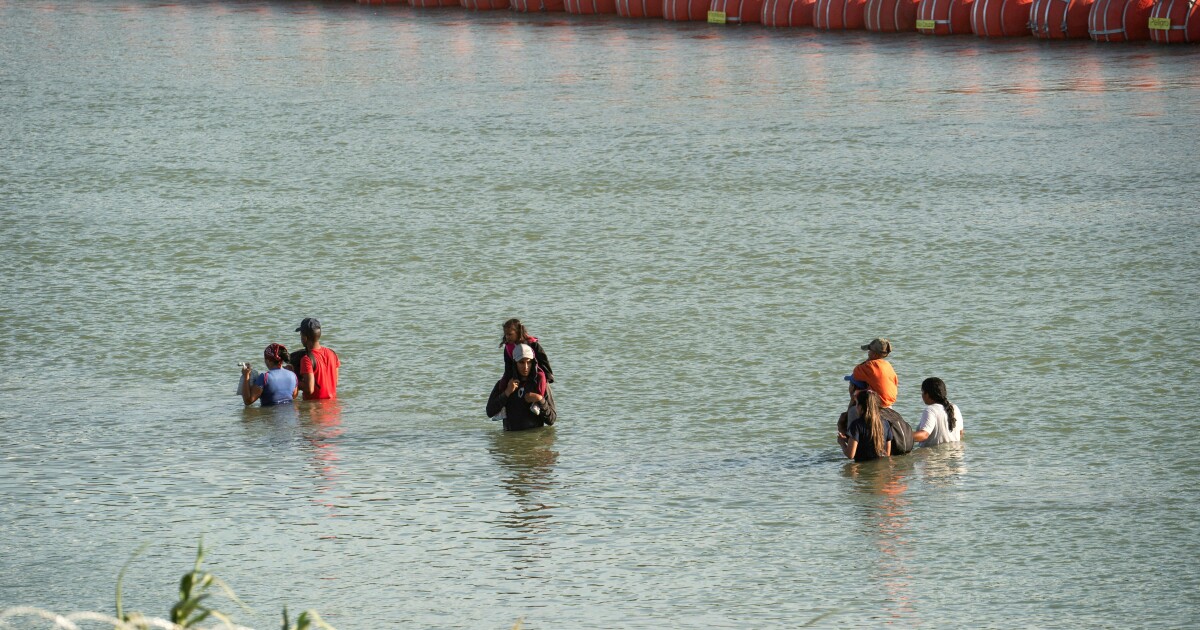
The Texas Department of Public Safety announced the discovery of a deceased migrant who attempted to cross the Rio Grande in Eagle Pass. The department's Tactical Marine Unit recovered the body, adding to the roughly 2,300 illegal immigrant deaths in the last three years attributed to drownings, heat exhaustion, vehicle accidents, and harsh environmental conditions. Texas DPS spokesperson emphasized the need for a federal response to prevent such tragedies and stated that Texas is using preventive measures to deter illegal border crossings. This comes after recent accusations and investigations regarding the responsibility for the deaths of three migrants in the Rio Grande, with conflicting claims between federal officials, U.S. Rep. Henry Cuellar, and the Texas Military Department.
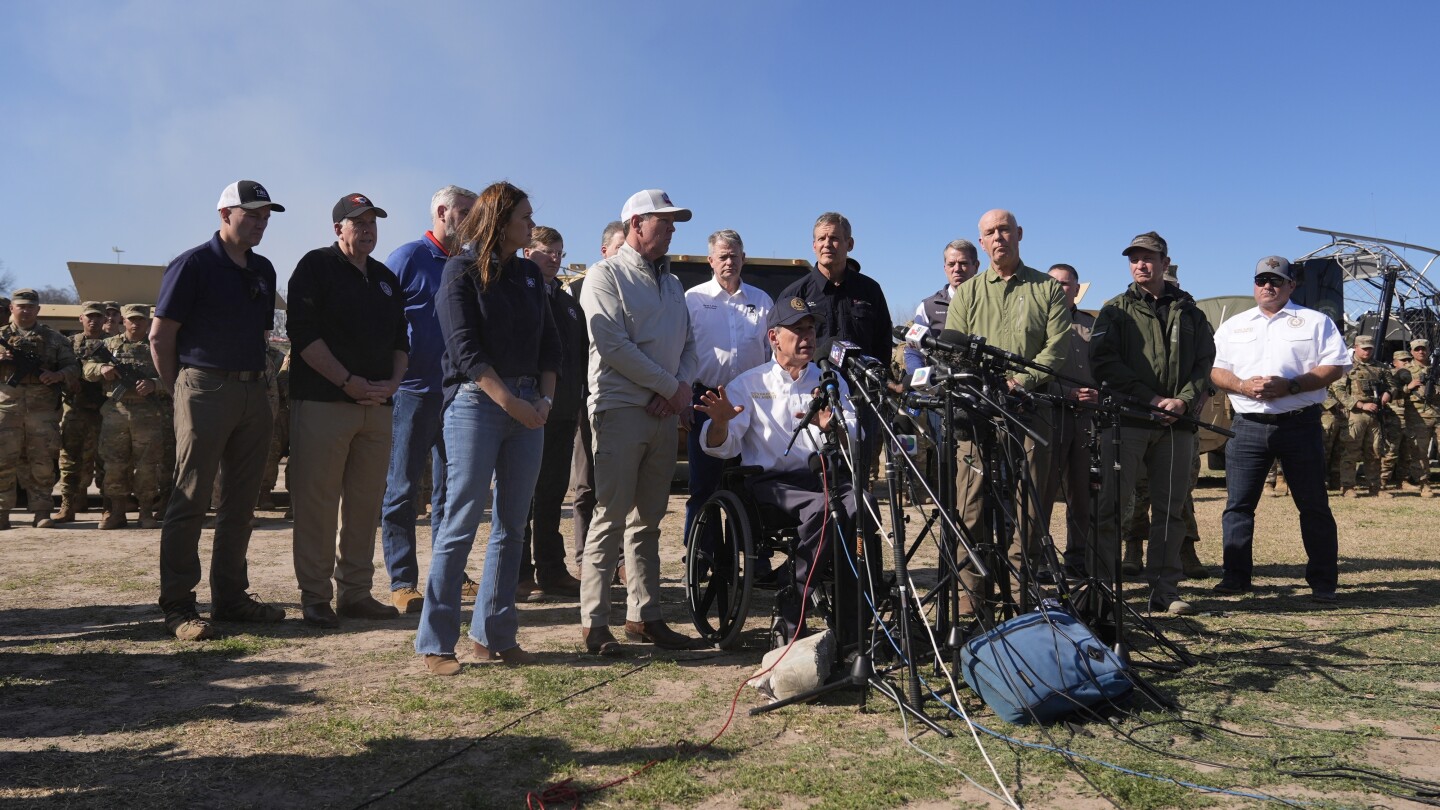
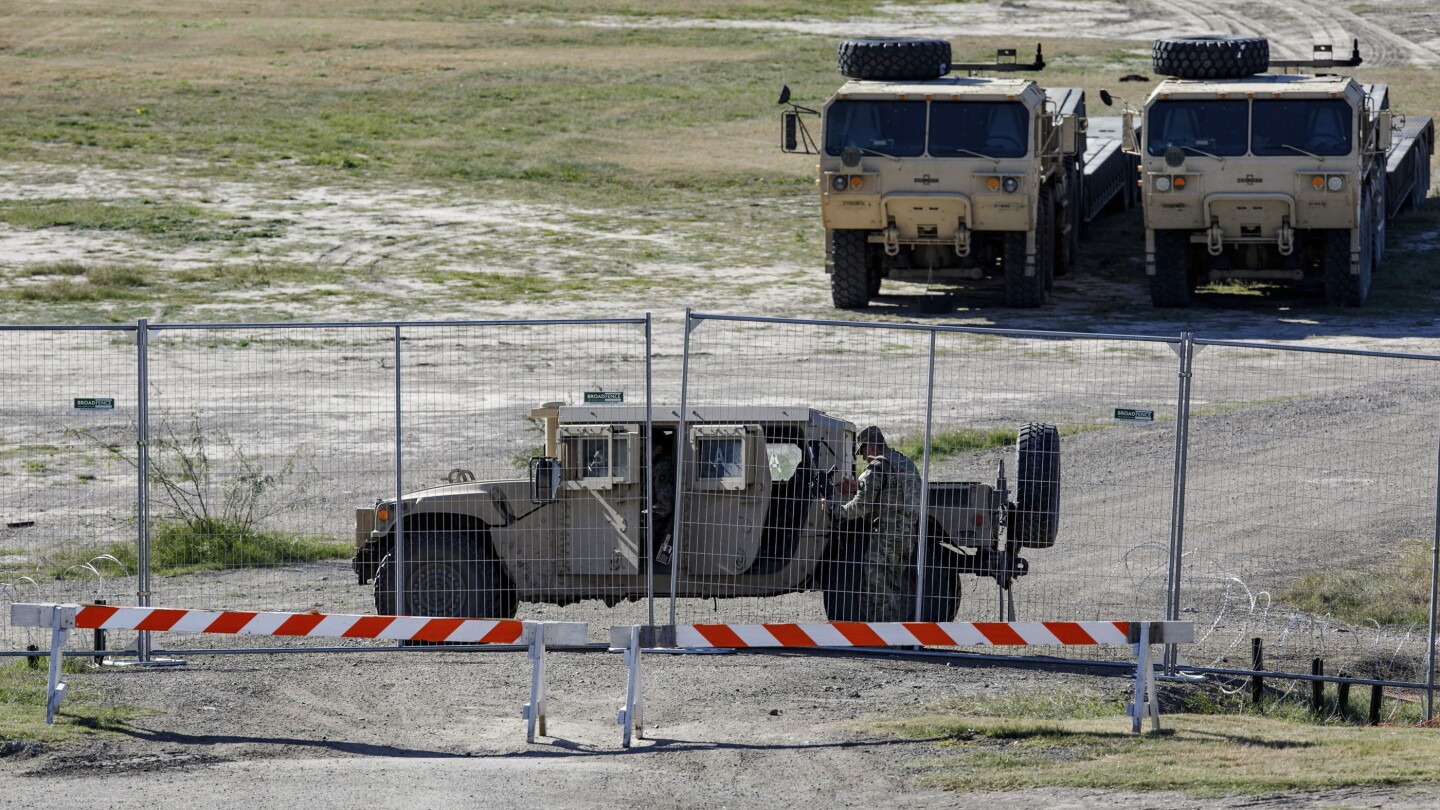
Texas has refused entry to Border Patrol agents at a park along the U.S.-Mexico border, intensifying its dispute with the Biden administration over immigration. The park, Shelby Park in Eagle Pass, has become a focal point of the conflict, with Texas seizing control as part of its border mission. Tensions escalated after the deaths of three migrants in the Rio Grande, leading to conflicting accounts between U.S. and Texas officials. Texas has also implemented aggressive border measures, including a new law allowing police to arrest migrants and a floating barrier in the Rio Grande, sparking legal battles with the Biden administration.
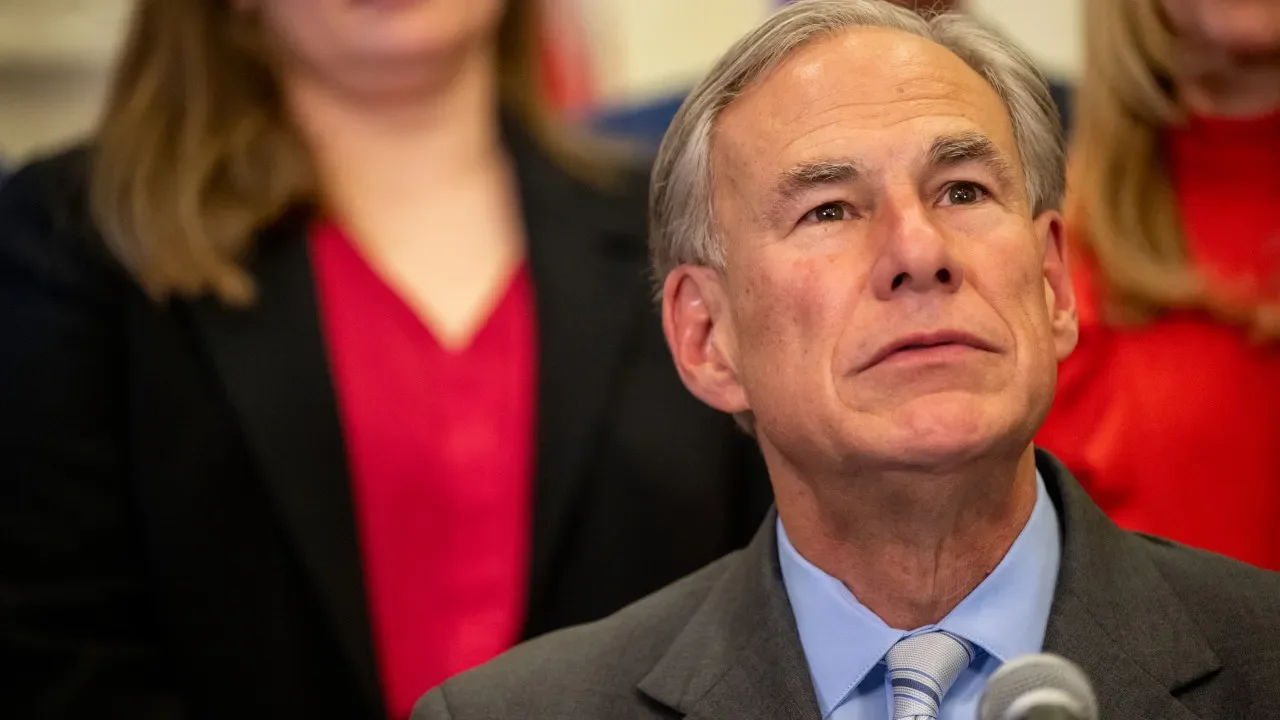
Texas Governor Greg Abbott refuted accusations that the state allowed migrants to drown in the Rio Grande by preventing Border Patrol access, stating that the drownings had already occurred when access was requested. An investigation by the Texas Military Department found the accusations to be inaccurate, with soldiers in direct communication with Border Patrol and Mexican authorities having already recovered the bodies. Abbott blamed the deaths on the Biden administration's immigration policies, while the Department of Homeland Security sent a cease-and-desist letter to Texas Attorney General Ken Paxton regarding Border Patrol access to the area.
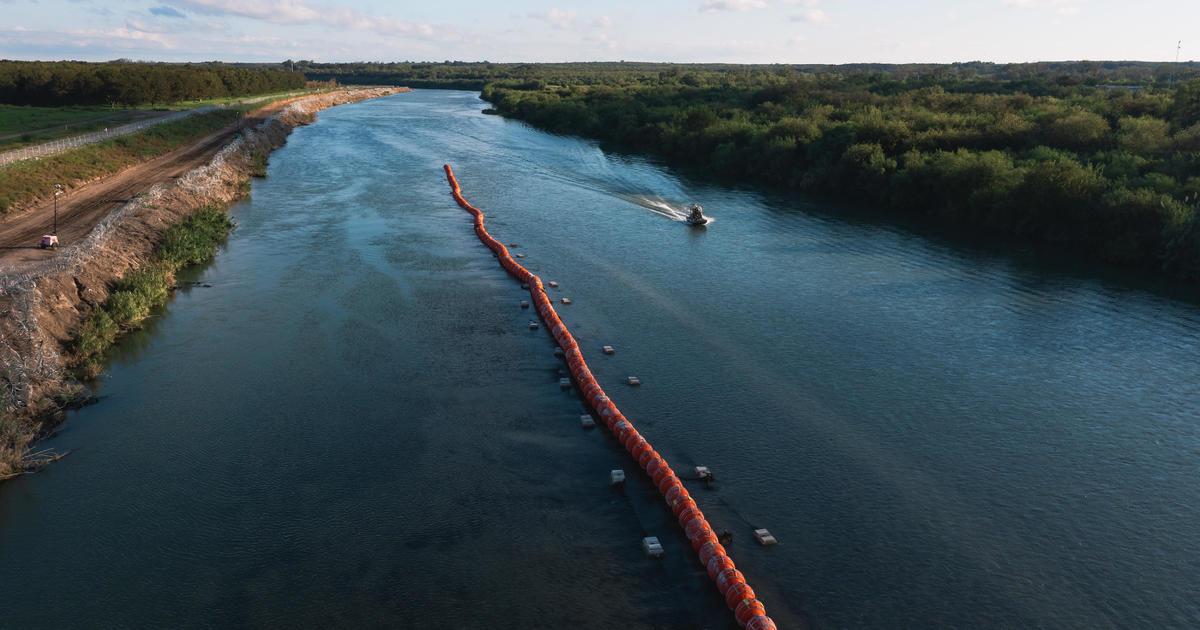
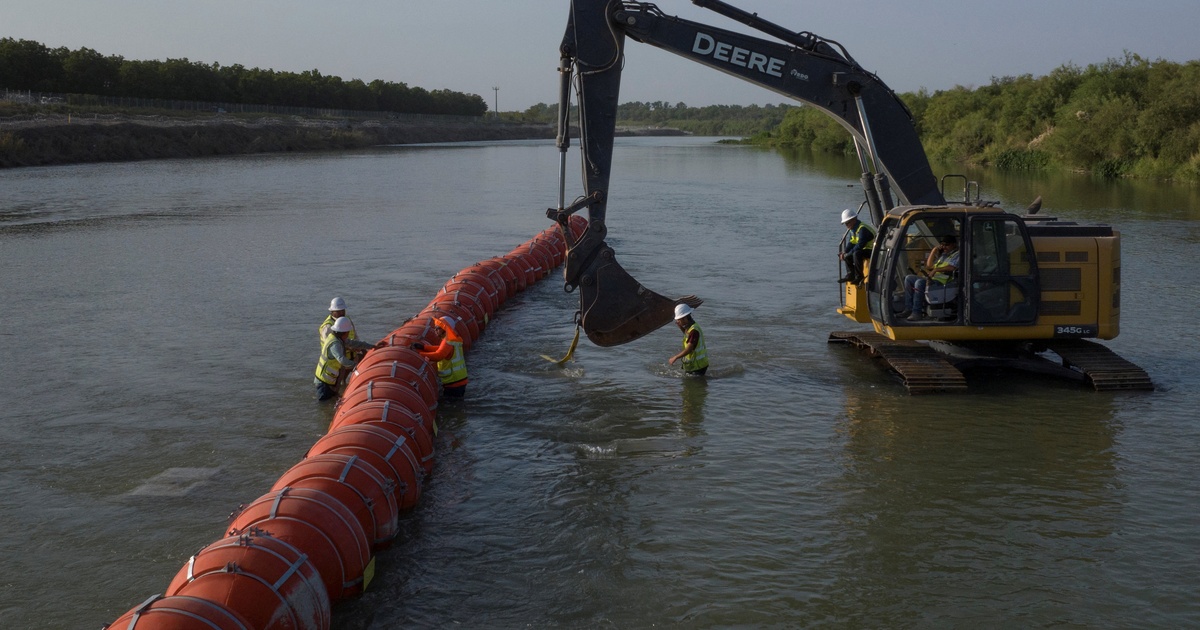
A federal appeals court has ruled that Texas must remove a floating barrier on the Rio Grande, which was intended to deter migrants from entering the US illegally. The court's decision requires Texas to stop any work on the barrier and move it to the riverbank. This ruling comes as a blow to Republican Governor Greg Abbott's efforts to secure the border. The court's decision follows a federal judge's ruling earlier in the week allowing US Border Patrol agents to continue cutting razor wire installed by Texas along the riverbank. Texas plans to seek a rehearing from the court and is prepared to take the case to the Supreme Court if necessary.
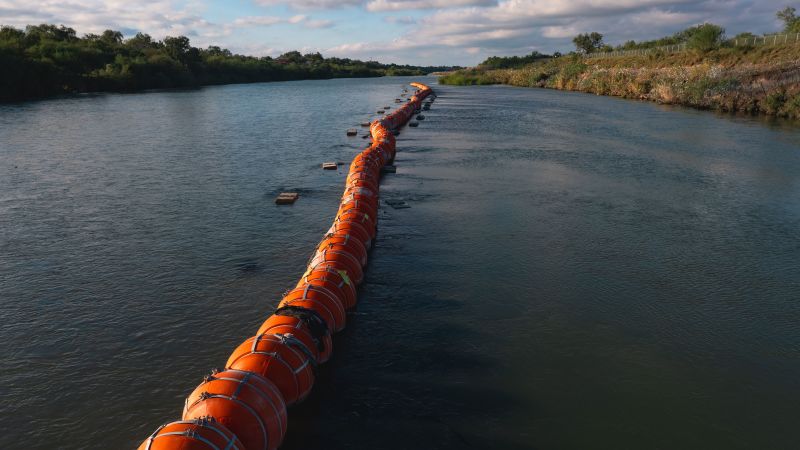
The 5th US Circuit Court of Appeals has ordered Texas to remove its border buoys from the Rio Grande, upholding a lower court's preliminary injunction. The buoys, deployed by Governor Greg Abbott as part of his border security initiative, have been a point of contention between the Biden administration and Texas. The Justice Department argued that the buoys were installed unlawfully, while Abbott maintained that Texas had the constitutional authority to install them. The court found that the lower court had not abused its discretion in issuing the injunction, considering the threat to navigation and federal government operations on the Rio Grande. This is the second legal battle Texas has lost in its ongoing border saga with the Biden administration.
A U.S. appeals court has ordered Texas to remove 1,000 feet of floating barrier along the Rio Grande, intended to prevent illegal crossings near Eagle Pass, as it violates the Rivers and Harbors Appropriation Act. This decision comes as the U.S. Customs and Border Protection in Lukeville, Arizona, has decided to close its overwhelmed port of entry due to an influx of migrants. Texas Governor Greg Abbott plans to seek a rehearing and potentially take the case to the U.S. Supreme Court. The closure of the Arizona border crossing is expected to start on Monday to process migrants who have already crossed through the port of entry.
The Fifth Circuit Court of Appeals has upheld a lower court's ruling ordering Texas to remove the floating barrier it deployed in the Rio Grande at Eagle Pass. The court found that the river is navigable where the barrier was placed and that Texas needed permission from the U.S. Army Corps of Engineers before deploying it. Texas argued that the barrier was meant to save lives and deter illegal crossings, but the court stated that Texas has not provided concrete evidence to support these claims. Governor Greg Abbott plans to seek a rehearing and potentially take the case to the U.S. Supreme Court.
The 5th Circuit Court of Appeals has ruled that Texas Governor Greg Abbott's floating border wall must be removed from the Rio Grande, stating that migration is not an "invasion." The court agreed with the federal government's argument that the buoys block navigation and pose a threat to public safety. The ruling comes as part of the ongoing legal battle between the Biden administration and Texas over Abbott's Operation Lone Star border security program, which has faced criticism for its enforcement of immigration laws. Texas has 10 days to remove the buoys while the court considers the lawsuit.