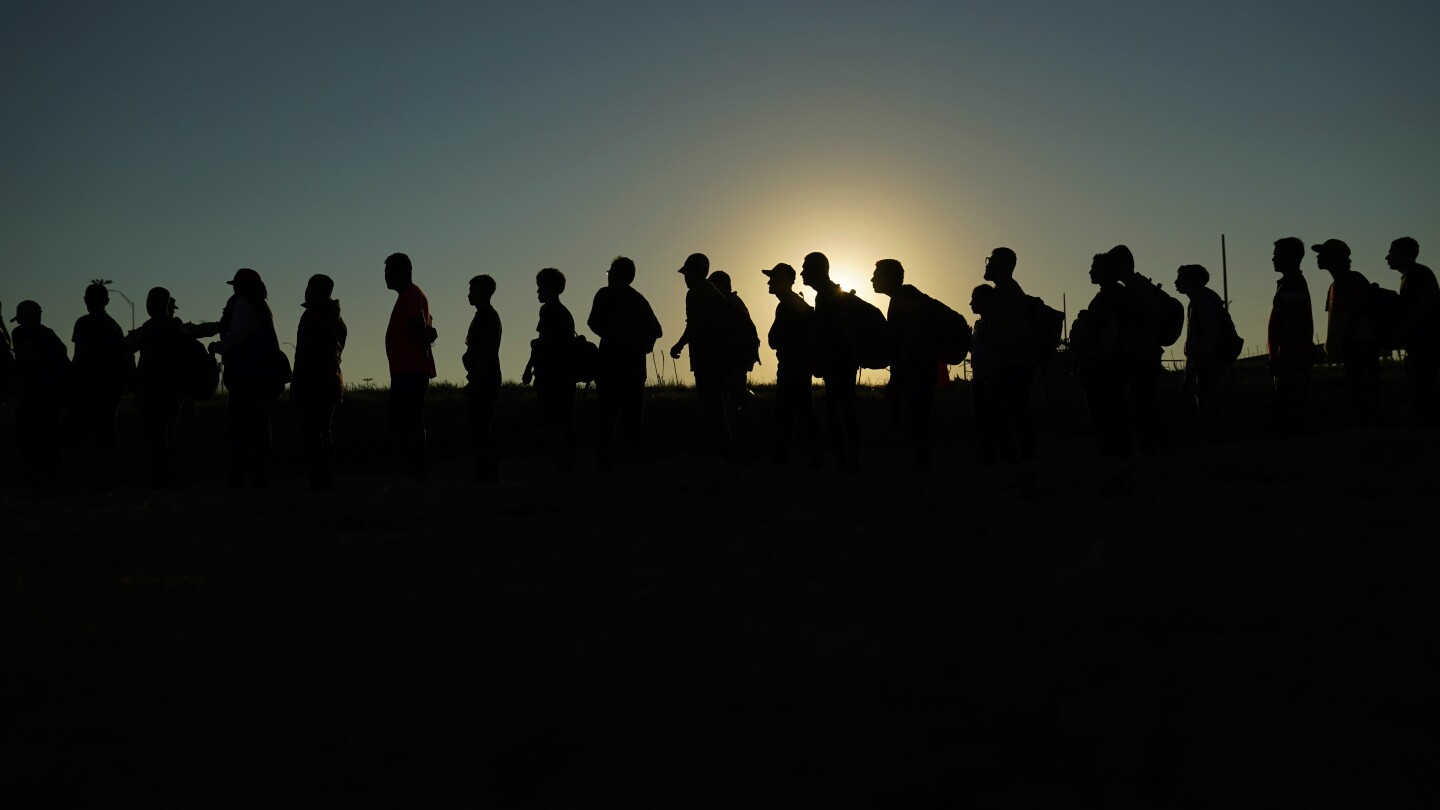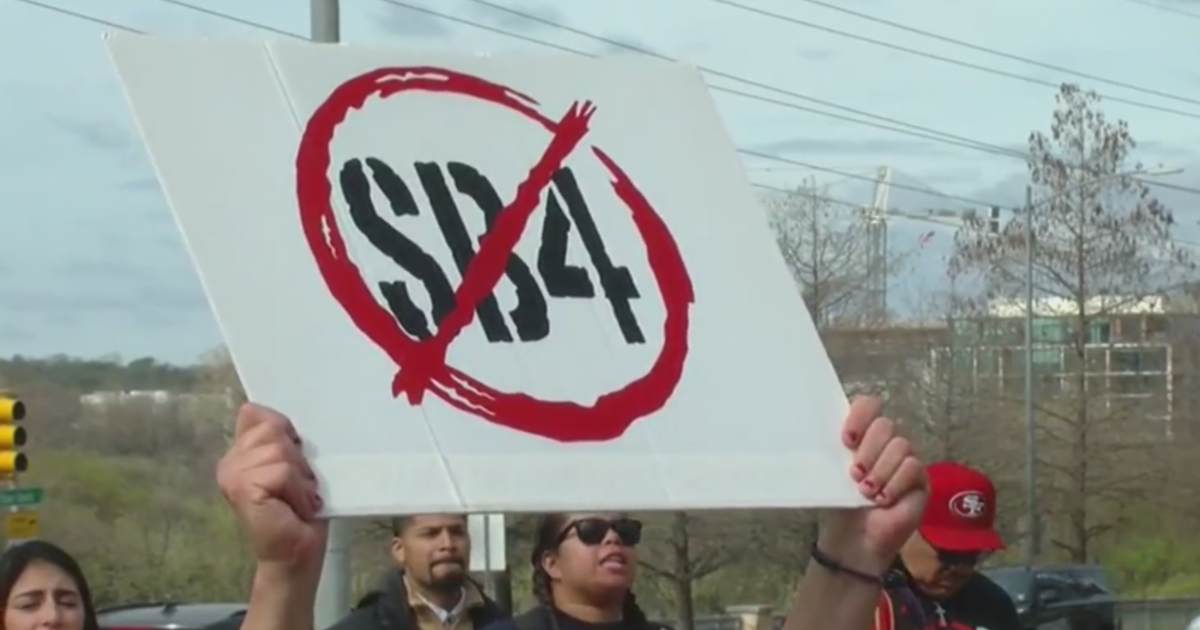
A federal appeals court has upheld the block on Texas' SB4 immigration law, preventing the state from arresting and jailing migrants under the contentious measure while it considers its legality. The 5th Circuit Court of Appeals denied Texas' request to suspend the lower court order that found SB4 unconstitutional and in conflict with federal immigration laws, and will hold a hearing on April 3 to further consider the law's lawfulness and constitutionality. The law, which criminalizes unauthorized immigration at the state level, has drawn criticism from migrant advocates, the Biden administration, and the Mexican government, with the latter denouncing it as "anti-immigrant" and vowing to reject migrants returned by the state.

The 5th U.S. Circuit Court of Appeals ruled that the federal requirement for graphic images on cigarette packs and advertising, depicting the harmful effects of smoking, does not violate the First Amendment. The court overturned a lower court order and kept alive a tobacco industry challenge, directing a review of whether the rule was adopted in accordance with the federal Administrative Procedure Act. The images, including those of smoke-damaged lungs and other smoking-related health issues, are aimed at increasing public awareness of the risks associated with smoking.
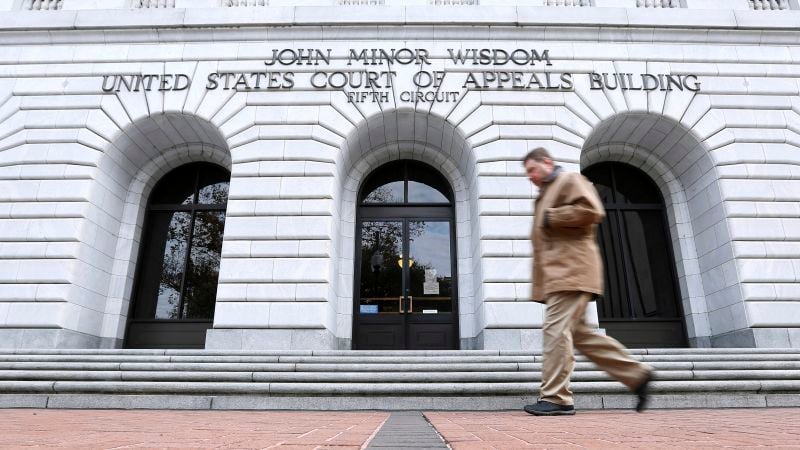
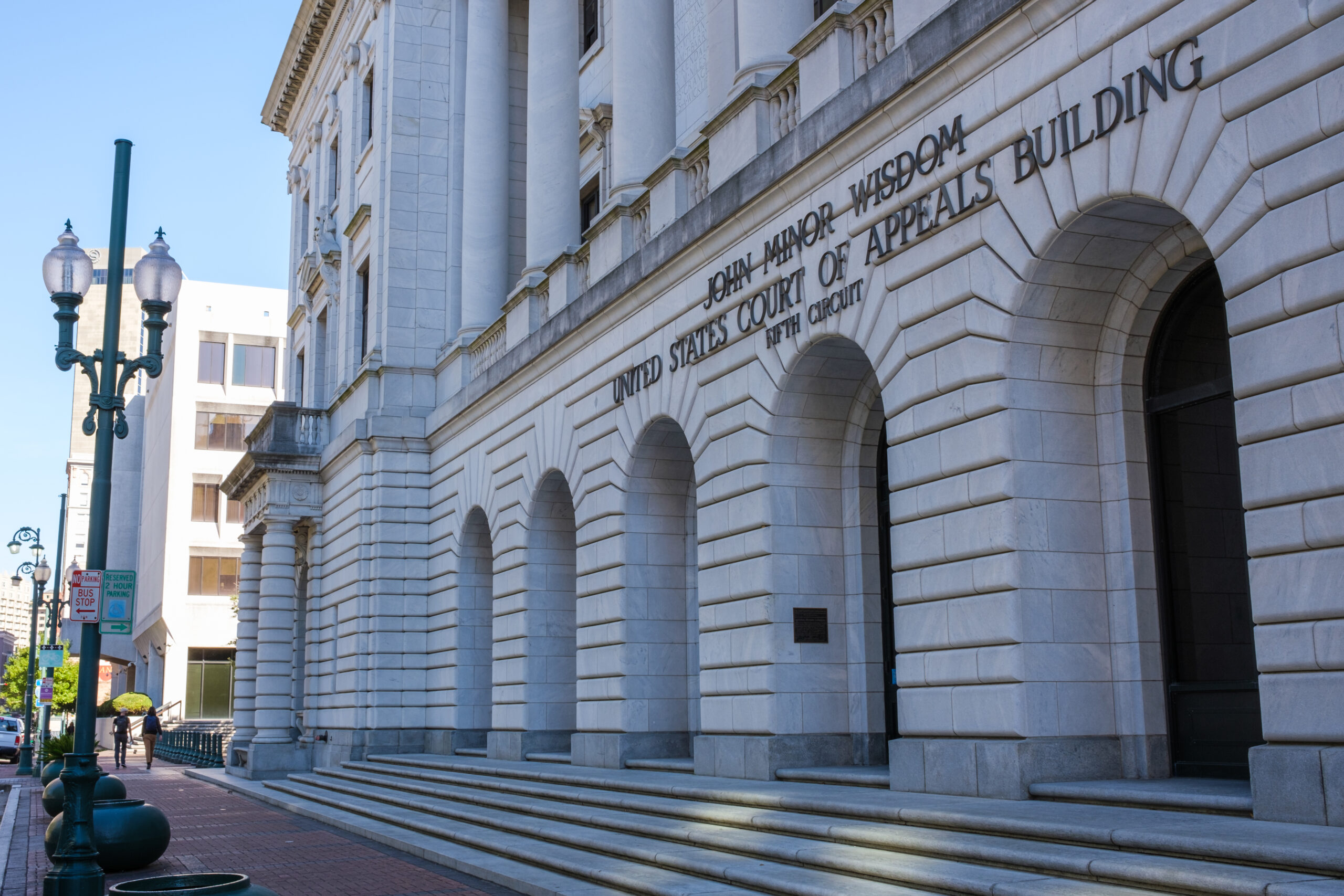
The 5th U.S. Circuit Court of Appeals, known for its conservative leanings, has become a focal point for legal battles on immigration, abortion, social media, and gun rights. With a majority of judges appointed by Republican presidents, the court has been a key battleground for conservative opposition to President Biden's policies. Recent cases include challenges to Texas' migrant arrest law, abortion restrictions, and social media censorship, with the Supreme Court occasionally tempering or reversing 5th Circuit decisions.
A federal appeals court has blocked Texas's SB4 immigration law, which criminalizes illegal entry into the state, following the Supreme Court's decision to allow its enforcement. The law, signed by Governor Greg Abbott, has faced opposition from the Biden administration and civil rights groups. The 5th Circuit Court of Appeals has scheduled oral arguments on whether to block the law and Mexico has condemned it, stating that it will not accept deportations from Texas.
A federal appeals court has ordered a pause on Texas' SB4 immigration law, which would allow police to arrest migrants who illegally cross the border from Mexico and impose criminal penalties, shortly after the Supreme Court said it could go into effect. The 5th U.S. Circuit Court of Appeals split 2-1 in favor of blocking the law, with the same court set to hear arguments on the issue. The Biden administration has argued that the law conflicts with federal immigration law and that states have no authority to legislate on the issue.
A federal appeals court has put Texas' controversial immigration law, Senate Bill 4, back on hold, overturning a previous ruling that had allowed the law to go into effect. The law, which would permit state officials to arrest and detain individuals suspected of entering the country illegally, has been the subject of legal battles and concerns over racial profiling and increased state authority in immigration enforcement. The Supreme Court had earlier cleared the way for the law to be enforced temporarily, but the legal jockeying continues as the 5th Circuit Court of Appeals is set to hear arguments on whether to block the law while considering its constitutionality.
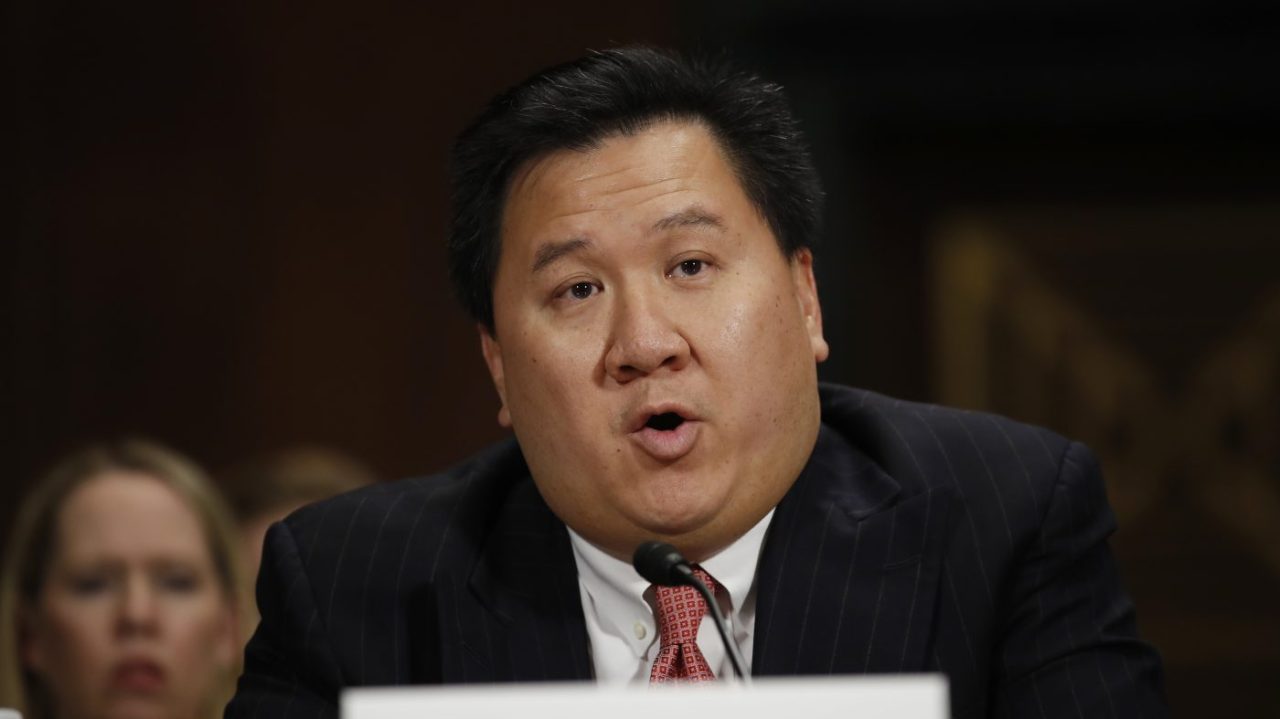
Two conservative federal appeals court judges, James Ho and Edith Jones, criticized the US Judicial Conference for adopting a new rule aimed at curbing "judge shopping" by state attorneys general and activists challenging government policies in sympathetic courthouses. The rule, designed to address a litigation strategy used by conservative litigants, requires lawsuits challenging state and federal laws to be randomly assigned to judges throughout a federal district. The judges argued that the rule conflicted with federal law and was a response to political pressure, while proponents of the rule cited concerns about forum shopping and the need for national policies to be heard by a random judge.
The 5th US Circuit Court of Appeals is reviewing a case challenging the Obamacare mandate for insurers to cover preventive care services at no cost to patients. The case, brought by employers and individuals in Texas, questions the validity of the mandate and could impact coverage for important preventive screenings and services. The Biden administration is urging the court to reverse a ruling that jeopardizes access to cost-free coverage for various preventive services, while the challengers argue that the mandates for no-cost preventive care run afoul of the Constitution's Appointments Clause. The outcome of the case could affect over 150 million people with private insurance and have significant implications for public health.
The 5th Circuit Court of Appeals has decided to rehear the case regarding Texas's river border buoys, allowing the barrier to remain in place for now. The decision to grant an en banc hearing, which is rare, means the entire court will reconsider the case in May. The controversial barrier, deployed by Texas Governor Greg Abbott, has faced legal challenges and criticism for obstructing U.S. waterways and endangering migrants crossing the river to seek asylum.
The 5th Circuit Court of Appeals has denied a request by Louisiana Republicans to rehear a case that could have affected redistricting and precedent under the Voting Rights Act. The case, Ardoin v. Robinson, involves a lawsuit filed on behalf of Black voters challenging Louisiana's congressional map. The Republicans sought to challenge the ability of private parties to bring claims under Section 2 of the VRA. The denial means that the decision will not be reheard, preserving the ability of private groups and voters to bring claims under Section 2 in Louisiana, Mississippi, and Texas. Louisiana now has until January 30 to adopt a new congressional map.
The 5th Circuit Court of Appeals has ruled that Texas Governor Greg Abbott's floating border wall must be removed from the Rio Grande, stating that migration is not an "invasion." The court agreed with the federal government's argument that the buoys block navigation and pose a threat to public safety. The ruling comes as part of the ongoing legal battle between the Biden administration and Texas over Abbott's Operation Lone Star border security program, which has faced criticism for its enforcement of immigration laws. Texas has 10 days to remove the buoys while the court considers the lawsuit.
The 5th Circuit Court of Appeals has given the Louisiana Legislature until January 15 to come up with a new redistricting plan in order to prevent a district court from changing the state's congressional map. The previous map was found to be in violation of the Voting Rights Act as it did not create a second majority-Black district. If the legislature fails to meet the deadline, the district court will proceed with redrawing the map for the 2024 elections. Governor-elect Jeff Landry has indicated that he will call a special legislative session to address the issue.
The 5th U.S. Circuit Court of Appeals has affirmed that Galveston County, Texas violated the Voting Rights Act (VRA) by diluting the voting power of Black and Latino communities. However, the court has called for a rehearing of the case in full, expressing its intent to overturn established precedent that allows the aggregation of distinct minority communities for Section 2 vote dilution claims. The ruling follows a trial decision that found Galveston County engaged in a "stark and jarring" VRA violation by dismantling the county's sole majority-minority commissioners court precinct. The future trajectory of the case and the viability of minority-coalition Section 2 claims in the 5th Circuit remain uncertain.
The recent ruling by the 5th Circuit Court of Appeals, which found that the FDA overstepped its authority in regulating the abortion drug mifepristone, has raised concerns about the broader implications for the FDA's authority over all medications. Legal and medical experts worry that the ruling could undermine the FDA's ability to make medical decisions in the future and may lead to challenges against other scientifically validated but politically controversial approvals, such as COVID-19 vaccines and treatments. The decision will likely be appealed to the Supreme Court, and its outcome could have far-reaching consequences for the FDA's regulatory power.
A federal appeals court judge questioned the FDA's use of an expedited process to approve the abortion pill mifepristone more than 20 years ago, stating that pregnancy is not a serious illness and asking if Mother's Day is "celebrating illness." The case ended up before the appeals court panel after a federal judge in Texas suspended the drug's approval last month, finding that the FDA had improperly rushed its authorization in 2000. The Supreme Court has temporarily preserved the status quo, leaving mifepristone available as the case runs its course.