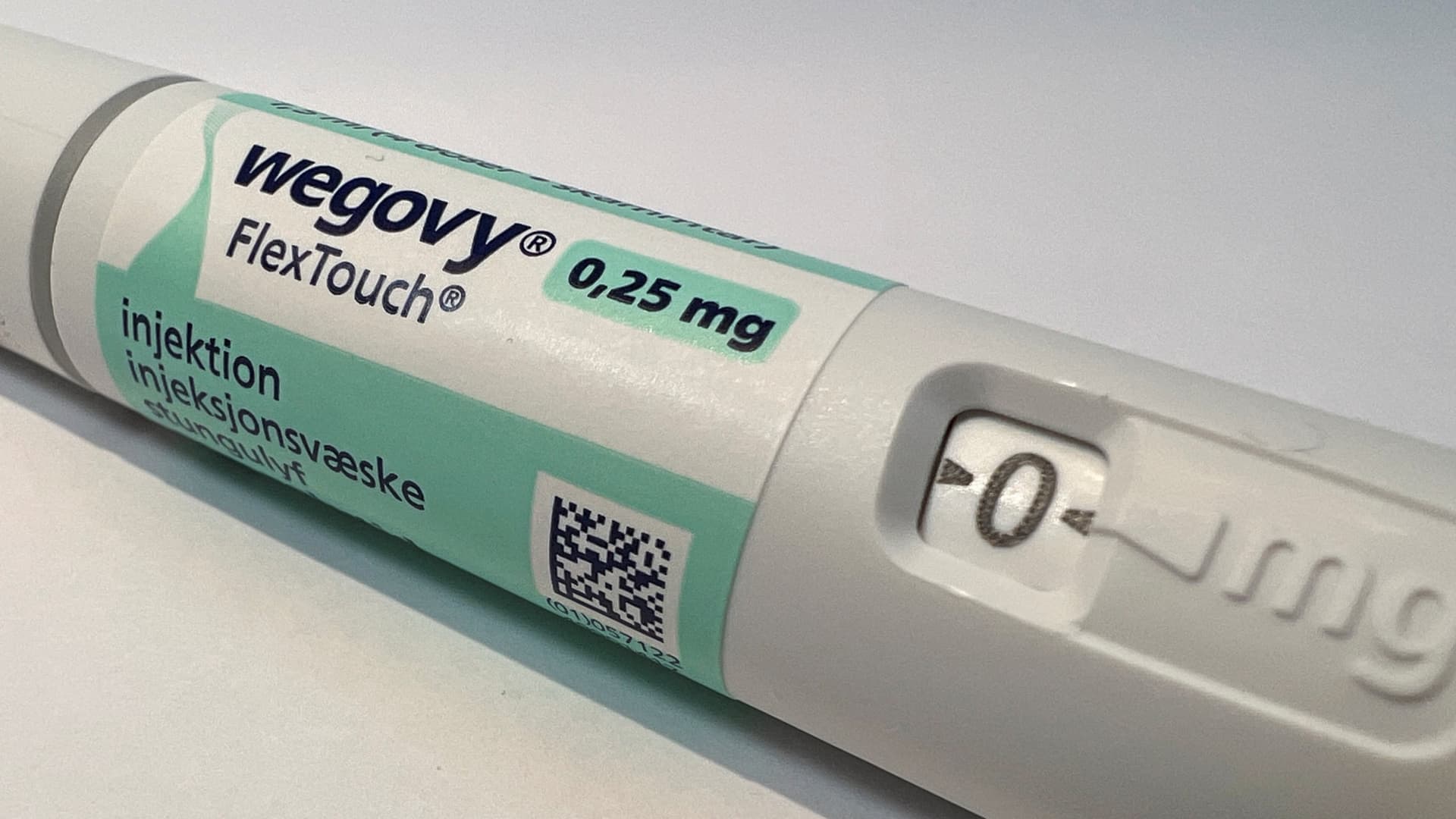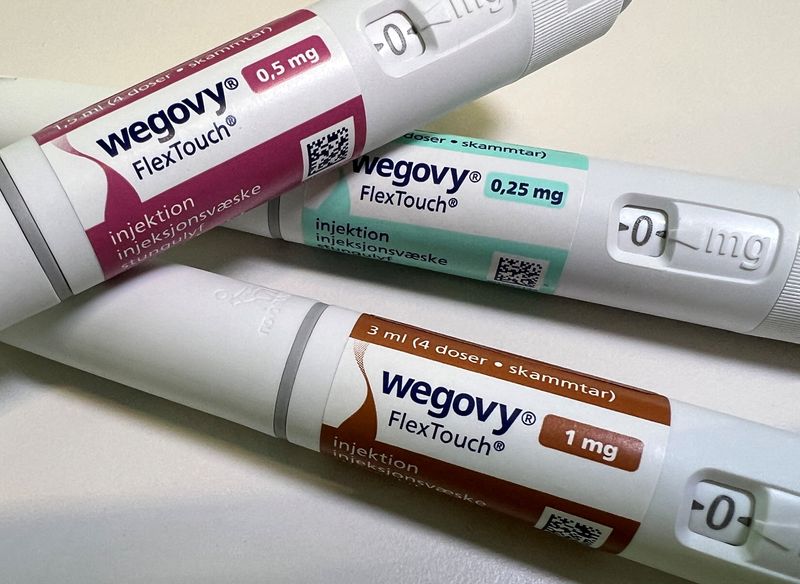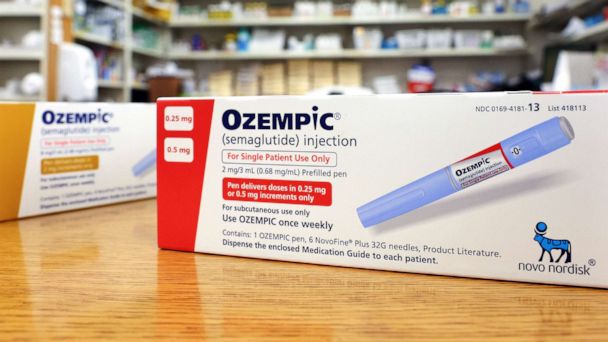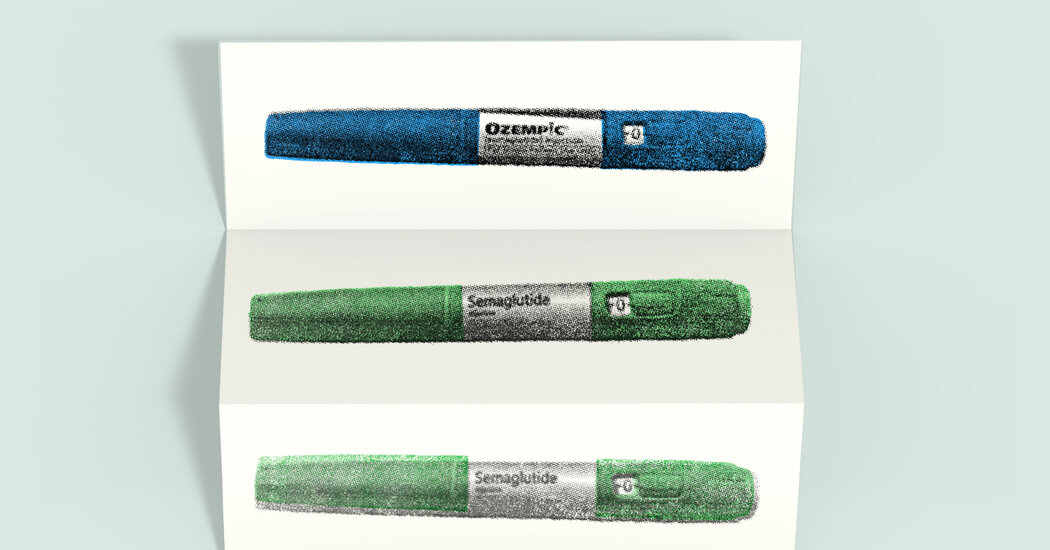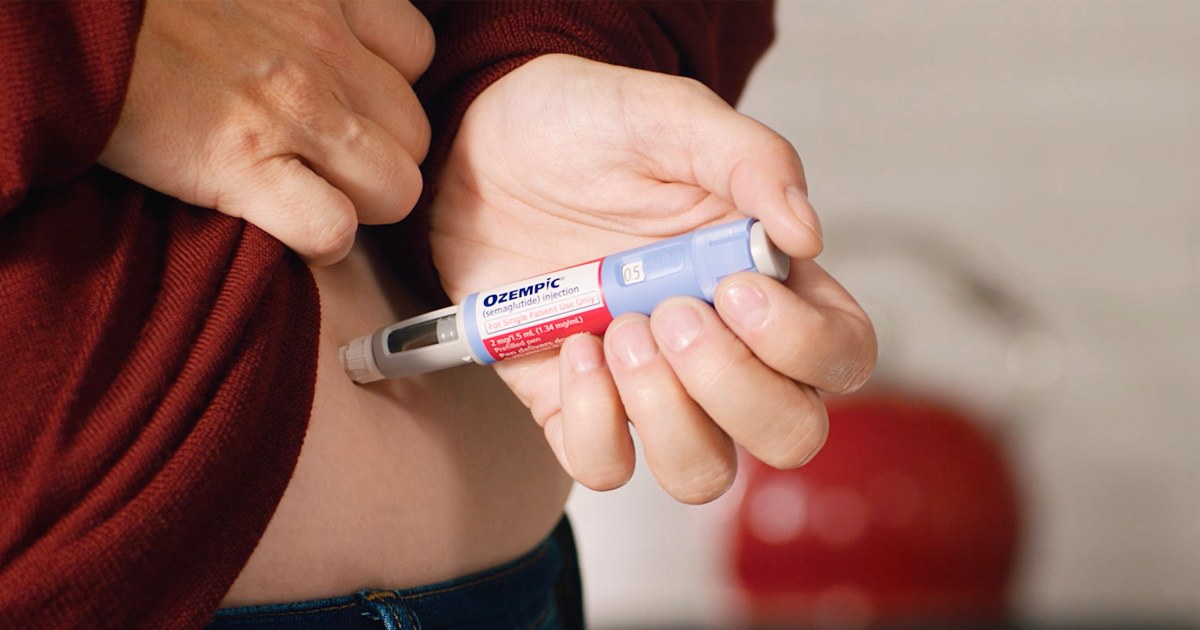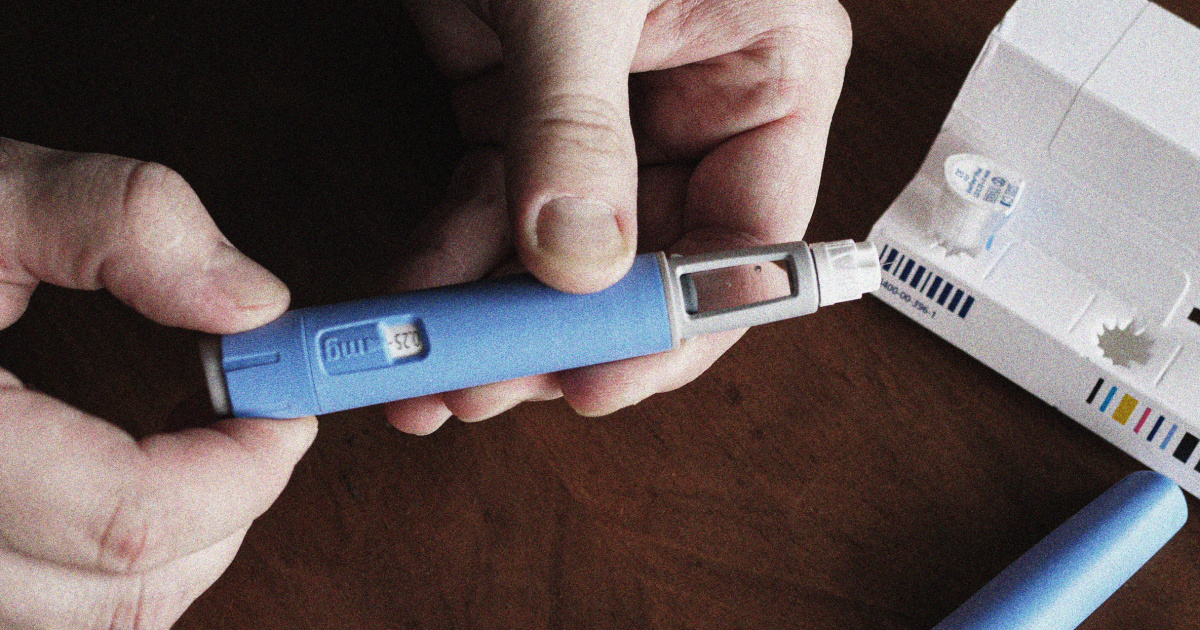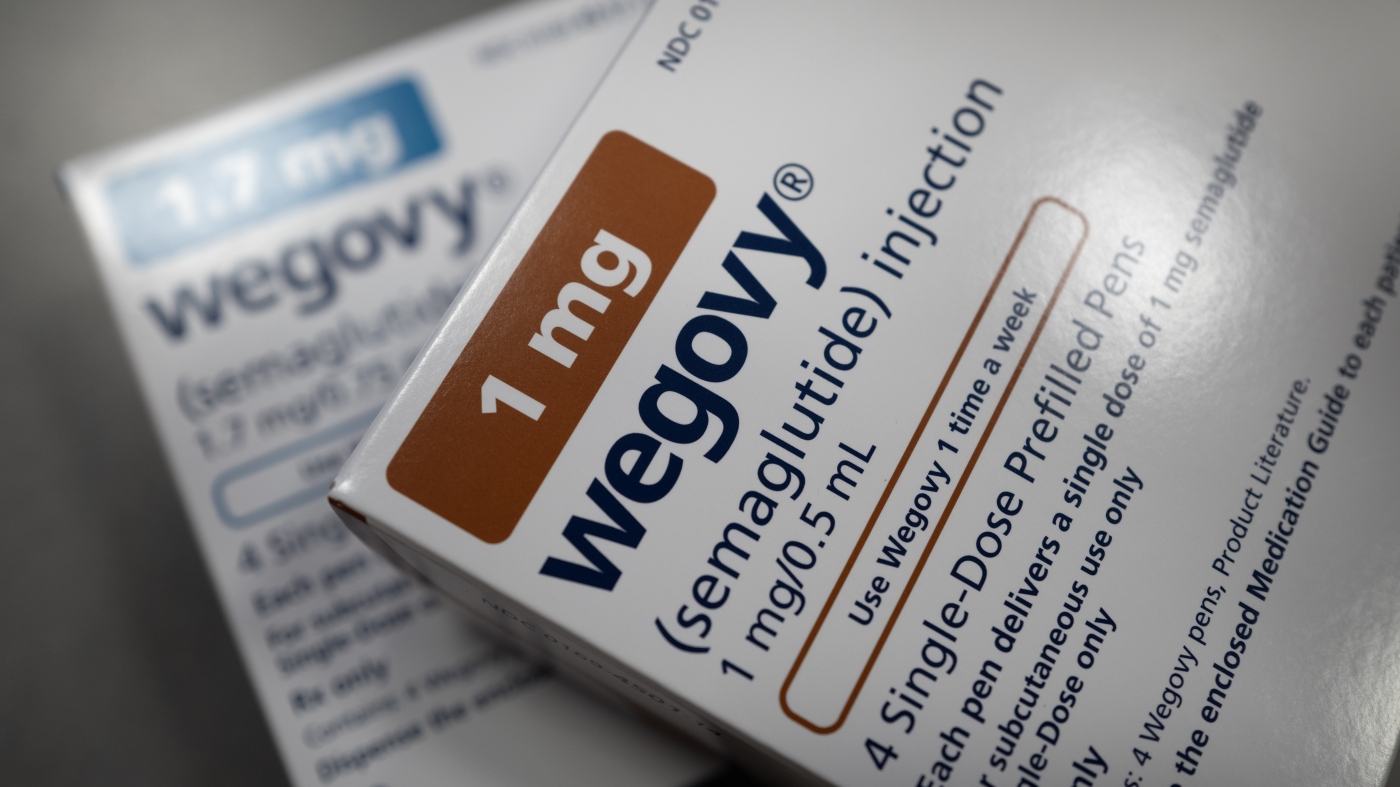
Novo Nordisk has lowered its sales forecast for the obesity drug Wegovy due to increased competition from compounded versions made by pharmacies, which are not FDA-approved but are legally customized for individual patients. The company is taking legal action to address this issue and has announced a new CEO, Maziar Mike Doustdar. Despite efforts to sell Wegovy directly to consumers, sales through cash channels have been lower than expected, impacting the company's stock.
Martin Makary, President-elect Trump's nominee for FDA commissioner, is an executive at Sesame, a telehealth company involved in prescribing compounded weight-loss drugs. His confirmation could influence FDA policies affecting the compounding of cheaper drug versions amid ongoing disputes between branded drug manufacturers and compounding pharmacies. The FDA's role in determining drug shortages, which allows pharmacies to compound drugs, is central to this issue.
The FDA has shut down a drugmaker after discovering contamination in an injectable weight-loss drug, highlighting ongoing safety concerns with compounded versions of popular weight-loss medications. These compounded drugs, meant to be affordable alternatives during shortages, have sparked legal battles between compounding pharmacies and major pharmaceutical companies like Eli Lilly and Novo Nordisk. The FDA's regulatory actions and the pharmaceutical companies' lawsuits underscore the complex legal and safety issues surrounding these copycat drugs.
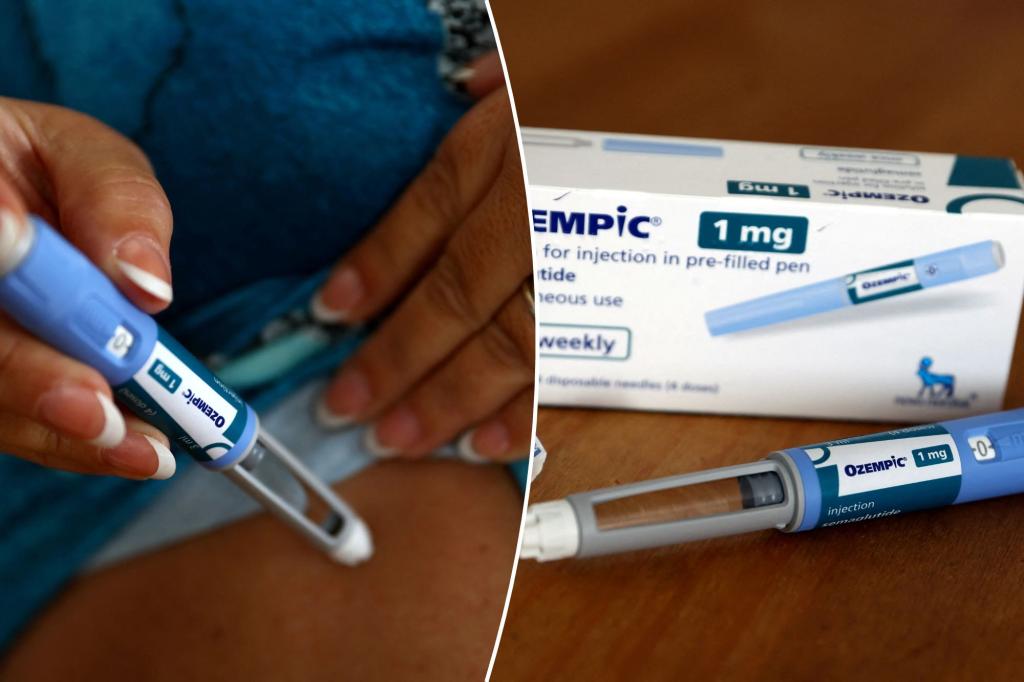
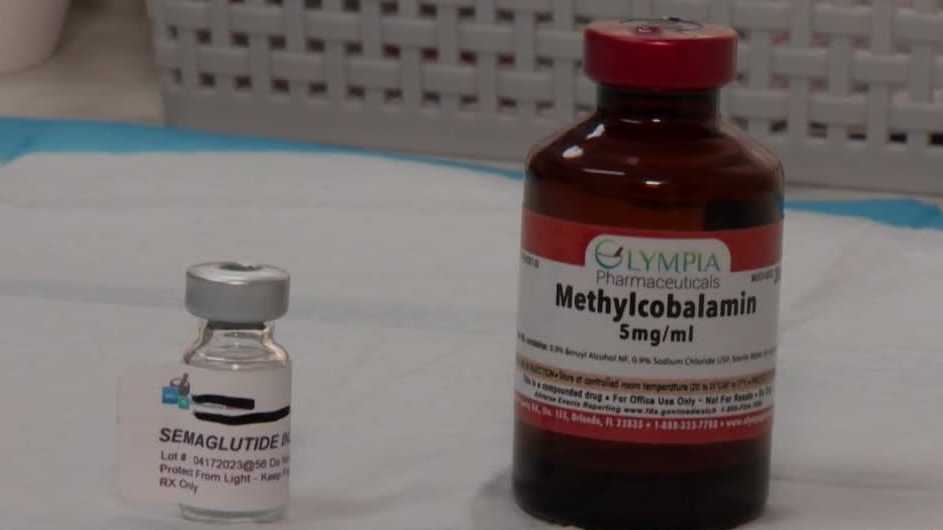
Poison control centers in the United States have seen a 1,500% increase in calls related to overdoses of semaglutide drugs like Ozempic, primarily due to dosage errors. The popularity of semaglutide, used for diabetes and weight loss, has led to overwhelming demand, prompting the FDA to allow compounding pharmacies to produce the drug. However, compounded versions often come in glass vials with multiple doses, increasing the risk of confusion and accidental overdoses. Manufacturers like Novo Nordisk, the maker of Ozempic, have taken steps to ensure patient safety, but the FDA has sent warning letters to online sellers and legal action has been taken against unauthorized sellers.
Novo Nordisk has filed lawsuits against two compounding pharmacies in Florida, accusing them of selling impure and potentially unsafe knockoff versions of its weight loss drug Wegovy and diabetes medication Ozempic. The Danish drugmaker found that the products from Wells Pharmacy Network and Brooksville Pharmaceuticals contained unknown and unauthorized substances, posing safety risks to consumers. Novo Nordisk is seeking to bar the pharmacies from selling their products and has filed a total of 12 legal actions against compounding pharmacies allegedly selling dupes of Wegovy and Ozempic. Rival Eli Lilly has taken similar action against businesses selling knockoffs of its diabetes drug Mounjaro.
Novo Nordisk has filed a lawsuit against two compounding pharmacies in Florida, Wells Pharmacy and Brooksville Pharmaceuticals, after finding impurities in their products claiming to contain the active ingredient for its weight-loss drug Wegovy. The impurities were found to be as much as 33% in some samples, and the compounded versions of Wegovy from Brooksville were also shown to be less potent than advertised. Novo Nordisk aims to prevent the pharmacies from selling products claiming to contain semaglutide, the main ingredient in Wegovy, and to stop Wells Pharmacy from making false claims about FDA approval and the health benefits of BPC-157. Novo Nordisk has already filed multiple lawsuits against other establishments offering products claiming to contain semaglutide.
The demand for injectable diabetes drugs like Ozempic and Wegovy for weight loss has led to a shortage, prompting specialized compounding pharmacies to create their own versions. However, an unregulated market has emerged online, with over two dozen websites selling semaglutide, the active ingredient in these drugs, directly to consumers without the need for doctors or pharmacies. Entrepreneurs are trying to profit from this unregulated market, creating a Wild West scenario for off-brand Ozempic.
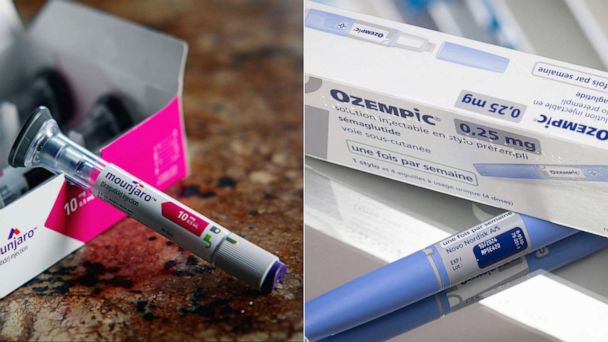
Pharmaceutical company Eli Lilly has filed lawsuits against medical spas, wellness centers, and compounding pharmacies in the US, accusing them of unlawfully marketing and selling non-FDA approved compounded products claiming to be its diabetes medication, Mounjaro. The company is seeking to protect patients and ensure the safety and effectiveness of its branded product. The FDA has not issued a compounding warning for tirzepatide, but Mounjaro has been on the FDA's Drug Shortages list. Lilly warns that compounded versions of tirzepatide can pose serious health risks as they have not been reviewed for safety, quality, or efficacy by regulatory agencies.
Novo Nordisk has filed lawsuits against certain medical spas, weight loss or wellness clinics, and compounding pharmacies for the unlawful marketing and sales of non-FDA approved counterfeit and compounded semaglutide products claiming to contain semaglutide. The lawsuits follow recent safety warnings from federal regulators amid the rising popularity of semaglutide, the active ingredient in Ozempic and Wegovy, for weight loss. The U.S. FDA has received reports of adverse events after people took injections of semaglutide that came from a compounding pharmacy.
The FDA has issued a warning about the safety of off-brand versions of the weight-loss drugs Ozempic and Wegovy, which contain the active ingredient semaglutide. The agency has received reports of adverse events after people took semaglutide from compounding pharmacies, which are not reviewed for safety, effectiveness, or quality. Some compounding pharmacies claiming to sell semaglutide might instead be selling other formulations of the chemical, which haven't been shown to be safe or effective. Patients should not use a compounded drug if an approved drug is available to treat them, the FDA said.
The high cost of weight loss drugs like Ozempic, Mounjaro, and Wegovy, which can run more than $1,000 a month without insurance coverage, is leading some users to turn to compounding pharmacies for cheaper off-brand versions. However, medical experts warn of the risks associated with getting semaglutide or tirzepatide through that route because the compounds can be altered and it's not clear in many cases from where the drugs are sourced. Insurance coverage for the medications varies, and they are not covered for weight loss under most Medicare and Medicaid programs. Eli Lilly, the maker of Mounjaro, expects the medication could be approved by the FDA for weight loss as early as the end of the year.
Semaglutide, the active ingredient in Ozempic and Wegovy, is being prescribed for weight loss, but it comes with risks and side effects. While some patients have had success with the drug, others have experienced adverse effects, including those who received a compounded version of the drug from unverified sources. Compounding pharmacies mix drugs to tailor them to a patient’s needs, but the FDA does not verify their safety, effectiveness, or quality. The FDA acknowledges that compounding can serve important patient needs, but it warns that compounded drugs are not FDA-approved. Patients considering semaglutide for weight loss should talk to their doctor first.
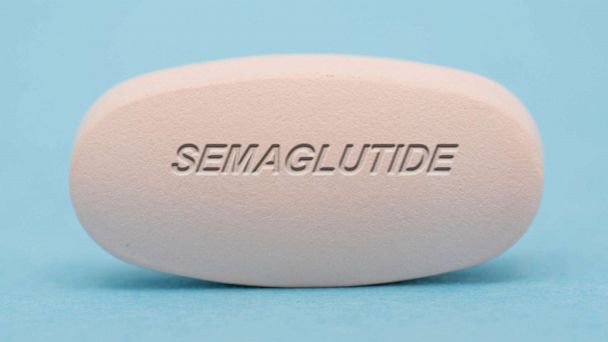
Patients seeking Ozempic, a diabetes drug used off-label for weight loss, are turning to compounding pharmacies for "generic" versions of the medication. However, Novo Nordisk, the company that makes Ozempic, does not sell semaglutide for compounding purposes, and a generic form of the drug approved by the FDA doesn't exist. Compounding pharmacies are allowed to buy semaglutide from pharmaceutical ingredient manufacturers and compound it into an injectable medication they dispense. Regulators have raised concerns about compounded semaglutide, including semaglutide sodium, which is sometimes sold as a research chemical and does not meet standards for compounding in federal law. Patients should be wary of telehealth services that offer compounded semaglutide without a prescription or any input from a licensed doctor.
The high cost and shortage of weight loss drugs Ozempic and Wegovy are driving some people to compounding pharmacies for cheaper copycat treatments. Compounding pharmacies offer semaglutide, the active ingredient in both drugs, at lower prices, but the FDA does not verify the safety or effectiveness of compounded drugs. Compounding practices can result in quality problems, such as contamination or a drug that contains too much active ingredient, which can lead to serious injury and death. Novo Nordisk, the pharmaceutical company that makes both drugs, says it does not sell Wegovy or semaglutide for the purposes of compounding with other products.
Due to cost or ongoing shortages, people are seeking alternatives to the brand name weight loss medications Ozempic and Wegovy, both of which contain the active ingredient semaglutide. Some are turning to compounding pharmacies for the difficult-to-get drugs, but experts question where pharmacies are sourcing the drug and whether it is semaglutide at all. Compounded drugs are not regulated, monitored, or tested by the FDA, raising safety concerns. Patients are advised to be cautious when considering any form of compounded semaglutide or tirzepatide, another weight loss medication offered in a compounded form.