A second version of patches for a multi-kernel architecture in Linux has been released, aiming to enable multiple independent kernels to run on a single machine for improved resource utilization and fault isolation, though its adoption remains uncertain.
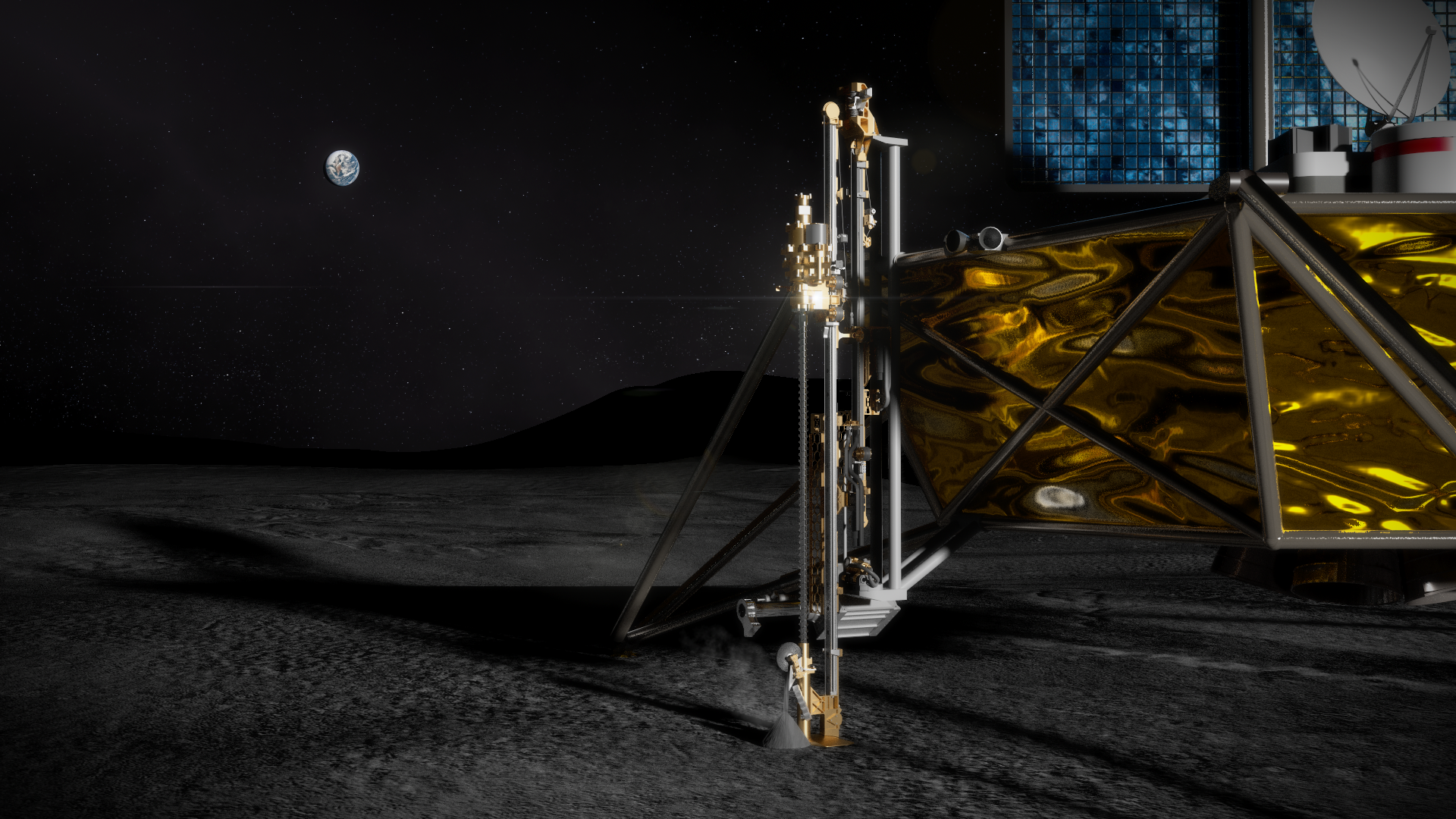
NASA has issued a Request for Information (RFI) seeking input from the lunar community for its future Lunar Infrastructure Foundational Technologies (LIFT-1) demonstration, which aims to test In-situ Resource Utilization (ISRU) technologies on the Moon. The primary objective of LIFT-1 is to demonstrate the extraction of oxygen from lunar soil, with additional objectives including new landing technologies, surface operations, and scalable power generation. NASA is looking for input on launch, landing, and surface infrastructure technologies to inform the integrated approach for the subscale ISRU demonstration. The goal is to establish a sustained presence on the Moon and reduce dependence on Earth by utilizing lunar resources for fuel, water, and oxygen production.
A concept known as "Thermal Mining" proposes using sunlight directed by a giant mirror to heat ice on the Moon, causing it to sublimate into water vapor. The water vapor can then be captured and used for various purposes in space exploration. The architecture of the system consists of a heliostat to direct sunlight, a tent to capture the sublimated water, and a cold trap/transport system to collect the water. The concept has been tested using lunar regolith simulant and has shown promising results, although challenges such as the formation of a thermal barrier need to be addressed. The estimated development cost for a thermal mining operation on the Moon is $800 million, with potential profitability if there is sufficient demand from commercial or national space agencies. However, the business case remains uncertain, as it relies on future lunar operations requiring water.