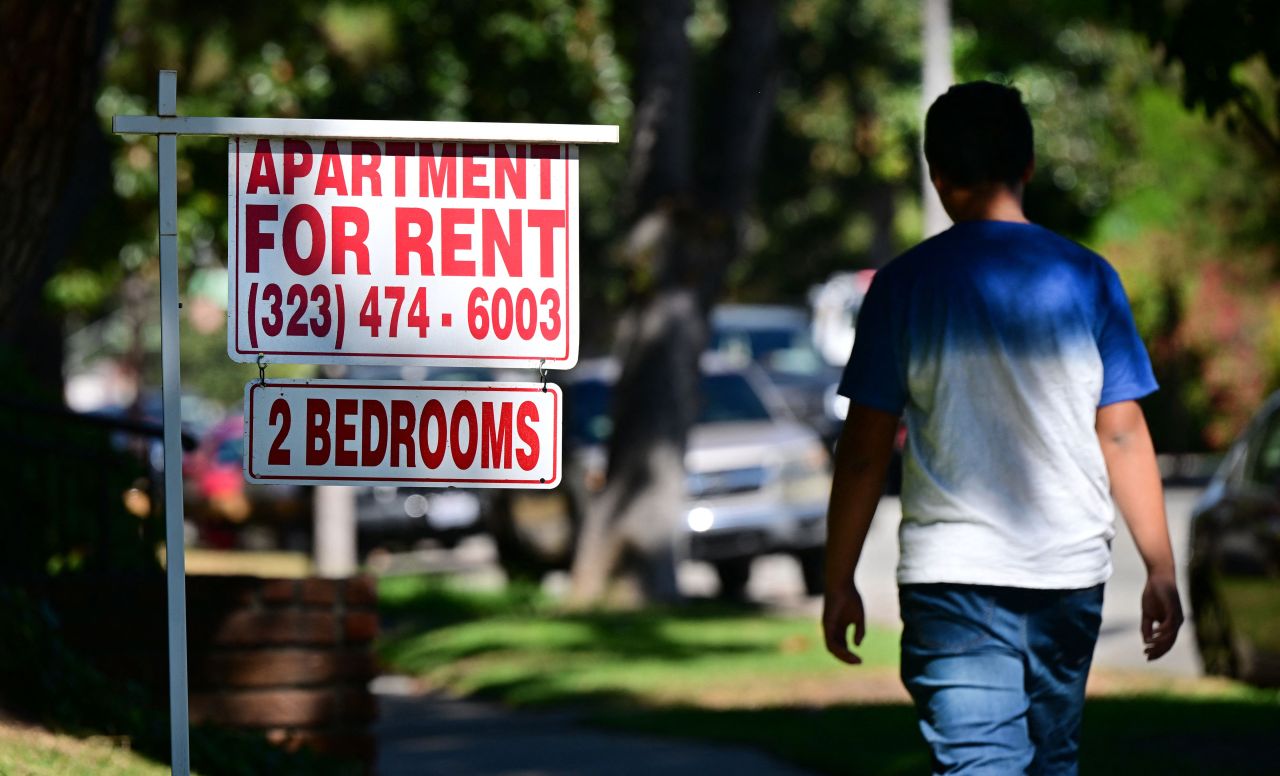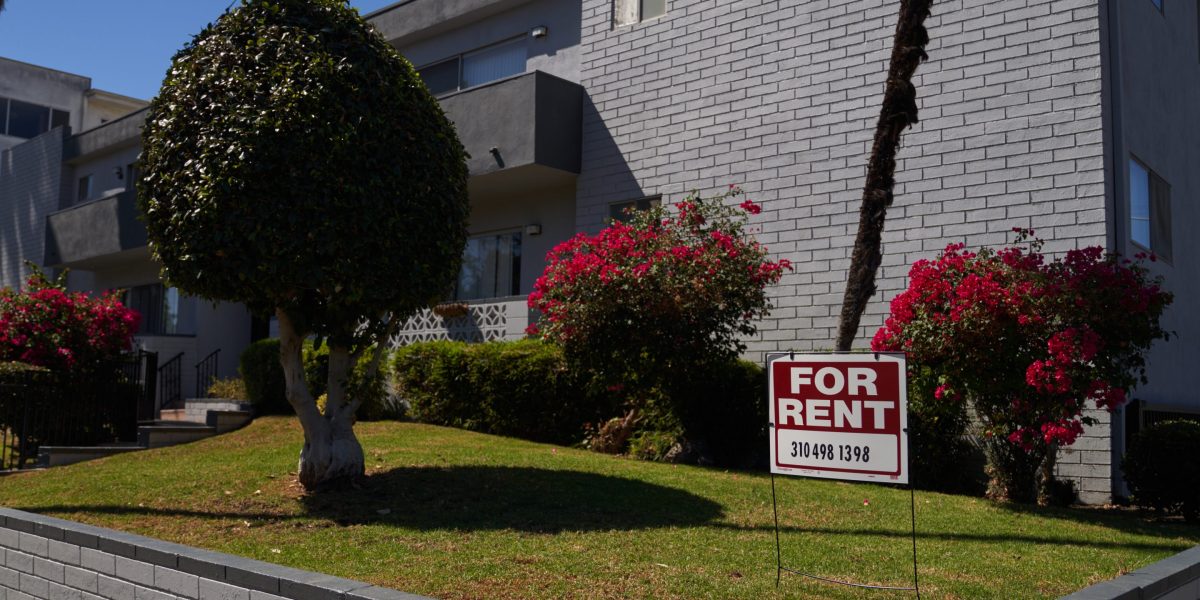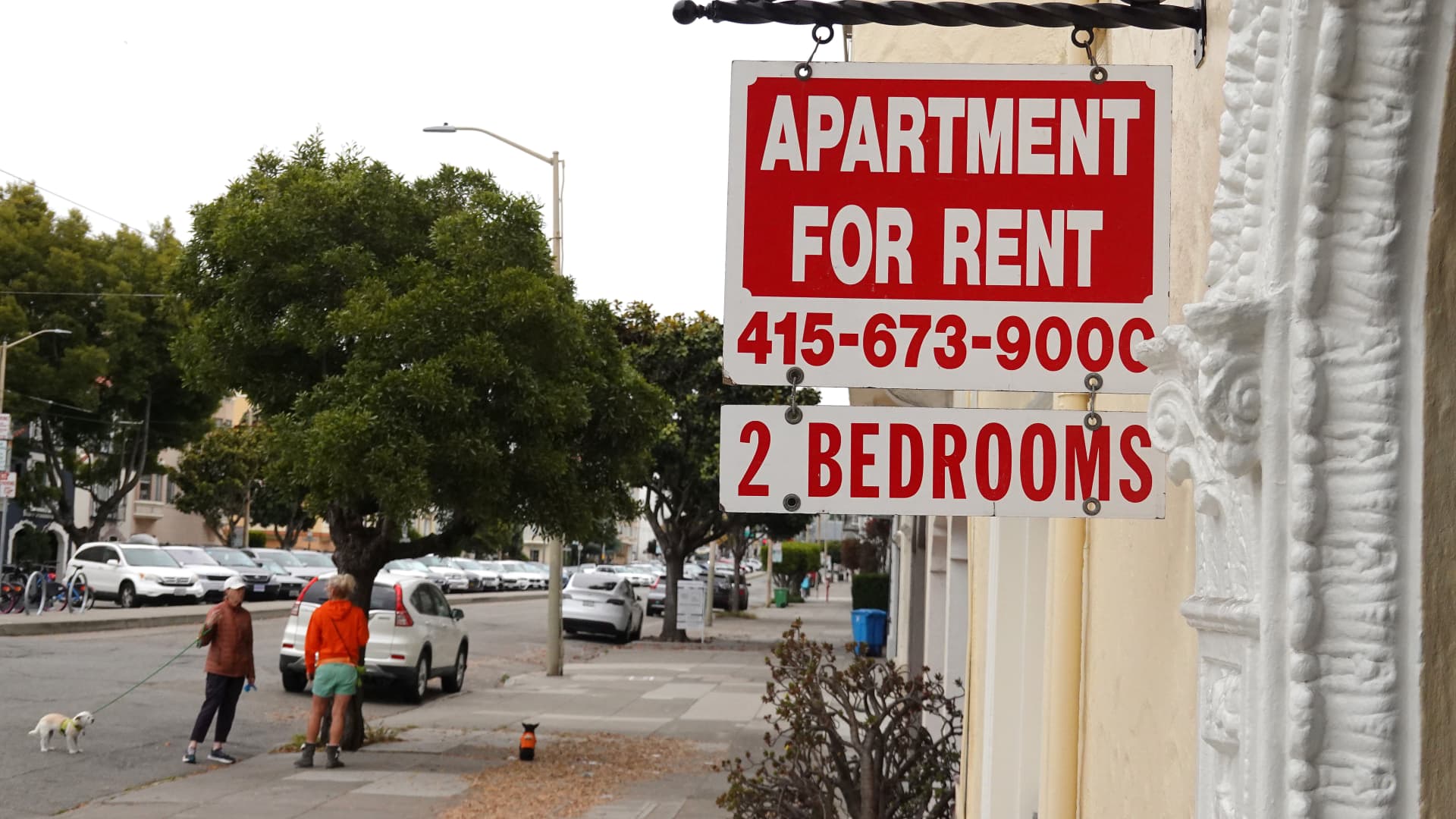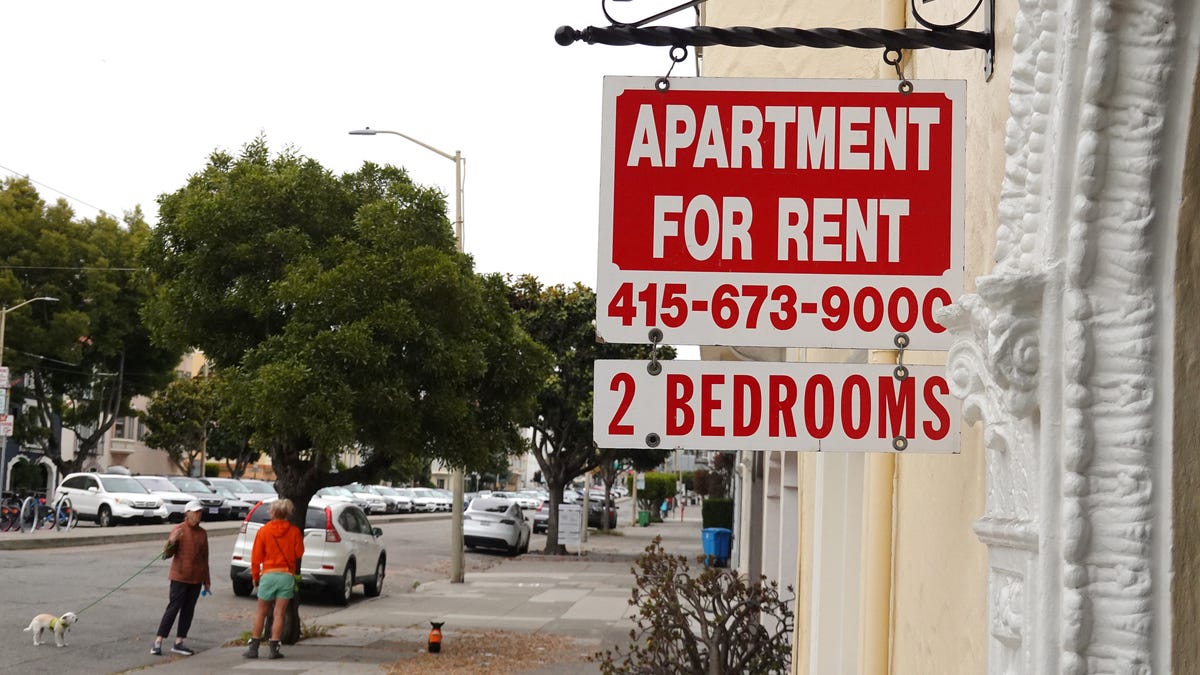
Rent control policies, despite their popularity among populists, tend to worsen housing affordability by reducing supply, discouraging maintenance, and increasing initial rents, as evidenced by examples from Minneapolis, St. Paul, Los Angeles, and international cases. Cities repeatedly implement these policies, often leading to negative outcomes like decreased building permits and higher initial rents, with some regions like Argentina experiencing rent drops after abolishing controls. Experts warn that rent caps are counterproductive and suggest alternative approaches to address housing affordability.
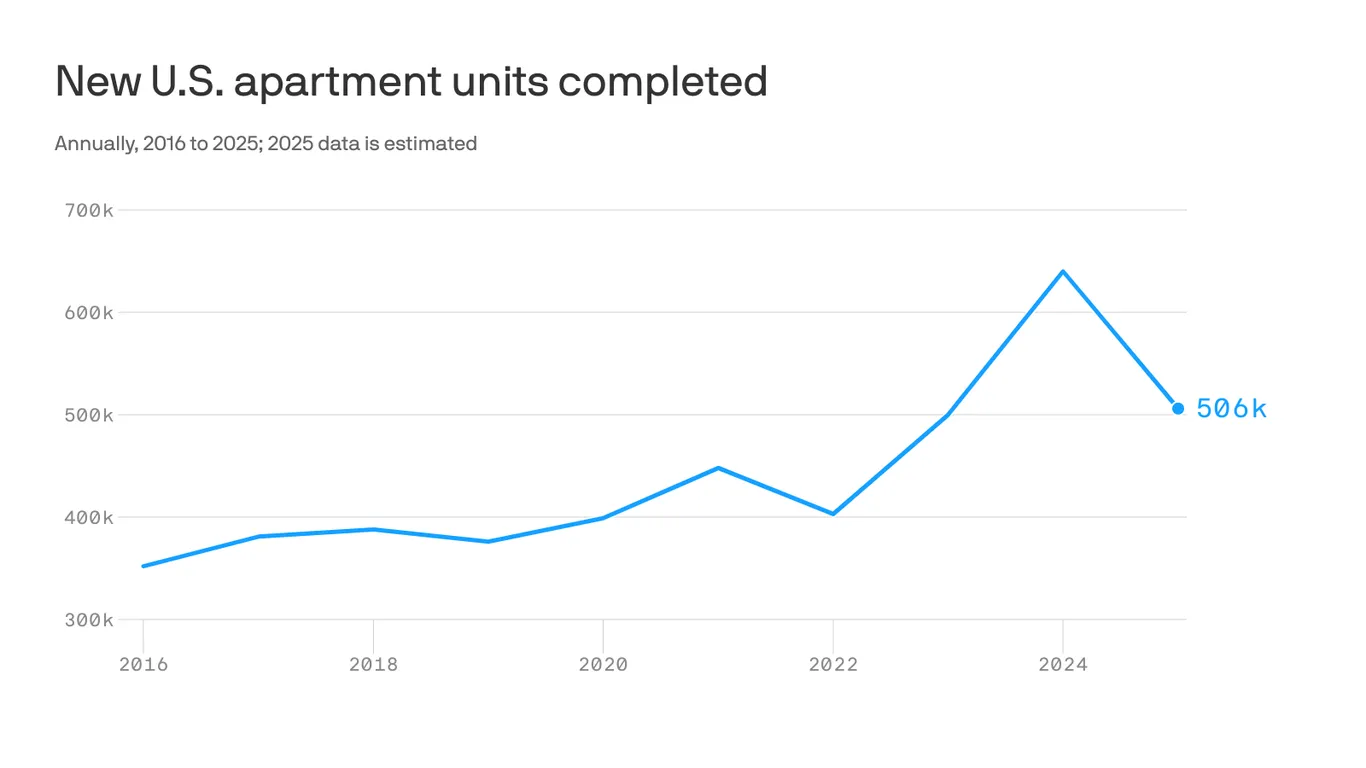
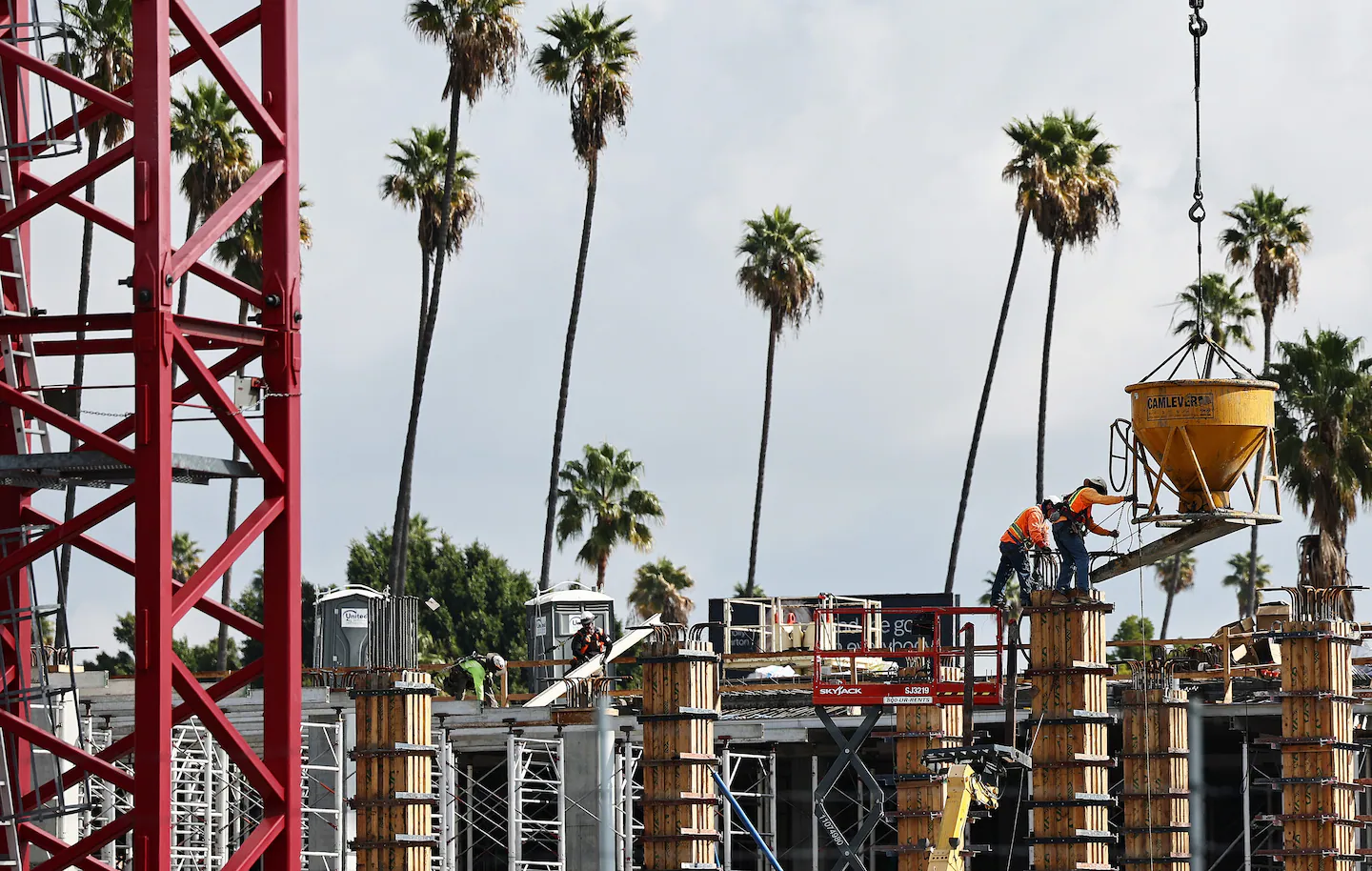
The apartment construction boom in the US is slowing down due to higher costs and market saturation, especially in the South and West, leading to potential rent increases and a focus on luxury units, while rental markets in the Midwest and Northeast remain tight.
Rent prices in California's largest metropolitan areas have generally decreased year-over-year, with Sacramento experiencing the largest drop at over 6.5%. However, Los Angeles saw a 4% increase, reaching a median rent of $3,515 per month. Nationally, the median monthly rent was $1,964, slightly lower than December 2022. Factors contributing to this trend include lackluster demand, seasonal trends, and a construction boom leading to rising supply and vacancies. Salt Lake City and Austin experienced the largest declines, while Providence and Columbus saw the largest rent increases.
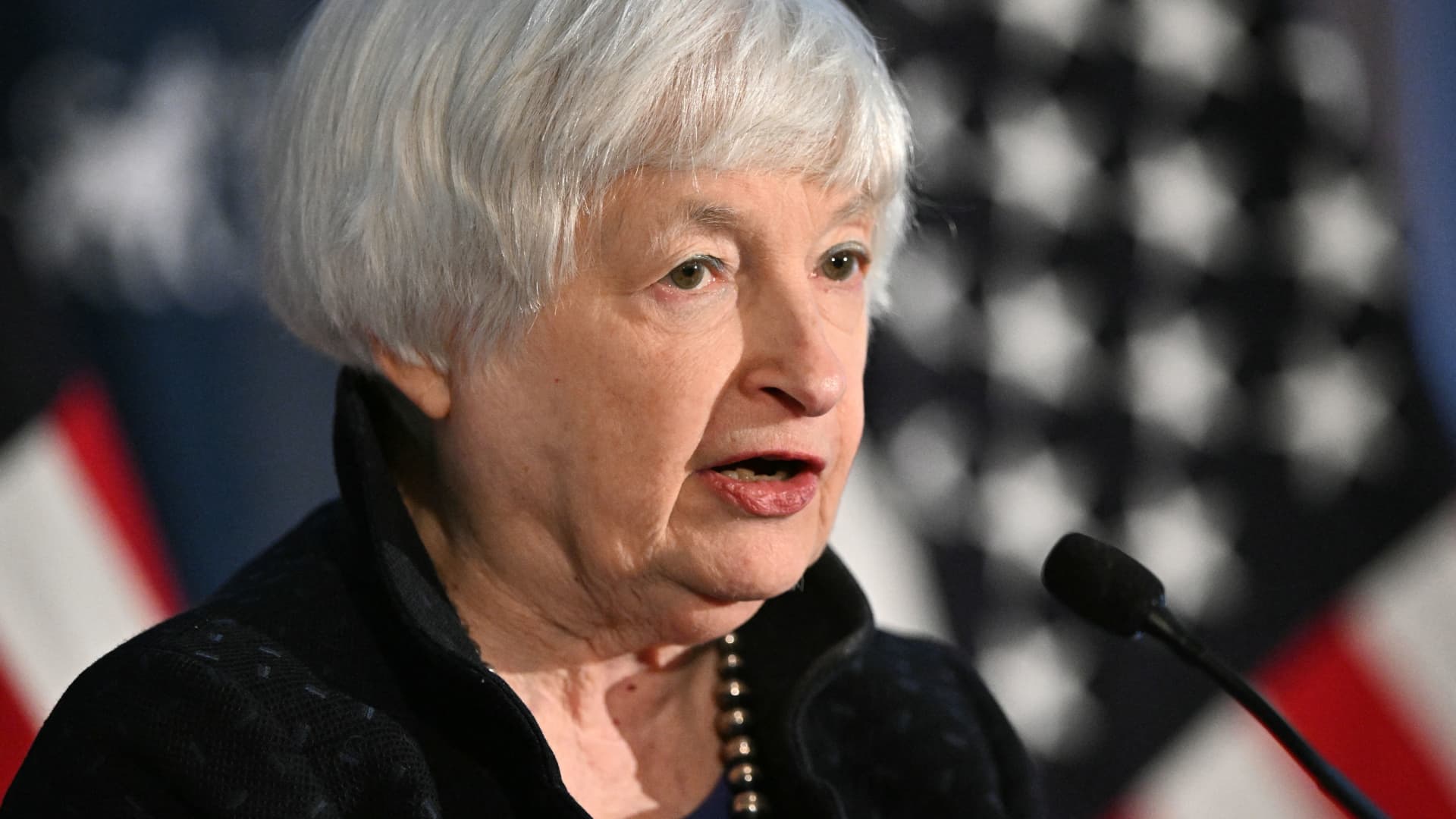
Treasury Secretary Janet Yellen highlighted the impact of high food and rent prices on voters' negative economic outlook. While overall inflation rates have decreased, food prices have consistently outpaced baseline inflation, and rent price inflation remains high. This disparity between the Biden administration's perception of progress and voters' monthly household expenses is a significant challenge for President Biden's reelection campaign, as nearly 60% of registered voters disapprove of his handling of the economy. Yellen emphasized the need to explain the administration's economic achievements and expressed hope that as inflation decreases and the labor market remains strong, Americans will recognize the progress made.
A new study published in Real Estate Economics has found that banning short-term rentals, such as those offered by Airbnb, can lead to a decrease in long-term rents. The study examined the impact of Irvine, California's ban on short-term rentals in 2018 and found that within two years, long-term rents decreased by 3% on average. The researchers estimated that this reduction in rents amounted to a decrease of $80.7 million in annual total rental spending. The findings support previous research that has shown how short-term rentals can drive up rents and home prices, exacerbating the affordable housing crisis. While banning Airbnb alone may not solve the housing shortage, it can contribute to making housing more affordable by increasing the supply of long-term rentals and reducing competition for housing.
Rent prices in the US have dropped for the fifth consecutive month, making it more affordable to rent than buy in nearly every major market, according to a report by Realtor.com. Median asking rents in the 50 largest metropolitans fell to $1,747 in September, down from the peak in July last year. Rental affordability has improved due to an increase in multifamily construction rates, resulting in a decline in rents for studios, one-bedroom, and two-bedroom apartments. The report found that renting was more affordable than buying in 47 of the top 50 metros. However, despite the recent decline, rent prices are still considerably higher than pre-pandemic levels.
Migrants and locals in Portugal joined protests against soaring rents and house prices, fueled by gentrification and tourism. The housing crisis has made apartments unaffordable for many, with a 65% increase in Lisbon rents since 2015. Migrants, particularly Brazilians, who make up 40% of Portugal's migrant community, are particularly vulnerable, earning around 20% less than Portuguese workers. The protests called for higher salaries, rent controls, and solutions to rising interest rates. The 2021 census revealed that nearly 38% of Portugal's foreign population lived in overcrowded households, highlighting the urgent need for affordable housing.
Apartment rents in the US are on the verge of declining as a result of a massive influx of new supply. Rents in August 2022 were only 0.28% higher than the previous year, a significant drop from the 11% annual growth seen in the past. The high supply of new units, with over a million built in the past three years, has given renters more options and reduced landlords' pricing power. While rents have already gone negative in some local markets, the Midwest and Northeast regions continue to see strong rent increases. The supply is expected to remain high through next year, potentially pushing rents lower until 2025, but a drop in new construction in 2026 may allow rents to recover.
Rent prices in the United States continue to rise, with the national median rent price reaching $2,038 in July, just $15 less than the peak in August 2022. Rental growth has slowed since last September but has still increased by 14% over the past two years. While rental markets vary by state and region, South Dakota saw the highest year-over-year increase in rent prices at 23%. The Midwest and South experienced moderate rent growth, with New York State being the only outlier among the top 10 yearly gainers. Among the 50 most populous metropolitan areas, the Midwest had the largest share of rent gainers, while some areas in the West saw declines in rent prices.
Rent prices in the US have been steadily increasing for the past four months, with a 1.7% growth from May to June and a total increase of over 3% since April. However, prices remain below last summer's peak. The national median rent price is now $2,029, representing a 5% increase from February and the highest price since August 2022. Rent growth has been more moderate compared to previous years, thanks to new inventory and slower-than-normal price increases during the high season for rentals. Rent prices have gone up in the Northeast and Midwest, while the West has seen declines. Among the 50 most populous metropolitan areas, California dominates the list of cities with the largest rent increases, while Austin, Texas, experienced significant rent declines at -14%.
Portugal is facing a severe housing crisis due to an increase in foreign investment in property and a lack of affordable new homes. The average rent in Lisbon is now just over €2,000, while the minimum wage is about €760. The crisis has sparked numerous campaigns pushing for more affordable housing. The government is putting a stop to Golden Visas and short-term rentals permits, as well as limiting rent increases to 2%. However, for most, it's too little, too late.
The US housing market could see relief later this year as home prices stabilize, mortgage rates decline, and rent price growth continues to slow. Economists expect the Federal Reserve to pause rate hikes for a time while it observes incoming economic data, which could allow mortgage rates to fall even further. However, Congress must act on the debt ceiling to avoid an unprecedented default, which could shatter the US financial system. A US debt default could be devastating for homebuyers as economists predict already-high buying costs would climb by double digits.
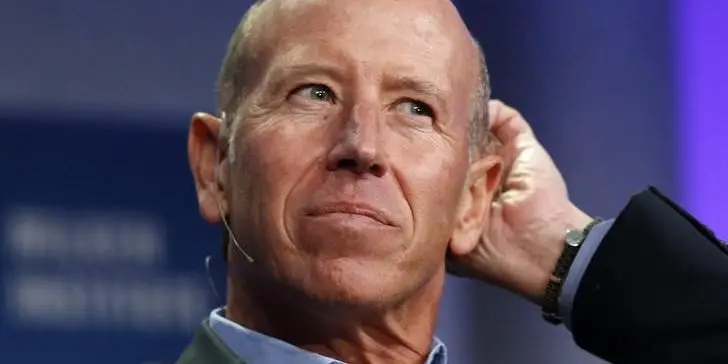
Billionaire investor Barry Sternlicht predicts that inflation will drop off due to falling rent and housing prices. He pointed to the recent drop in rent prices, which will eventually pull down shelter inflation. Sternlicht estimated that the impact of lower rents would show up mid-year, which could show major progress on the Fed's inflation fight, as housing prices account for around a third of headline CPI. However, he warned that high interest rates could overtighten the economy into a severe recession, and predicted a severe downturn ahead for the US economy.
Billionaire investor Barry Sternlicht predicts that inflation will drop off due to falling rent and housing prices. He pointed to falling rent prices in recent months, which will eventually pull down shelter inflation. Sternlicht estimated that the impact of lower rents would show up mid-year, which could show major progress on the Fed's inflation fight, as housing prices account for around a third of headline CPI. However, he warned that high interest rates could overtighten the economy into a severe recession.