Tag

Housing Supply

All articles tagged with #housing supply

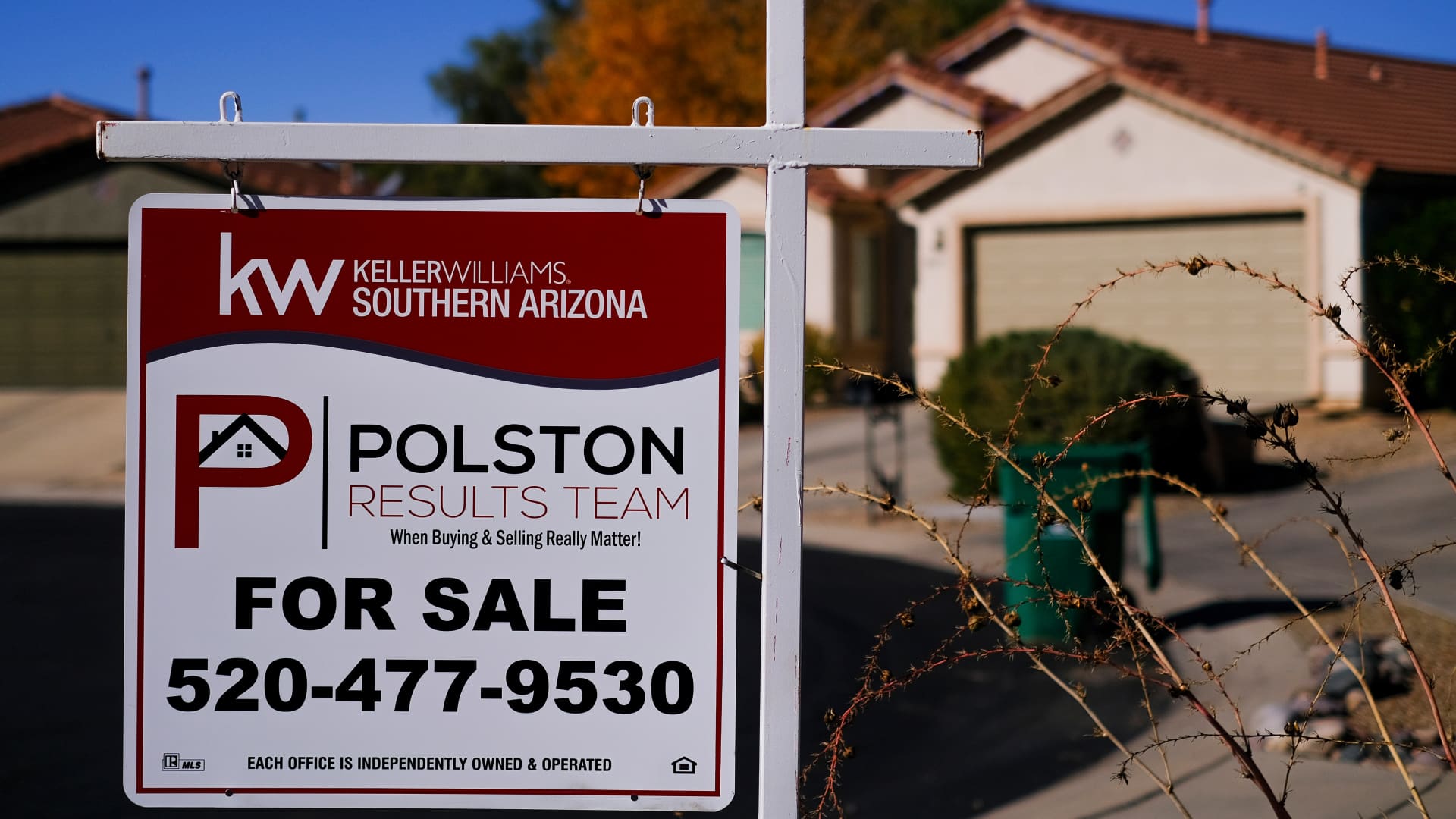
US Home Sales Improve in November Amidst Ebbing Listings and Rising Prices

Originally Published 23 days ago — by CNBC

Featured image for US Home Sales Improve in November Amidst Ebbing Listings and Rising Prices
Source: CNBC

November home sales in the US saw a slight increase of 0.5% from October but remained 1% below November 2024, with supply declining and prices reaching record highs, driven by high mortgage rates and limited inventory, while affordability concerns persist despite wage growth.

Twin Cities' Housing Policies: Lessons from Repeated Experiments

Originally Published 26 days ago — by The Washington Post

Featured image for Twin Cities' Housing Policies: Lessons from Repeated Experiments
Source: The Washington Post

Rent control policies, despite their popularity among populists, tend to worsen housing affordability by reducing supply, discouraging maintenance, and increasing initial rents, as evidenced by examples from Minneapolis, St. Paul, Los Angeles, and international cases. Cities repeatedly implement these policies, often leading to negative outcomes like decreased building permits and higher initial rents, with some regions like Argentina experiencing rent drops after abolishing controls. Experts warn that rent caps are counterproductive and suggest alternative approaches to address housing affordability.

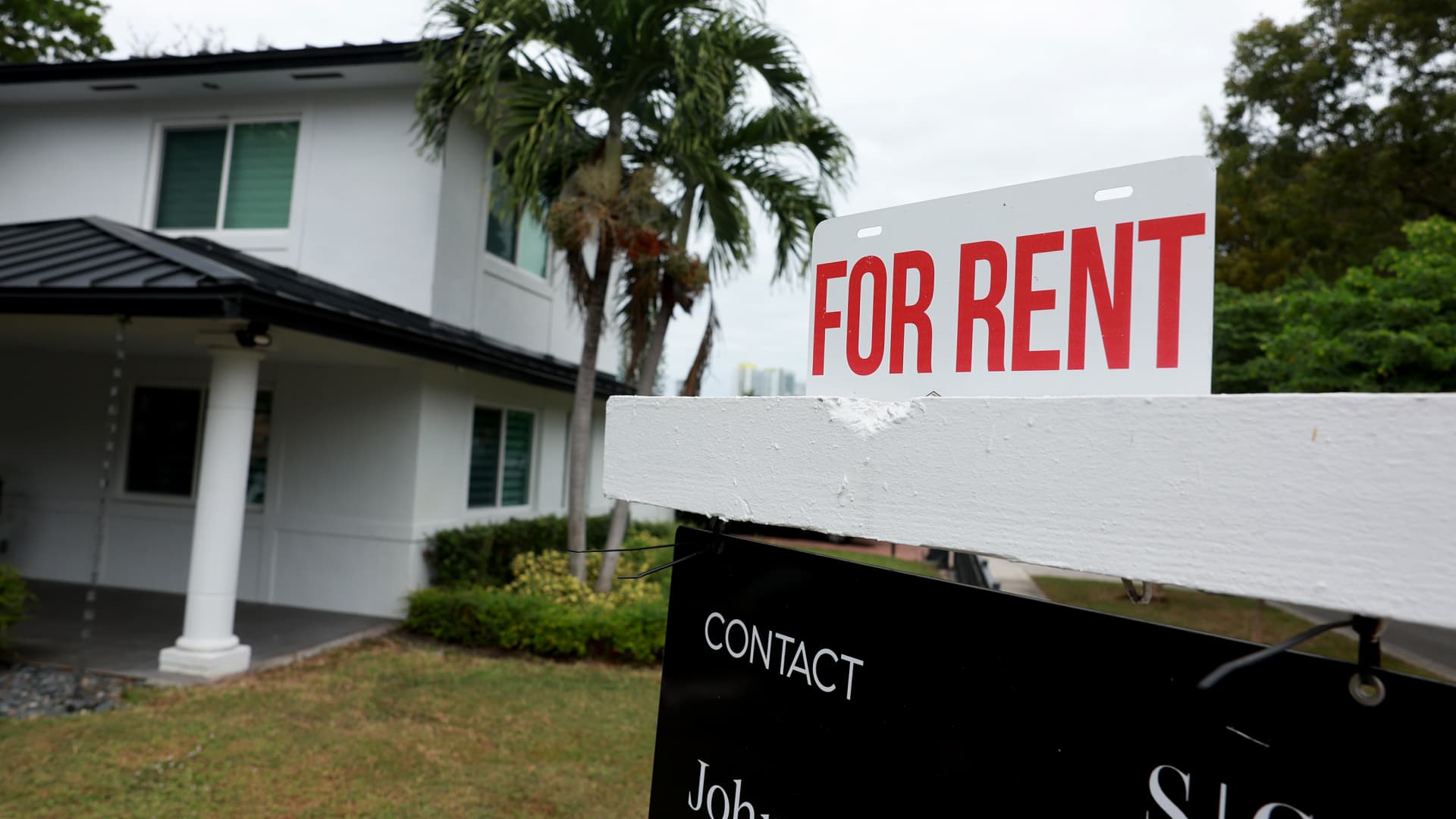
Single-family rent growth reaches 15-year low, report shows

Originally Published 2 months ago — by CNBC

Featured image for Single-family rent growth reaches 15-year low, report shows
Source: CNBC

Rent growth for single-family homes has slowed to its lowest in 15 years, rising only 1.4% in August, with regional differences and a cooling in multifamily apartment rents due to increased supply. High-end properties are faring slightly better, but overall, the market shows signs of moderation after a period of rapid growth.

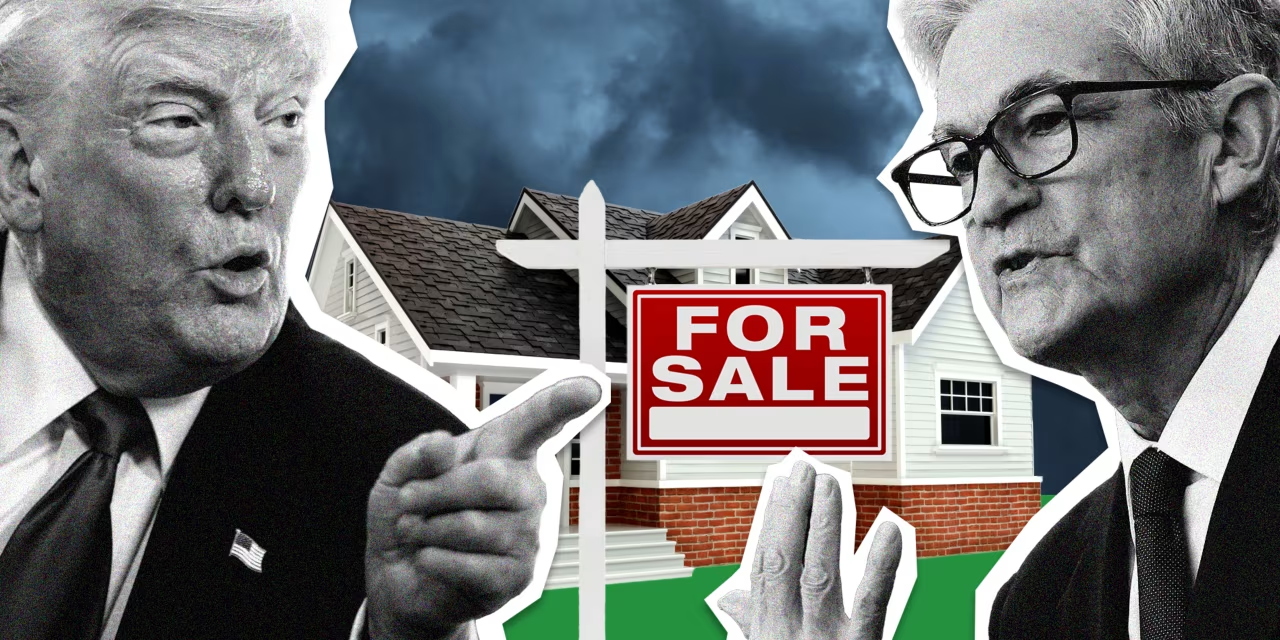
Housing Market Challenges Amidst Fed and Rate Hike Uncertainties

Originally Published 5 months ago — by MarketWatch

Featured image for Housing Market Challenges Amidst Fed and Rate Hike Uncertainties
Source: MarketWatch

The article explains that the housing affordability crisis in the U.S. is primarily due to a long-term housing shortage and rising home prices, rather than solely high interest rates set by the Fed. While elevated mortgage rates contribute to the problem, structural issues like limited supply and high demand are the main factors. Fed policies influence mortgage rates indirectly, but addressing the crisis requires broader efforts including increasing housing supply and wage growth.

Bipartisan Senate Housing Bill Gains Momentum to Tackle Affordability

Originally Published 5 months ago — by Axios

Featured image for Bipartisan Senate Housing Bill Gains Momentum to Tackle Affordability
Source: Axios

The Senate Banking Committee has unanimously advanced a significant bipartisan housing bill aimed at increasing housing supply by reducing zoning and building regulations, providing grants and loans for low- and moderate-income homeowners, and streamlining environmental reviews, reflecting a rare consensus on addressing the U.S. housing crisis.

US Home Prices Slow Down Amid High Rates and Record Highs

Originally Published 6 months ago — by CNBC

Featured image for US Home Prices Slow Down Amid High Rates and Record Highs
Source: CNBC

Home prices in the US are cooling faster than expected due to rising supply and declining demand, with a notable slowdown in price increases across many markets, driven by higher mortgage rates and a constrained housing supply, though prices remain above pre-pandemic levels and major declines are unlikely.

Mortgage Rates Drop as Housing Supply Increases, Leaving Buyers in a Bind

Originally Published 7 months ago — by Wolf Street

Demand in the housing market has plummeted, with mortgage applications dropping 39% from 2019 levels, leading to increased housing supply as homes sit longer on the market. Despite mortgage rates stabilizing around 6.9%, high home prices, which surged during the Fed's rate repression in 2020-2022, continue to suppress demand. The collapse in mortgage originations has also impacted the mortgage industry, with significant layoffs. Many potential homebuyers are waiting for prices to fall, incomes to rise, or rates to decrease, keeping the market frozen.

Trump's Return Signals Prolonged High Mortgage Rates

Originally Published 1 year ago — by Axios

Featured image for Trump's Return Signals Prolonged High Mortgage Rates
Source: Axios

Mortgage rates have risen following President-elect Trump's victory and are expected to remain high, according to Redfin's Chen Zhao. Despite Trump's campaign promises to slash mortgage rates and ease building regulations, these are not directly controllable from the White House. Plans to make federal lands available for development could increase housing supply, particularly in the Mountain West, but the impact depends on the specifics of land availability. Trump's focus on mass deportations may affect labor supply for home building, but immigration is not a major factor in the current housing supply crunch.

"Rising Home Prices: The Growing Affordability Crisis Across the U.S."

Originally Published 1 year ago — by Fox Business

Featured image for "Rising Home Prices: The Growing Affordability Crisis Across the U.S."
Source: Fox Business

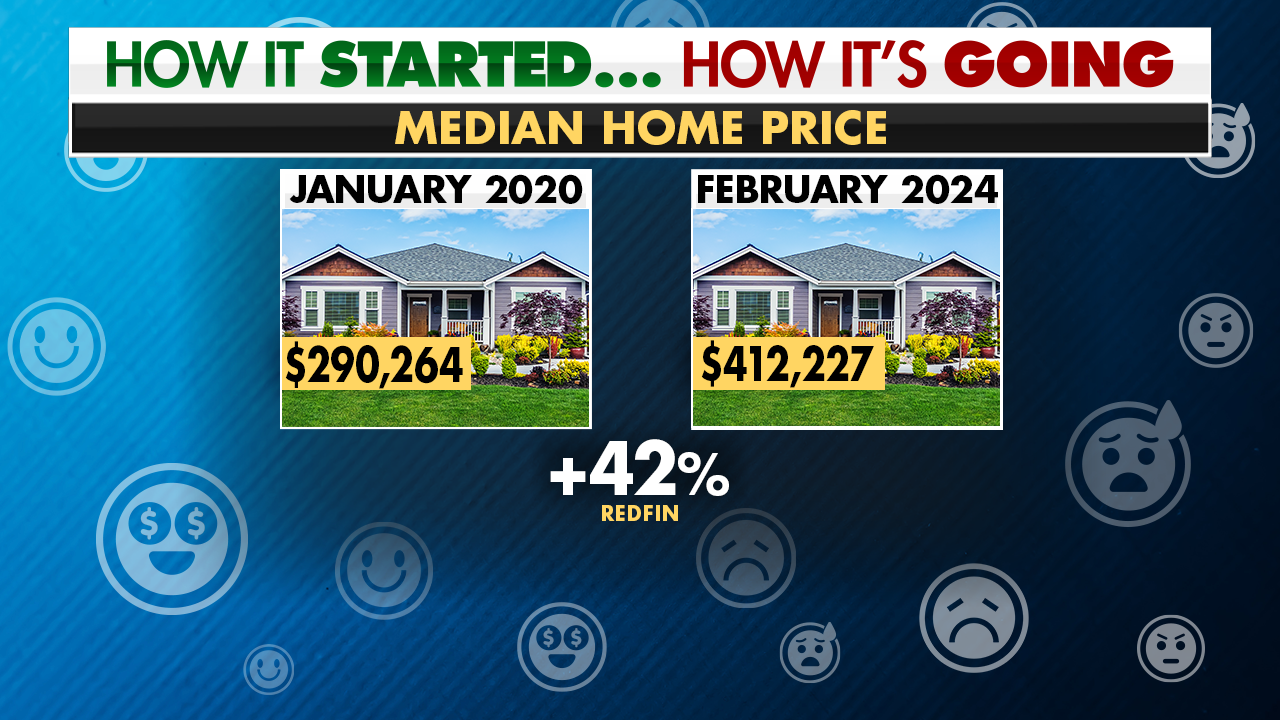
A study shows that homes in nearly half of the 50 states now require a six-figure salary to afford, marking a significant increase since Biden took office. The median price for a home is $402,343, requiring an annual income of $110,871, a 46% increase from January 2020. Factors such as limited housing supply, rising home prices outpacing wage growth, and elevated mortgage rates contribute to the affordability crisis. Housing affordability is expected to be a key issue for voters in the 2024 presidential election, prompting Biden to unveil initiatives aimed at improving affordability, including tax credits for first-time homebuyers and efforts to build and renovate more homes.

"Rising Income Requirements for Homebuyers in Competitive Housing Markets"

Originally Published 1 year ago — by CNBC

Featured image for "Rising Income Requirements for Homebuyers in Competitive Housing Markets"
Source: CNBC

Housing affordability has become increasingly challenging for Americans due to factors beyond high mortgage rates, with the typical household now needing to earn about $106,500 annually to afford the typical home, an 80% increase from 2020. The disconnect between housing costs and wages, along with tight housing supply and restrictive land-use and zoning regulations, are contributing to the issue. Experts suggest that easing zoning restrictions and increasing housing density could help alleviate the affordability crisis, with some areas already seeing a surge in new construction due to relaxed zoning rules.

"Biden-Harris Administration's Initiatives to Increase Affordable Housing Supply and Support Manufactured Homes"

Originally Published 1 year ago — by The White House

Featured image for "Biden-Harris Administration's Initiatives to Increase Affordable Housing Supply and Support Manufactured Homes"
Source: The White House

The Biden-Harris Administration has announced new actions to boost housing supply and lower housing costs, including bolstering federal programs for affordable housing, supporting manufactured housing communities, and promoting fairer rental markets. These actions aim to create tens of thousands of affordable homes, make it easier to finance the purchase of manufactured homes, and clarify banned non-rent fees in HUD-assisted properties. The Administration is also providing new resources to prevent unfair evictions and ensure tenants' rights for military service members.

Renters Rejoice: Asking Rents Plummet to 3-Year Low

Originally Published 2 years ago — by Business Insider

Featured image for Renters Rejoice: Asking Rents Plummet to 3-Year Low
Source: Business Insider

Median asking rents in the US have experienced their largest year-over-year drop since February 2020, according to a report by Redfin. The surge in housing supply has led to an increase in rental vacancies, prompting landlords to offer more concessions to attract tenants. While this may be good news for renters in the short term, Redfin cautions against expecting a broader rent drop in the coming years, as the supply of single-family homes remains limited. Additionally, larger rental units may see higher prices due to the demand from growing families and the popularity of remote work.

2024 Housing Market Predictions: Rising Home Sales, Falling Mortgage Rates

Originally Published 2 years ago — by Fox Business

Featured image for 2024 Housing Market Predictions: Rising Home Sales, Falling Mortgage Rates
Source: Fox Business

Fannie Mae predicts that mortgage rates will continue to drop in the coming years, reaching 6.9% for the 30-year mortgage by 2025. This gradual decline in rates is expected to lead to a modest rebound in home sales, with volumes projected to increase from 4.8 million in 2023 to 5.3 million in 2025. Fannie Mae also forecasts a mild recession in 2023, with a decline in GDP, while housing supply is expected to remain limited. The decline in mortgage rates has already resulted in lower monthly payments for homebuyers, offsetting the increase in home prices.

Housing Supply Remains an Issue as Mortgage Rates Dip: Freddie Mac

Originally Published 2 years ago — by Fox Business

Featured image for Housing Supply Remains an Issue as Mortgage Rates Dip: Freddie Mac
Source: Fox Business

Mortgage rates have continued to drop for the fifth consecutive week, enticing buyers back into the market. However, the shortage of affordable homes remains a significant issue. Pending home sales have slumped to their lowest level in 20 years, and limited housing inventory is preventing housing demand from being fully satisfied. Despite the uncertainty surrounding the Federal Reserve's monetary policy, economists predict a continued drop in mortgage rates. The new conforming loan limits for 2024 allow homebuyers to obtain larger mortgages backed by Fannie Mae and Freddie Mac, providing potential opportunities for refinancing and purchasing homes at the higher end of the new limit.