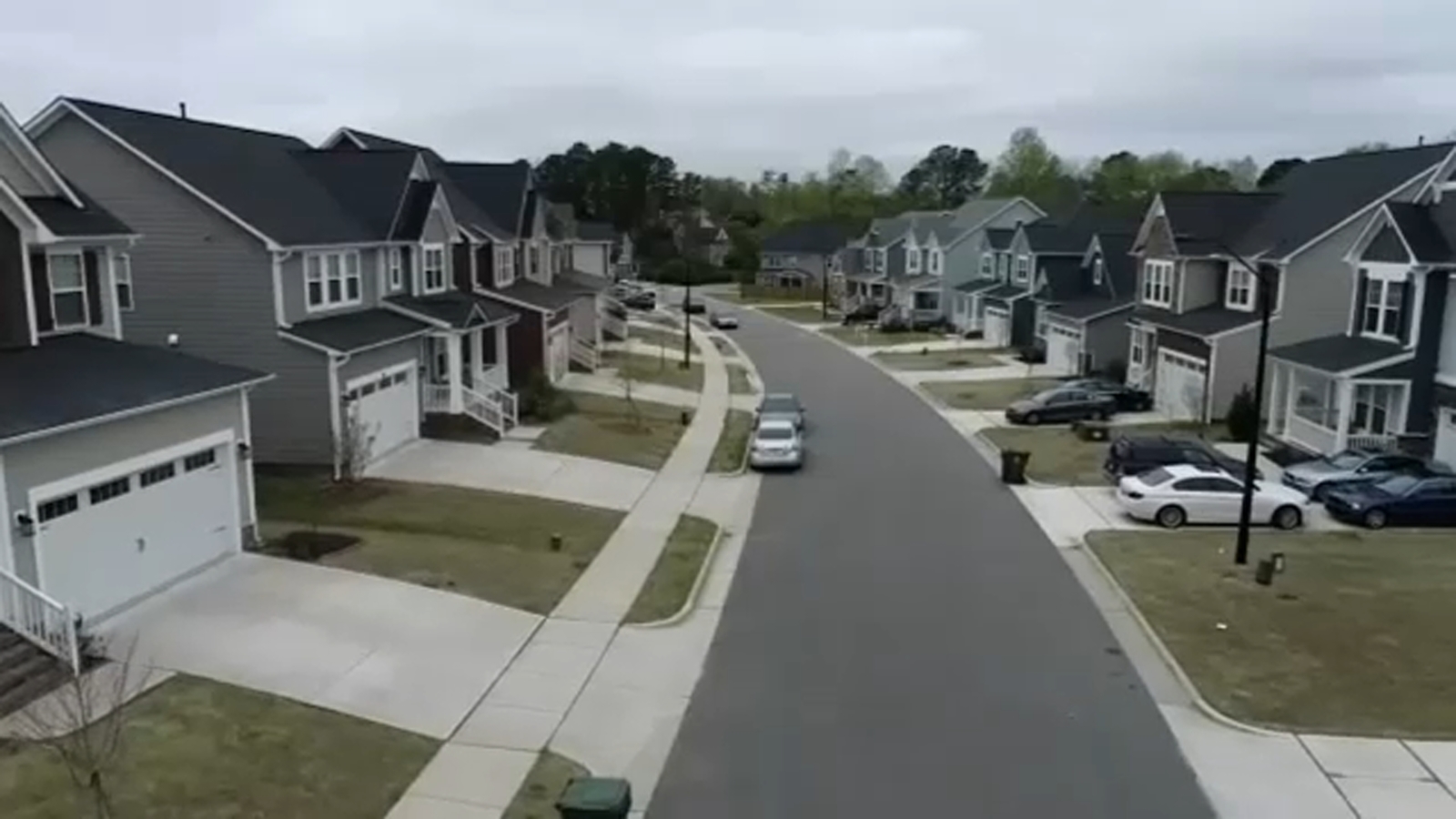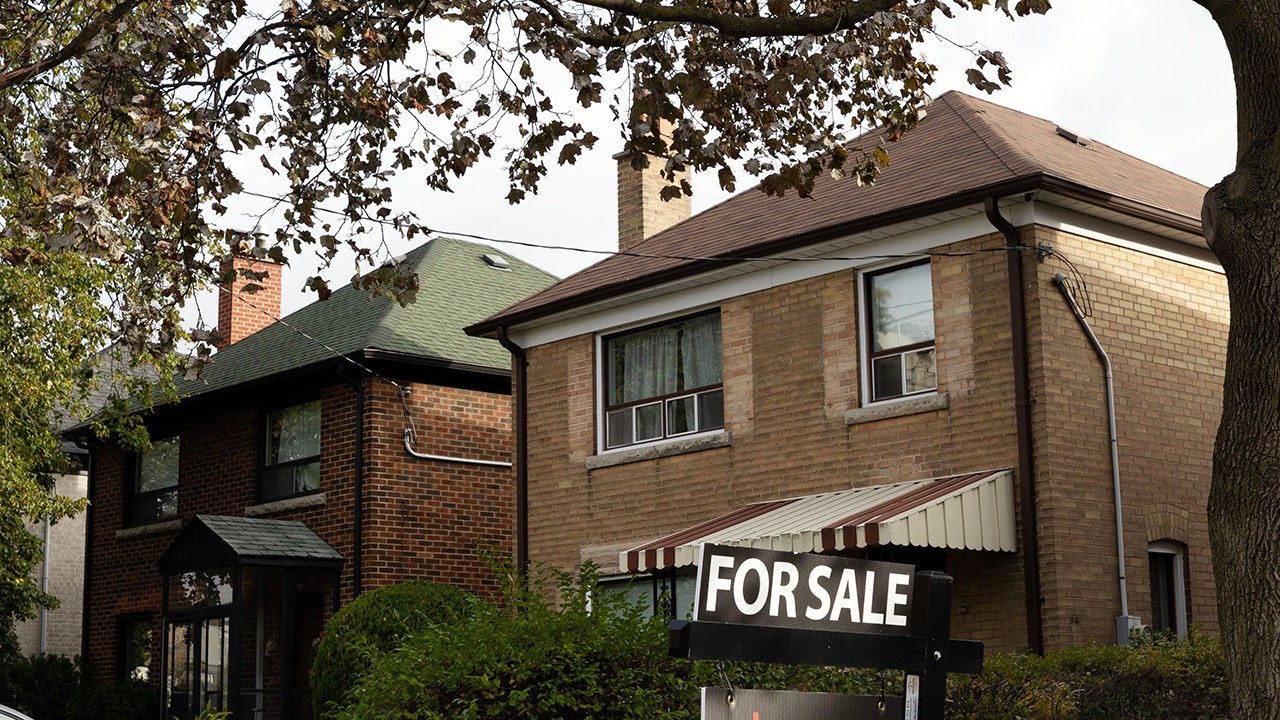
Home prices in the Triangle have reached record highs due to a population boom and competitive market, despite stagnant sales and high mortgage rates. Inventory has increased nationally, but local demand remains high, with many homes receiving multiple offers. Real estate agents suggest new construction homes as a viable option for buyers, especially first-time homebuyers.
Mortgage rates for 30-year mortgages are expected to drop below 6% by the end of 2024, according to a Fannie Mae forecast, but housing affordability remains low, with just 15.5% of listings considered affordable for an average U.S. household in 2023. New construction homes are becoming increasingly popular, especially among millennials, and are expected to continue thriving in 2024. Despite the affordability challenges, home sales are projected to rise, with potential for 4.5 million units sold in the last quarter of 2024.
A resident of the Village of Belle Aire expresses concern over non-compliant homes being sold by the family/developer, stating that the deed restrictions should apply to all homes sold by them. The resident argues that the family/developer should be responsible for completing factual seller's disclosures and ensuring compliance with all deed restrictions. They believe that buyers should not be expected to identify non-compliant issues in new construction, and independent inspectors may not be aware of deed issues. The resident calls for the family/developer to bring all sold properties into full compliance with the deed restrictions.
Economists predict that the housing market in 2023 will experience the slowest home sales since the 2008 housing bubble burst, with an estimated 4.1 million sales of existing homes due to high mortgage rates and low inventory. Mortgage rates are currently at their highest levels in over two decades, discouraging potential buyers and leading to a drop in mortgage applications. The last time sales were this low was during the Great Recession, and while it opened up opportunities for first-time buyers, the current high rates are causing more homebuyers to stay put, exacerbating inventory issues. However, sales of newly built homes are holding up better than existing home sales, with prices dropping and builders being more motivated to close deals.
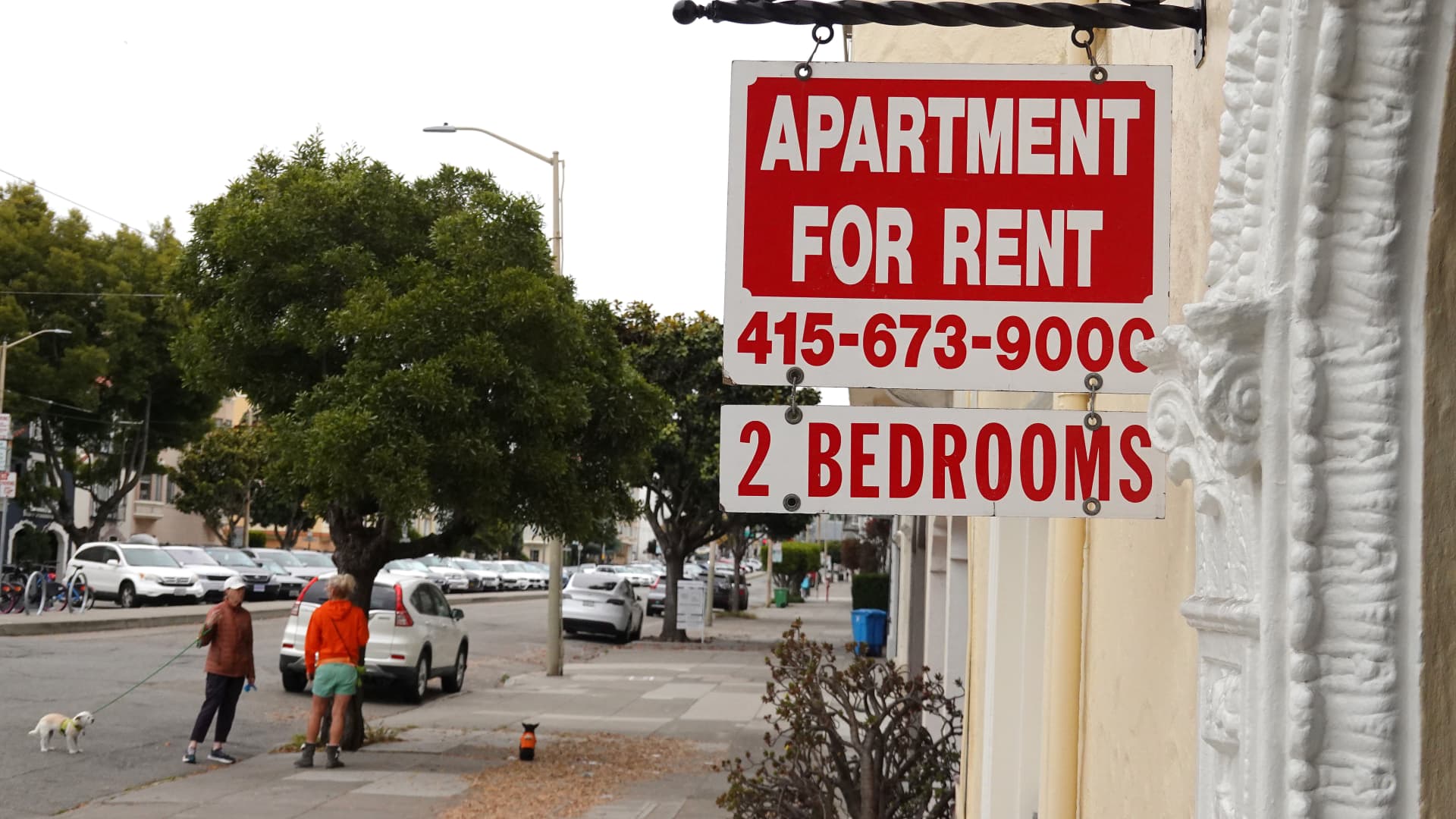
Apartment rents in the US are on the verge of declining as a result of a massive influx of new supply. Rents in August 2022 were only 0.28% higher than the previous year, a significant drop from the 11% annual growth seen in the past. The high supply of new units, with over a million built in the past three years, has given renters more options and reduced landlords' pricing power. While rents have already gone negative in some local markets, the Midwest and Northeast regions continue to see strong rent increases. The supply is expected to remain high through next year, potentially pushing rents lower until 2025, but a drop in new construction in 2026 may allow rents to recover.
Surging mortgage rates have reshaped the housing market, with sales of existing homes declining while new homes are selling fast. The higher interest rates have priced out some buyers, leading to a decrease in sales of existing homes. Many sellers are also reluctant to move due to their lower interest rate mortgages, constraining the supply of homes. Despite fewer existing homes changing hands, bidding wars and high prices persist. With limited options, more buyers are turning to new construction, where sales have increased. Builders have been offering discounts and designing smaller houses to keep prices in check.
Prospective homebuyers, especially first-time buyers, are facing challenges in the housing market due to low inventory, high mortgage rates, and stiff competition. However, there is hope in the form of new construction. Recent data shows a surge in groundbreakings and builders are selling houses at a faster pace, indicating increased confidence and motivation to meet the demand. Builders are offering incentives such as rate buydowns to attract buyers. The existing-home market remains frozen, pushing buyers towards new construction. While the building boom is still uncertain due to factors like borrowing rates and labor shortages, it could potentially alleviate the housing shortage. However, experts caution that the increase in new housing starts is not enough to bridge the gap, and sustained growth is needed to meet the demand.
US home prices reached a new high in May, driven by deep inventory constraints, according to a report by Black Knight. Prices increased 0.7% from April to an annualized rate of 8.9%, with active listings declining sharply in 95% of major markets. The low inventory levels have made the housing market tough for buyers, leading to rising mortgage rates and pushing prices higher. While new construction offers some hope, affordability is close to hitting its lowest point since the Reagan era, with mortgage rates remaining high and deterring current homeowners from listing their properties.
The recent viral tweet suggesting a collapse in Airbnb revenue as a potential solution to America's housing shortage is misleading. Both Airbnb and another dataset contradict the findings in the tweet, with Airbnb reporting increased travel activity and a modest 3% decline in revenue per listing. The housing crisis in the US is driven by factors such as a lack of housing supply, high home prices, and low mortgage rates. Short-term rentals like Airbnbs only make up a small portion of the housing market and are not the primary cause of the housing shortage. To address the housing crisis, there is a need for increased new construction, lower interest rates, reduced construction costs, and more liberal zoning regulations.
Despite a dip in mortgage rates, homebuyers are still struggling to find properties to buy due to a record-low inventory of homes for sale. The volume of mortgage applications for purchases increased by 2% on a seasonally adjusted basis for the week ending June 16, but overall purchase activity was down 32% from the same week a year earlier. The limited share of homes on the market has also kept prices elevated this spring, and still-high rates are no help for homebuyers looking for a bargain. However, builders are picking up the demand that isn’t being satiated in the resale market, and new home sales have increased, with construction of both single and multi-family homes increasing by 21.7% in May.
Homebuilders are rushing to meet increased demand and close deals as soon as possible, potentially leading to mistakes and cutting corners in new construction. Issues such as improperly installed insulation, missing tiles, and drainage problems have been reported by real estate professionals. Buyers should get a professional home inspection done to avoid costly issues down the road. The pressure to sell quickly and get paid within hours of getting the certificate of occupancy issued by the city may be driving some of the mishaps in new construction.
Homebuilder sentiment in the market for newly built homes rose in April for the fourth straight month, as the supply of existing homes for sale remains scarce. The National Association of Home Builders/Wells Fargo Housing Market Index climbed to 45 in April, a 1-point gain. Builders cited a lack of listings on the resale market, which gave them an unusually strong edge. Slightly lower mortgage rates are also helping demand. Meanwhile, sales expectations in the next six months increased 3 points to 50.