Christie's is shifting its focus towards millennials and luxury goods to combat challenges in the traditional art market, aiming to attract a new generation of buyers amid industry struggles.
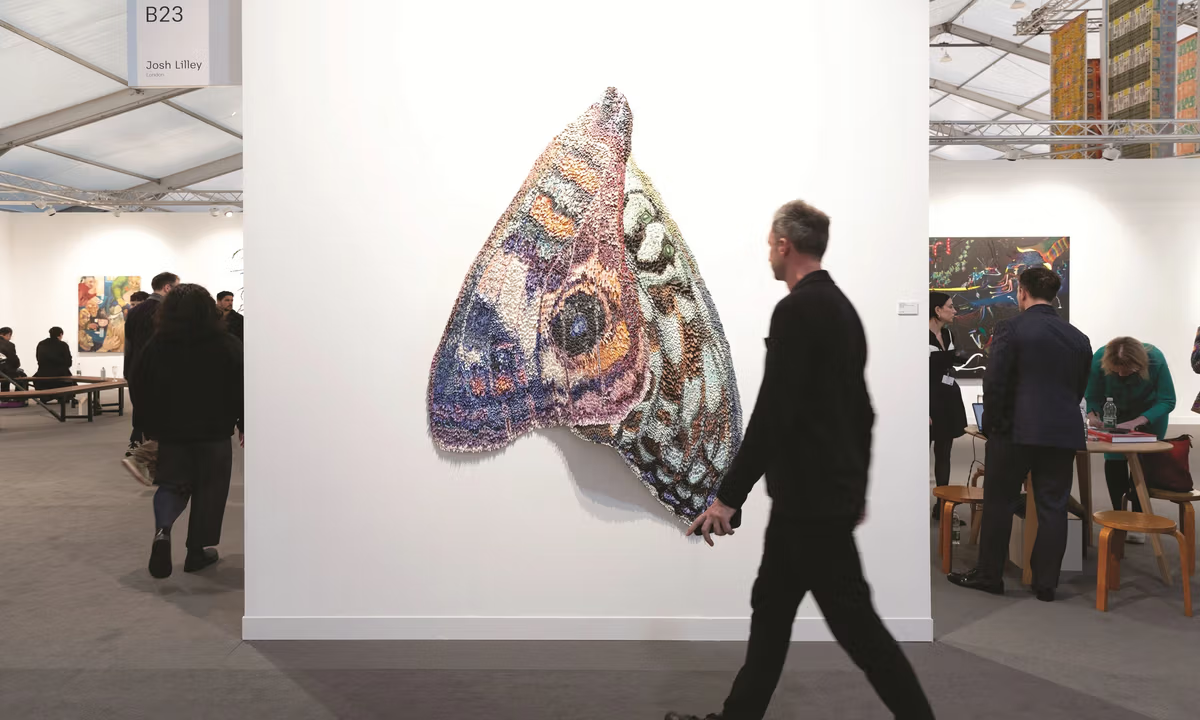
Frieze London 2025 showcases a resilient art market with strong sales, especially in high-quality works, despite economic and geopolitical challenges. Galleries report a more considered, patience-driven buying approach, with notable sales including Magritte and Münter pieces, and textiles from the Indigenous Wichí collective. The event highlights London's enduring appeal and adaptability in the art world, emphasizing quality over urgency.
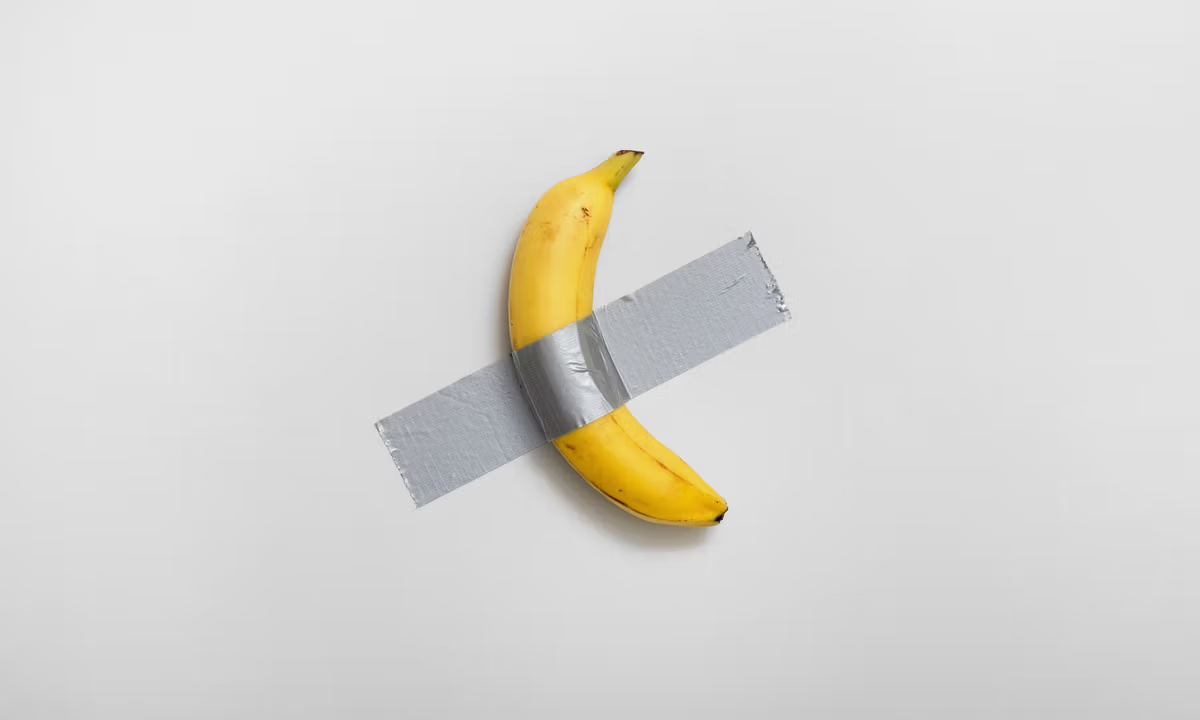
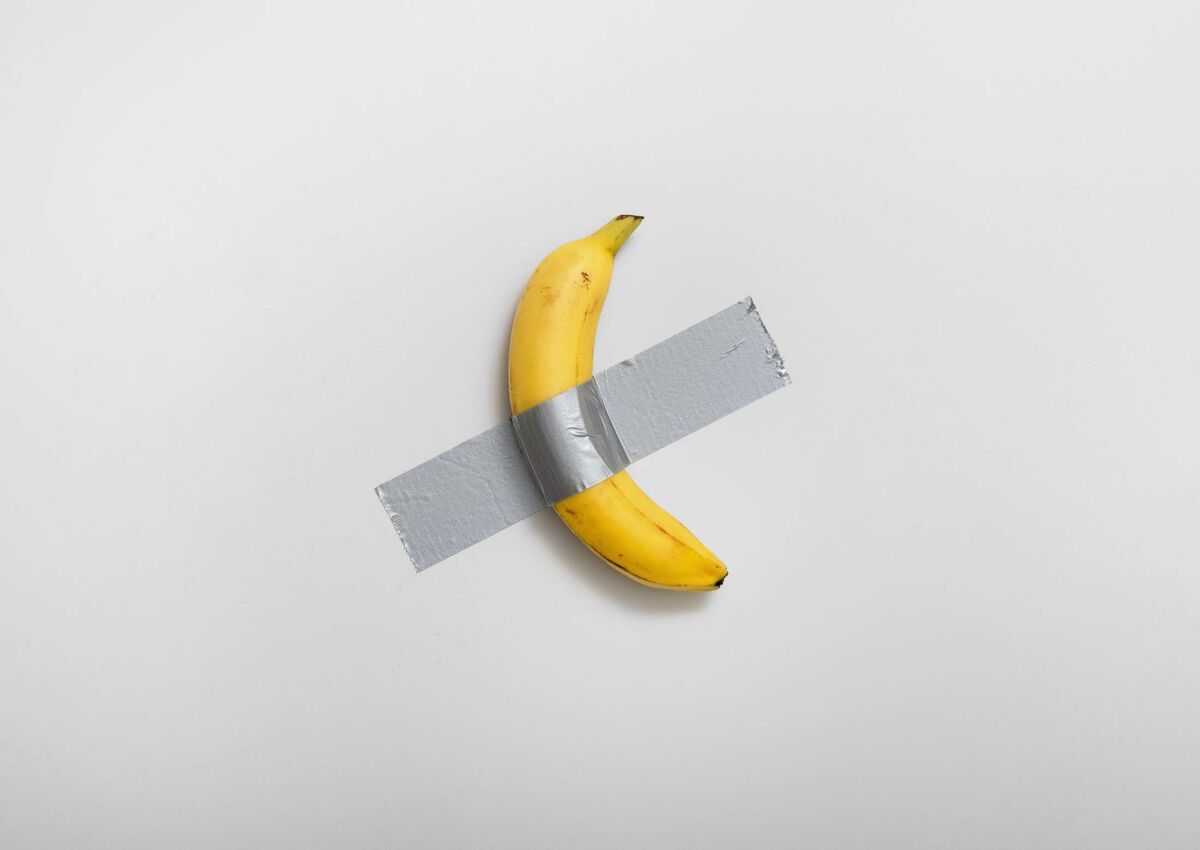
Maurizio Cattelan's artwork 'Comedian', a banana duct-taped to a wall, sold for $6.2 million at Sotheby's New York, far exceeding its estimated value. The winning bid came from Justin Sun, a Chinese collector and founder of the cryptocurrency platform Tron, who plans to pay in cryptocurrency and eat the banana as a tribute to its cultural significance. The piece, which has sparked debate over art market excess and its own absurdity, includes a certificate of authenticity and display instructions.
Maurizio Cattelan's artwork 'Comedian,' featuring a banana duct-taped to a wall, sold for $6.2 million at Sotheby's auction. The buyer, crypto entrepreneur Justin Sun, considered paying with his cryptocurrency Tron or Bitcoin, which was at a record high during the auction. This sale highlights the intersection of contemporary art and digital currency.
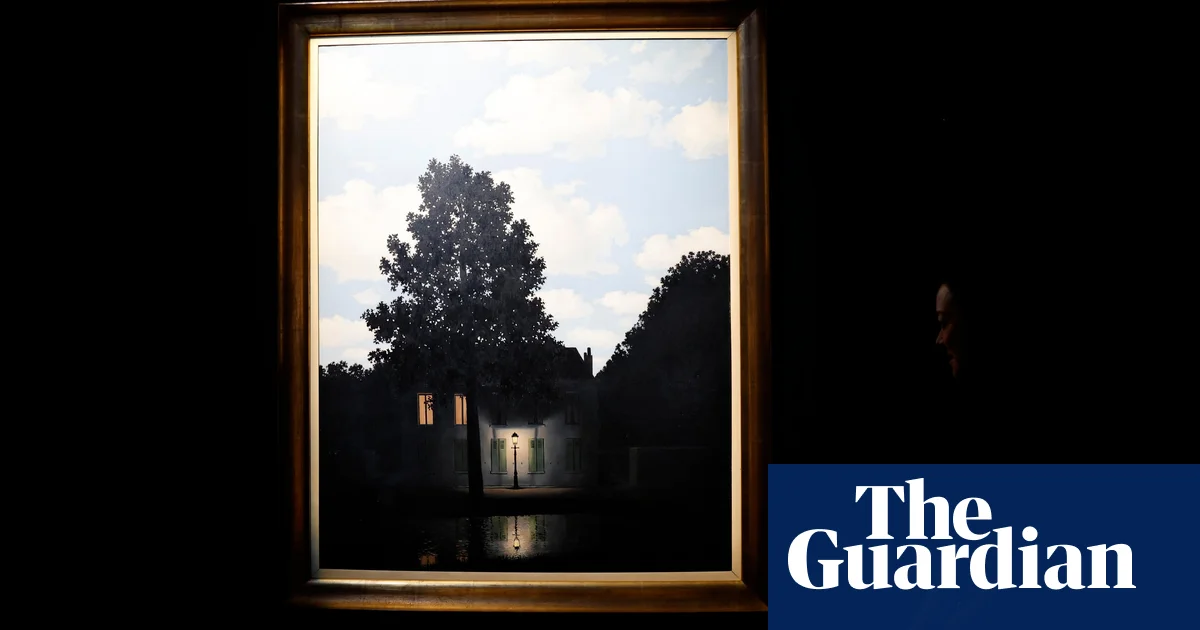
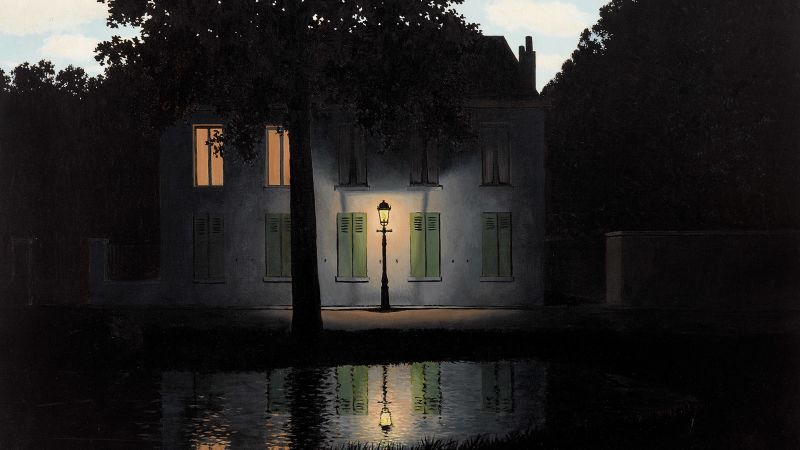
René Magritte's 1954 painting 'Empire of Light' sold for a record $121.16 million at Christie's in New York, setting a new high for both the artist and surrealist art at auction. The painting, part of Mica Ertegun's private collection, exceeded its $95 million valuation after a 10-minute bidding war. This sale highlights the autumn auction season amid a slowing art market, with Christie's reporting $2.1 billion in sales for the first half of the year, down from previous years.
René Magritte's painting 'L'empire des lumières' sold for over $121 million at a Christie's auction in New York, setting a new record for the Surrealist artist. The 1954 artwork, known for its juxtaposition of night and day, was part of the late Mica Ertegun's collection. The sale comes amid a slowdown in global art sales, highlighting the unique market dynamics when iconic works are auctioned. Other notable sales included works by Ed Ruscha, Max Ernst, and David Hockney.
Orlando Whitfield, a former friend of art dealer Inigo Philbrick, details the inside story of the biggest art fraud in American history in his book "All That Glitters." Philbrick swindled millions of dollars from friends, business associates, investors, and collectors through a series of fraudulent art deals, leading to his imprisonment and a seven-year sentence for wire fraud. Whitfield describes the corrupt and unregulated art market as a world of drugs, luxury, and manipulation, ultimately leading to his own breakdown and decision to leave the art dealing industry.
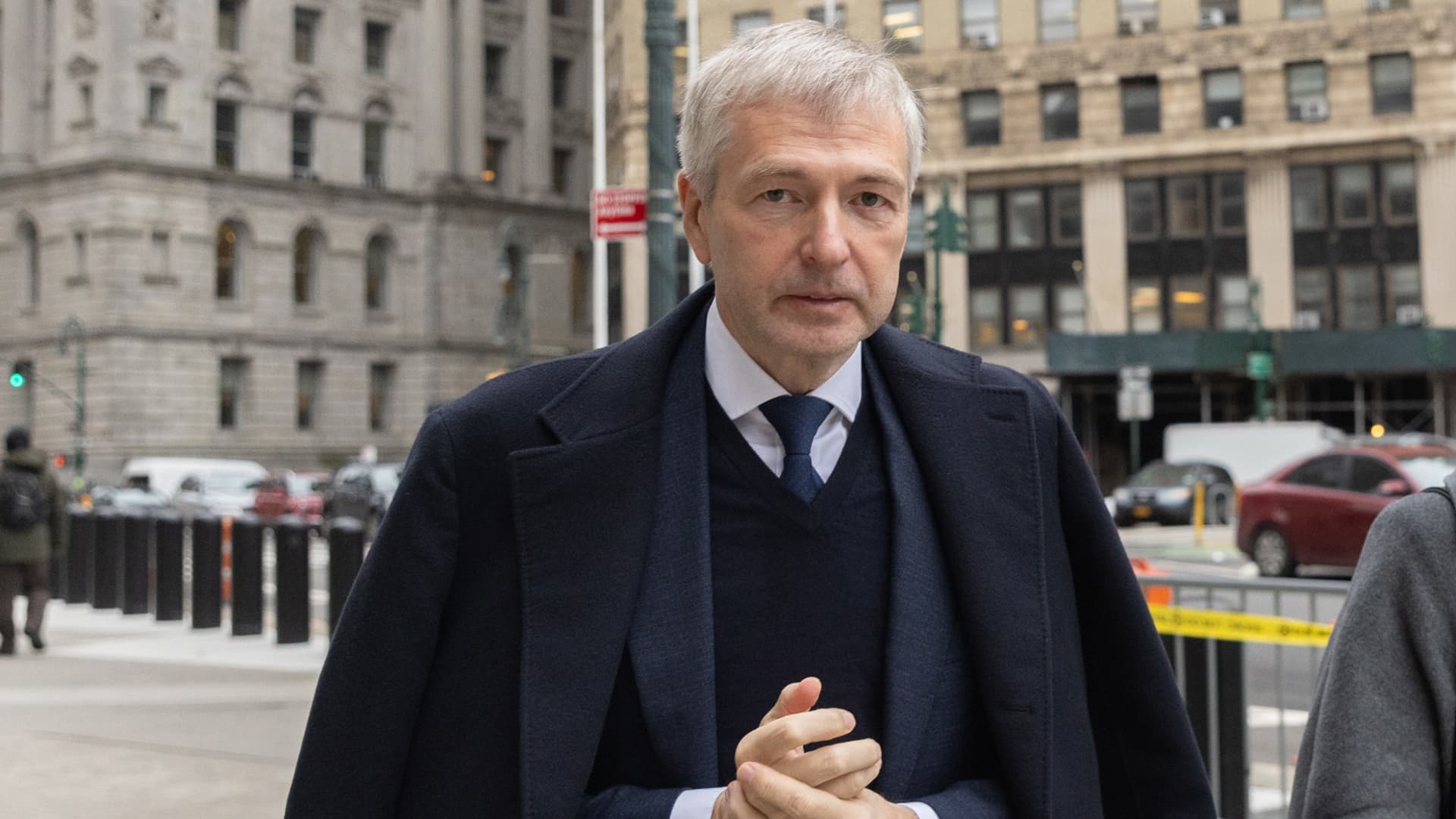
The Sotheby's art fraud trial concluded with the jury unanimously finding that Sotheby's had not played a role in any fraud, clearing the auction house of accusations made by Russian oligarch Dmitry Rybolovlev. The trial shed light on the inner workings of the art market and featured testimony from Rybolovlev, who accused a Swiss art dealer of cheating him. The dealer, Yves Bouvier, was not a defendant in the case and expressed feeling vindicated after the verdict. Rybolovlev's interest in art was described as having begun almost accidentally, stemming from a need to fill empty walls.
A federal jury in New York ruled in favor of Sotheby's, rejecting Russian oligarch Dmitry Rybolovlev's claim that the auction house had assisted a Swiss dealer in defrauding him of tens of millions of dollars in high-end art sales. The jury found that Sotheby's was unaware of any scheme and focused on selling art at the highest possible price to the buyer, whom they believed to be the dealer. Sotheby's stated that the verdict reaffirmed its commitment to integrity and professionalism, while the trial provided insight into the inner workings of the art trade.
Russian billionaire Dmitry Rybolovlev lost a lawsuit against Sotheby's, accusing the auction house of helping an art buyer defraud him by overpaying for art. The jury found for Sotheby's on all counts, relating to over $100 million in art purchases. The case involved art buyer Yves Bouvier, who allegedly inflated prices, with Sotheby's allegedly helping justify the fraudulent prices. Sotheby's denied any knowledge or participation in misconduct. Rybolovlev settled claims against Bouvier, and his lawyer highlighted the need for art market reforms.
Gustav Klimt's long-lost "Portrait of Fräulein Lieser," last seen in Vienna in the 1920s, has been rediscovered and is set to be auctioned, with an estimated value of 30-50 million euros. The painting, featuring a young woman, is a rare find and is expected to attract international attention. Its history and provenance have been carefully examined, and an agreement has been reached with the present owner and the descendants of the Lieser family based on guidelines for identifying and restoring artwork confiscated by the Nazis.
Russian billionaire Dmitry Rybolovlev accuses Sotheby's of colluding with a Swiss art dealer to cheat him out of tens of millions of dollars, testifying tearfully in court about feeling betrayed and emphasizing the need for transparency in the art market. He claims Sotheby's knew or should have known about the alleged fraud and seeks to hold them accountable for his losses. Sotheby's denies the allegations, arguing that Rybolovlev is trying to make an innocent party pay for someone else's actions. The trial revolves around the purchase of several art pieces, including the famous Leonardo da Vinci painting "Salvator Mundi," and has drawn attention to murky practices in the high-stakes art world.
Russian billionaire Dmitry Rybolovlev testified in the ongoing trial against Sotheby's, alleging that the auction house colluded with Swiss art dealer Yves Bouvier to overcharge him by $1 billion for artworks. Rybolovlev grew suspicious after learning of discrepancies in reported prices for artworks he had purchased, leading to doubts about the transparency of the art market. Sotheby's attorney emphasized Rybolovlev's role in the purchases and suggested that he was ultimately responsible for the transactions.
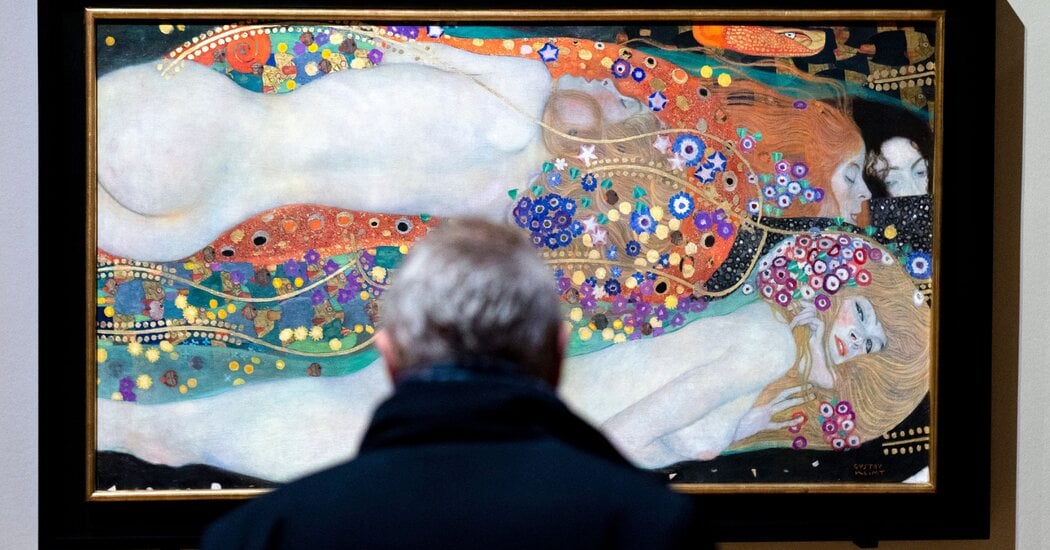
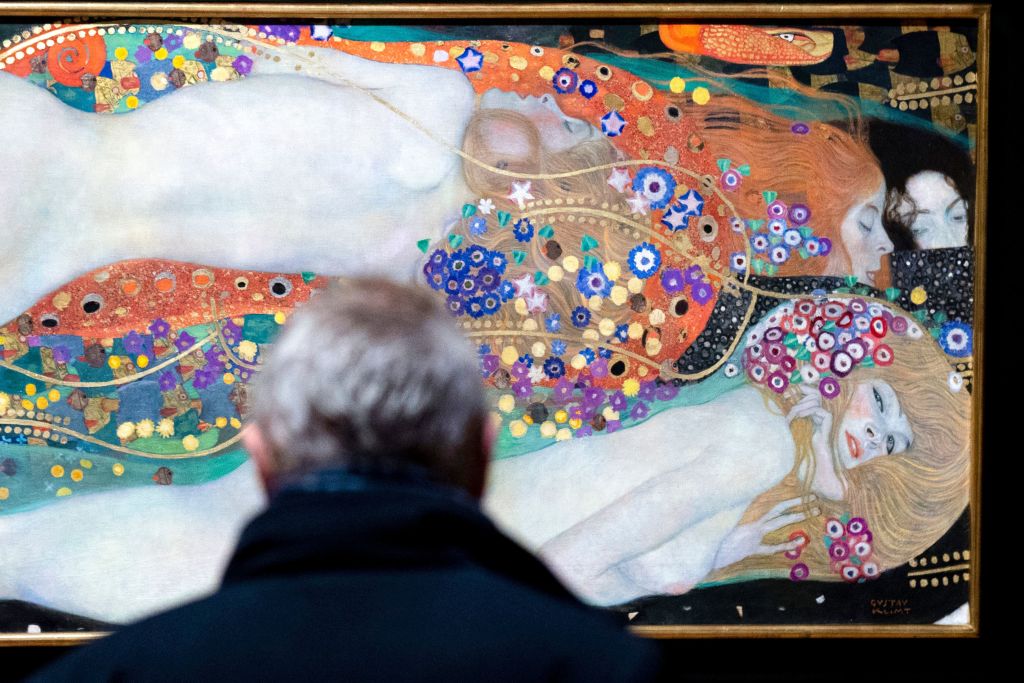
Russian oligarch Dmitry Rybolovlev is suing Sotheby’s, alleging that the auction house aided art dealer Yves Bouvier in overcharging him by $1 billion for 38 works of art. The case centers on Bouvier's dual role as both adviser and dealer, with Sotheby’s accused of inflating valuations to disguise Bouvier’s inflated prices. The artworks in question include pieces by Amedeo Modigliani, René Magritte, Gustav Klimt, and Leonardo da Vinci. The trial has the potential to shed light on questionable practices in the art market.
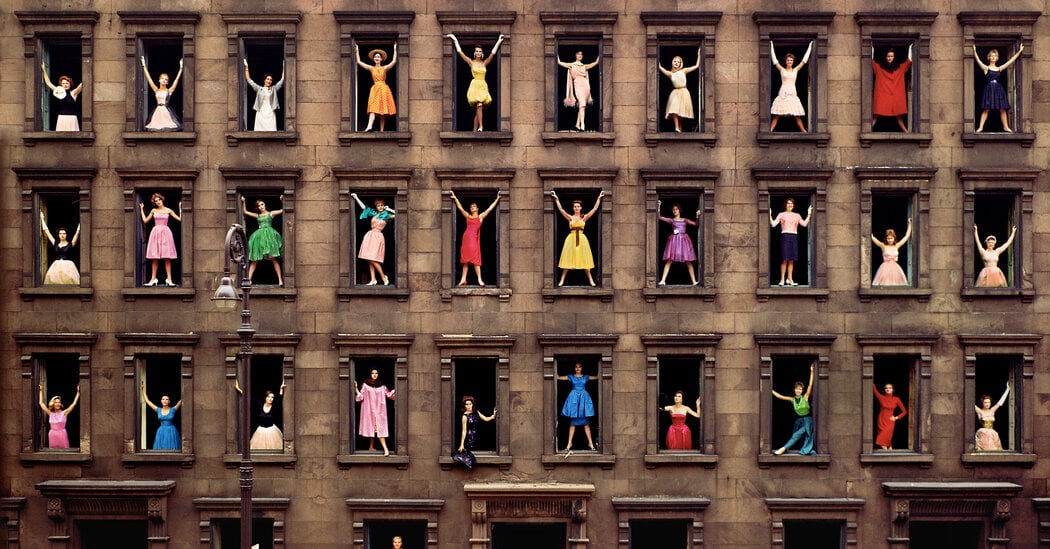
Ormond Gigli's photograph "Girls in the Windows" has become one of the most collected photographs in history, with over 600 signed and numbered copies sold over the last 30 years. The image, featuring models posing in the window frames of brownstones in Manhattan, has been offered at galleries worldwide and has been a popular item at auctions. With prices ranging from $15,000 to $30,000 per print, the photograph has potentially grossed around $12 million in total. The success of "Girls in the Windows" can be attributed to its unique sales strategy, which involved producing and selling a robust supply of prints in various sizes.