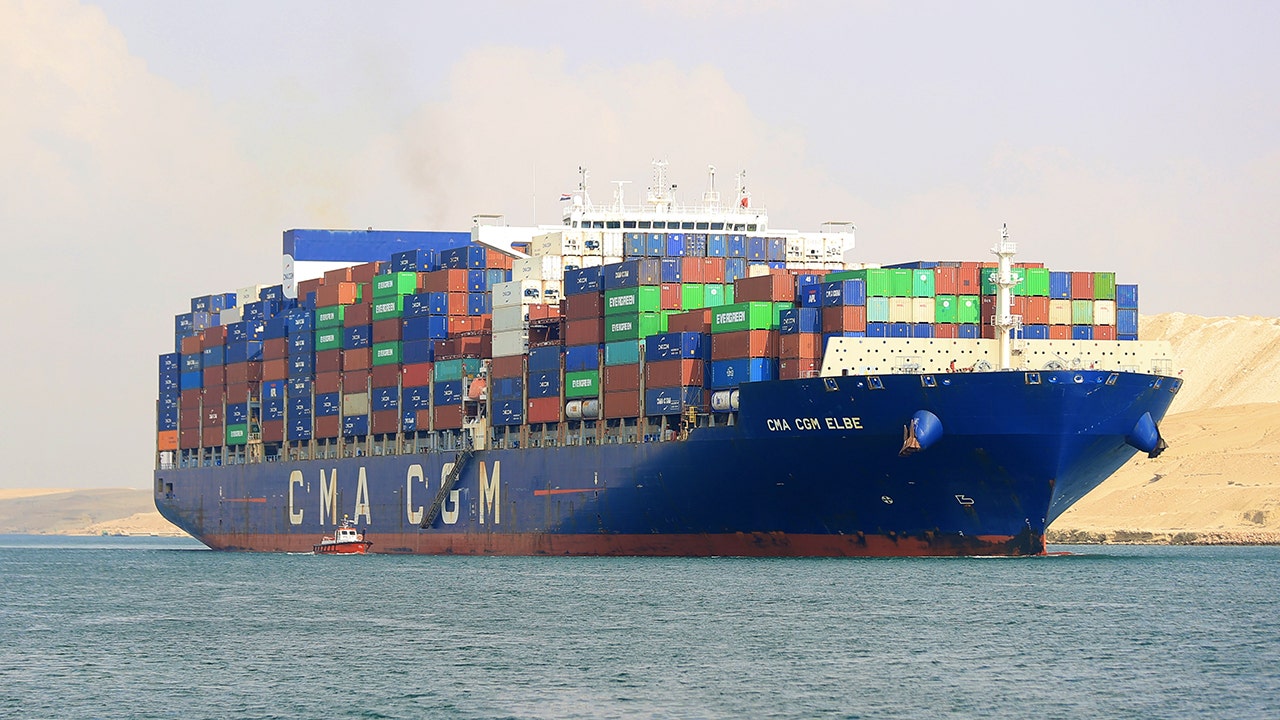
Global shipping rates have surged as Houthi attacks on commercial vessels in the Red Sea prompt diversions and surcharges, with rates for shipping from Asia to Northern Europe spiking 461%. About 15% of world shipping traffic passes through the Suez Canal, but many ships are now circumventing Africa due to the attacks. The disruptions are causing significant cost increases, delays, and fears of inflation, with concerns about the impact on global trade routes and potential consequences for global growth.
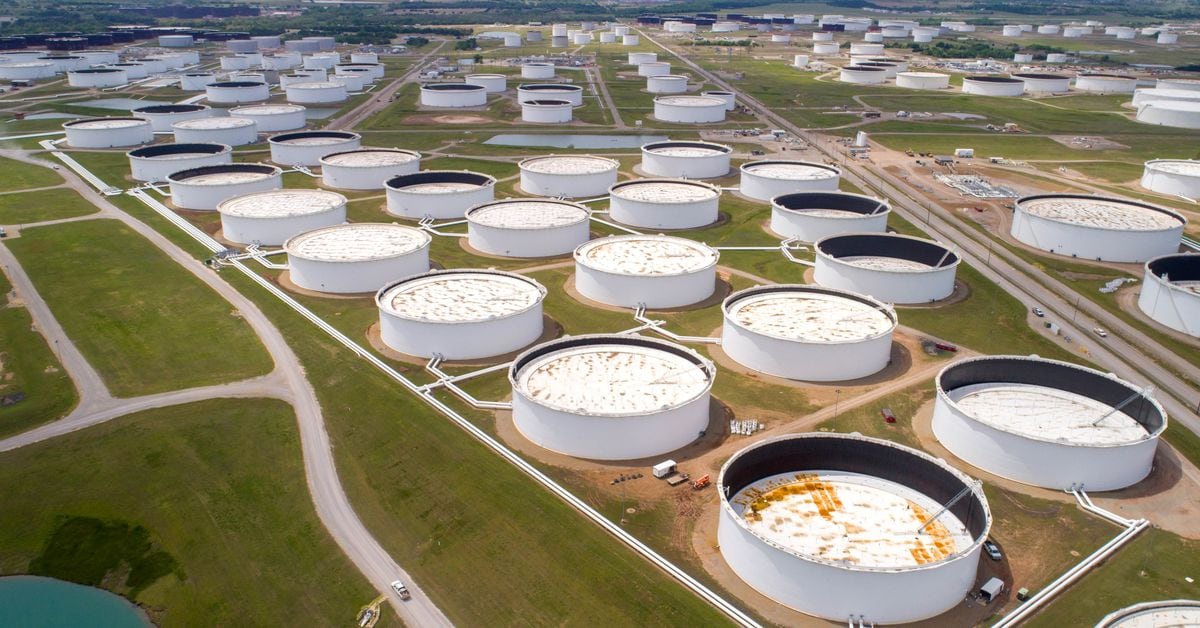
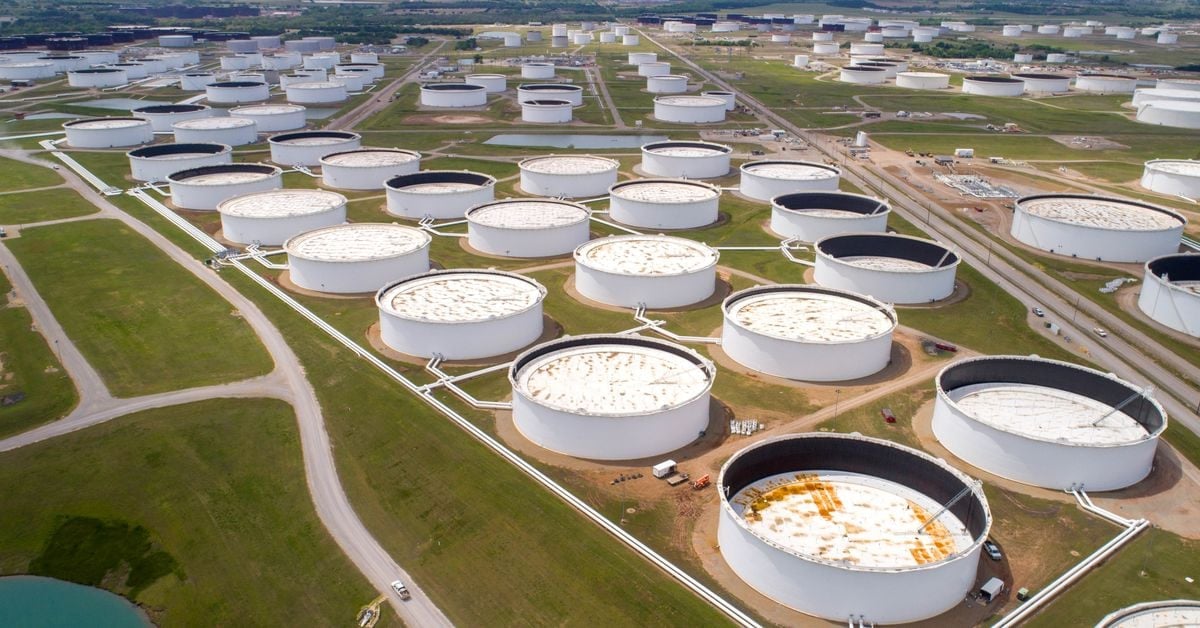
Brent crude oil prices remained steady near $80 a barrel as concerns over higher inventories and record output in the United States outweighed worries about global trade disruptions in the Red Sea. The US Energy Information Administration reported a rise in US crude inventories and record output, dampening market sentiment. While major maritime carriers are avoiding the Red Sea route, the impact on oil supply has been limited so far as most Middle East crude is exported through the Strait of Hormuz. The redirection of vessels around South Africa's Cape of Good Hope may increase transport and insurance costs, potentially fueling global inflation.
Share markets experienced a year-end wobble, with Wall Street suffering its biggest drop since September. The decline was attributed to a lack of resistance from Asia and Europe, as holidays approached and U.S. data awaited. European stocks fell, with the car sector, tech, and travel industries all experiencing losses. However, Commerzbank provided some positive news as its shares jumped after the European Central Bank approved its stock buyback plan. U.S. futures were pointing higher, and bond markets continued to rally. Italy's 10-year bond yields reached their lowest level since August 2022, while benchmark 10-year Treasuries remained at the same level as the beginning of the year. The yen rose against the dollar after Japan raised its growth projections. In the commodities market, oil prices hovered around $80 a barrel due to concerns over global trade disruptions and tensions in the Middle East.
Brent crude oil prices remained steady near $80 a barrel as concerns over higher inventories and record output in the United States outweighed worries about global trade disruptions in the Red Sea. The US Energy Information Administration reported a rise in US crude inventories and record output, dampening market sentiment. While major maritime carriers are avoiding the Red Sea route, the impact on oil supply has been limited so far as most Middle East crude is exported through the Strait of Hormuz. The redirection of vessels around South Africa's Cape of Good Hope may increase transport and insurance costs, potentially fueling global inflation.
The exodus of shipping companies from the Red Sea due to attacks by Yemen's Houthi militants is causing disruptions in global trade, with major shippers rerouting their vessels to avoid the area. This has led to significant price increases in some ports in Germany and a surge in freight rates. Greece has also advised its shippers to avoid the Red Sea, further impacting global trade routes. The situation is expected to result in higher costs for energy supplies, palm oil, and grains, which will eventually be passed on to consumers. The duration of the disruption and the involvement of naval forces in securing the Red Sea remain uncertain.