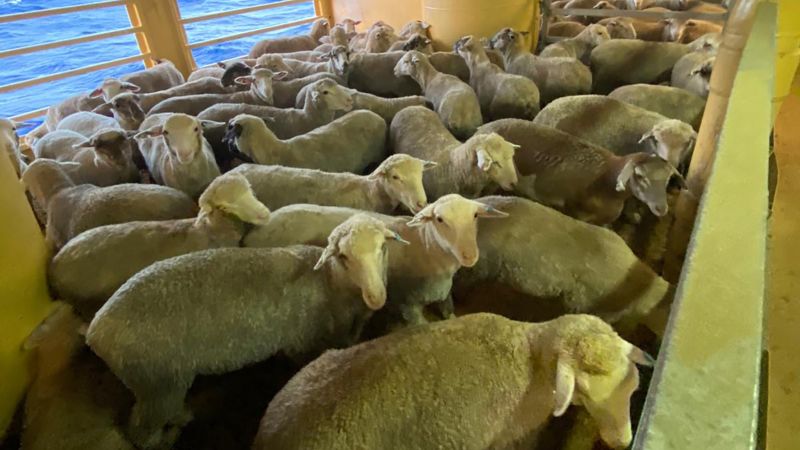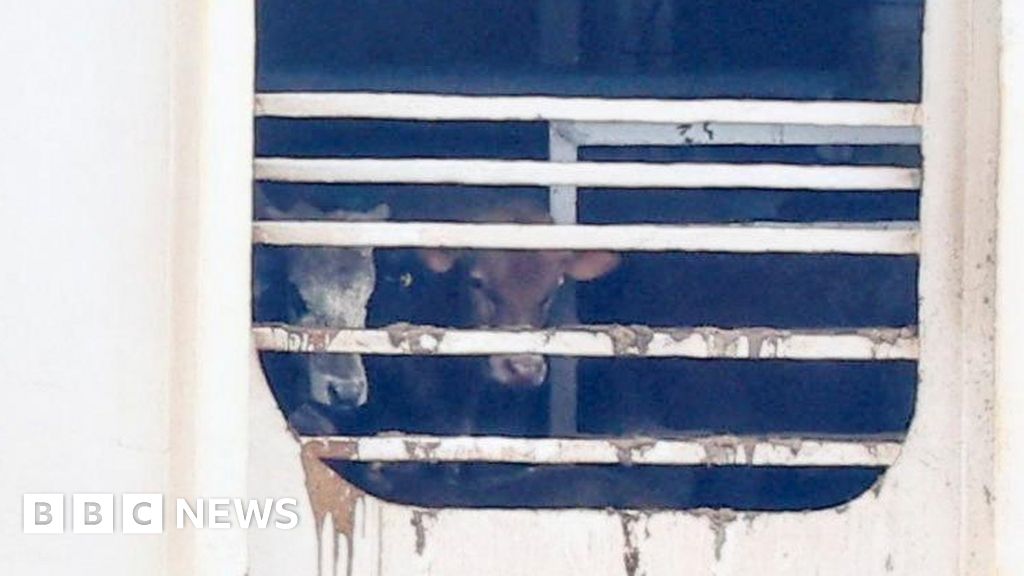
The livestock carrier ship Al Kuwait, blamed for causing a foul smell in Cape Town, has departed for Iraq with 19,000 cows on board after being docked to load feed. The National Council of Societies for the Prevention of Cruelty to Animals (NSPCA) described the conditions on board as "abhorrent", with diseased and injured cattle, some of which had to be euthanised. The incident has reignited calls for a total ban on live cattle transport via sea, with residents of Cape Town describing the smell as "nauseating" and "overwhelming".
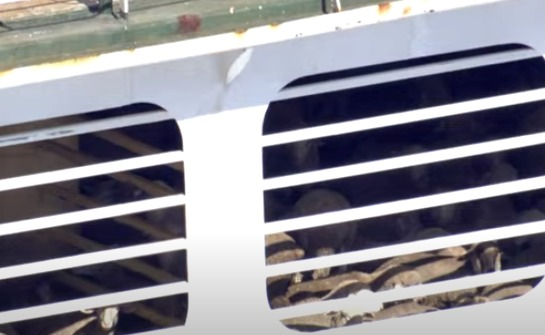
Around 16,000 Australian sheep and cattle have been stranded on a cargo ship for almost a month after it was forced to return to Australia due to concerns about attacks on ships in the Red Sea. Despite the concerns of animal welfare advocates, the animals were not permitted to disembark after the ship docked in Fremantle, and officials are still reviewing an application to unload some animals and bring the others to Israel via a different route. Critics have slammed the government's handling of the situation, calling it "animal torture," while the agriculture ministry maintains that the livestock's health and welfare are being upheld.
Thousands of sheep and cattle are stranded off the coast of Australia after their Israeli-owned ship was ordered to turn back due to fears of being targeted by Houthi rebels in the Red Sea. The animals have been at sea for over three weeks, and concerns are growing about their welfare as temperatures rise. While the government has stated that there are no significant health or welfare issues, animal welfare advocates are urgently calling for the animals to be offloaded. The situation has sparked debate about Australia's live export trade and the prioritization of revenue over animal welfare.