Long-term type 2 diabetes can cause red blood cells to become harmful, damaging blood vessels and increasing heart disease risk; microRNA-210 may serve as an early biomarker for identifying patients at higher risk of complications.
A new study suggests that genetic differences in red blood cell function between Neanderthals and modern humans may have caused reproductive issues in hybrids, potentially hastening Neanderthal extinction by reducing their reproductive success over generations.
Many older adults suffer from anemia, a condition characterized by a deficiency of red blood cells, which can cause fatigue and other symptoms. Despite its prevalence, awareness and effective treatment are still lacking, although some patients find relief with prescribed therapies.
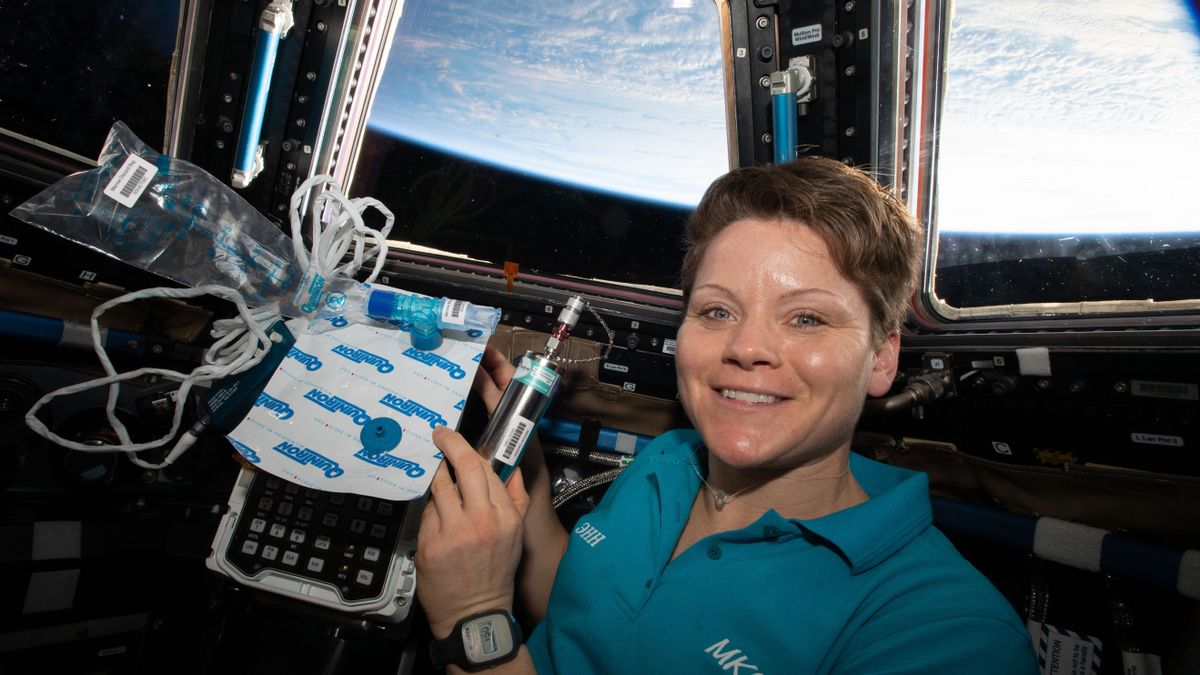
A 2022 study has revealed that astronauts experience a significant loss of red blood cells during space missions, with their bodies destroying about 54 percent more red blood cells than normal. This phenomenon, known as 'space anemia', continues throughout the duration of the mission and can lead to higher-than-normal circulation of iron serum in the blood, potentially resulting in anemia. While red blood cell levels return to normal a few months after landing, astronauts' bodies continue to destroy 30 percent more red blood cells than before their space trip, posing potential health risks. Adjustments to astronaut diets may be necessary to account for increased red blood cell production and prevent adverse effects upon returning to Earth.
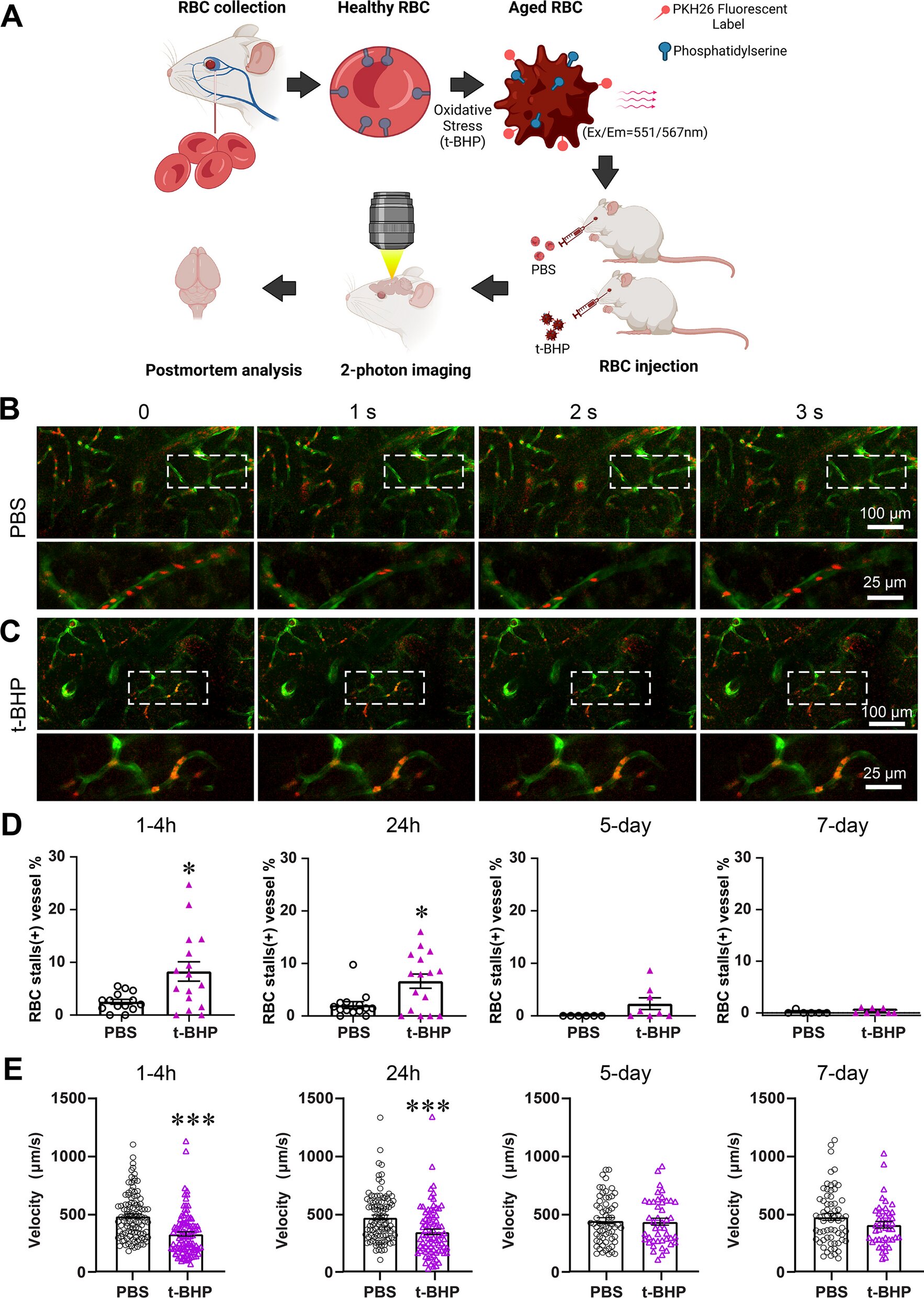
A study led by the University of California, Irvine has identified a new cause of brain hemorrhages that does not involve injury to blood vessels. The research found that interactions between aged red blood cells and brain capillaries can lead to cerebral microbleeds, providing insights into their formation and potential therapeutic targets. The study observed how red blood cells stall in brain capillaries and are then cleared out, leading to the formation of a brain hemorrhage. This discovery expands our understanding of the mechanism behind cerebral microbleeds and may have significant clinical implications for treatment and prevention.
A new study of International Space Station (ISS) astronauts suggests that fatty tissue inside bones helps replenish red blood cells and rebuild bone lost during space travel. The study examined 14 astronauts who spent at least six months on the ISS and found that the body uses fat in the bone marrow to replace red blood cells and increase bone density. This knowledge could lead to treatments for aging populations and individuals on Earth who are bedridden due to medical conditions. Understanding how to prevent anemia in space is crucial for future missions to the moon and Mars.
Scientists at the Weizmann Institute of Science have identified the cells responsible for the production of red blood cells that carry oxygen in our bodies, which may lead to cures for anemia and other blood diseases. The discovery of Norn cells will enable the development of new drugs and treatments for chronic kidney disease, which damages the production of EPO causing potentially life-threatening anemia.
Scientists from the Weizmann Institute of Science have identified a rare subset of kidney cells, named "Norn cells," that are the main producers of erythropoietin (EPO), the hormone that controls red blood cell production. The discovery has significant potential for anemic patients and could lead to the development of new therapies. The identification of these cells may have an impact rivaling that of the discovery of the pancreas's insulin-producing beta cells in the 1950s.