An executive leading Tesla's Cybertruck division is leaving after eight years amid ongoing safety recalls and declining profits, despite recent shareholder support for Elon Musk's performance-based stock plan. Tesla faces challenges with vehicle safety issues, declining quarterly profits, and market share struggles, although stock prices have risen recently.
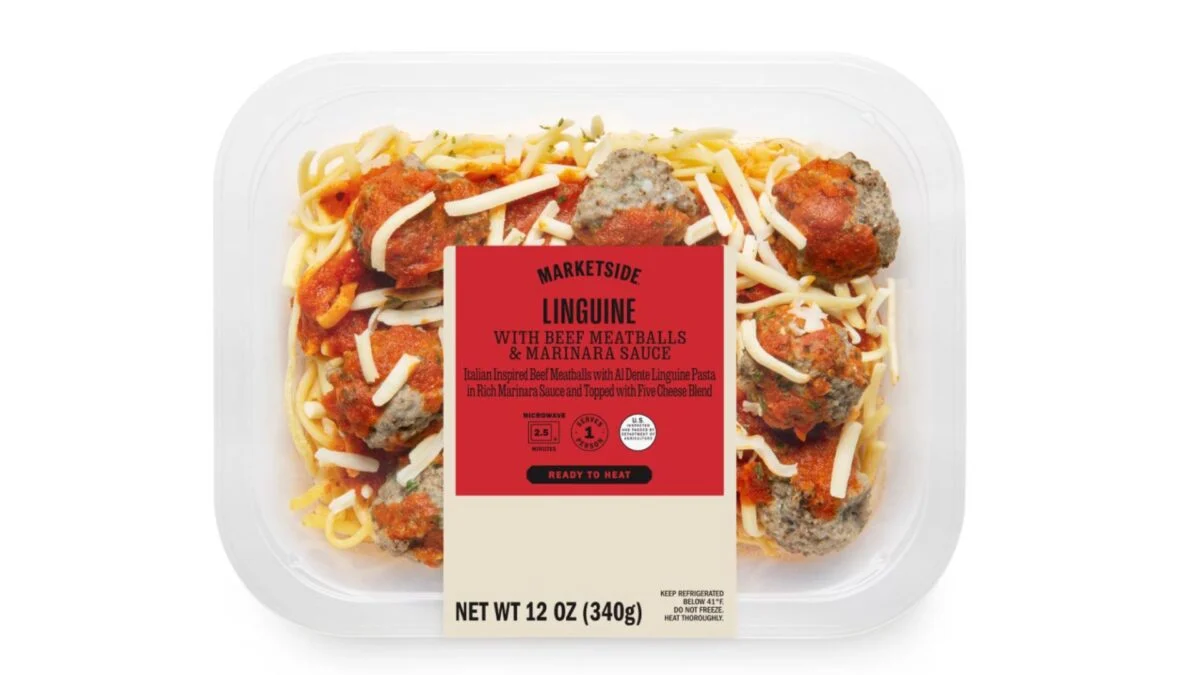
A multistate listeria outbreak linked to recalled precooked pasta meals has resulted in 6 deaths and 25 hospitalizations, prompting widespread recalls of various pasta products sold at major retailers across 18 states, with ongoing FDA investigations.
A deadly listeria outbreak linked to precooked pasta meals has resulted in six deaths and 25 hospitalizations across 18 states, prompting widespread recalls of various pasta products from multiple retailers, with ongoing investigations into the source, Nate’s Fine Foods.
Six deaths and 27 illnesses across 18 states have been linked to a listeria outbreak from contaminated prepared pasta meals sold at major grocery chains, prompting recalls of various products from brands like Kroger and Trader Joe's. The CDC advises consumers to discard affected items and highlights the risks of listeria, especially for vulnerable populations.
Costco reported strong Q4 earnings with profits surpassing expectations, but shares declined due to revenue shortfalls and recent product recalls involving its private-label products, raising concerns over brand trust and product safety.
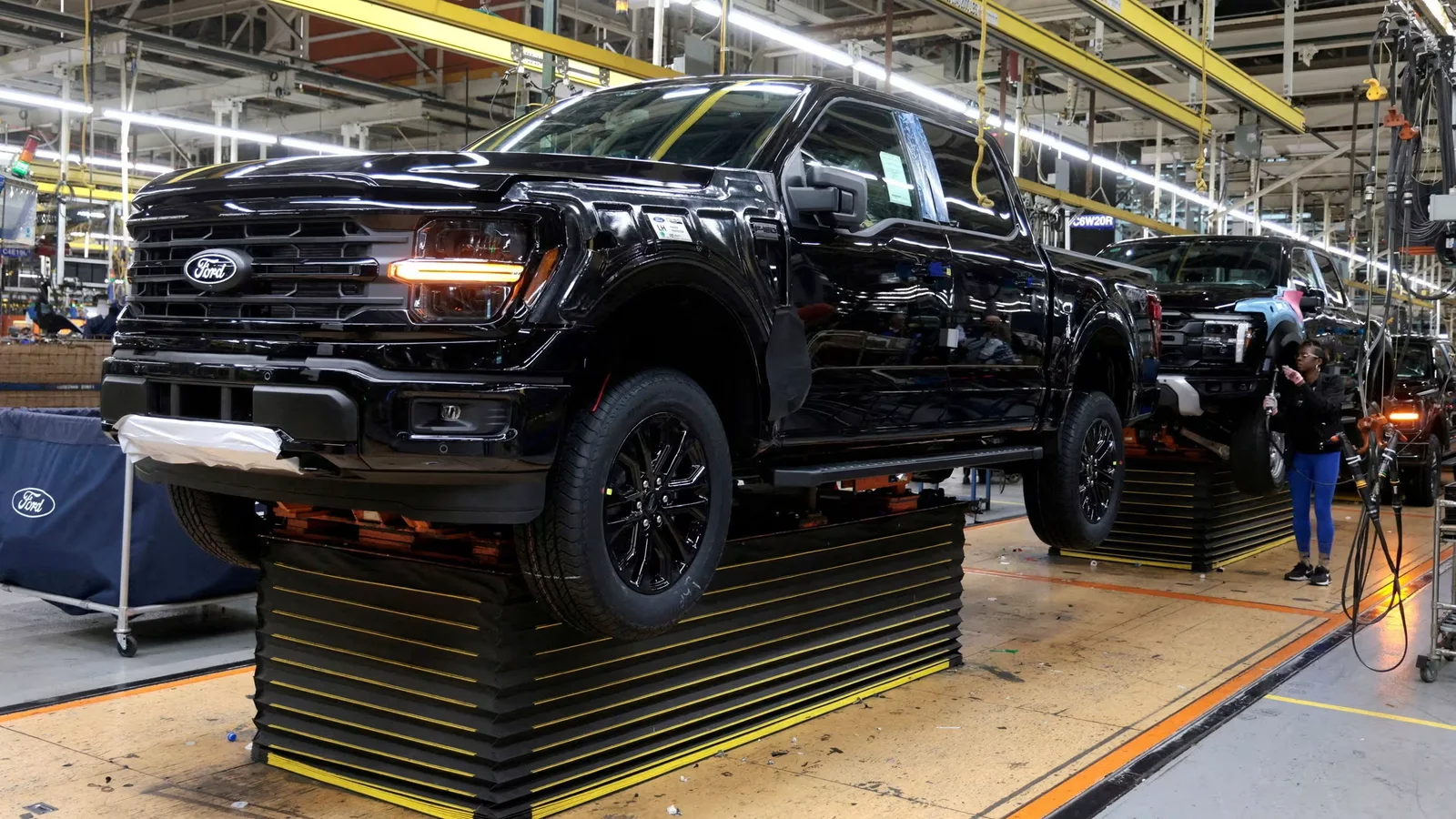
Ford reported a loss due to increased costs from vehicle recalls and tariffs imposed during the Trump administration, highlighting financial challenges faced by the automaker.
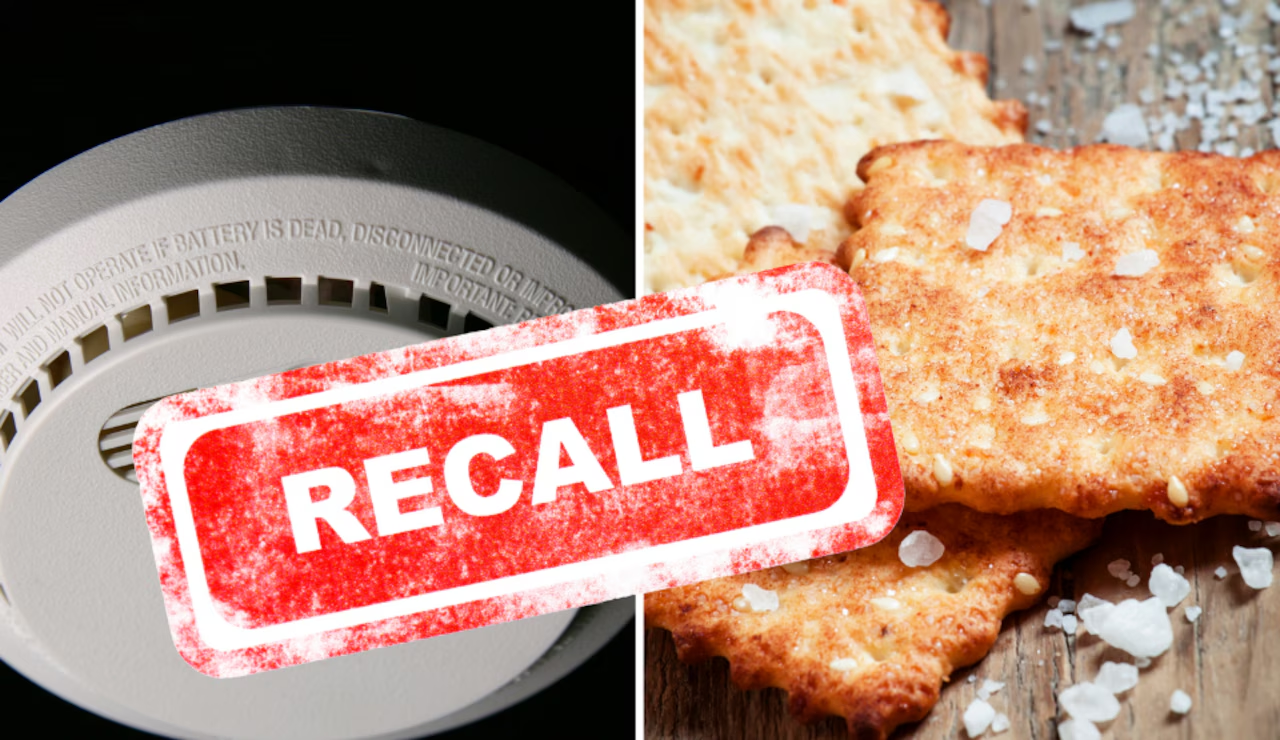
This week, several product recalls were announced, including Kia vehicles due to lighting issues, Aldi's churro bites for undeclared milk, Vivint smoke detectors for safety failures, Midea air conditioners for mold risk, BowFlex dumbbells for impact hazards, and Sea Salt Crackers for undeclared sesame allergen, emphasizing the importance of consumer awareness and prompt action.
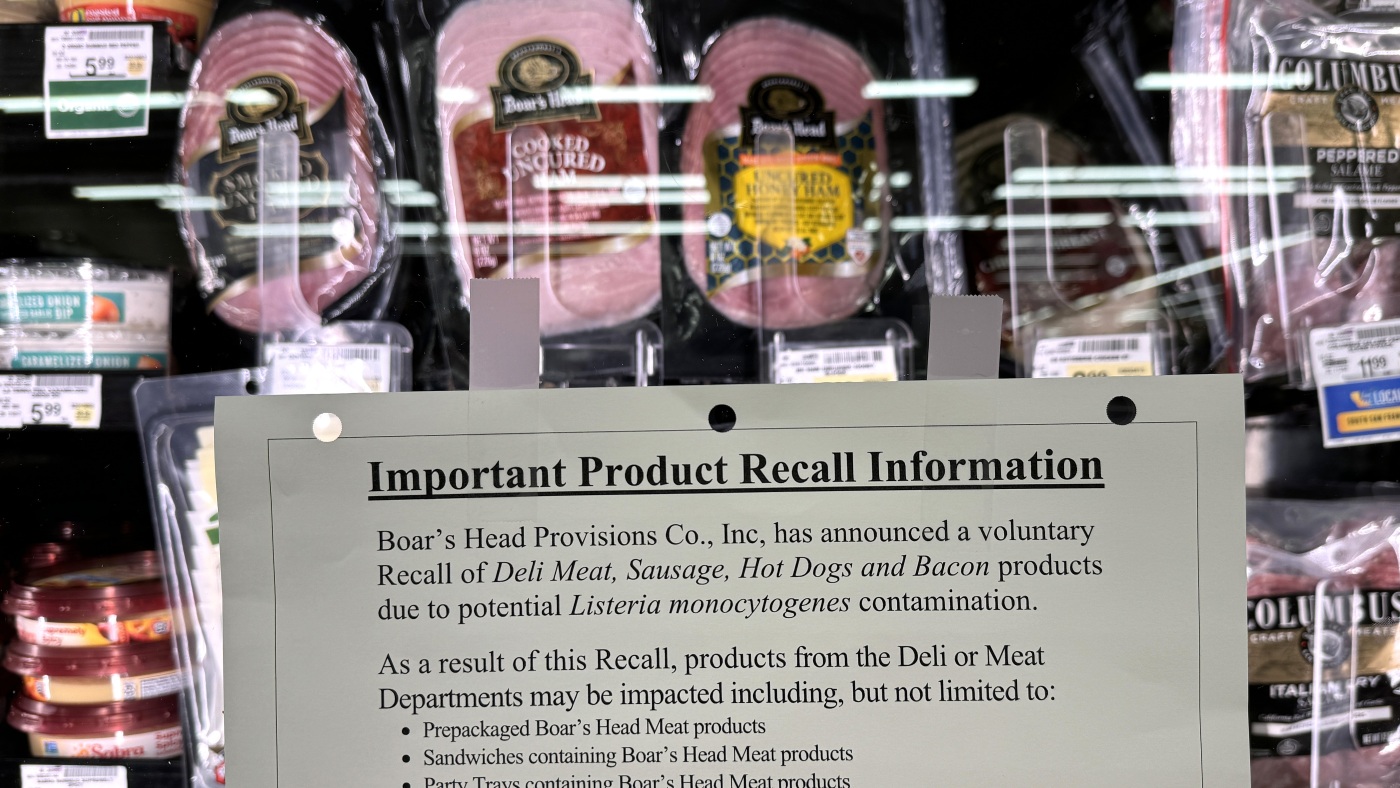
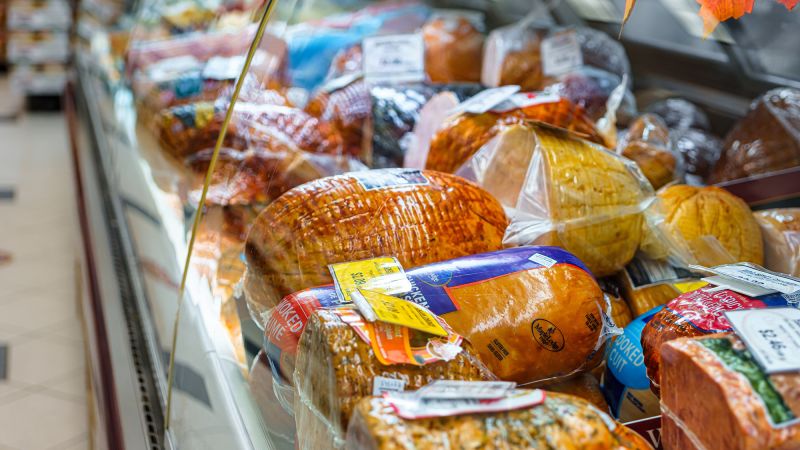
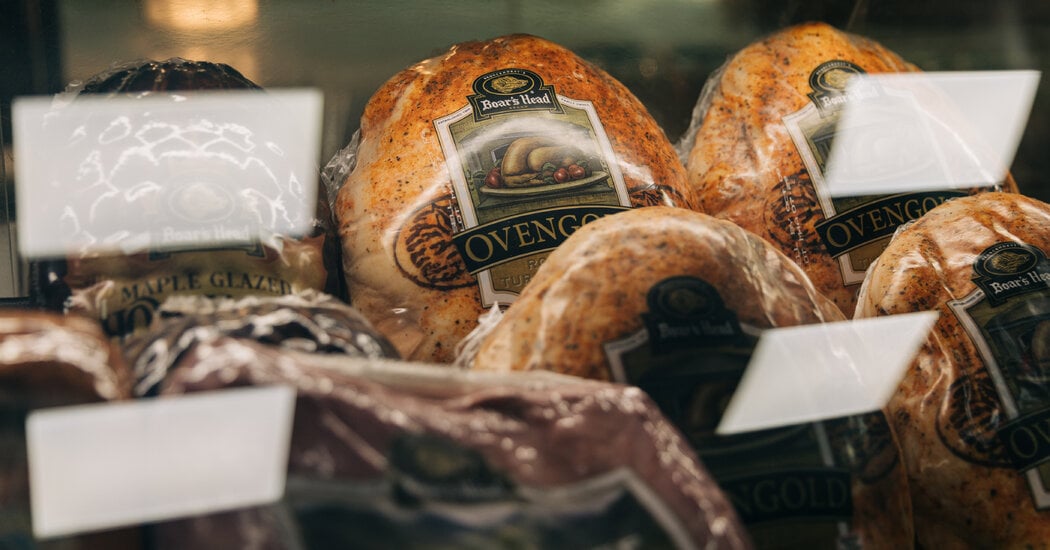
Food recalls in the U.S. have been rising, with recent high-profile cases involving listeria, E. coli, and salmonella. Improved detection and communication have led to more recalls, but public confidence in food safety remains low. Experts advise consumers to follow safe food handling practices, such as proper washing and refrigeration, to reduce the risk of illness. The U.S. food safety system has evolved, but further systemic changes are needed to prevent outbreaks and address contamination at its source.
Subaru has overtaken Toyota and Lexus as the most reliable car brand according to Consumer Reports, marking the first time in years that Toyota or Lexus hasn't topped the list. Subaru's consistent use of reliable components and fewer recalls have contributed to its rise in reliability rankings. In contrast, Toyota has faced challenges with recalls and new engine designs, impacting its reliability perception.
Food recalls are common and can be due to various reasons, including potential pathogens or allergens. Despite recent recalls, food safety expert Dr. Donald Schaffner suggests that outbreaks are random and not necessarily more frequent. Advances in technology, like whole genome sequencing, have improved outbreak detection. The Food Safety Modernization Act has enhanced food safety, but implementation takes time. Consumers can stay informed by subscribing to recall alerts from the FDA and USDA.
Recent food recalls have been prompted by concerns over contamination and safety, highlighting the importance of stringent food safety regulations and monitoring. These recalls are often due to the detection of harmful bacteria, allergens, or foreign materials in food products, which can pose significant health risks to consumers. The increase in recalls underscores the need for improved oversight and transparency in the food supply chain to ensure public health and safety.
Recent months have seen a series of alarming foodborne illness outbreaks across the United States, involving Listeria and E. coli infections linked to various food products. Notable incidents include a Listeria outbreak from Yu Shang Food products, resulting in multiple hospitalizations and infant deaths, and several E. coli outbreaks tied to Grimmway carrots, Wolverine Packing ground beef, Andre's Catering events, and McDonald's menu items. These outbreaks have led to recalls and investigations by health authorities, highlighting significant concerns about food safety and public health.
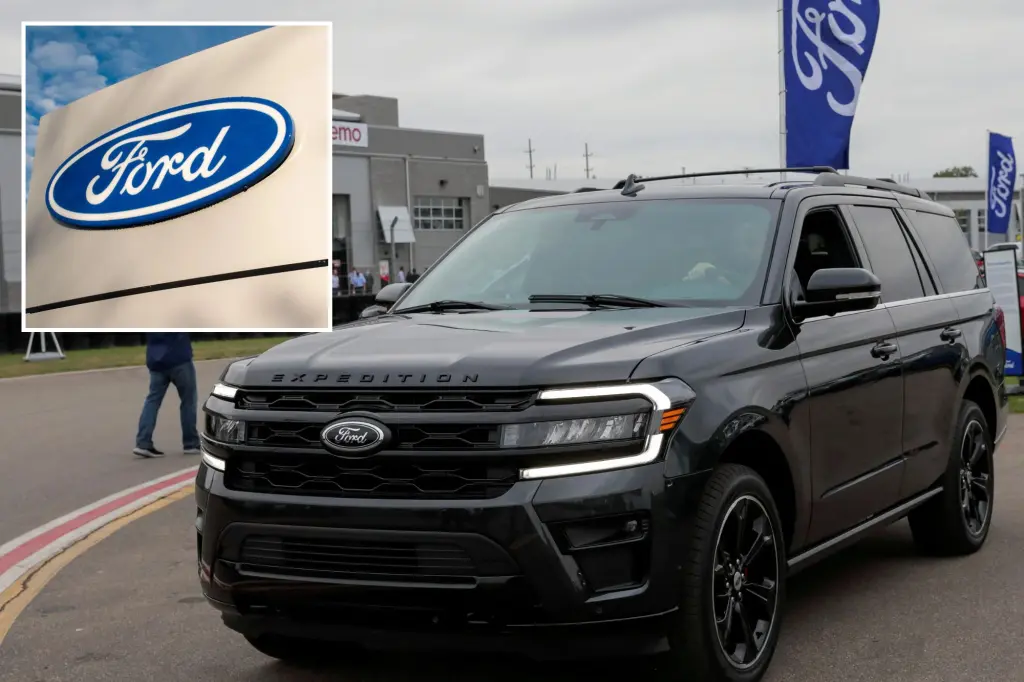
The National Highway Traffic Safety Administration (NHTSA) has launched two new investigations into Ford's recall practices, following a $165 million fine for delayed recalls of vehicles with defective rearview cameras. The probes focus on potential seat belt issues in 112,000 Ford Expedition SUVs and the adequacy of a recall involving 456,000 SUVs with power loss and electrical failures. Ford is cooperating with the investigations, while NHTSA has criticized the automaker for providing incomplete information and failing to comply with recall reporting requirements.
The US FDA is investigating cinnamon products for potential lead contamination, including ground cinnamon, with one affected brand being Swad, available at Patel Brothers. High levels of lead have been found in some ground cinnamon brands, posing a risk of lead poisoning, particularly in children. Recalls have been recommended for products from six distributors, and consumers are advised to stop using affected products and dispose of them properly.
The Pittsburgh Penguins have recalled three players from the AHL and placed forward Jake Guentzel on Injured Reserve, with an expected four-week absence due to injury.