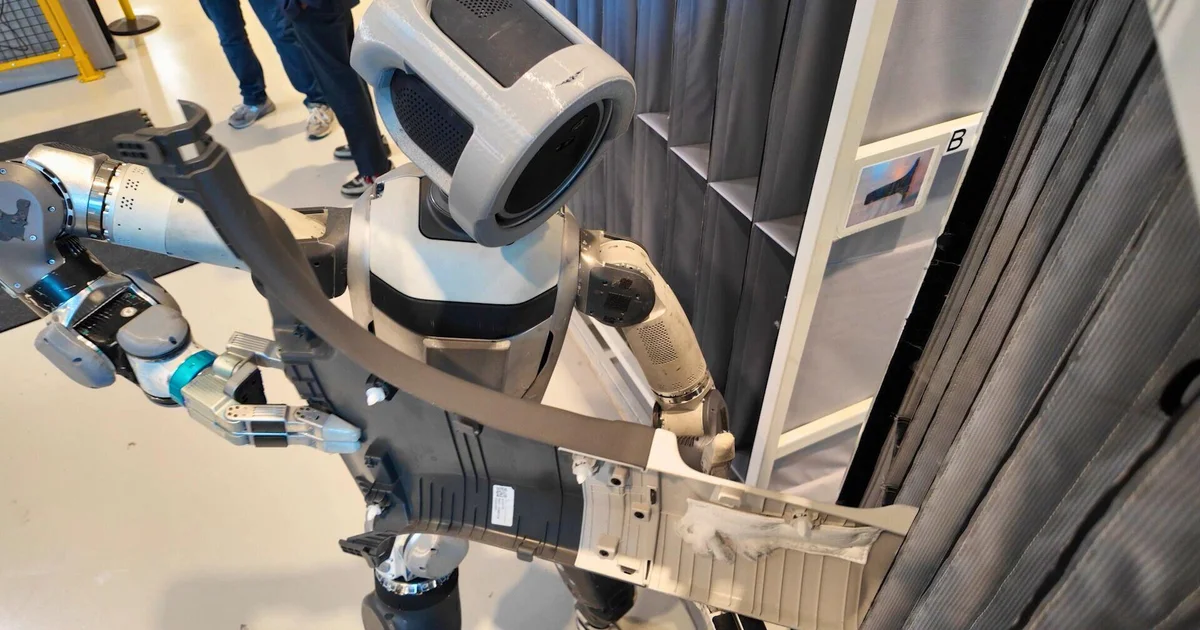
Boston Dynamics is developing AI-powered humanoid robots, like Atlas, that learn tasks through machine learning and demonstrations, with potential applications in factory work and beyond, raising both technological and economic implications.
Elon Musk's xAI is expanding its data center complex in Memphis by purchasing a third building in Southaven, Mississippi, increasing its AI computing capacity to nearly 2 gigawatts, as part of its plans to build the world's largest AI training data center.
A New York Times reporter and six authors sued Google, xAI, OpenAI, and other tech companies for using copyrighted books without permission to train their AI chatbots, marking the first case to include xAI and highlighting ongoing legal battles over AI training data rights.
An activist group called Anna’s Archive claims to have scraped 86 million music files from Spotify, which they plan to release online, raising concerns about copyright infringement and the use of pirated music for AI training. Spotify confirmed the breach but stated it did not compromise their entire catalog and has taken measures to prevent further unauthorized access. The incident highlights ongoing debates over copyright laws and AI training data, with governments and industry stakeholders seeking balanced policies.
Utkarsh Amitabh, a 34-year-old entrepreneur and academic, earns $200/hour training AI models for micro1, leveraging his expertise in business, tech, and philosophy. He values the role for its intellectual challenge and flexibility, viewing AI's impact on jobs with cautious optimism, believing in a future of human-AI collaboration. The job highlights the growing importance of domain experts in AI development and the evolving landscape of work in the AI era.
A UK government consultation on AI copyright has overwhelmingly favored strengthening artists' rights, with 95% supporting copyright protections and only 3% backing a controversial opt-out plan for AI training. Campaigns led by artists and celebrities have pushed for fair compensation and licensing, opposing the government's initial tech-friendly approach. The government plans to develop policies by 2026, aiming to balance innovation with artists' rights amid ongoing debates.
A German court ruled that OpenAI's ChatGPT violated copyright laws by reproducing lyrics from German songs during its training, ordering damages and potentially setting a legal precedent for AI use of copyrighted material in Europe.
As layoffs increase, training AI models has become a lucrative side hustle, with humans performing tasks like data labeling and model fine-tuning to help develop autonomous systems, potentially at the cost of future jobs, while some workers see it as a way to stay relevant in an increasingly automated world.
LinkedIn is now using user posts and achievements to train AI models in certain regions, but users can opt out through privacy settings to limit data sharing for AI training and personalized ads.
OpenAI has signed a $38 billion seven-year deal with Amazon Web Services to access hundreds of thousands of Nvidia GPUs for training its AI models, marking a shift as Microsoft reduces its exclusive cloud role with OpenAI and the company expands its cloud partnerships.
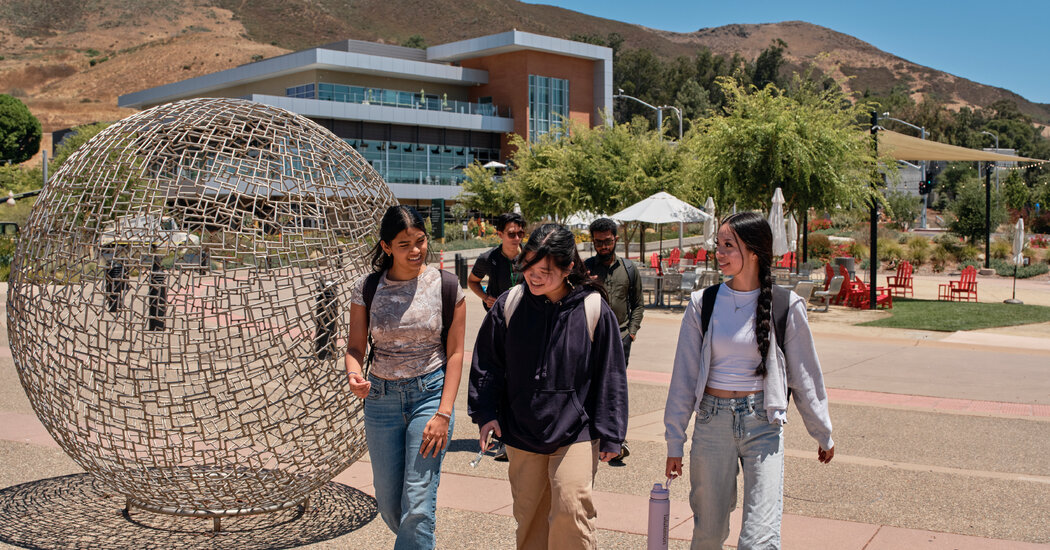
California State University is partnering with major tech companies like Amazon and OpenAI to become a leading hub for AI education, offering programs like AI Camps to train students in artificial intelligence skills using industry tools and cloud services.
Reddit is suing Perplexity and three data-scraping companies for unlawfully scraping its content to train AI models, alleging that Perplexity is a customer of these scrapers and has increased Reddit citations despite cease-and-desist efforts. Reddit claims these actions bypass technological protections and violate copyright, aiming to prevent the industrial-scale theft of its data for AI training.
OpenAI is training over 100 ex-investment bankers to develop AI that automates routine tasks in investment banking, such as financial modeling, through a project called Mercury, aiming to replace the tedious work of junior bankers and improve industry efficiency.
Uber is launching a pilot program in the US allowing drivers to perform microtasks like voice recording and image uploading to help train AI models, while also introducing app improvements such as better trip offer cards, a high-demand heatmap, and enhanced safety features for drivers and riders, all as part of its effort to build a more flexible and fair platform for gig workers.
OpenAI has shifted its approach to copyrighted content in its AI video model Sora 2 from an opt-out to an opt-in system for rightsholders, following backlash over copyright infringement concerns, which has upset users who enjoyed creating content with copyrighted characters.