A new study finds that drinking one cup of caffeinated coffee daily may reduce the risk of atrial fibrillation (AFib) by 39%, challenging previous advice to avoid caffeine for heart patients, and suggesting potential protective effects of coffee on heart rhythm disorders.
Dolores Catania from The Real Housewives of New Jersey revealed she underwent heart surgery due to atrial fibrillation, a condition causing irregular heartbeat and chest pains, which she experienced for six months before treatment. She shared her experience to raise awareness about heart health and urged others to listen to their bodies.
Chris Rose from Henrico County, Virginia, experienced a life-threatening medical crisis when a persistent cough led to a diagnosis of atrial fibrillation (AFib), a serious heart condition. Despite the initial shock and fear, Chris chose to fight for his life by undergoing medical procedures and making significant lifestyle changes, including diet and exercise. His determination resulted in a remarkable transformation, losing over 100 pounds and coming off heart medications. Chris's story highlights the importance of heart health awareness and the power of the human spirit to overcome adversity.
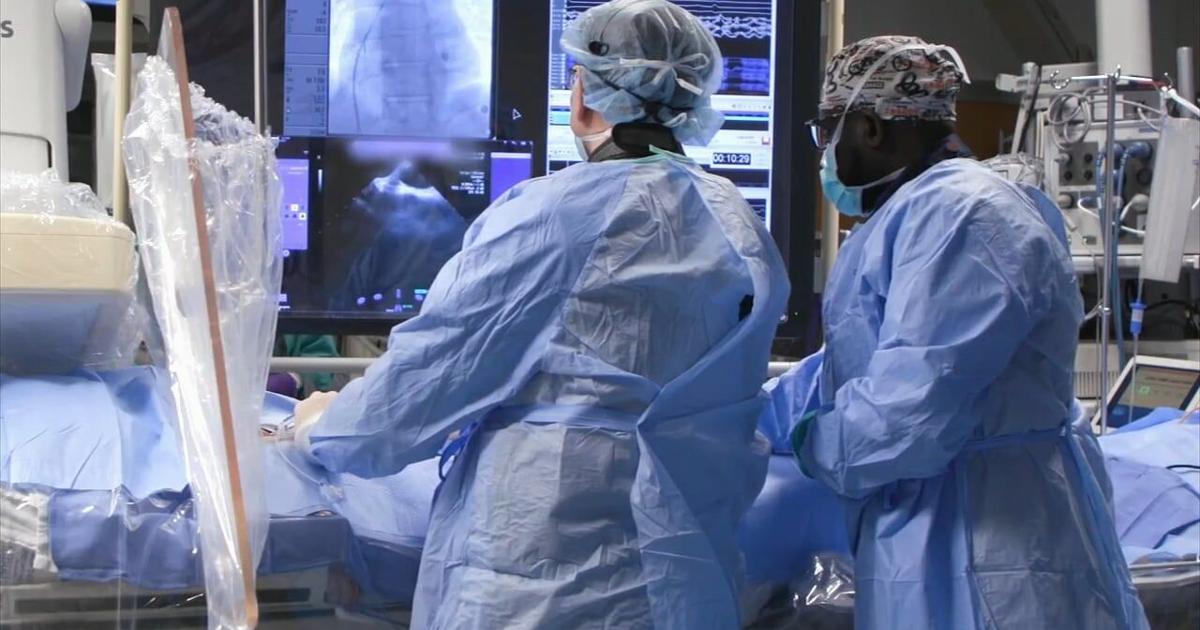
A new study published in the journal Heart Rhythm found that radiofrequency-based ablation (RF-ablation) successfully treated atrial fibrillation (AFib) in 81.6% of patients one year post-procedure, with 89.7% of these patients able to stop taking medication for the condition. The study, which analyzed data from the REAL-AF registry across 50 medical centers, showed that recent refinements in RF-ablation techniques have improved its safety and efficacy, outperforming earlier clinical trials.
A new study suggests that treating gum disease could improve the management of atrial fibrillation (AFib) after catheter ablation, with those receiving treatment for gum inflammation being 61% less likely to experience AFib recurrence. The research highlights the potential cardiovascular benefits of good oral hygiene, as harmful bacteria in the mouth may travel through the body, including the heart, leading to inflammation. This link between oral health and heart health is still being understood, but the findings emphasize the importance of regular dental exams for people with AFib.
Japanese research suggests that treating gum disease within three months of catheter heart ablation may reduce the recurrence of atrial fibrillation (AFib). The study of 288 patients found a strong correlation between gum inflammation and AFib recurrence, leading to a call for routine examination of AFib patients for gum disease. The findings could have significant implications for healthcare, as AFib is expected to affect over 12 million Americans by 2030, and around half of U.S. adults aged 30 and up have some form of gum disease. The study highlights the potential benefits of managing gum disease for improving the prognosis of AFib.
Roper St. Francis in Charleston, S.C. is set to introduce an innovative treatment for atrial fibrillation (AFib) using Medtronic's pulsed ablation technology, which involves a less invasive catheter delivering electrical pulses to the heart to correct irregular heartbeats. Dr. Micheal Field, one of three doctors at Roper offering the procedure, anticipates shorter procedure times, better safety, and easier recovery for patients with AFib, and encourages those affected to discuss this new treatment option with their doctors.
A new study suggests that consuming artificially sweetened beverages, such as diet sodas, is associated with a 20% higher risk of irregular heartbeats, while sugar-sweetened drinks are linked to a 10% increase. The research, based on data from over 200,000 people, found that those who consumed at least 2 liters of sweetened drinks per week had higher risks. However, the study only shows an association and cannot prove causation. Experts recommend limiting or avoiding no- and low-calorie sweetened beverages and opting for water instead.
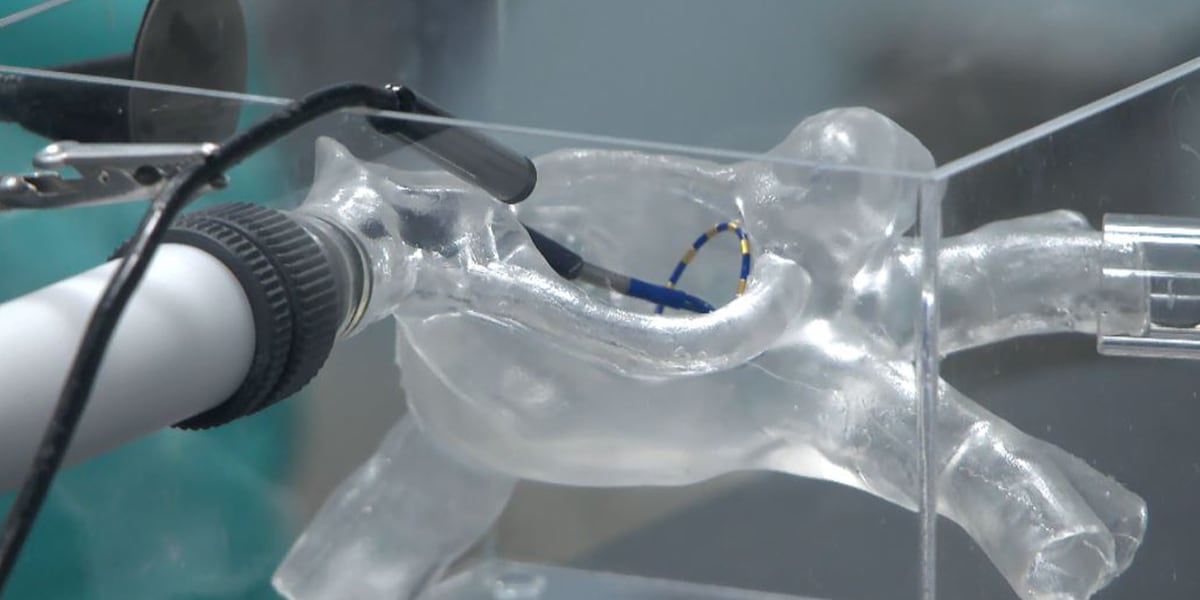
A new device called ESOlution, designed to make heart ablation surgery safer for atrial fibrillation (Afib) patients, has been developed by electrophysiologists at The Ohio State University. The device is inserted down the patient's throat to move the esophagus away from the heart during the procedure, reducing the risk of esophageal injury. Clinical trials have shown a significant decrease in esophageal injuries with the new device, and doctors believe it may also improve the effectiveness of the ablation procedure. The ESOlution is expected to receive FDA approval this year.
Cold weather may increase the risk of atrial fibrillation (AFib), a type of irregular heart rhythm. Studies have shown that AFib occurs more frequently in winter, with a higher risk of stroke during this season. AFib can lead to serious consequences such as stroke, heart failure, and dementia if left untreated. Common symptoms include rapid heartbeat, shortness of breath, dizziness, chest pain, and fatigue. Prevention and treatment options include maintaining a heart-healthy lifestyle, medication, and minimally invasive procedures like catheter ablation. Early detection and intervention are crucial in managing AFib and preventing complications.
The American Heart Association and American College of Cardiology have released new guidelines for the treatment of atrial fibrillation (AFib), the most common form of heart arrhythmia. The guidelines emphasize a more holistic approach to treatment, with a focus on modifiable lifestyle and risk factors such as exercise, diet, and alcohol consumption. The guidelines also provide new recommendations for treatment options, including the use of catheter ablation as a first-line therapy for some AFib patients. The earlier prevention and treatment are initiated, the better the outcome.
There are growing concerns about the relationship between alcohol consumption and atrial fibrillation (AFib), a heart condition characterized by irregular heartbeat. Heavy drinking during the holiday season, known as Holiday Heart Syndrome, can trigger AFib. It is important for individuals with a history of AFib to be aware of the risks associated with alcohol consumption.
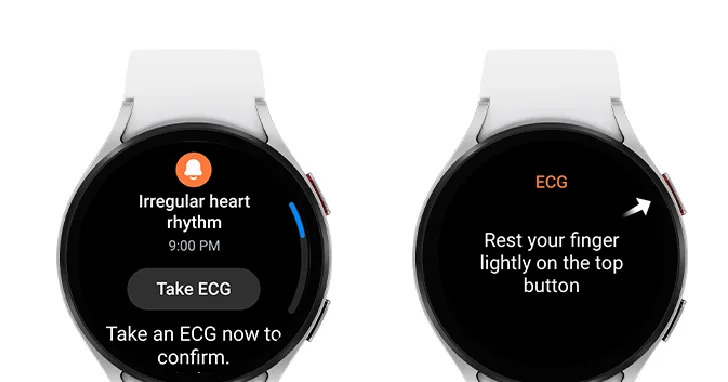
Samsung's Galaxy Watch will soon be able to alert wearers to irregular heart rhythms, as the US FDA has approved the Health Monitor app's irregular heart rhythm notification feature for the device. The watch's BioActive Sensor will look for irregular heart rhythms in the background, and if it picks up several irregular measurements consecutively, the watch will alert the wearer to possible AFib activity. The notification will suggest that the user takes an ECG reading for a more accurate measurement.
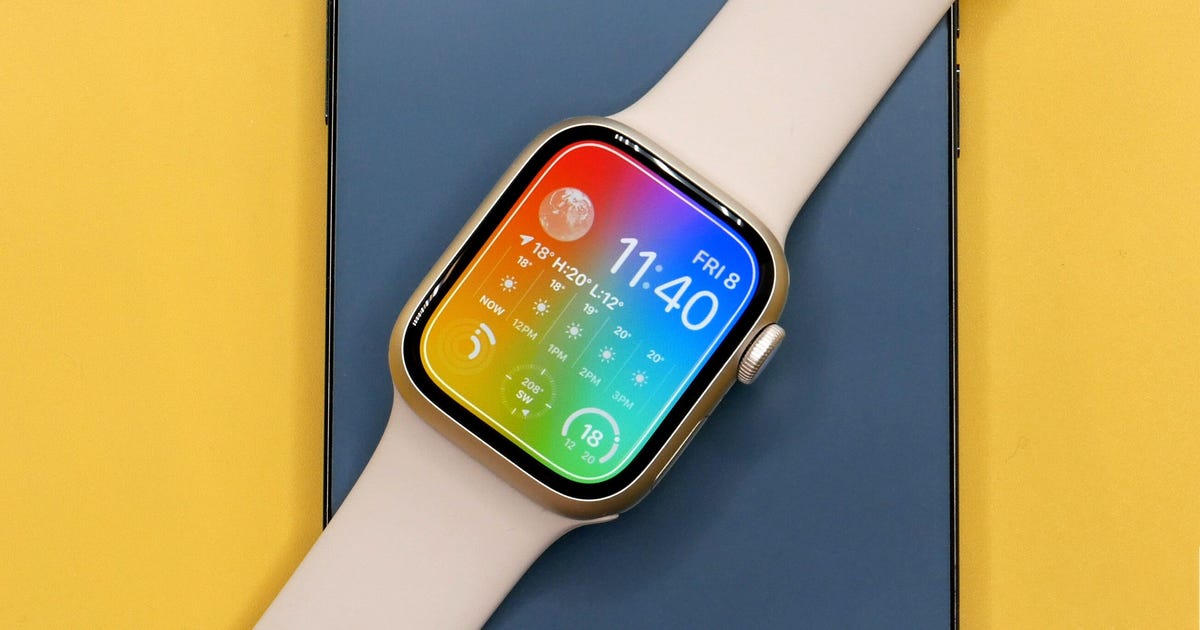
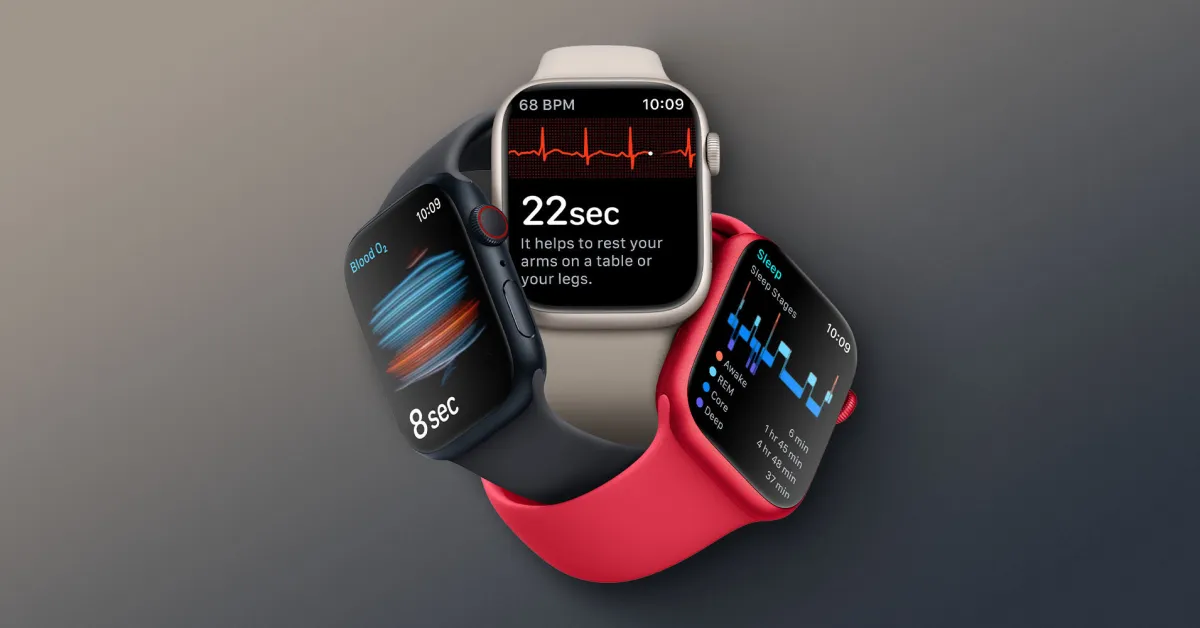
Apple has released watchOS 9.4, which includes Cycle Tracking and AFib features for more Apple Watch users, as well as fixing an alarm bug. The update is available for Series 4 or later, SE and Ultra models, and brings AFib History to more countries. Wake-up alarms can no longer be silenced with the "cover-to-mute" gesture. This is the fourth major update to watchOS 9, which has helped the Apple Watch dominate the smartwatch market.
Apple has released the RC version of watchOS 9.4 to developers and public beta testers, which includes Cycling Tracking and AFib history features for Apple Watch users in new countries. The update also includes a tweak to wake-up alarms on Apple Watch and support for Cycle Tracking with retrospective ovulation estimates and cycle deviation alerts in Moldova and Ukraine. AFib History is now available in Colombia, Malaysia, Moldova, Thailand, and Ukraine. The update is expected to be released publicly next week.