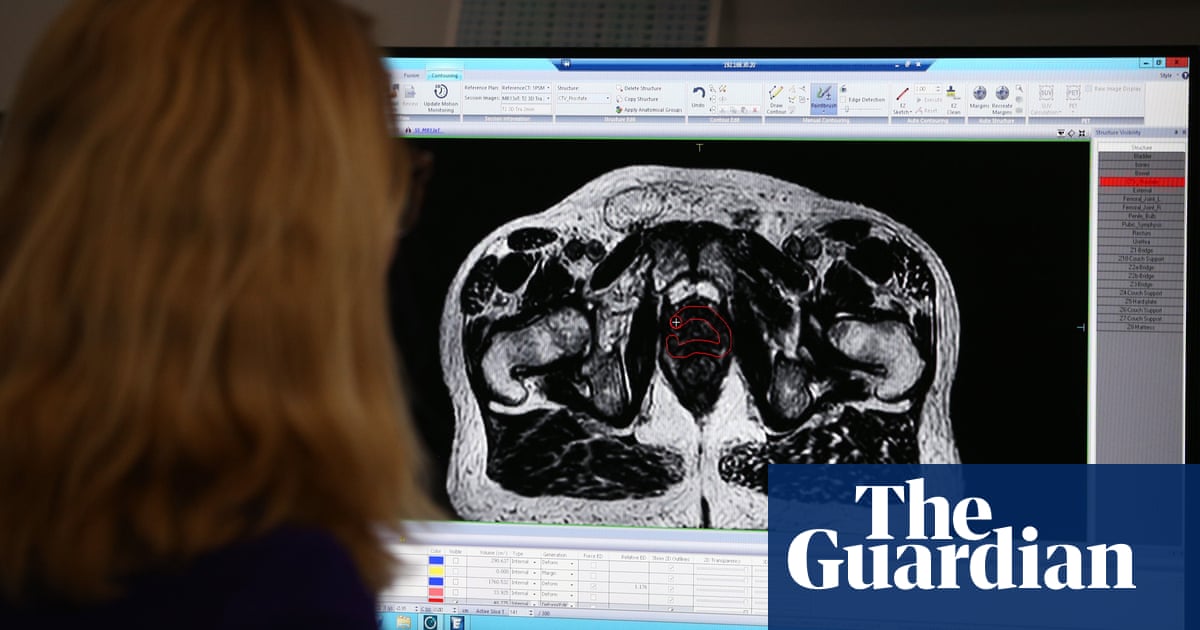
A study published in Nature highlights that prostate cancer treatments have different sexual health impacts on gay men, with radiotherapy potentially better for those who prefer topping and surgery possibly better for bottoming, emphasizing the need for personalized treatment considerations.
A South Korean study suggests that radiotherapy for breast cancer may offer short-term protection against Alzheimer's disease, with an 8% reduced risk observed in survivors, though the effect appears to diminish over time. The findings highlight potential biological mechanisms and the need for further long-term research.
Researchers at the University of Manchester and The Christie cancer hospital have received a £5.9m grant from Cancer Research UK to use AI for simulating cancer patient trials. This project aims to improve radiotherapy treatments by testing them on virtual patients created from real-life data, making research faster, safer, and less costly than traditional clinical trials. The initiative will focus on patient-specific genetics and compare new proton beam therapy with standard radiotherapy for lung cancer. The funding supports Manchester as one of seven UK centers of excellence in radiotherapy research.
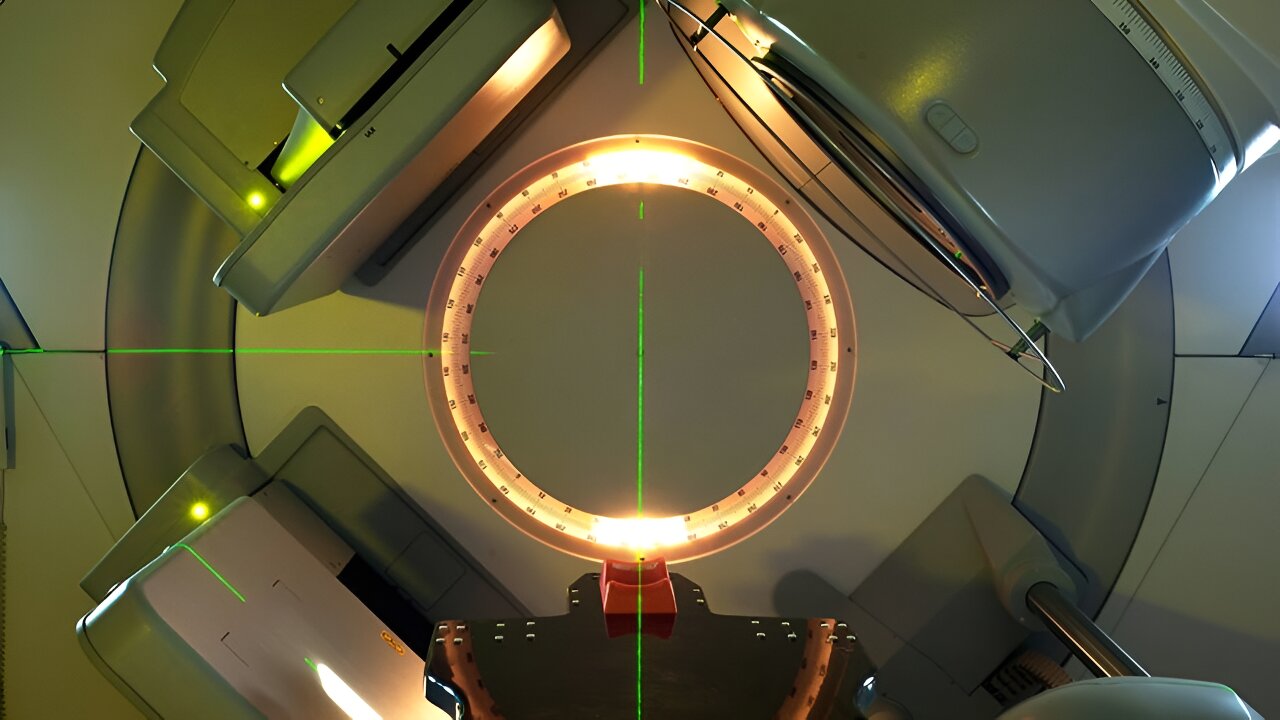
Patrick Magee, a renal cancer patient from Northern Ireland, has become the first person on the island to receive a specialized radiotherapy treatment called stereotactic radiotherapy (SABR) at the cancer clinic in Belfast's City Hospital. This innovative treatment, supervised by Dr. Aidan Cole, targets the tumor with more precision than conventional radiotherapy, offering a curative option for patients who are not suitable for surgery. The treatment aims to provide maximal control and cure for many years to come, revolutionizing the outlook for cancer patients in Northern Ireland and offering hope to previously untreatable cases.
Results from a phase III clinical trial suggest that dysphagia-optimized intensity-modulated radiotherapy (DO-IMRT) could become the new gold standard for treating head and neck cancer patients. The trial compared DO-IMRT with standard intensity-modulated radiotherapy (IMRT) and found that DO-IMRT reduced the risk of swallowing difficulties without compromising treatment success. After two years, patients treated with DO-IMRT reported better swallowing function and higher normalcy of diet compared to those treated with IMRT. The tailored approach of DO-IMRT involves reducing radiation to the muscles involved in swallowing, which can help minimize side effects and improve patients' quality of life.
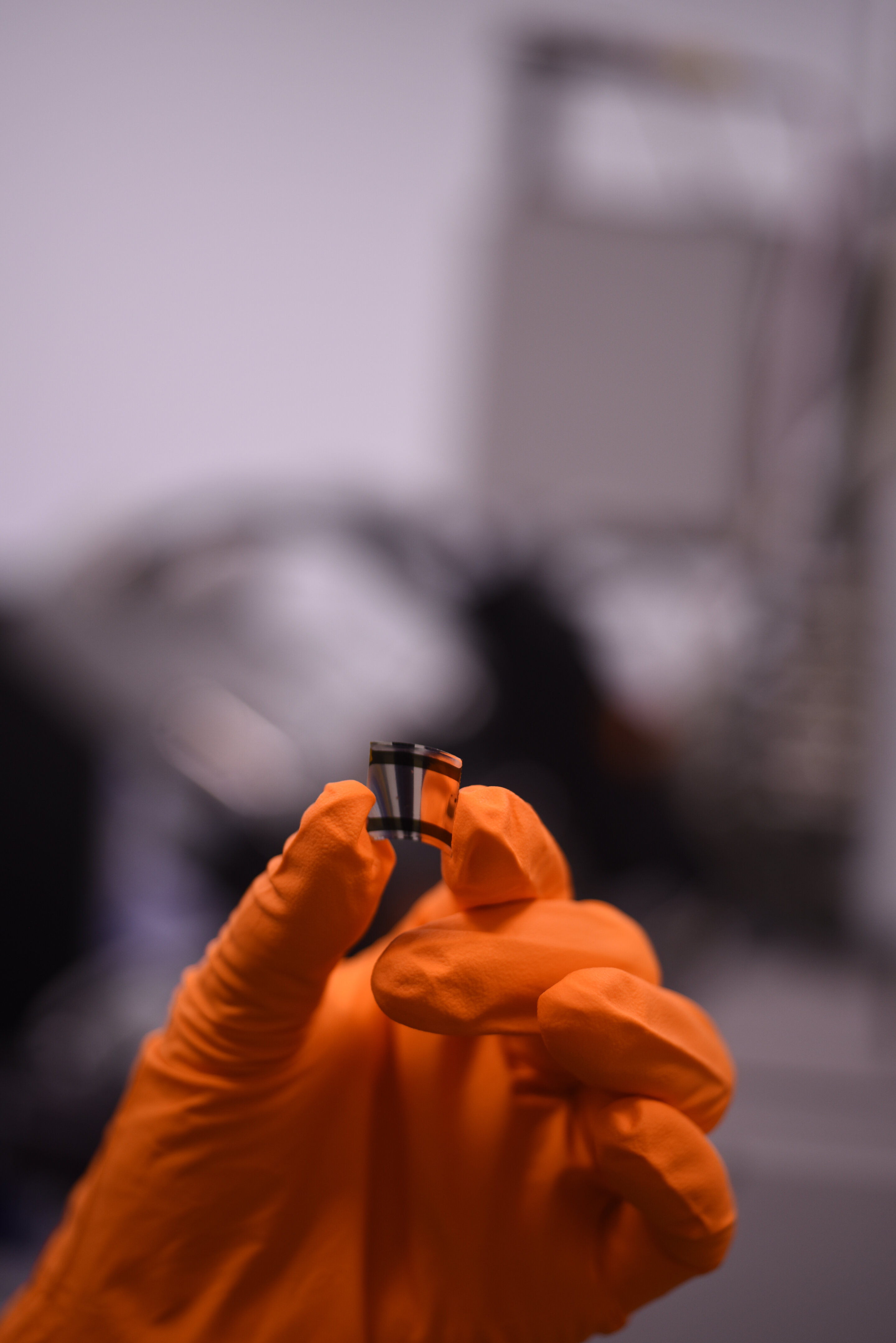
Researchers at the University of Surrey have developed new flexible X-ray detectors made of organic semiconductors that could revolutionize cancer treatment and improve airport scanners. These detectors are cheaper, more accurate, and can be shaped around the objects being scanned. The new material behaves more like human tissue under X-rays, allowing for safer techniques in administering radiotherapy, mammography, and radiography. The technology shows promise for various applications, including medical imaging and security scanners.
A new study presented at the European Society for Medical Oncology conference has revealed that using a short course of induction chemotherapy prior to standard chemoradiation treatment can reduce the risk of death from cervical cancer by 35%. The trial involved 500 patients with cervical cancer, and after five years, 80% of those who received the new treatment were alive and 73% had not experienced a recurrence or spread of the cancer. The findings are being hailed as the most significant breakthrough in treating cervical cancer in the past 20 years.
Scientists have made a major breakthrough in treating cervical cancer by using a course of existing, inexpensive drugs before radiotherapy treatment. The approach, which involved an intensive six-week course of chemotherapy followed by the standard treatment of radiotherapy, reduced the risk of death or cancer recurrence by 35%. The study, funded by Cancer Research UK, showed the biggest improvement in cervical cancer outcomes in over 20 years. The drugs used are cheap, accessible, and already approved for use, potentially making them a new standard of care. However, the treatment's effectiveness for women with more advanced disease is still uncertain, and side effects such as sickness, nausea, and hair loss can occur.
Scientists have made a significant breakthrough in cervical cancer treatment by conducting an international trial led by University College London. The trial found that administering a six-week course of chemotherapy before starting the standard chemoradiation treatment can reduce the risk of premature death from cervical cancer by 35%. This breakthrough could potentially save the lives of hundreds of women affected by the disease, which currently affects 3,200 women annually in the UK and causes 850 deaths each year.
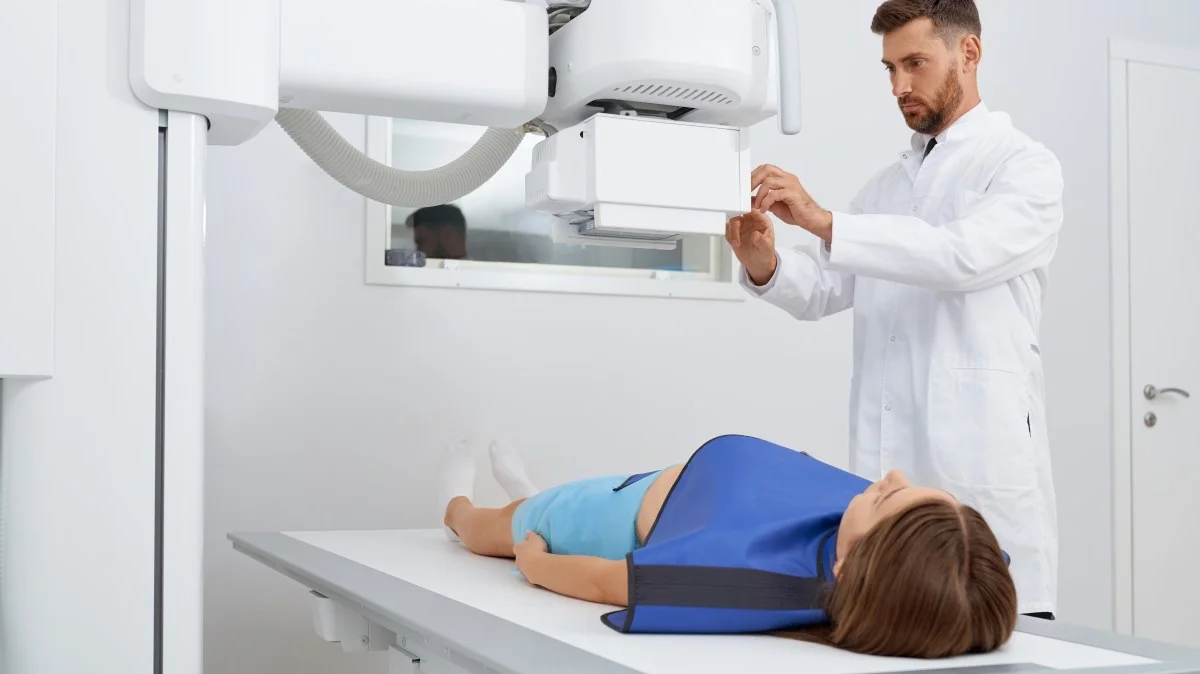
A large trial conducted by the Royal Marsden NHS foundation trust and the Institute of Cancer Research in London has found that men undergoing treatment for prostate cancer can safely receive fewer radiotherapy sessions. The study revealed that five higher doses of radiotherapy are just as effective as 20 smaller doses delivered over several weeks, reducing the treatment time from four weeks to five days. After five years, 96% of the men who received the shorter course of treatment were cancer-free, compared to 95% who received the standard treatment. Prostate cancer is the most common cancer in men, with over 1.4 million cases diagnosed worldwide each year.
A study conducted by The Royal Marsden NHS Foundation Trust and The Institute of Cancer Research has found that higher doses of radiotherapy can reduce prostate cancer treatment time by up to 75%. Suitable patients could see their treatment sessions reduced from 20 to just five, with a 96% chance that the disease will not progress within five years. The findings suggest that stereotactic body radiotherapy treatment (SBRT) could be a game-changer in the delivery of radiotherapy, allowing men with intermediate risk, localized prostate cancer to spend less time in the hospital. The study enrolled 874 participants and found that SBRT performed as well as standard radiotherapy, with low side effects reported in both groups.
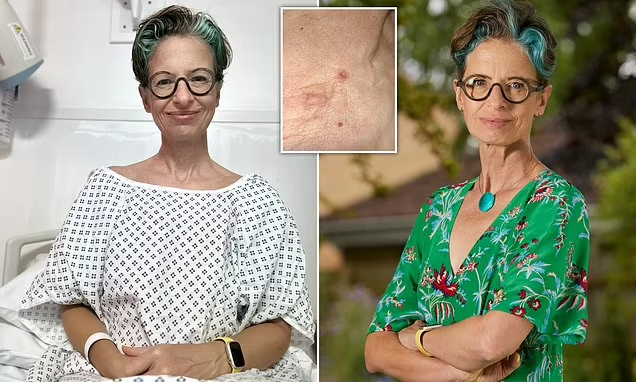
Dr. Liz O'Riordan, a former Consultant Oncoplastic Surgeon, shares her personal experience of discovering a local recurrence of breast cancer for the third time. She noticed a red mark on her chest and felt a small lump under the skin, confirming her fears. After undergoing tests and scans, it was determined to be a local recurrence. Dr. O'Riordan emphasizes the importance of self-examination after a mastectomy and provides guidance on what to look for. She discusses the physical and emotional toll of cancer treatment, the impact on her life and plans, and the uncertainty of the future. Despite the challenges, she remains determined to face her treatment with positivity and support from her loved ones.
A clinical trial has found that thousands of bowel cancer patients could be spared radiotherapy, as chemotherapy and surgery alone can treat their disease. Radiotherapy has been used for decades to treat bowel cancer patients, but the side-effects can be brutal. The study found that radiotherapy did not improve outcomes, and omitting it can reduce short- and long-term side-effects that impact quality of life while providing similar outcomes in disease-free survival and overall survival. The findings of this study allow doctors to omit radiation therapy for some patients, improving quality of life without compromising efficacy.