Tag

Cancertreatment

All articles tagged with #cancertreatment

Scientist Uses Lab-Grown Viruses to Treat Her Own Cancer

Originally Published 1 year ago — by The Daily Galaxy --Great Discoveries Channel

Featured image for Scientist Uses Lab-Grown Viruses to Treat Her Own Cancer
Source: The Daily Galaxy --Great Discoveries Channel

Dr. Beata Halassy, a virologist, treated her stage 3 breast cancer using oncolytic virotherapy, a method involving viruses to attack cancer cells, instead of conventional chemotherapy. She used a measles virus and VSV, achieving significant tumor reduction and immune response without serious side effects. Her self-experimentation has sparked ethical debates in the scientific community, highlighting the potential and risks of personalized medicine. Despite resistance to publishing her findings, her case underscores the transformative possibilities of virotherapy in cancer treatment.


Chronic Cough Misdiagnosed as Allergies Turns Out to Be Cancer

Originally Published 1 year ago — by Women's Health

Featured image for Chronic Cough Misdiagnosed as Allergies Turns Out to Be Cancer
Source: Women's Health

Jessica DeCristofaro shares her journey of being misdiagnosed multiple times before discovering she had stage 4B Hodgkin's lymphoma. Initially dismissed as allergies or acid reflux, her persistent symptoms led to a critical diagnosis after visiting numerous doctors. Following intense chemotherapy and radiation, she went into remission and now supports other cancer patients through her blog and care packages. Her story highlights the importance of self-advocacy in healthcare.

Princess Kate Returns to Royal Duties at Remembrance Event Amid Queen Camilla's Absence

Originally Published 1 year ago — by CNN

Featured image for Princess Kate Returns to Royal Duties at Remembrance Event Amid Queen Camilla's Absence
Source: CNN

Catherine, Princess of Wales, made a rare public appearance at the Festival of Remembrance in London, marking her latest outing since undergoing preventive cancer treatment earlier this year. She attended the event alongside King Charles and Prince William, while Queen Camilla was absent due to illness. Catherine, who completed chemotherapy in September, has been gradually resuming public duties as she continues her recovery.

"Understanding Prostate Cancer: A Guide for Men"

Originally Published 1 year ago — by Medical Xpress

Featured image for "Understanding Prostate Cancer: A Guide for Men"
Source: Medical Xpress

Prostate cancer is the second-leading cancer among men, with a rise in diagnoses expected. Screening methods include rectal exams and PSA testing, but discomfort and lack of health literacy can be barriers. Risk factors include older age, family history, and race, with Black men at higher risk. Treatment options include surgery, radiation, and hormonal therapy, but early detection can lead to challenges in deciding whether to treat or monitor the cancer. Older and younger patients face dilemmas regarding treatment side effects versus the risk of tumor spread, with active surveillance being an option for some.

"NI's First Renal Cancer Patient Receives Innovative Radiotherapy"

Originally Published 1 year ago — by BBC.com

Featured image for "NI's First Renal Cancer Patient Receives Innovative Radiotherapy"
Source: BBC.com

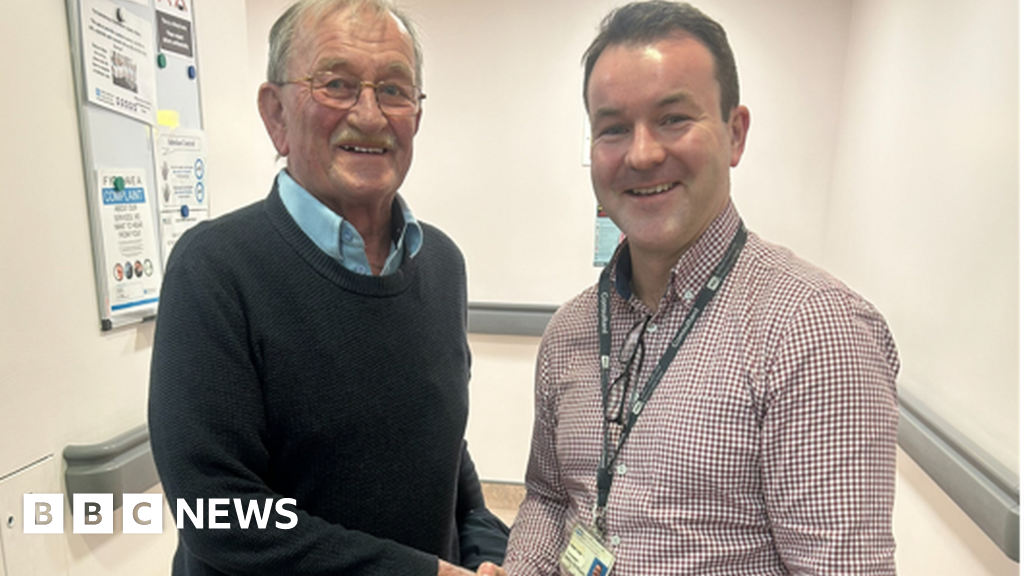
Patrick Magee, a renal cancer patient from Northern Ireland, has become the first person on the island to receive a specialized radiotherapy treatment called stereotactic radiotherapy (SABR) at the cancer clinic in Belfast's City Hospital. This innovative treatment, supervised by Dr. Aidan Cole, targets the tumor with more precision than conventional radiotherapy, offering a curative option for patients who are not suitable for surgery. The treatment aims to provide maximal control and cure for many years to come, revolutionizing the outlook for cancer patients in Northern Ireland and offering hope to previously untreatable cases.

"Unlocking Cancer Treatments: From Cellular Cannibalism to Fruit Fly Breakthroughs"

Originally Published 2 years ago — by Phys.org

Featured image for "Unlocking Cancer Treatments: From Cellular Cannibalism to Fruit Fly Breakthroughs"
Source: Phys.org

Researchers at UC Santa Barbara have linked the gene Rac2 to cellular cannibalism, solving a 25-year-old cellular mystery and potentially revolutionizing cancer treatment. They discovered that hyperactive Rac2 causes cells to consume neighboring cells, a process that can lead to immunodeficiency in humans. This insight has been applied to develop a new cancer treatment strategy called CAR-M, which involves programming macrophages to eat cancer cells more effectively. The team has shown that macrophages with activated Rac2 can consume cancer cells at a higher rate, especially when combined with a CAR receptor. This discovery has led to a provisional patent for the technique, known as RaceCAR-M, and is moving towards further development and clinical trials.

"House Majority Leader Steve Scalise Takes Medical Leave for Cancer Treatment"

Originally Published 2 years ago — by The Hill

Featured image for "House Majority Leader Steve Scalise Takes Medical Leave for Cancer Treatment"
Source: The Hill

House Majority Leader Steve Scalise is undergoing a stem cell transplant to treat his multiple myeloma, a type of blood cancer. After completing successful induction chemotherapy, Scalise will work remotely during his recovery before returning to Washington, which temporarily narrows the GOP majority in the House. This comes at a critical time as Congress faces important legislative deadlines, including government funding and border security issues. Scalise's absence, along with other House member changes, will impact the Republican vote dynamics in the near term.

"House Majority Leader Scalise Undergoes Stem Cell Transplant, Works Remotely During Recovery"

Originally Published 2 years ago — by CNN

Featured image for "House Majority Leader Scalise Undergoes Stem Cell Transplant, Works Remotely During Recovery"
Source: CNN

House Majority Leader Steve Scalise is undergoing an autologous stem cell transplant as part of his treatment for multiple myeloma, a type of blood cancer he was diagnosed with in August 2023. Following successful induction chemotherapy, Scalise will be working remotely during his recovery until his expected return to Washington in February. His absence comes at a time when the Republican majority in the House is narrow, with only 220 seats compared to the Democrats' 213. Scalise has previously overcome serious health challenges, including surviving a critical gunshot wound in 2017.

"Breakthrough: 'Next-Gen' Nanomachines Propel Cancer Treatment Discovery"

Originally Published 2 years ago — by New York Post

Featured image for "Breakthrough: 'Next-Gen' Nanomachines Propel Cancer Treatment Discovery"
Source: New York Post

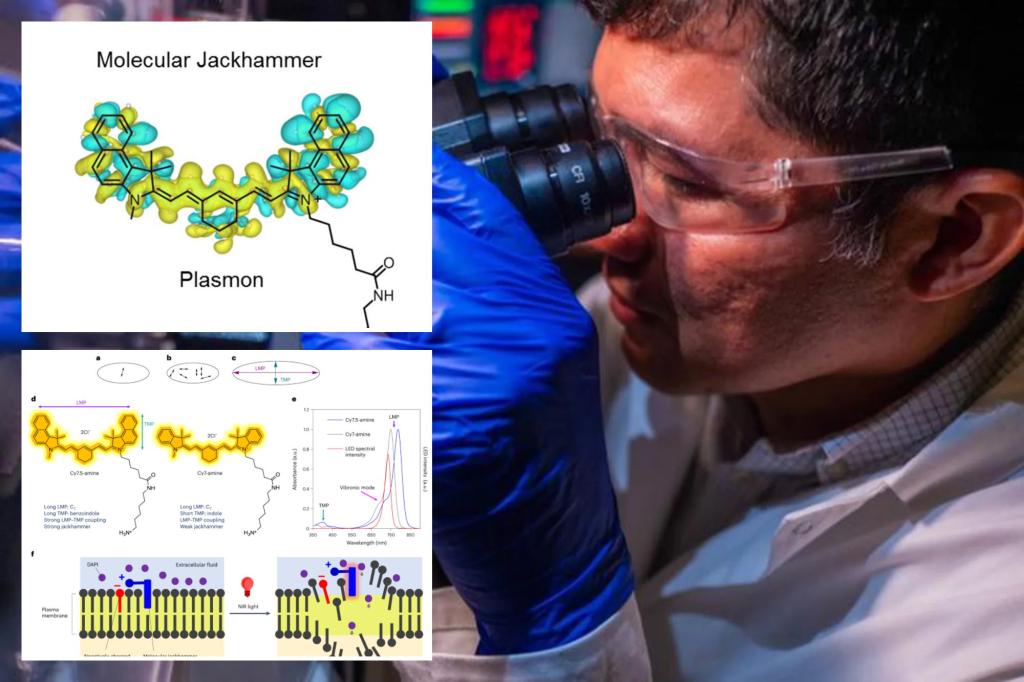
Researchers at Rice University have developed a "new generation" of nanomachines, termed "molecular jackhammers" (MJH), which offer a potential new cancer treatment method. These nanomachines utilize a cyanine dye activated by infrared light to selectively destroy cancer cells without harming surrounding tissue, potentially reducing side effects compared to traditional chemotherapy. While promising results have been observed in mice, with a significant portion becoming cancer-free, human trials are still many years away. The team is also exploring the combination of this technology with immunotherapy to target residual cancer cells.

"Shannen Doherty Shares Candid Outlook on Life and Fertility Amid Cancer Battle"

Originally Published 2 years ago — by Page Six

Featured image for "Shannen Doherty Shares Candid Outlook on Life and Fertility Amid Cancer Battle"
Source: Page Six

Actress Shannen Doherty, known for her roles in "Charmed" and "Beverly Hills, 90210," remains hopeful as she battles stage 4 cancer, aiming to live another three to five years with the help of emerging treatments. She discussed the importance of advancements in cancer therapy on her podcast "Let's Be Clear," with her oncologist Dr. Lawrence Piro comparing treatments to riding horses in a race, hoping to reach new options as they become available. Doherty, who was first diagnosed with breast cancer in 2015 and experienced a recurrence in 2019, underwent surgery in January 2023 to remove a brain tumor. Despite her health challenges, she continues to create and connect with others, emphasizing her gratitude and faith.

"Shannen Doherty Reflects on Her Cancer Battle and the Influence of IVF and Menopause on Treatment Decisions"

Originally Published 2 years ago — by TODAY

Featured image for "Shannen Doherty Reflects on Her Cancer Battle and the Influence of IVF and Menopause on Treatment Decisions"
Source: TODAY

Shannen Doherty, known for her roles in "Charmed" and "90210," shared on her podcast how a minor head injury led to the discovery of her stage 4 breast cancer spreading to her brain. Initially concerned about a potential subdural hematoma, her oncologist Dr. Lawrence Piro ordered a CT scan, which revealed brain metastases. Doherty underwent surgery and brain radiation in January 2023 to address the tumor. Despite the challenges, she remains hopeful about new treatments extending her life and candidly discusses living with terminal cancer, aiming to raise awareness and share her journey with others.

"MSK's Breakthroughs Revolutionize Acute Cancer Therapies in Latest Research"

Originally Published 2 years ago — by Interesting Engineering

Featured image for "MSK's Breakthroughs Revolutionize Acute Cancer Therapies in Latest Research"
Source: Interesting Engineering

Researchers at Memorial Sloan Kettering Cancer Center have made significant advances in cancer treatment, including the development of a new CAR T cell therapy that targets specific antigens in acute myeloid leukemia (AML) while potentially sparing healthy cells. This, along with insights into genetic elements and stem cell regulation, represents a promising step forward in the fight against cancer.

"Revolutionary Nanodrones: A New Frontier in Precision Cancer Therapy"

Originally Published 2 years ago — by Interesting Engineering

Featured image for "Revolutionary Nanodrones: A New Frontier in Precision Cancer Therapy"
Source: Interesting Engineering

Researchers at the Ulsan National Institute of Science and Technology have developed NK cell-engaging nanodrones (NKeNDs) that offer a potential new method for targeted cancer treatment. These nanodrones are designed to specifically target and destroy cancer cells, representing a significant innovation in oncology.

"Breakthrough 'Molecular Jackhammer' Technique Destroys 99% of Cancer Cells, May Replace Surgery"

Originally Published 2 years ago — by indy100

Featured image for "Breakthrough 'Molecular Jackhammer' Technique Destroys 99% of Cancer Cells, May Replace Surgery"
Source: indy100

Researchers at Rice University have developed a new cancer treatment method that uses aminocyanine molecules, which are activated by near-infrared light to act as "molecular jackhammers," effectively destroying 99% of cancer cells in lab tests and eradicating tumors in half of the treated mice. This approach, which leverages the molecules' ability to attach to cell membranes and the penetrative power of near-infrared light, could potentially treat hard-to-reach cancers without surgery. The findings, adding to recent advances in cancer therapy, were published in the Nature Chemistry journal.

"New Test Enhances Immunotherapy Access for Mismatch Repair-Deficient Cancers"

Originally Published 2 years ago — by UPI News

Featured image for "New Test Enhances Immunotherapy Access for Mismatch Repair-Deficient Cancers"
Source: UPI News

Researchers advocate for updated testing guidelines to include next-generation sequencing, which could identify an additional 6,000 U.S. cancer patients eligible for immunotherapy. This more sensitive test detects mismatch repair deficiency—a condition that makes certain cancers responsive to immunotherapy—more effectively than current immunohistochemistry tests. The study, published in the journal Cell, suggests that broader use of this advanced testing could lead to better treatment outcomes for patients with cancers like colon and endometrial cancer.