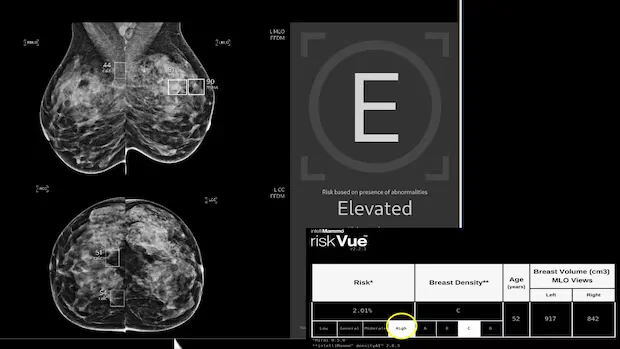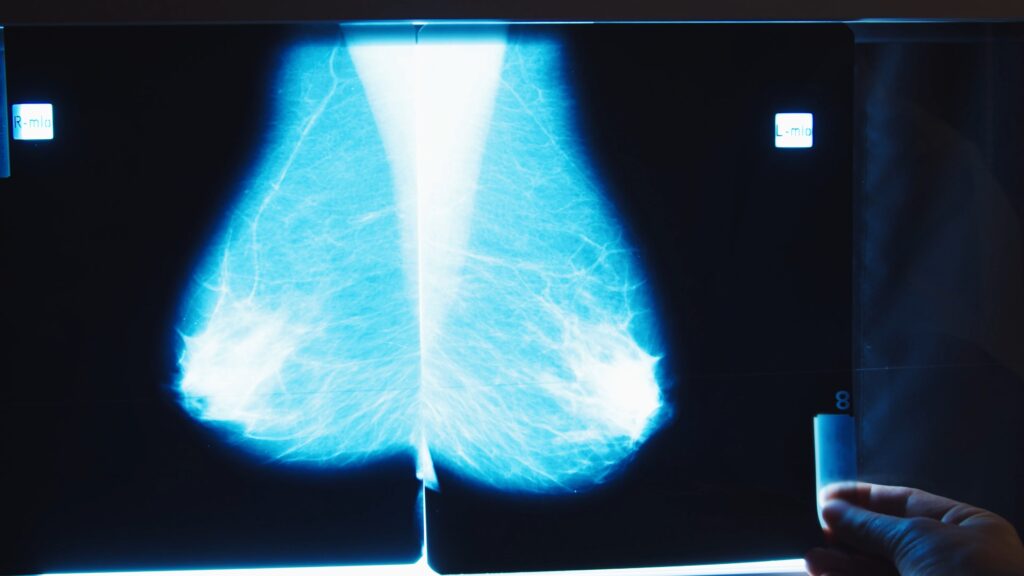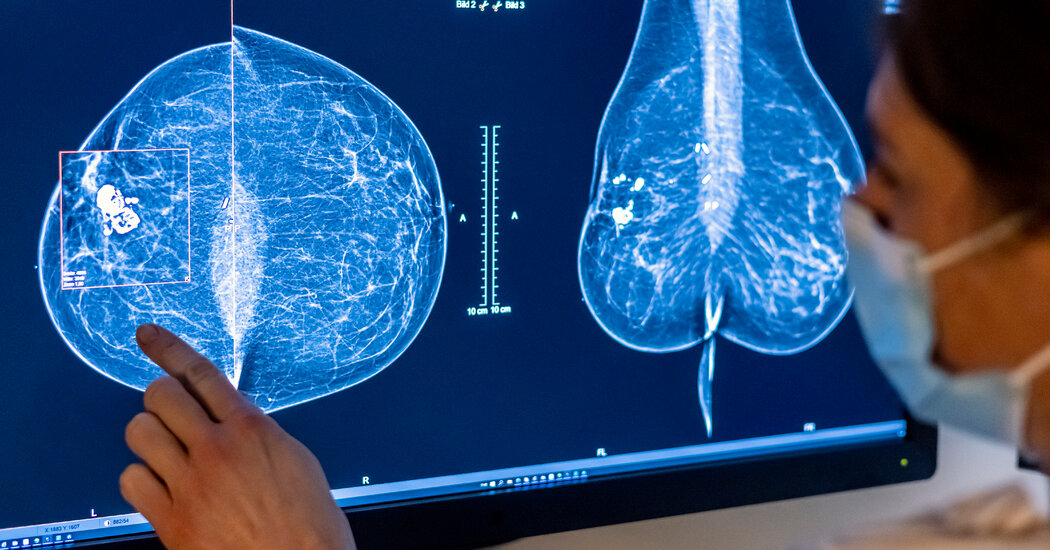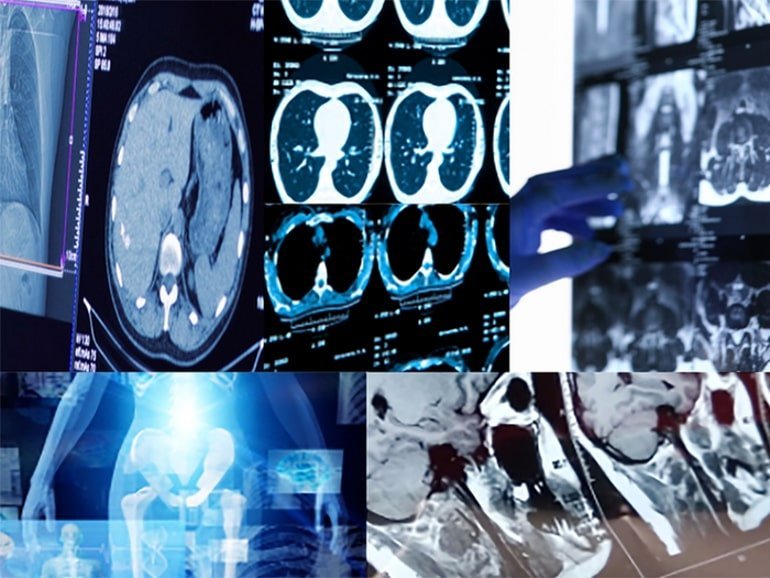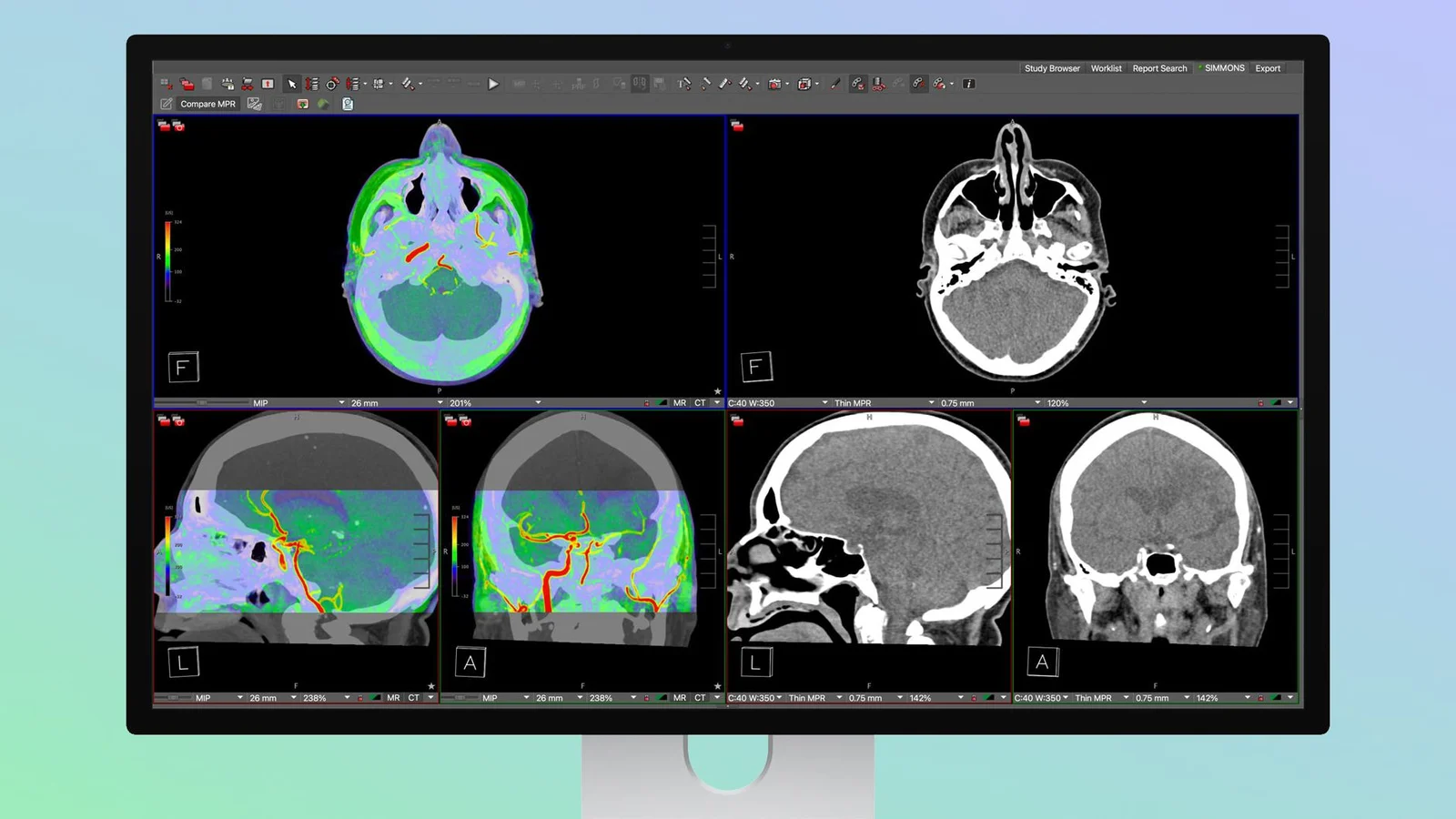
AI-based mammography tools are increasingly being adopted in U.S. radiology practices, with some claiming to detect more cancers than radiologists alone, but skepticism remains among many imaging centers and radiologists about their trustworthiness and effectiveness.
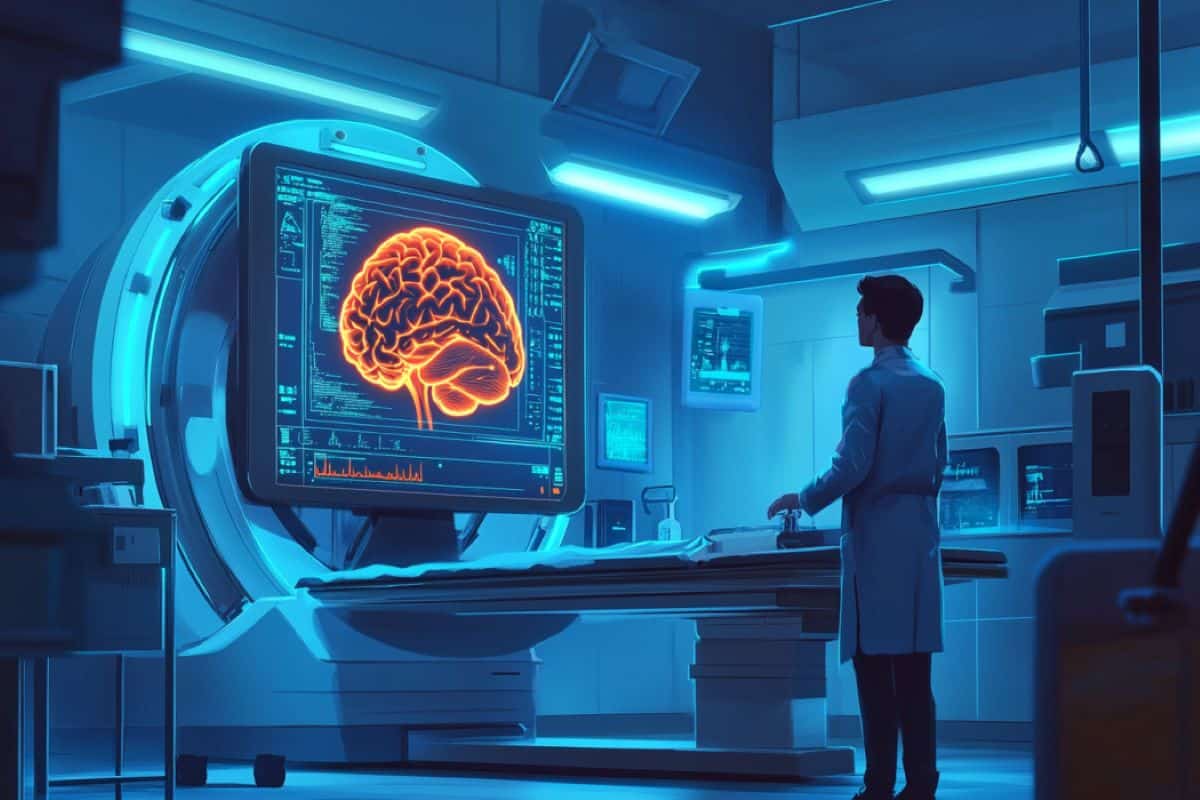
AI models using convolutional neural networks and transfer learning from tasks like camouflage detection have achieved 85.99% accuracy in distinguishing brain tumors from healthy tissue in MRI scans, nearing human performance. This study emphasizes explainability, allowing AI to highlight cancerous areas, fostering trust among radiologists and patients. While slightly less accurate than human detection, the method shows promise for AI as a transparent tool in clinical radiology.
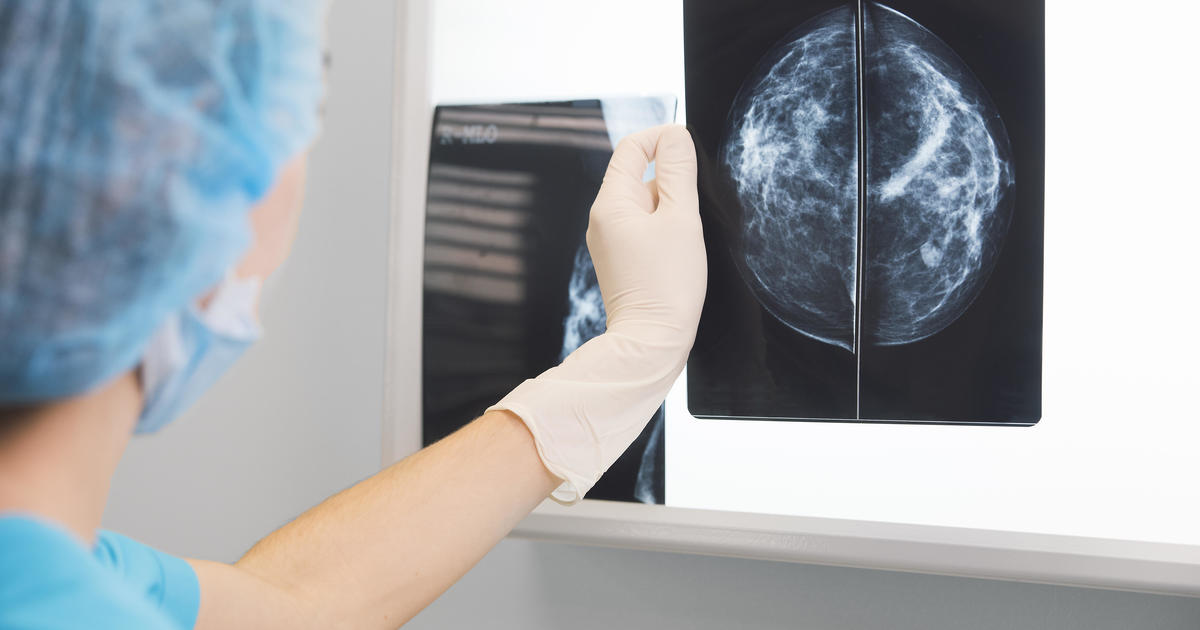
Clinics are offering a new service where mammograms are read by both radiologists and artificial intelligence models, aiming to improve accuracy in detecting breast cancer. While experts are excited about the potential of AI tools, they have concerns about their effectiveness across diverse patient populations and their impact on breast cancer survival. AI analysis can identify patterns in mammograms that may indicate cancer, but there are also challenges in differentiating certain patterns from normal breast tissue.
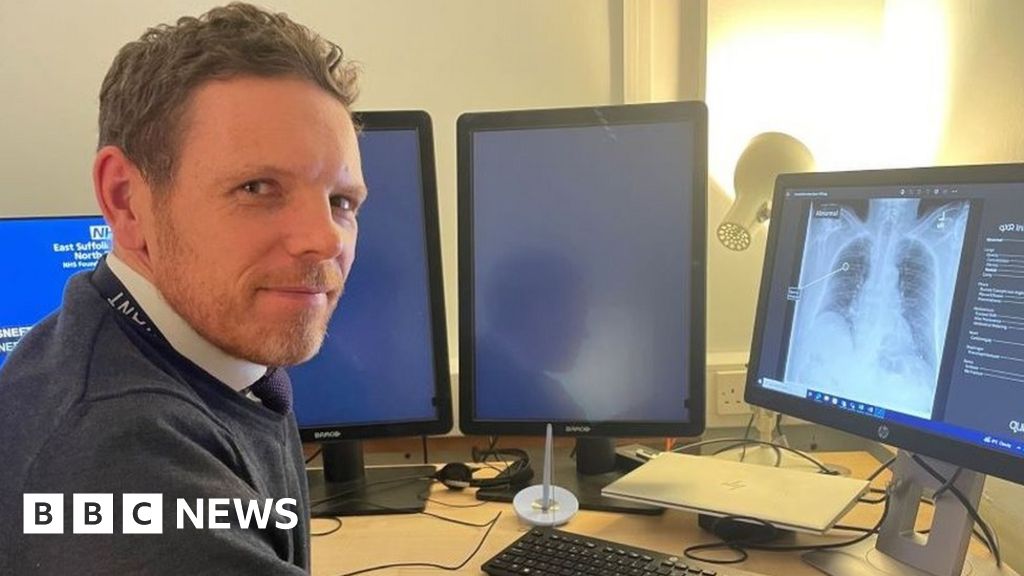
Ipswich Hospital is participating in the LungIMPACT research study, using AI software to assist in detecting abnormalities on chest X-rays, with the aim of expediting diagnostic processes. The study, running until July 2024, will involve reviewing 9,000 GP-referred chest X-rays to assess the effectiveness of AI in prioritizing X-rays for review and potentially speeding up the time to diagnosis. Consultant radiologist Dr. James Hathorn emphasized the importance of properly researching and evidencing AI products for the future of healthcare, with final decisions remaining in the hands of clinicians.
Some radiology clinics are offering patients the option to pay for artificial intelligence (AI) analysis of their mammograms, which is not covered by insurance. While AI software has the potential to improve the detection of suspicious breast masses and lead to earlier diagnoses of breast cancer, there is ambiguity regarding its individual benefit. The FDA has authorized AI products to help detect and diagnose cancer from mammograms, but there are currently no billing codes for radiologists to charge health plans for the use of AI. The cost of AI analysis raises concerns about equity and affordability, with some experts questioning the need for additional charges for a service that could be beneficial for all women.
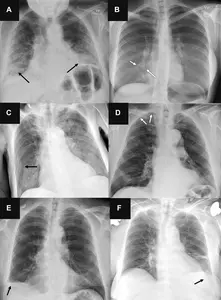
Radiologists outperformed commercially available AI tools in accurately identifying the presence and absence of three common lung diseases on chest X-rays, according to a study published in Radiology. While AI tools showed moderate to high sensitivity rates, they produced more false-positive results than radiologists, especially when multiple findings were present or for smaller targets. The study highlights the need for further testing of AI tools in real-life clinical scenarios and emphasizes the importance of radiologists' expertise in interpreting complex chest X-rays. AI systems could serve as a valuable second opinion for radiologists but should not be autonomous in making diagnoses.
The Centers for Medicare & Medicaid Services (CMS) has released the initial 2024 Medicare Physician Fee Schedule, proposing a pay cut for diagnostic and interventional radiology. The proposed fee schedule also suggests potentially rescinding the long-delayed Appropriate Use Criteria (AUC) Program. The preliminary changes include reductions in relative value units for various specialties, with diagnostic radiology facing a 3% cut and interventional specialists facing a 4% cut. The proposed 2024 conversion factor, used to convert RVUs into payment, represents a 3.36% reduction from the 2023 amount. The Medical Group Management Association (MGMA) expressed concerns about the cut, stating that it would further increase the gap between practice expenses and reimbursement rates. CMS is also considering doing away with the AUC Program due to challenges in implementation and potential risks. The agency is accepting comments on the proposed rule until September 11.
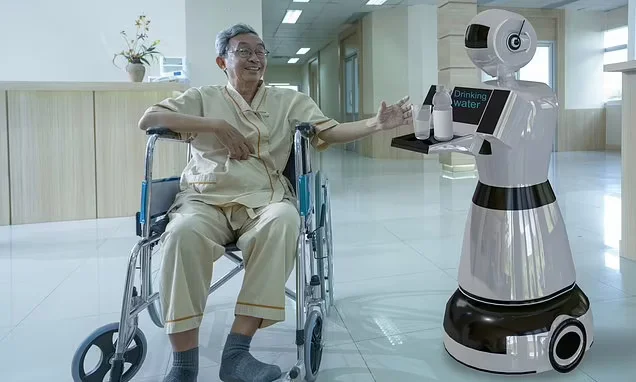
While AI can significantly improve the accuracy of medical diagnoses, it cannot replace human doctors in holding a patient's hand, listening to their wishes, and making difficult decisions. AI can help improve the accuracy of test results and interpretation, particularly in cases where multiple factors are at play. However, doctors must be cautious in adopting AI and only do so where there is evidence to support its use.
DALL-E 2, a text-to-image generation deep learning model, has promising potential for image generation, augmentation, and manipulation in healthcare, particularly in radiology. The model has learned relevant representations of x-ray images and can create realistic x-ray images based on short text prompts. However, its capabilities for generating images with pathological abnormalities or other medical imaging modalities are still limited. Synthetic data generated by DALL-E 2 could accelerate the development of new deep learning tools for radiology and address privacy concerns related to data sharing between institutions. Further research and development are needed to fine-tune these models to medical data and incorporate medical terminology to create powerful models for data generation and augmentation in radiology research.