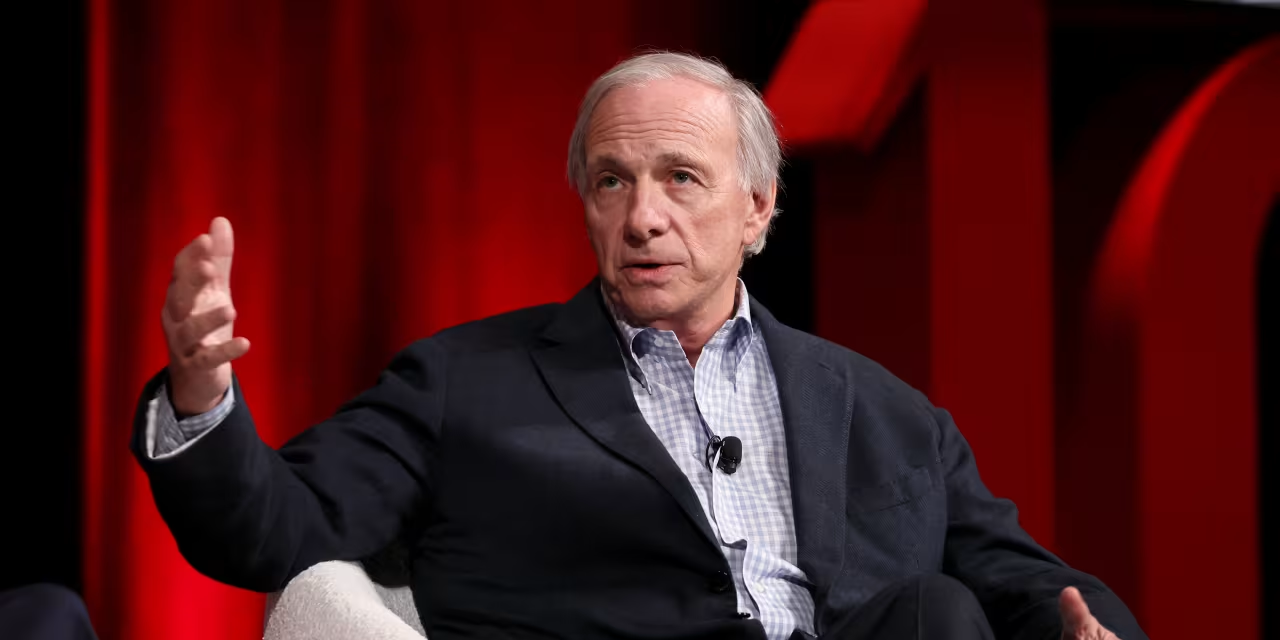
Ray Dalio warns that the Fed's decision to stop quantitative tightening and begin quantitative easing could potentially create a bubble and be more inflationary, raising concerns about the impact of the new policy on the economy.
The Federal Reserve plans to end its quantitative tightening program on December 1, which will stop draining liquidity from the financial system and may support higher stock prices and lower long-term Treasury yields, potentially acting as an effective interest rate cut and boosting financial markets.
The Federal Reserve announced it will cease shrinking its Treasury holdings starting December 1 after a three-year process, while continuing to reduce mortgage-backed securities, amid rising funding costs and tightening money markets, without immediate plans to inject liquidity into the system.
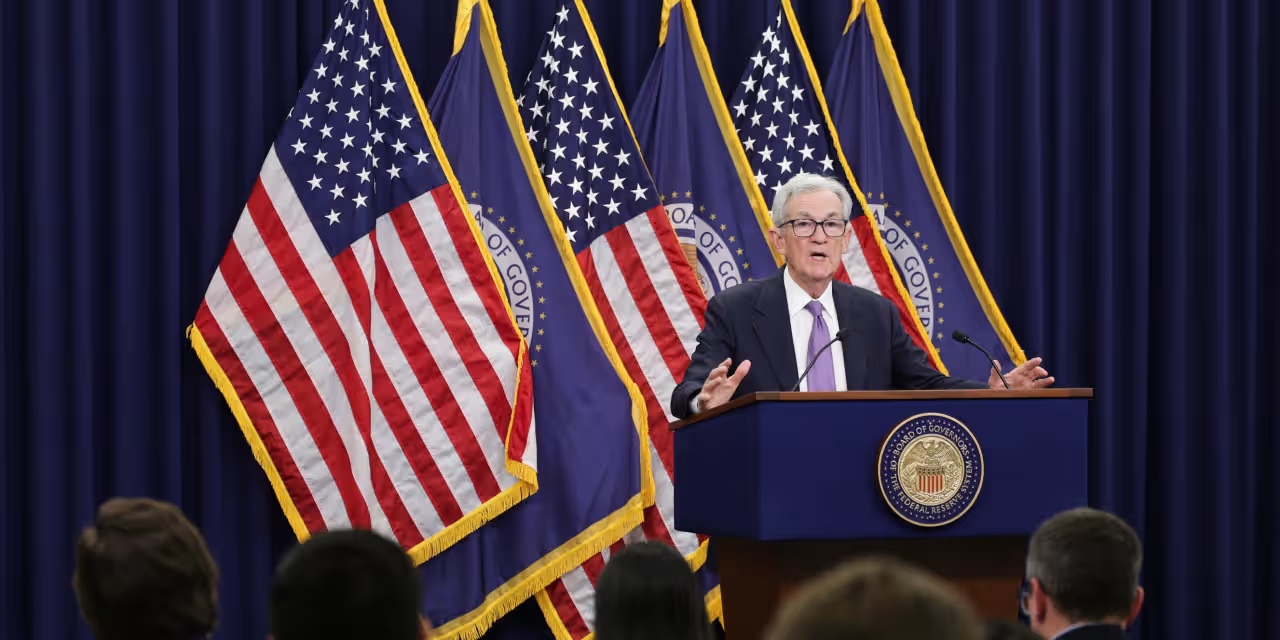
The Federal Reserve cut interest rates for the second time this year to 3.75%-4%, ending its asset reduction program, but Chair Jerome Powell expressed uncertainty about further cuts in December, citing differing views among officials and economic data uncertainties.
The Federal Reserve is considering ending its balance sheet reduction program to prevent market chaos, amid signs of tightening liquidity and rising short-term borrowing costs, which could influence future monetary policy and White House relations.
The Federal Reserve is expected to cut interest rates by 0.25 percentage points this week to support the labor market amid cooling demand and mild inflation, with further easing possible, while debates continue over communication strategies and balance sheet policies.
Bitcoin's price has surged nearly 10% amid expectations that the Federal Reserve will end its quantitative tightening, potentially leading to increased money printing and a significant rise in bitcoin's value, with predictions of reaching $1 million.
Bitcoin's price remains volatile amid signals from the Federal Reserve about ending its quantitative tightening, with potential interest rate cuts on the horizon, leading to market uncertainty and a recent dip to around $108,500 before rebounding above $111,000.
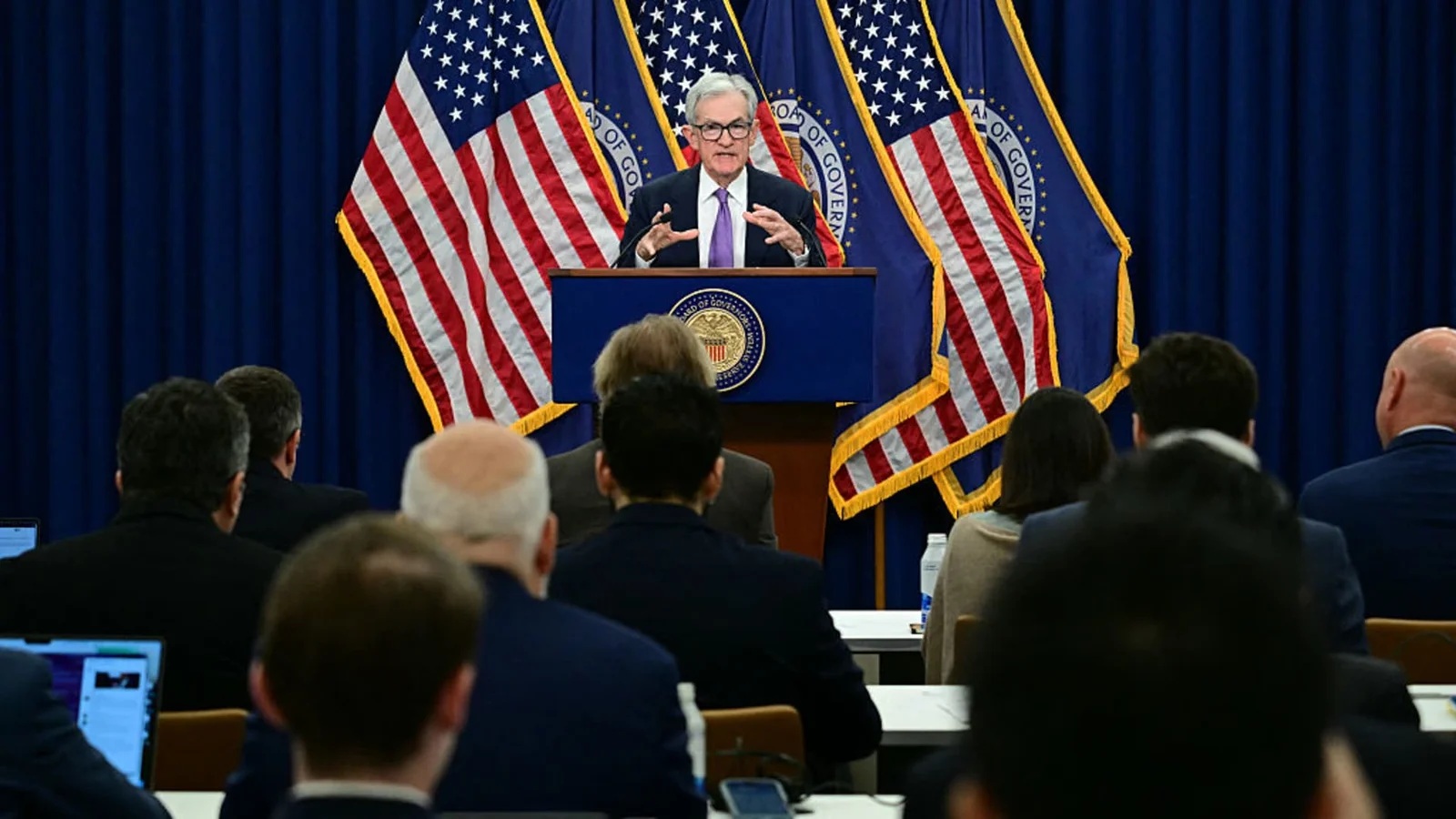
Federal Reserve Chair Jerome Powell indicated that the end of the Fed's quantitative tightening process may be near as liquidity conditions tighten and the reverse repo facility nears zero usage, signaling a potential shift in monetary policy. Powell emphasized the importance of the Fed's balance sheet tools and warned against removing its interest-paying powers, highlighting the delicate balance the Fed maintains to control interest rates and financial stability.
Federal Reserve Chair Jerome Powell indicated that the central bank's quantitative tightening program, which involves reducing its balance sheet, may conclude in the coming months as signs of tightening liquidity emerge, with the Fed taking a cautious approach to avoid market strains.
Federal Reserve Chair Jerome Powell indicated that the Fed is nearing the end of its quantitative tightening process, with no clear guidance on future interest rate moves, emphasizing the importance of monitoring liquidity conditions and maintaining control over rates amid economic uncertainties.
The Bank of England has kept interest rates at 4%, citing ongoing inflation concerns and warning that the economy is not yet out of the woods, with some members voting for a rate cut. The Bank also announced a slower reduction in its government bond holdings to manage debt costs, amid rising food prices and subdued consumer spending, as it cautiously approaches future rate adjustments based on inflation trends.
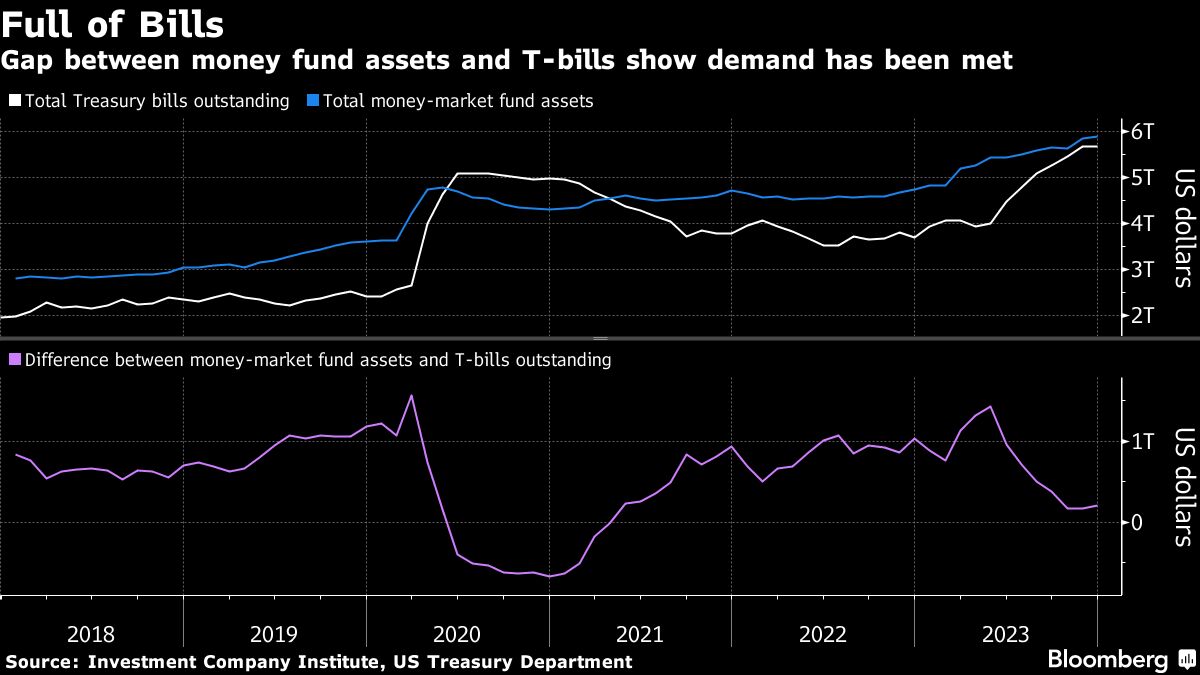
The US Treasury is set to reduce the supply of Treasury bills, coinciding with the Federal Reserve's plans to taper its balance sheet unwind, which is seen as favorable for investors who have been heavily investing in the debt. The reduction in bill sales is expected to exceed $250 billion between April and June, reflecting a decrease in appetite for short-dated government debt. This move comes as the gap between money-market fund assets and total bills outstanding narrows, and the usage of a key Fed facility declines. The Treasury's efforts to term out the debt through larger coupon auctions are viewed as prudent in this context, as the market may soon reach a turning point in absorbing bill supply.
The Federal Reserve is considering when to start discussions on ending its quantitative tightening (QT) program, as revealed in the minutes from the last FOMC meeting. Several members indicated it's time to consider the technical aspects of slowing down the balance sheet reduction, suggesting the end of QT might be approaching sooner than anticipated. The plan is to stop shrinking the balance sheet when reserve balances are above the level needed for ample reserves.
The biggest risk to the stock market in 2024 is the Federal Reserve's balance sheet reduction program, which could potentially trigger a liquidity shock as Treasury issuances remain high. Ned Davis Research warns that if the Fed continues with quantitative tightening (QT) and the Treasury continues to issue a significant amount of Treasury bills, it could lead to a decline in liquidity, negatively impacting the stock market. This decline in liquidity may also limit banks' ability to provide loans, restricting economic growth. Despite concerns, Fed Chair Jerome Powell has pledged to continue with QT unless the economy collapses.