Scientists have developed a new, more efficient method of converting plastic waste into fuel using pyrolysis, a process that heats plastic to high temperatures without oxygen. This breakthrough could potentially turn the massive plastic pollution problem into a nearly endless energy source, though concerns about its energy consumption and environmental impact remain.
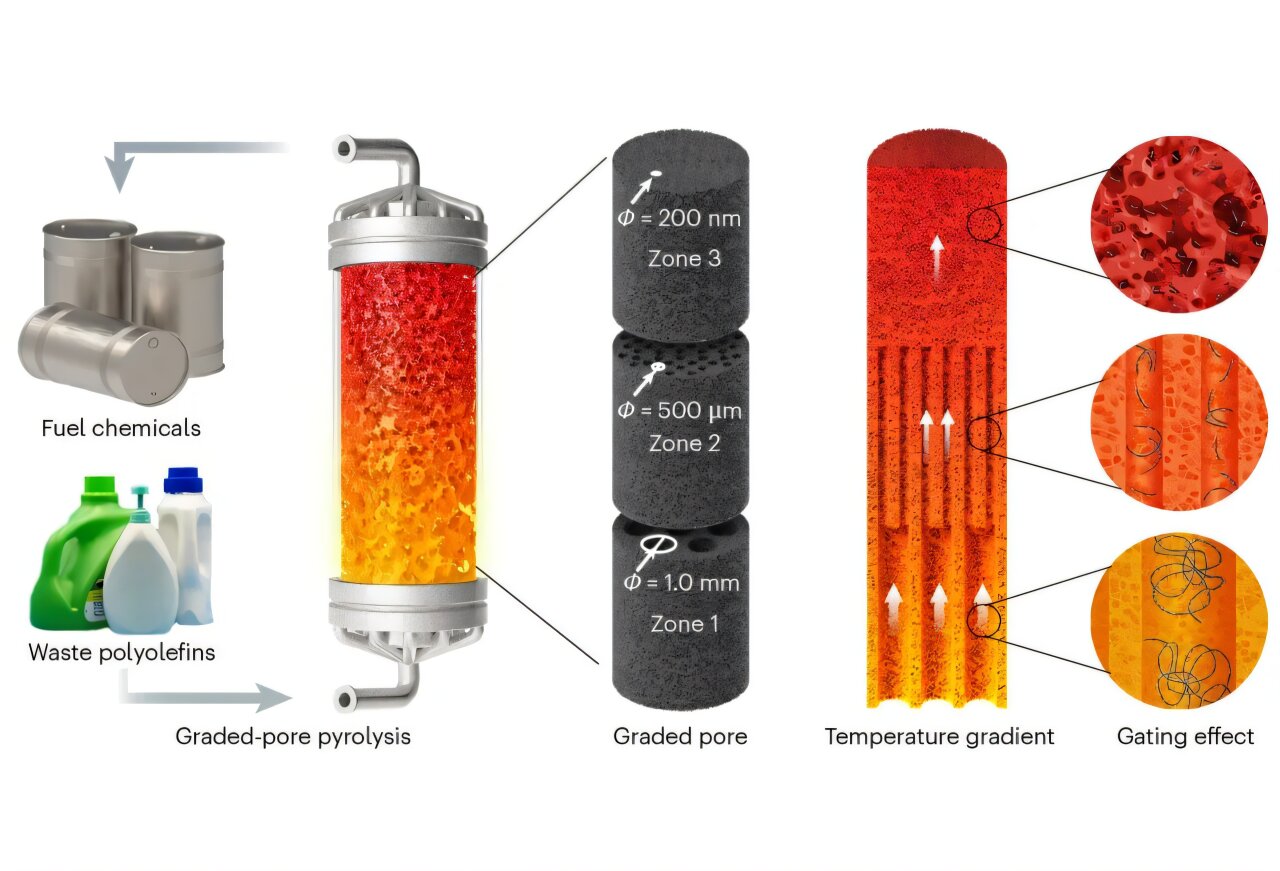
Yale researchers have developed a catalyst-free pyrolysis device using a 3D-printed, hierarchical porous carbon reactor that efficiently converts plastic waste into fuels, achieving a record-high 66% conversion rate, offering a promising solution for plastic waste management.
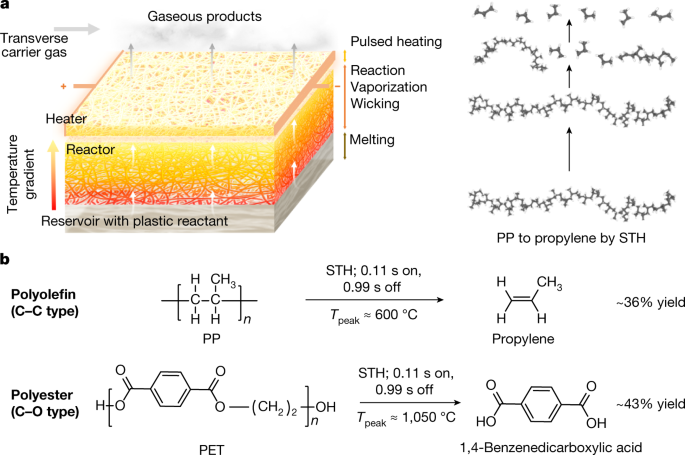
Researchers have developed a new method for depolymerizing plastics using electrified spatiotemporal heating, which breaks down the plastic into its constituent monomers. This method offers a more efficient and sustainable alternative to traditional pyrolysis methods for plastic recycling and upcycling. The process could potentially be used to create new materials and fuels from plastic waste.
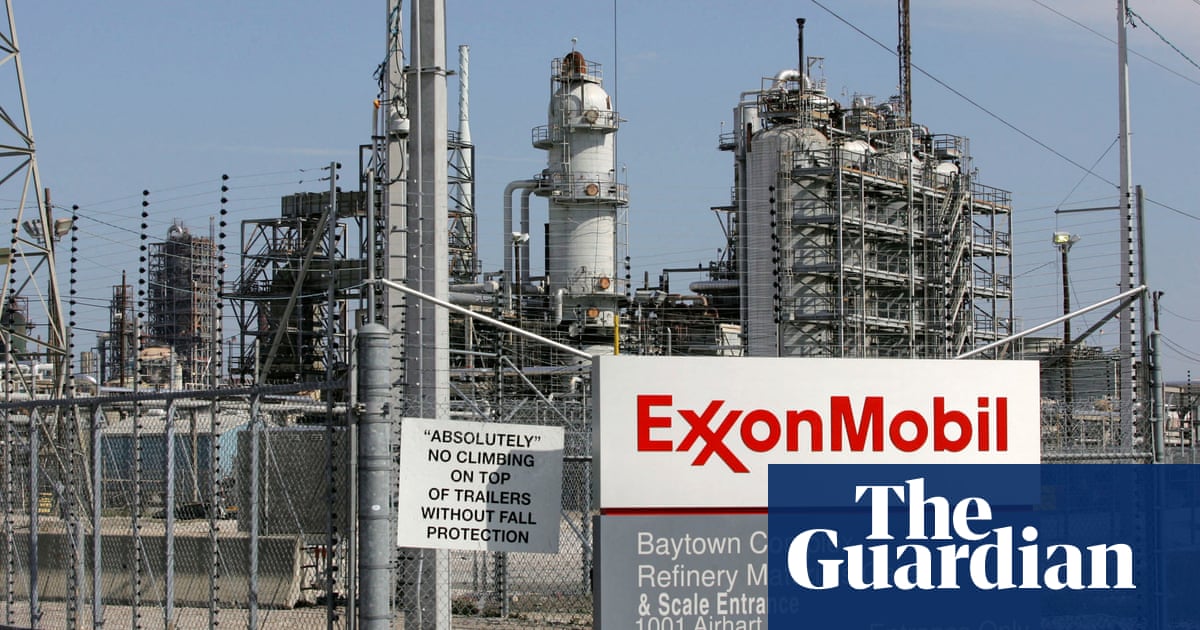
ExxonMobil's new "advanced recycling" plant in Texas, one of the largest chemical recycling plants in North America, has raised concerns among environmental advocates who say the technology is a dangerous distraction from the need to reduce plastic production. Chemical recycling generates hazardous pollutants while providing cover for oil giants to keep producing millions of tons of new plastic products each year. Recent research has shown that chemical recycling is worse for the environment than mechanical recycling in terms of greenhouse gas emissions and water use, and in some cases, worse than virgin plastic production.