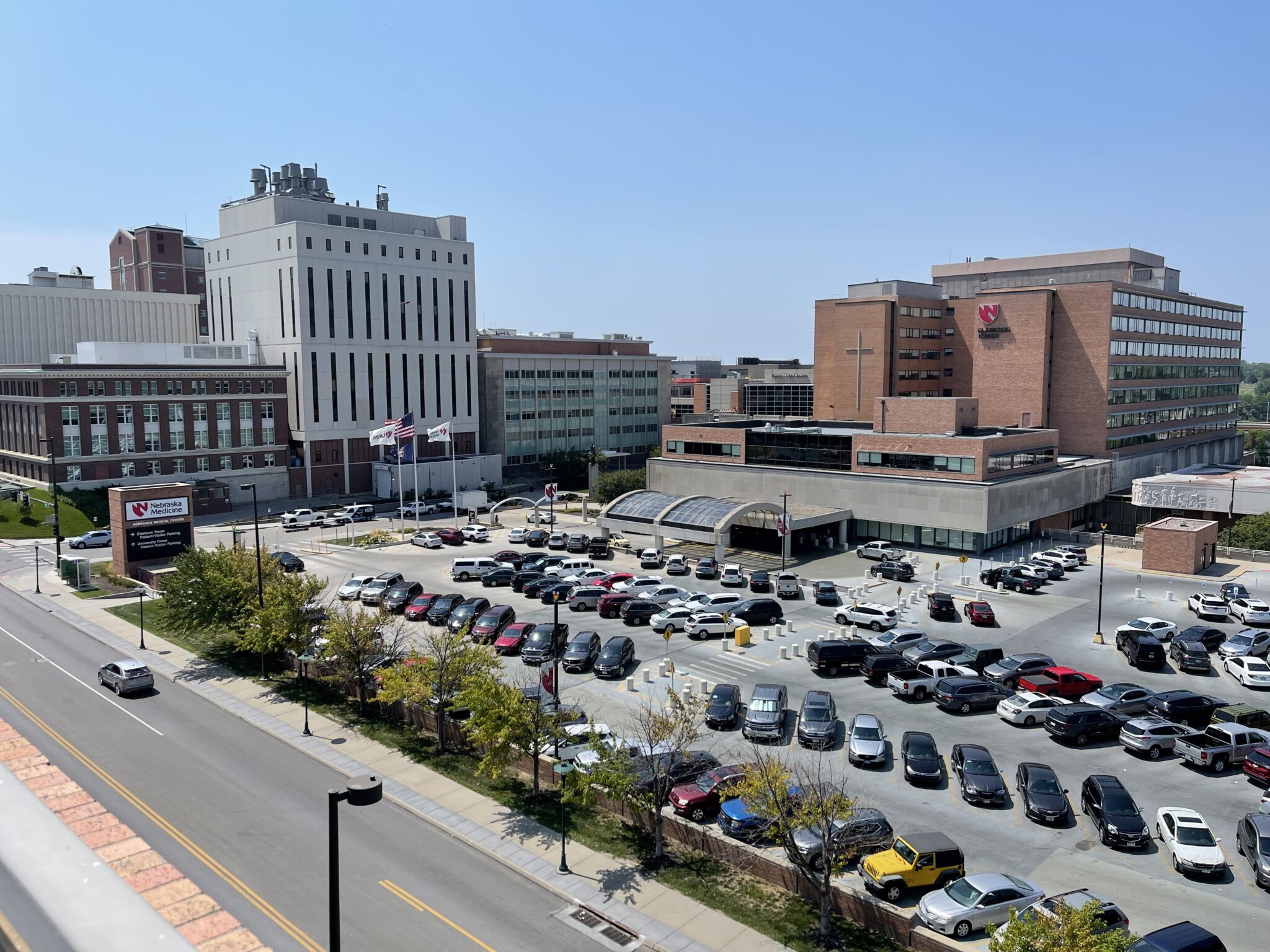
Clarkson Regional Health Services is offering the University of Nebraska system $800 million to buy out its share of Nebraska Medicine and related properties, aiming to consolidate governance and strengthen local healthcare, despite opposition from Nebraska Medicine's board and concerns over funding and state control.
The Kraft Group has reached agreements with Everett and Boston to develop a waterfront stadium and public park, including environmental cleanup, transportation improvements, and community benefits, aiming to transform a neglected industrial site into a vibrant neighborhood asset.
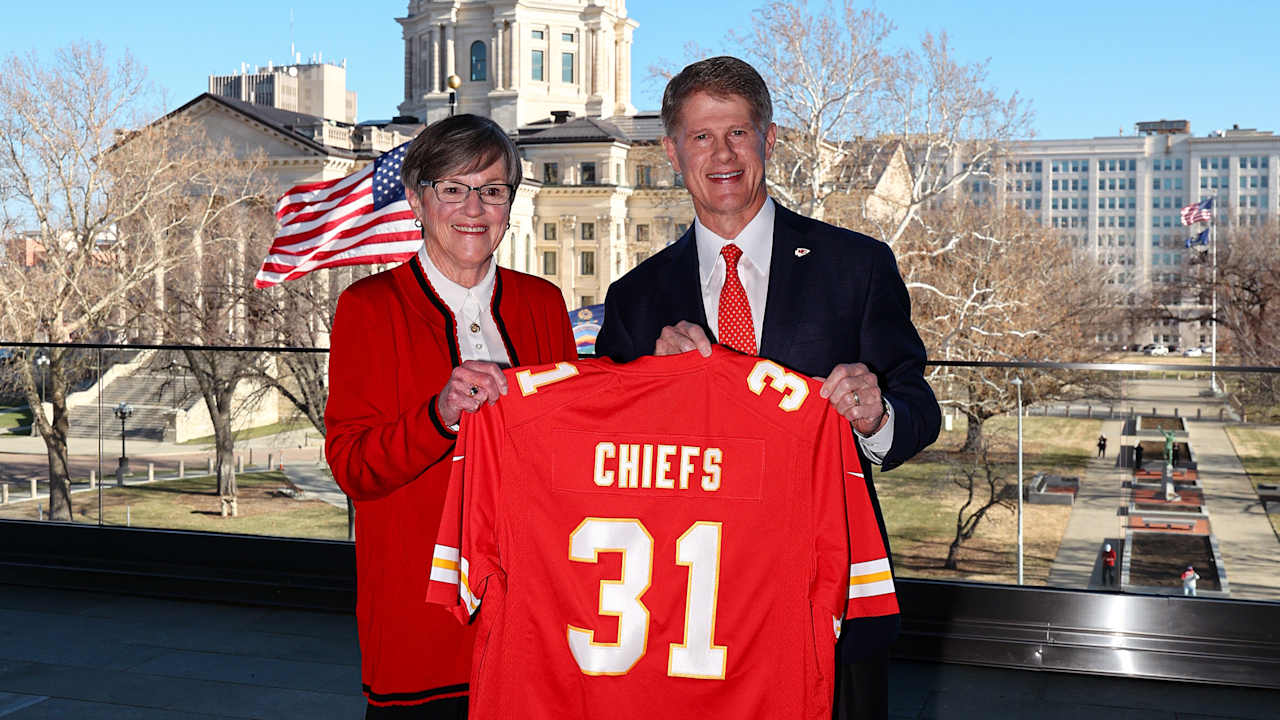
The Kansas City Chiefs and Kansas Governor's Office announced a $3 billion plan to build a state-of-the-art domed stadium in Wyandotte County, along with a new team headquarters and mixed-use development, creating over 20,000 jobs and $4.4 billion in economic impact, funded through a public-private partnership with no new taxes.
The article discusses the recent FDA approval of two new antibiotics for gonorrhea, highlighting the innovative, not-for-profit development model of zoliflodacin by GARDP, which aims to make essential antibiotics more accessible globally, especially in low- and middle-income countries, amidst rising antimicrobial resistance.
The Trump administration has launched the US Tech Force to recruit around 1,000 technologists for two-year government stints, aiming to modernize federal tech and compete in AI, involving private sector companies and addressing previous workforce reductions.
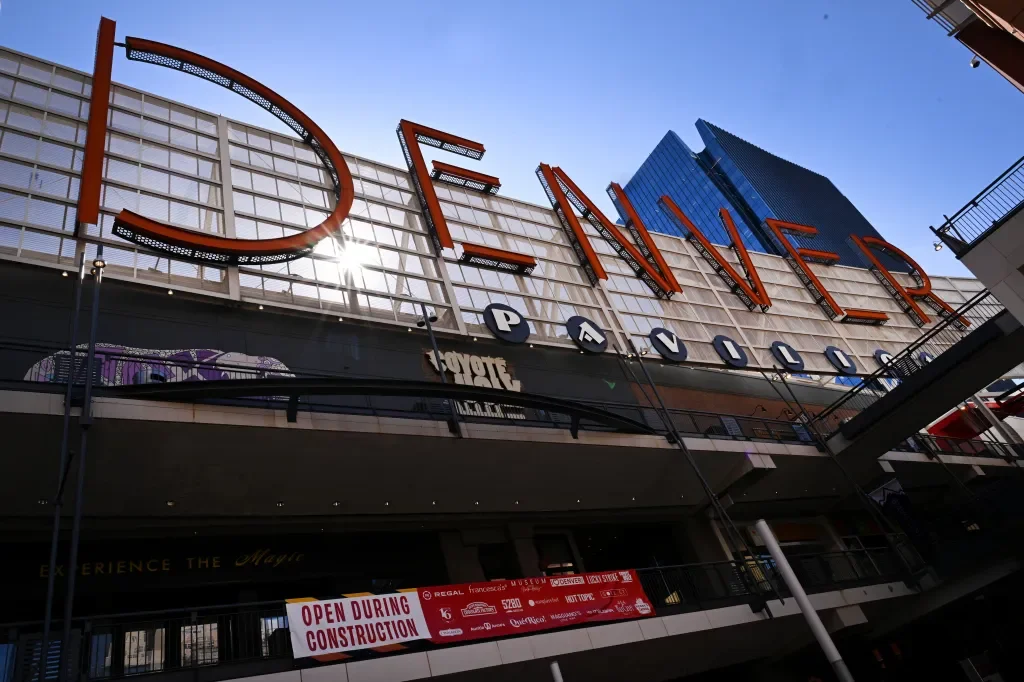
The Denver Downtown Development Authority plans to purchase the struggling Denver Pavilions mall for $37 million to revitalize the area, with a focus on mixed-use redevelopment and community input, aiming to prevent blight and boost downtown vitality without using city funds.
The US Space Force and Gravitics are developing a $60 million orbital aircraft carrier to revolutionize satellite deployment, enhance space security, and maintain strategic dominance through innovative public-private collaborations, marking a new era in space exploration and military capabilities.
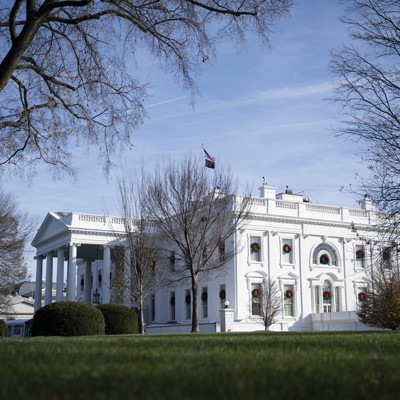
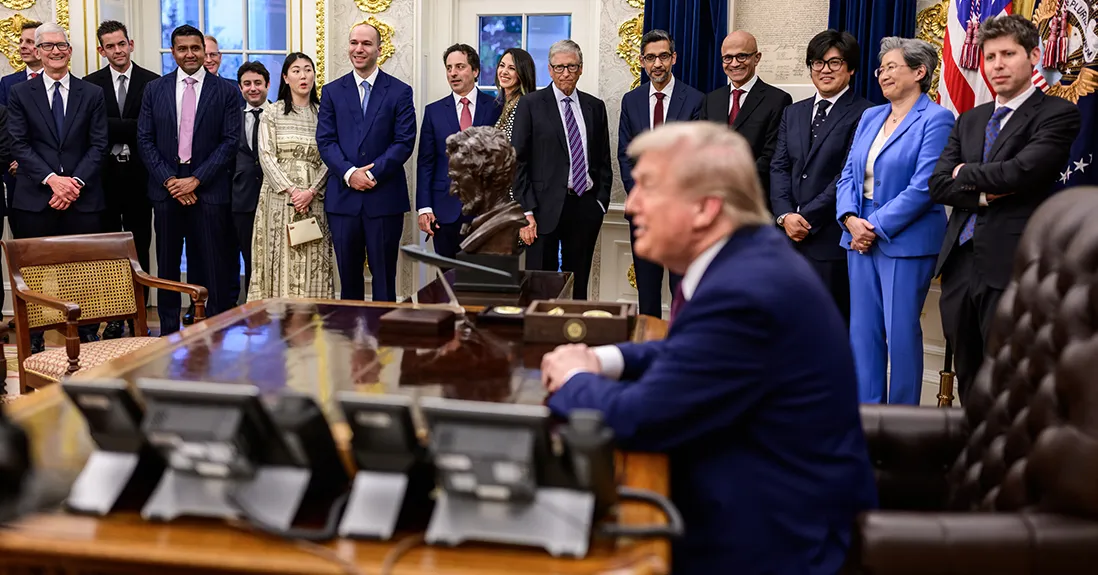
President Trump and tech leaders gathered at the White House to discuss advancing AI and innovation in the US, emphasizing government support for the tech industry and significant investments in infrastructure and manufacturing, with industry leaders expressing optimism about the US's role in global AI leadership.
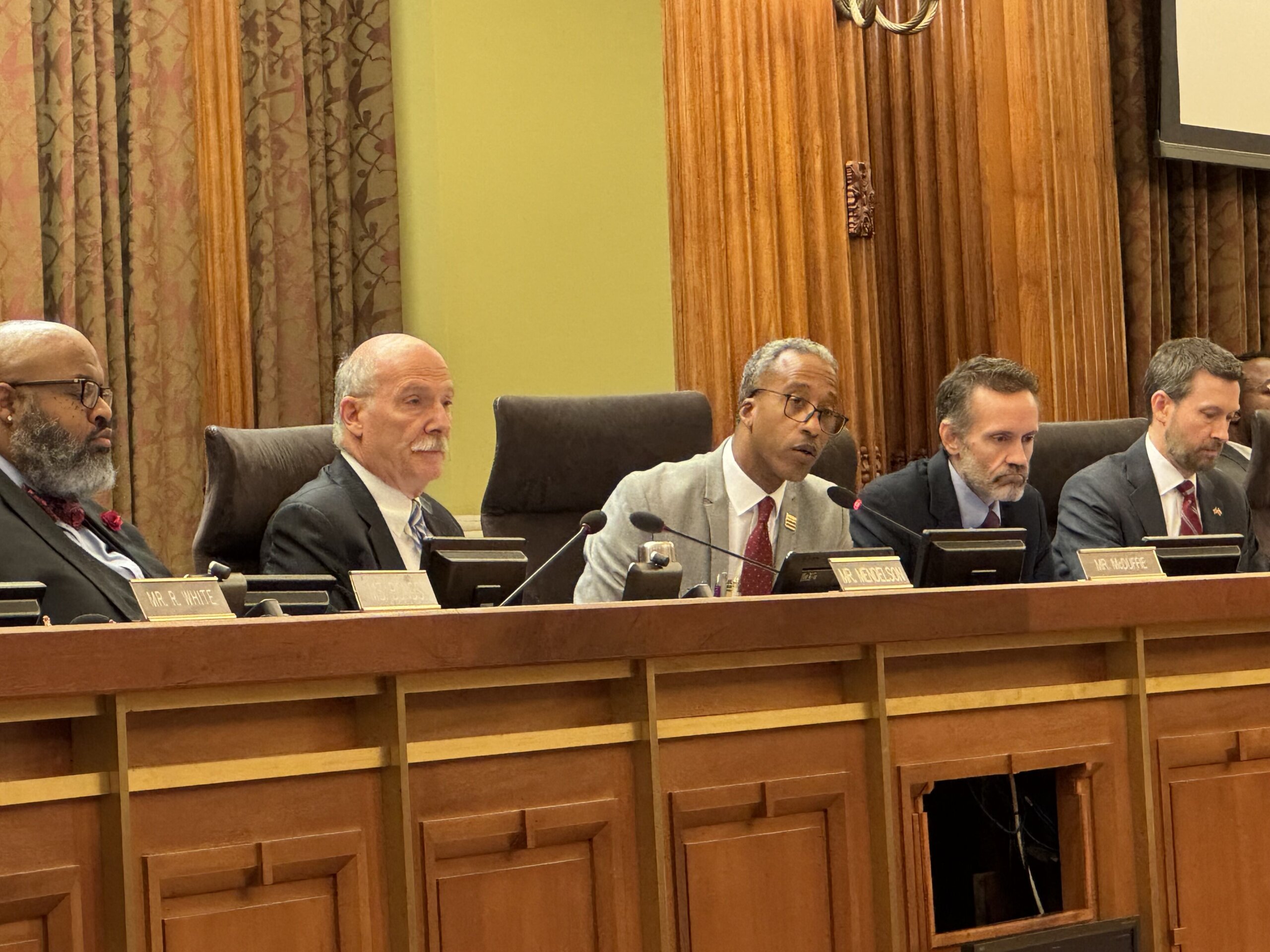
The DC Council approved the initial vote for a $3.7 billion RFK stadium redevelopment project that would bring the Washington Commanders back to DC, with a final vote scheduled for September. The deal includes tax incentives and a mix of public and private funding, with some council members raising concerns about taxpayer costs, project accountability, and community impact. The project aims to boost local development, create jobs, and generate significant tax revenue over 30 years.
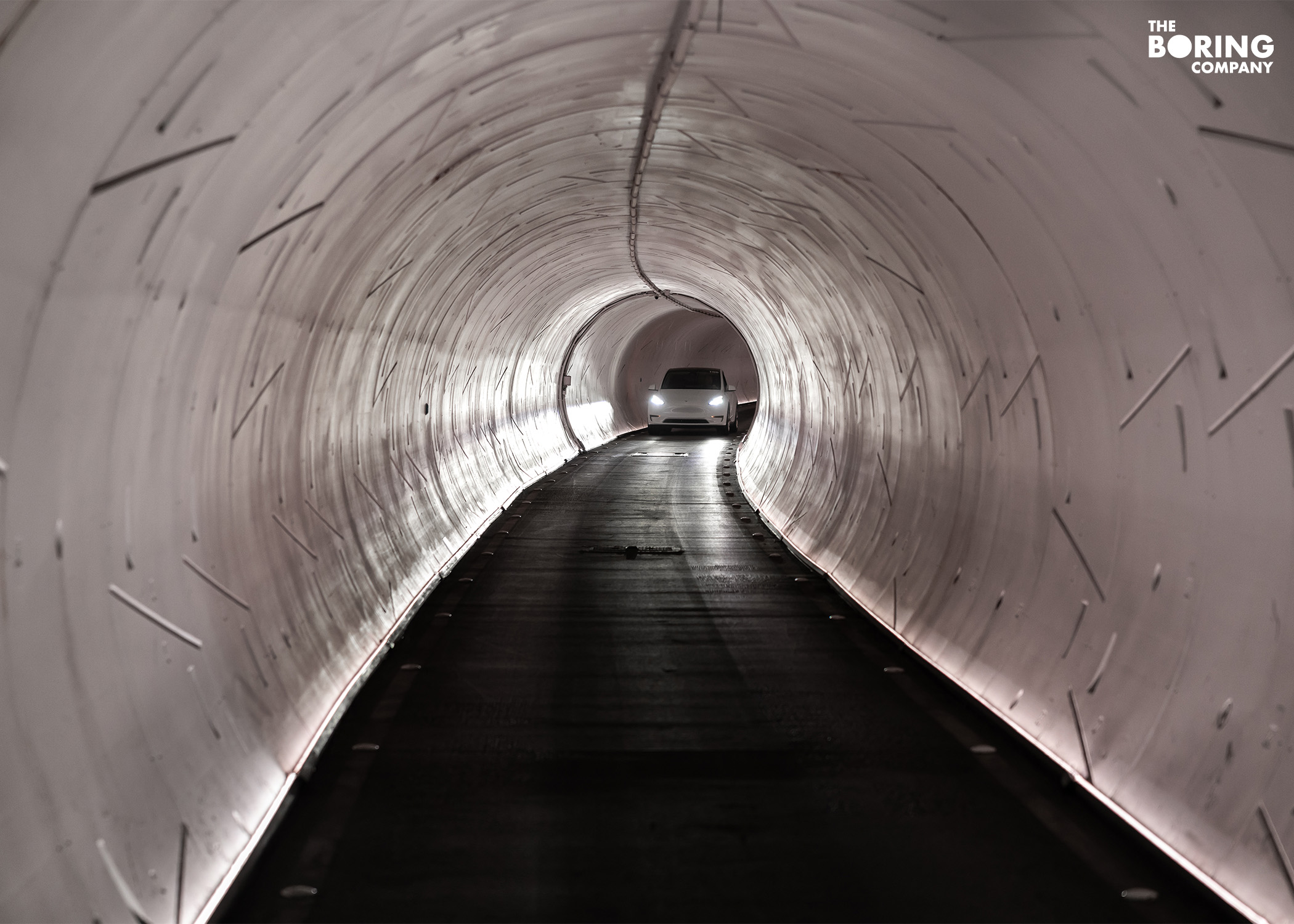
The Boring Company, owned by Elon Musk, plans to build a tunnel in Nashville connecting the airport to downtown, promising quick Tesla trips and full funding by the company, but faces skepticism over geological challenges and lack of detailed planning. The project is supported by state officials but criticized by local Democrats and some city leaders due to safety, feasibility, and land rights concerns.
The U.S. Department of Energy has selected four sites on federal lands to develop AI data centers and energy projects, aiming to lower energy costs, boost AI leadership, and enhance grid reliability through public-private partnerships, with further details and additional sites to be announced soon.
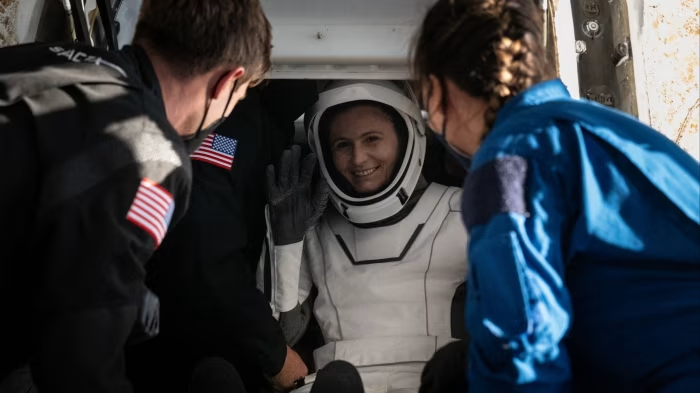
The article emphasizes the convergence of NASA, private industry, military, and international partners in the new space age, highlighting the importance of public-private partnerships, technological advancements like laser communications, and international collaboration through initiatives like the Artemis Accords to maintain US leadership in space exploration and security.
Trump officials are considering significant changes at Alcatraz, while the Presidio benefits from a successful public-private partnership model that supports its maintenance and operations, contrasting with the broader challenges faced by the National Park Service under the current administration, which has seen a substantial reduction in staff.
The US aims to boost nuclear energy through executive orders and regulatory reforms, but faces a major hurdle in securing sufficient funding, as private investment remains hesitant due to high costs and past overruns. Experts suggest a government-led 'Operation Warp Speed' for nuclear development, similar to COVID-19 vaccine efforts, but current political and financial uncertainties threaten to impede this push, risking a slowdown in America's nuclear renaissance.
Los Angeles Mayor Karen Bass urged the wealthy to help fund housing for the homeless during her State of the City address, emphasizing the need to move beyond temporary shelters and acquire more properties. She highlighted the success of the Inside Safe program and called for an "unprecedented partnership" to confront the homelessness emergency, citing the impact on businesses, taxpayers, and safety. Despite billions spent and new programs, the homeless population continues to rise, prompting a lawsuit against the city and an external audit of its homelessness initiatives.