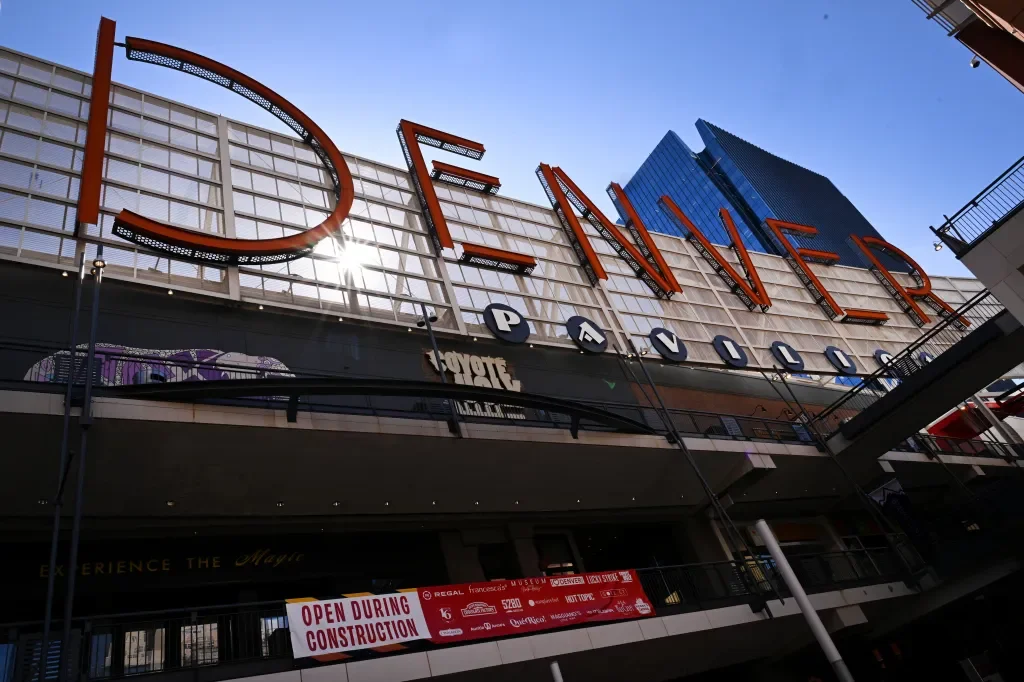
The Denver Downtown Development Authority plans to purchase the struggling Denver Pavilions mall for $37 million to revitalize the area, with a focus on mixed-use redevelopment and community input, aiming to prevent blight and boost downtown vitality without using city funds.
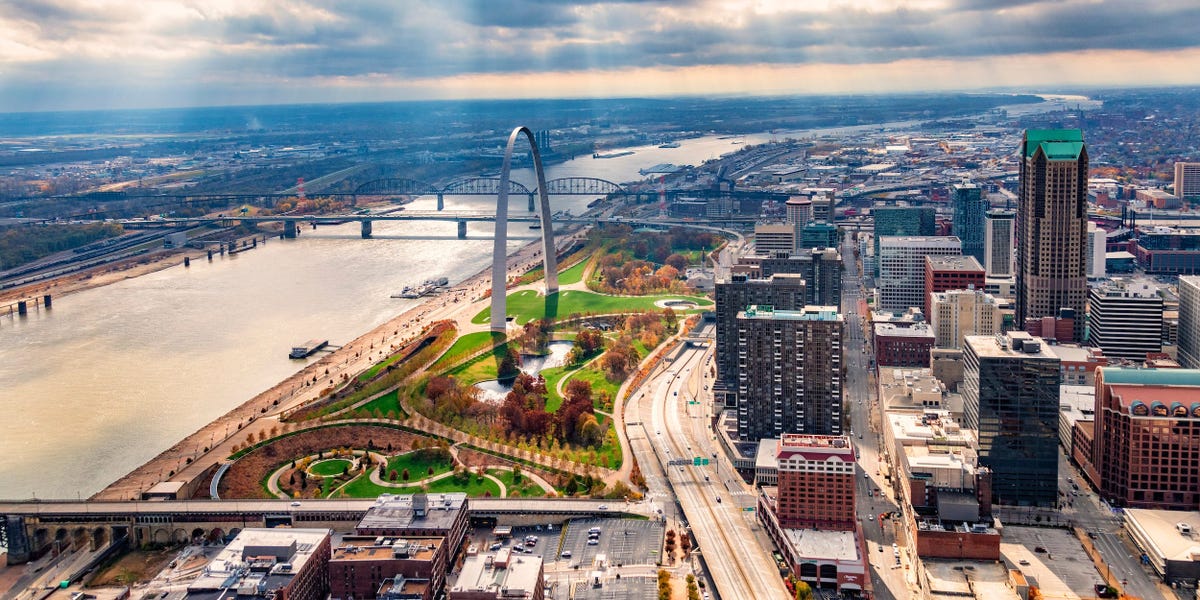
The sale of a 44-story office building in downtown St. Louis for a 98% discount from its 2006 price highlights the struggles facing the city's central business district, with a record-high office vacancy rate of 22.3%. The abandonment of iconic buildings and closure of local businesses due to remote work has created a vicious cycle, known as the "urban doom loop," leading to a decline in downtown foot traffic. Midwestern cities like St. Louis are facing challenges in attracting people to their downtown areas, and experts suggest prioritizing the addition of amenities to revitalize these urban spaces.
A temporary outdoor ice rink has opened in downtown Portland, bringing festive feelings and hope for the revitalization of the area. The ice rink, accompanied by vendors selling warm drinks and food, aims to make downtown Portland a place for everybody. Families are being drawn to the rink, which offers a fun experience and supports local businesses. The ice rink, funded by the city, corporate sponsors, and other organizations, is part of Prosper Portland's goal to bring people back into central city spaces. The rink is open until January 28th, and tickets are available for 90-minute skate sessions.
Mayor Muriel Bowser and DC Council Chairman Phil Mendelson have introduced legislation to support the complete renovation and modernization of the Capital One Arena in downtown Washington, DC. The legislation outlines the District's contribution of $500 million towards the $800 million project, solidifying the arena as an economic anchor of the Gallery Place-Chinatown entertainment district. The proposal aims to create a state-of-the-art urban arena and maintain the Washington Wizards and the Washington Capitals in Washington, DC. The legislation also emphasizes the importance of job creation, supporting local businesses, and positioning the area as a top-tier destination for residents and visitors.
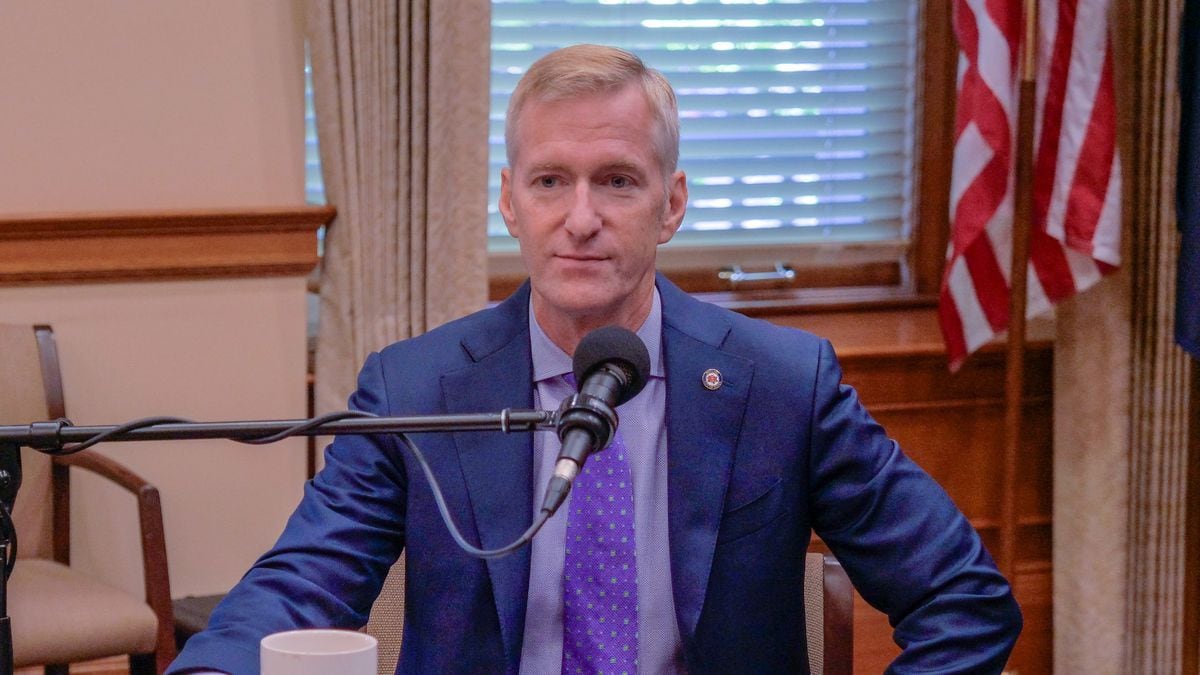
Portland Mayor Ted Wheeler condemns powerful groups' ad campaigns that criticize the city, arguing that they harm its reputation and discourage investment. He specifically points to billboards erected by an advocacy group called People for Portland, which blame local officials for crime and homelessness issues. While crime rates in Portland are declining, negative perceptions of the city have increased. Wheeler believes that these campaigns disincentivize tourism, business investments, and prospective residents. He urges donors to reconsider supporting such negative press and instead focus on supporting the city's recovery and revitalization efforts.
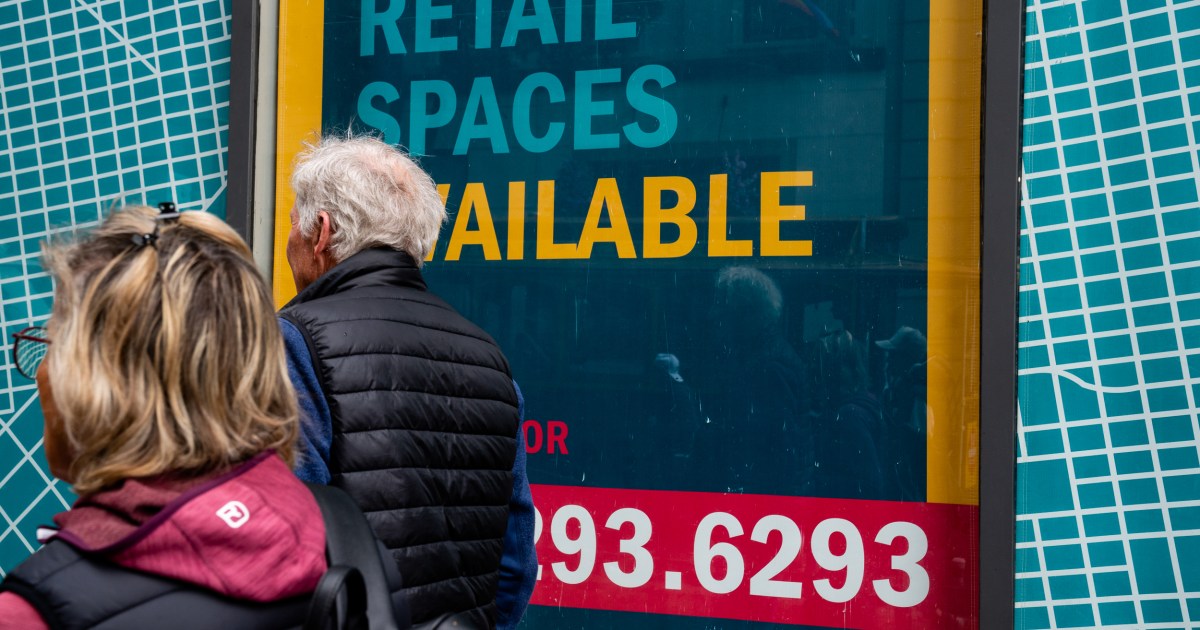
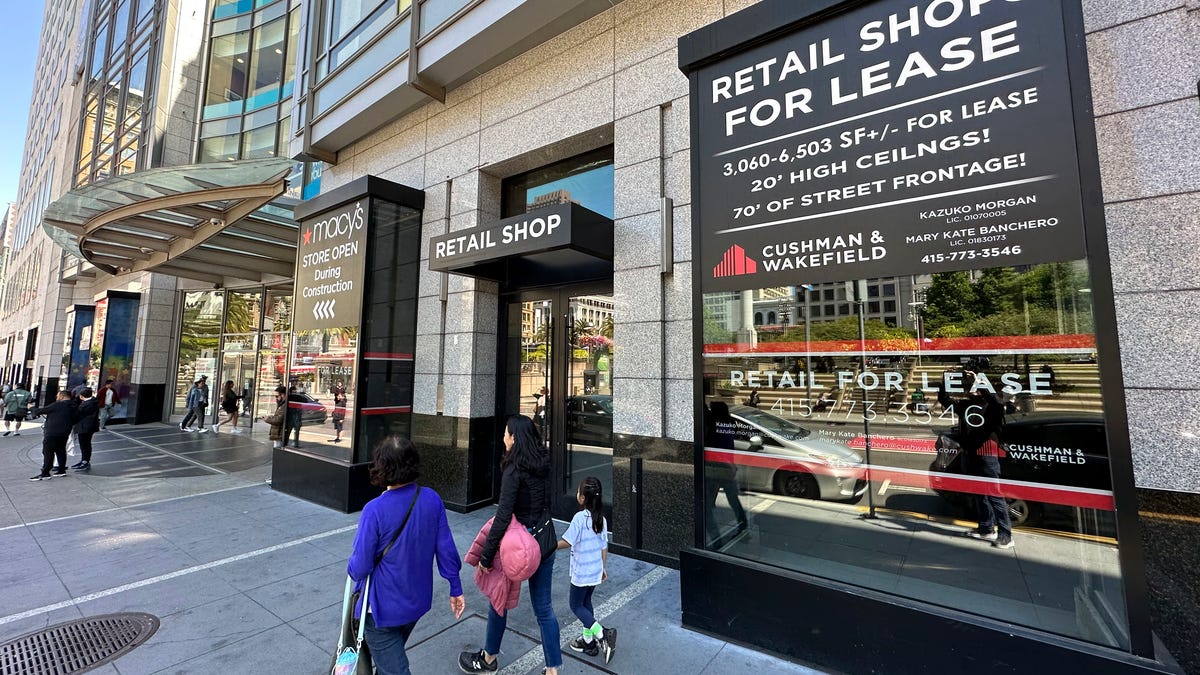
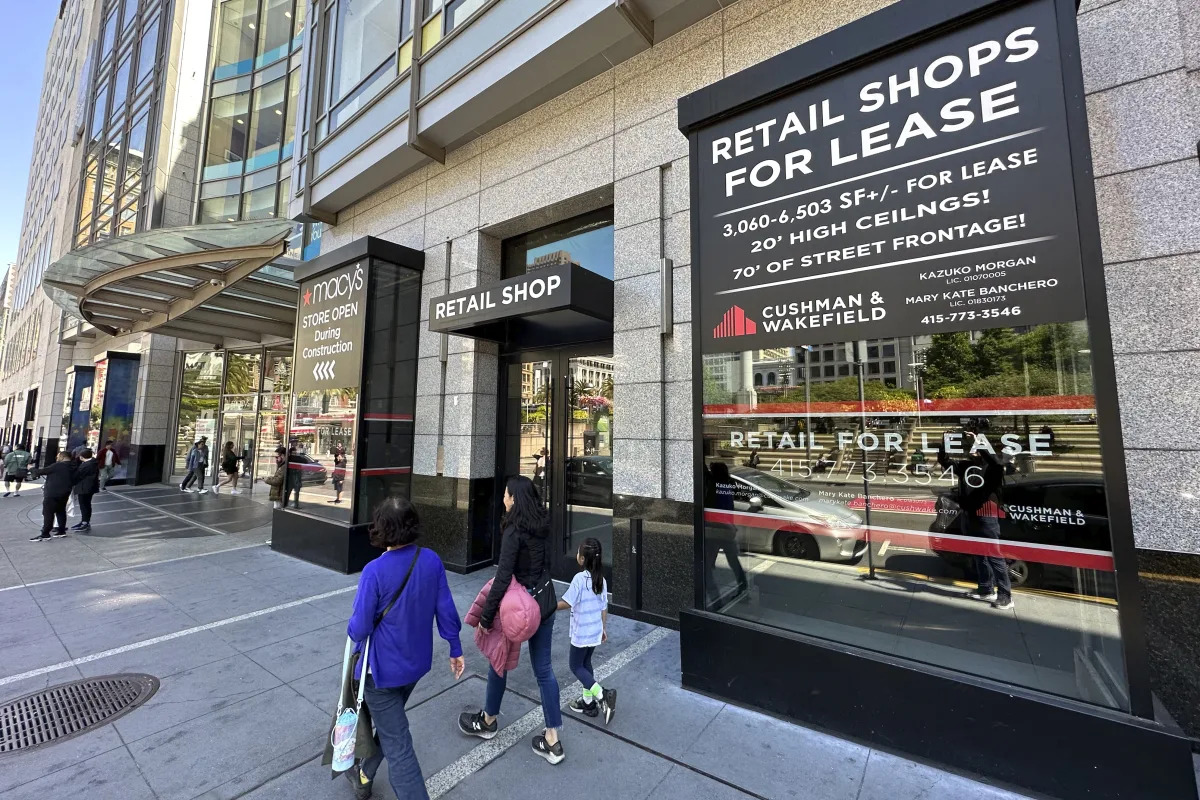
The city of San Francisco is launching a new initiative called Vacant to Vibrant, which aims to revitalize Downtown San Francisco by filling vacant storefronts with pop-up shops. The first group of 17 pop-up shops, including artists, makers, small businesses, and organizations, will open next month in the Financial District. The initiative, a collaboration between the city's Office of Economic and Workforce Development and nonprofit SF New Deal, received over 850 applications. The program provides technical assistance and grants of up to $8,000 to participants, and some may even extend their leases beyond the initial three-month period. The Vacant to Vibrant program is actively accepting applications for future cohorts.
San Francisco's downtown is struggling to recover from the pandemic, with diminished foot traffic, empty storefronts, and declining sales. The city's downtown is a prime example of the challenges faced by many cities across the US, as downtowns must diversify and become around-the-clock destinations to attract people. San Francisco relied heavily on international tourism and its tech workforce, both of which disappeared during the pandemic. Other major cities like Portland and Seattle are also experiencing similar declines. San Francisco leaders are taking steps to revitalize downtown, including relaxing zoning rules and converting office space into housing. However, it will take more than housing for downtowns to flourish, and cities must find ways to attract visitors and create a sense of safety.
San Francisco's downtown is struggling to recover from the pandemic, with diminished foot traffic, vacant storefronts, and declining sales. The city's heavy reliance on international tourism and its tech workforce has contributed to the challenges. However, this is not unique to San Francisco, as other cities like Portland and Seattle are also facing similar declines. To revive downtown areas, experts suggest diversifying their offerings beyond office spaces and focusing on mixed-use spaces, housing conversions, and improving walkability. While there are signs of recovery, it will require concerted efforts to attract visitors and restore the vibrancy of downtown areas.
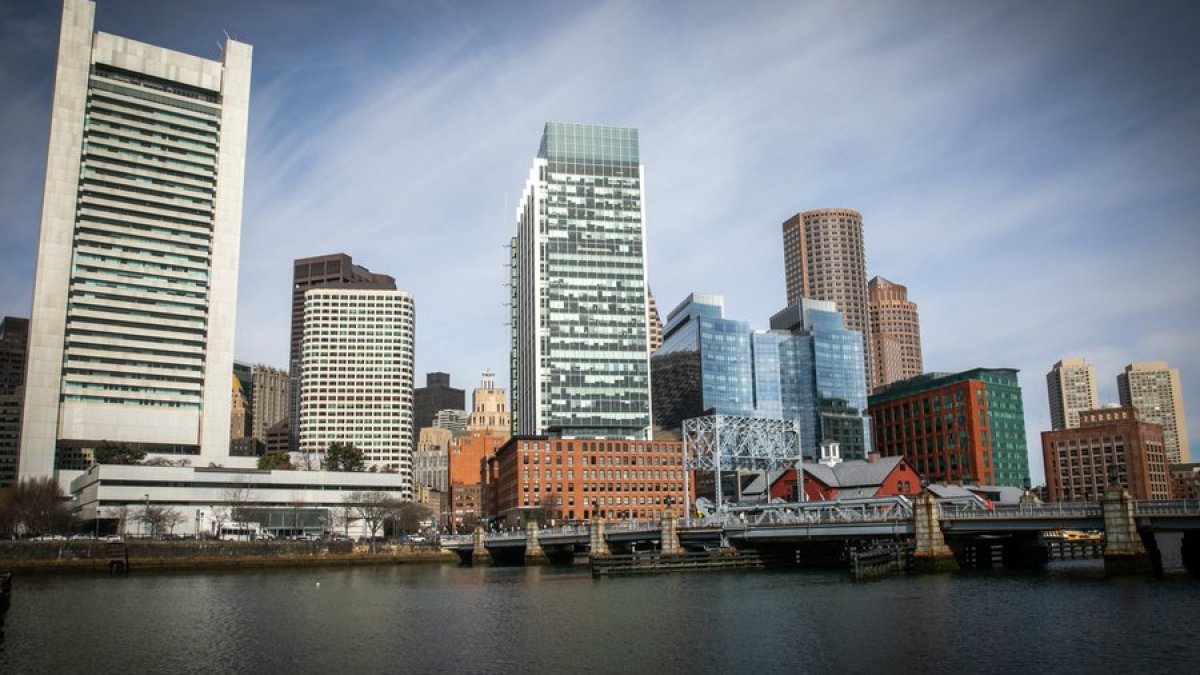
Boston Mayor Michelle Wu is proposing a property tax break of up to 75% over 29 years for downtown office building owners who convert their properties into apartments or condos, aiming to revitalize the neighborhood hit hard by the pandemic-induced office vacancies. This marks the first time the city has offered financial incentives to encourage office conversions as part of downtown's recovery efforts.
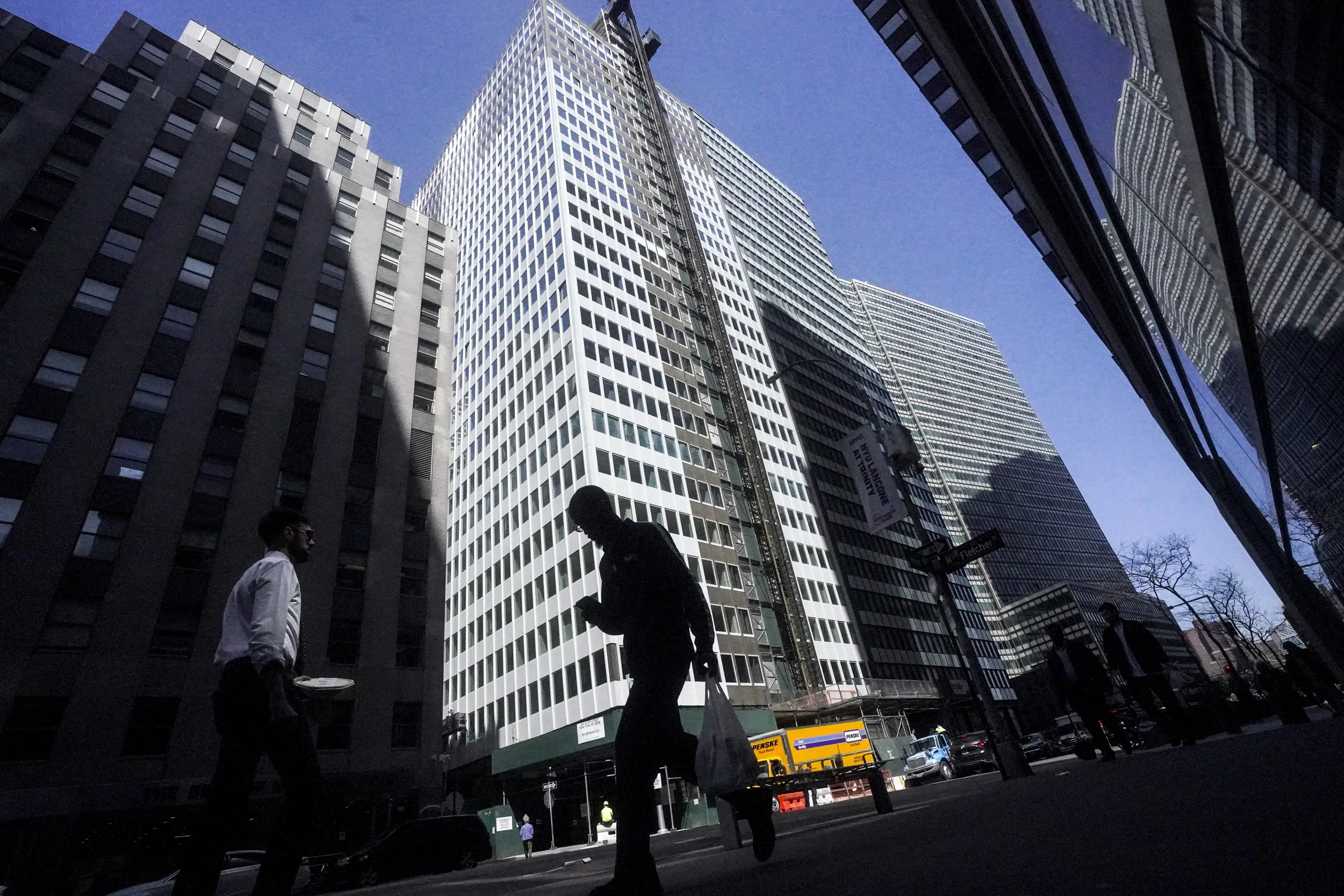
Cities across the US are turning to office-to-housing conversions as a way to revitalize struggling downtown areas emptied by the pandemic. The push is marked by an emphasis on affordability, with cities offering tax breaks to incentivize developers to include affordable below-market apartments. However, housing advocates worry that the affordable housing requirements could get watered down, and even advocates of the conversion model say giving tax breaks to wealthy developers isn’t the best tool to achieve the goal.
Cities across the US are turning to office-to-housing conversions as a way to revitalize struggling downtown areas emptied out during the pandemic. The push is marked by an emphasis on affordability, with multiple cities offering tax breaks for developers who include affordable units in their conversions. However, some housing advocates worry that the affordable housing requirements could get watered down, and even advocates of the conversion model say giving tax breaks to wealthy developers isn’t the best tool to achieve the goal.
A Washington Post-Schar School poll finds that a large majority of people in the Washington D.C. region with remote-capable jobs say they would prefer to mostly work from home if offered the choice. Anxiety related to whether office occupancy rates will return to pre-pandemic levels has been acute in the District, where 58 percent of remote-capable workers say they prefer to work from home most or all of the time. The city’s chief financial officer has revised the city’s projected revenue downward by a total of nearly $500 million between fiscal 2024 and 2026, telling top city leaders that remote work posed a “serious long-term risk to the District’s economy and tax base.”