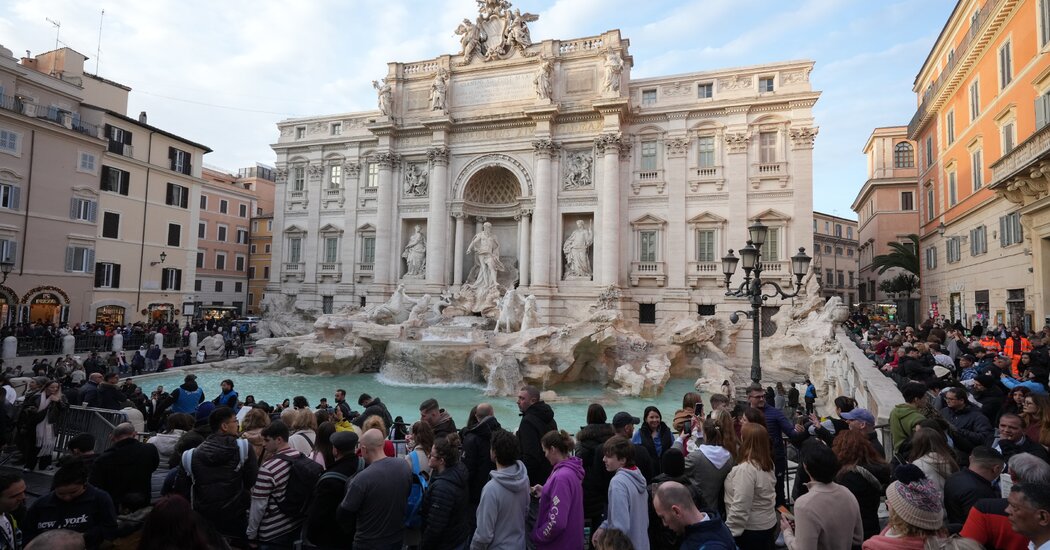
Starting February 1, Rome will charge a 2-euro fee for tourists, including non-residents, to access the basin of the Trevi Fountain, a move aimed at limiting crowding and protecting the historic site.
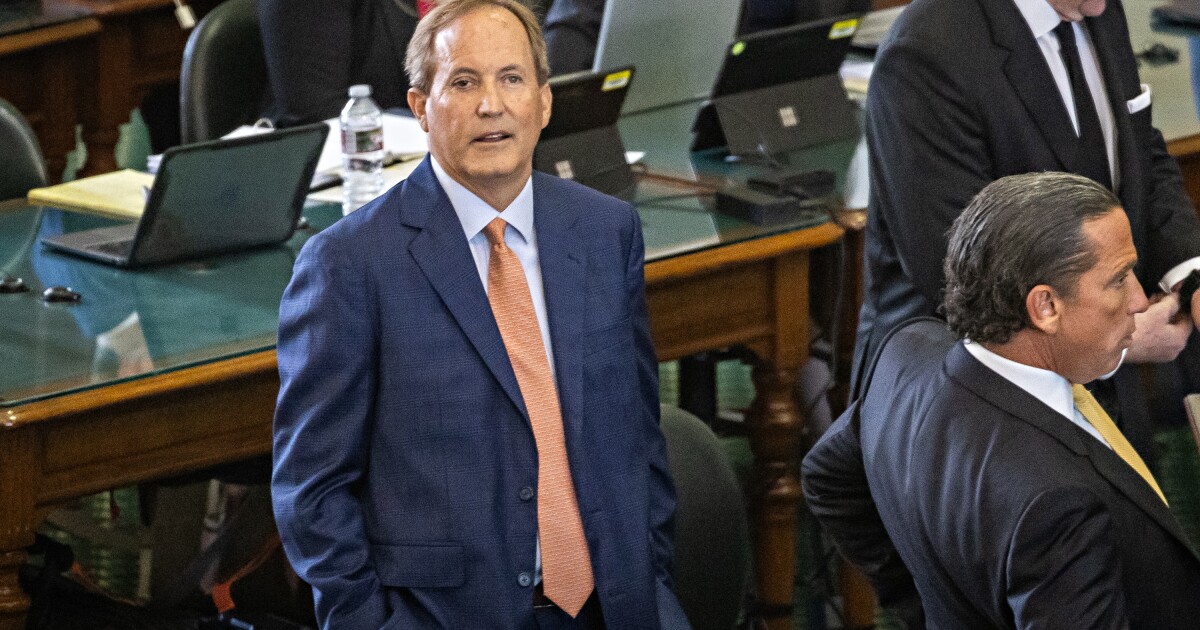
Texas Attorney General Ken Paxton and his wife Angela have agreed to unseal their divorce records following media requests, allowing the case to become publicly accessible, amid ongoing political and legal controversies.
A judge in Indiana has approved cameras in the courtroom for Mark Sanchez's criminal trial, marking a shift from the previous judge's decision and highlighting ongoing debates about media access in court proceedings. Sanchez faces multiple charges related to an incident in Indianapolis, with a trial scheduled for December 11, though delays are possible.
Despite the federal government shutdown, most national parks will remain largely open with minimal staffing, allowing visitors access to roads, trails, and open-air memorials, though many services and facilities will be limited or closed. States like Colorado are willing to use limited funds to keep parks open, while others like Arizona are not. The decision balances public access with safety and resource concerns.
The Pentagon has implemented new restrictions on media and outside engagement, including limiting press access and requiring approvals for interactions with think tanks and other groups, amid concerns over sensitive information leaks and internal criticism of leadership.
Digital Extremes announced that the pre-alpha version of Soulframe, called Preludes, will be open to the public for sign-ups until July 20, allowing players to experience new features like improved combat, social hubs, and customizable gameplay before the full launch.
The FDA has begun publishing over 200 complete response letters (CRLs) issued between 2020 and 2024 to increase transparency and provide the public with insights into its decision-making process regarding drug and biological product approvals, aiming to improve predictability and reduce repeated mistakes in drug development.
Arash Abizadeh advocates for "diamond" open access in academic publishing, where universities and libraries directly fund journals, eliminating commercial pressures and making research freely accessible. This model addresses the high costs and restricted access of current publishing practices, but faces challenges due to the prestige associated with established commercial journals.
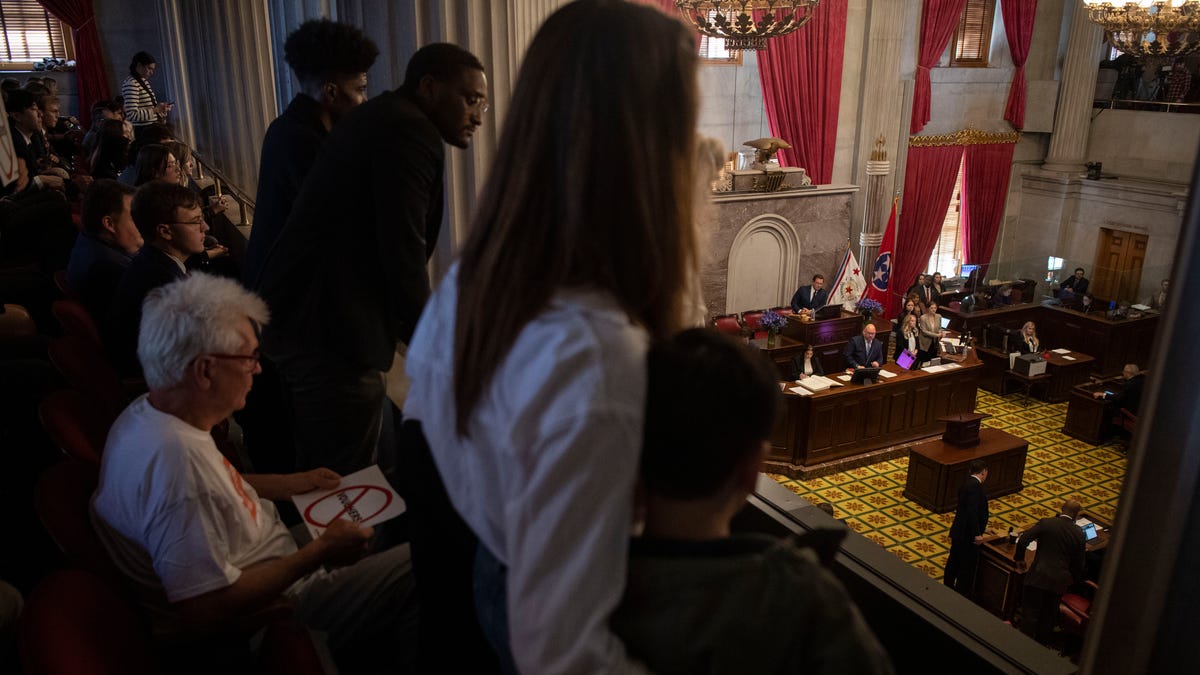
Tennessee House of Representatives implemented a last-minute ticketing requirement for public gallery access, limiting public observation of legislative proceedings. The new policy, established by House Speaker Cameron Sexton, was not publicly announced and caused confusion among lawmakers and the public. The session also saw increased security measures and protests related to gun safety reform. Additionally, the House is set to vote on decorum rules, including limitations on presentations and the allowance of firearms in committee rooms.
The author recounts their experience witnessing the launch of SpaceX's Starship rocket at the company's test facility in Boca Chica, Texas. They highlight the unique accessibility of the launch site, where the public can get up close to the rocket, unlike other launch sites that require security clearances. Despite the rocket exploding during the flight, the author expresses gratitude for Starship's potential to unite people in their enthusiasm for spaceflight and hopes for a future where humanity becomes an interplanetary species.
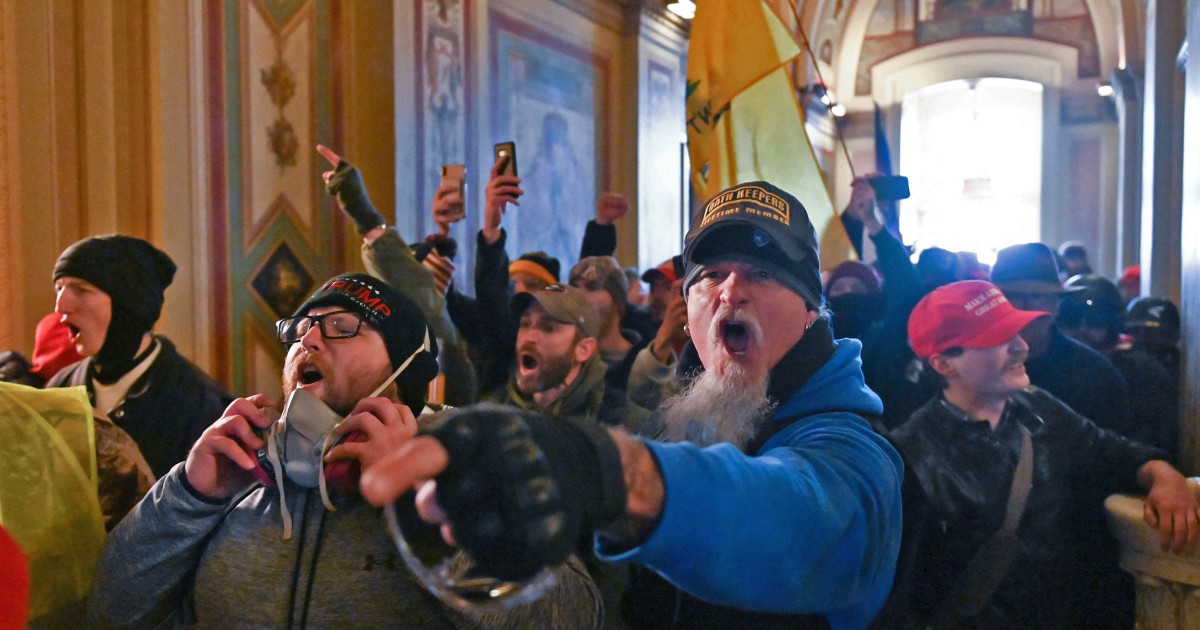
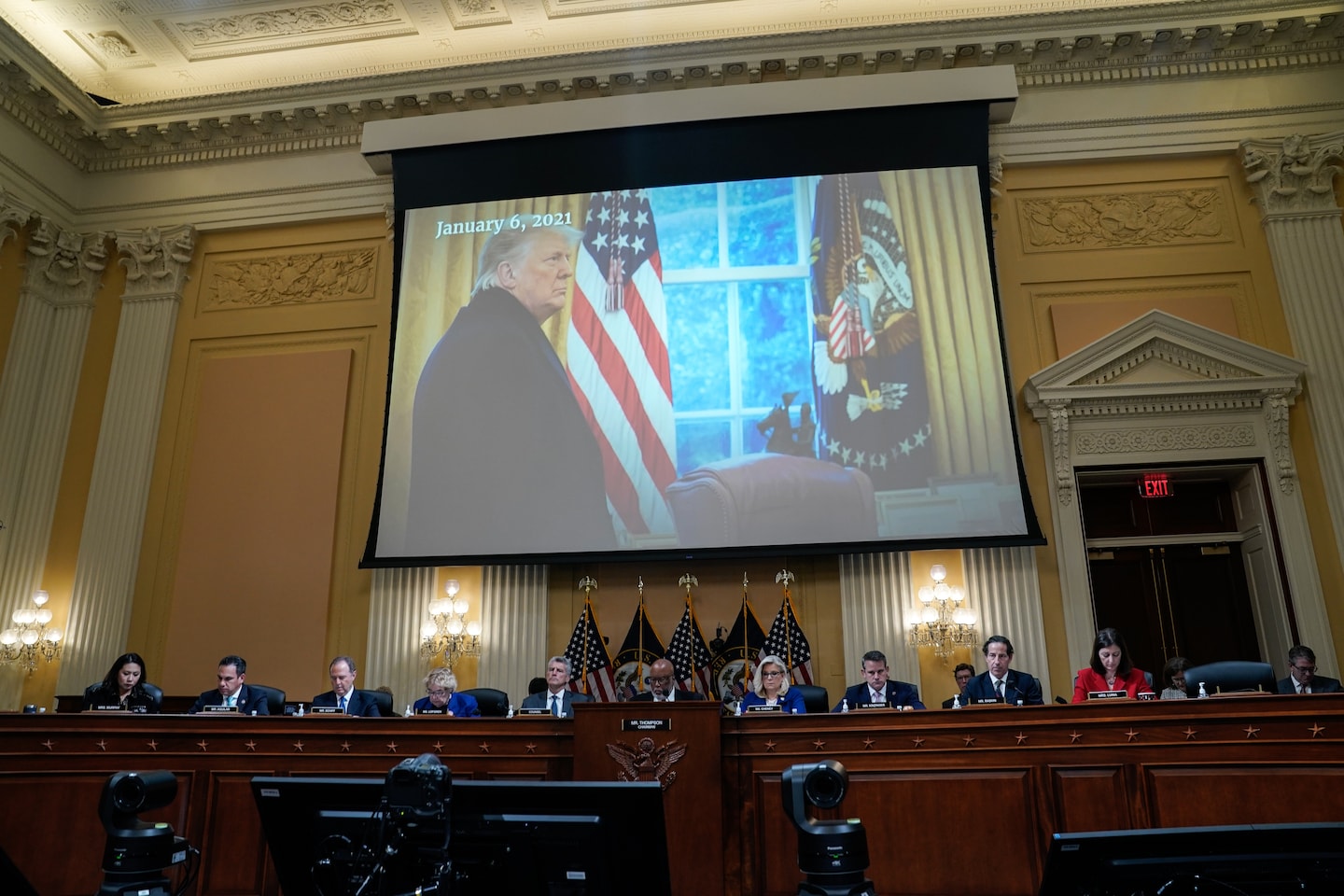
House Speaker Mike Johnson, a Republican, announced that the internal video footage from the Jan. 6 riot at the Capitol will be posted on a public website, making it "available to all Americans." The decision aims to provide transparency and allow individuals to see for themselves what happened that day. However, the move has faced criticism from Democrats, who argue that it endangers security and goes against the objections of Capitol Police. The footage, totaling over 40,000 hours, will be released gradually over the next few months, with measures in place to protect the privacy of individuals.
The Justice Department has urged a federal judge to reject requests from news organizations and former President Donald Trump's defense to allow live television coverage of his federal trial in March on charges of conspiring to subvert the 2020 election results. The media coalition argued that the trial of a former president on such charges warranted continuous public oversight, but prosecutors argued that the long-standing rule barring cameras from federal courtrooms should be upheld. The debate over public access to federal courts and the potential for televised trials has been reignited by Trump's case, with some advocating for incremental changes such as archiving video or releasing audio recordings promptly.
The New York Times has filed a motion to open up the Google antitrust trial, arguing that the public's exclusion from the courtroom undermines faith in the justice system. Judge Amit Mehta has limited access to the trial, citing the sensitivity of Google's search business, but this has made it difficult for the media and public to follow and report on the proceedings. The motion calls for hearings before closing the courtroom, timely access to exhibits and testimony, and unsealing of redacted witness testimony. The Times argues that the trial's significance warrants greater transparency.
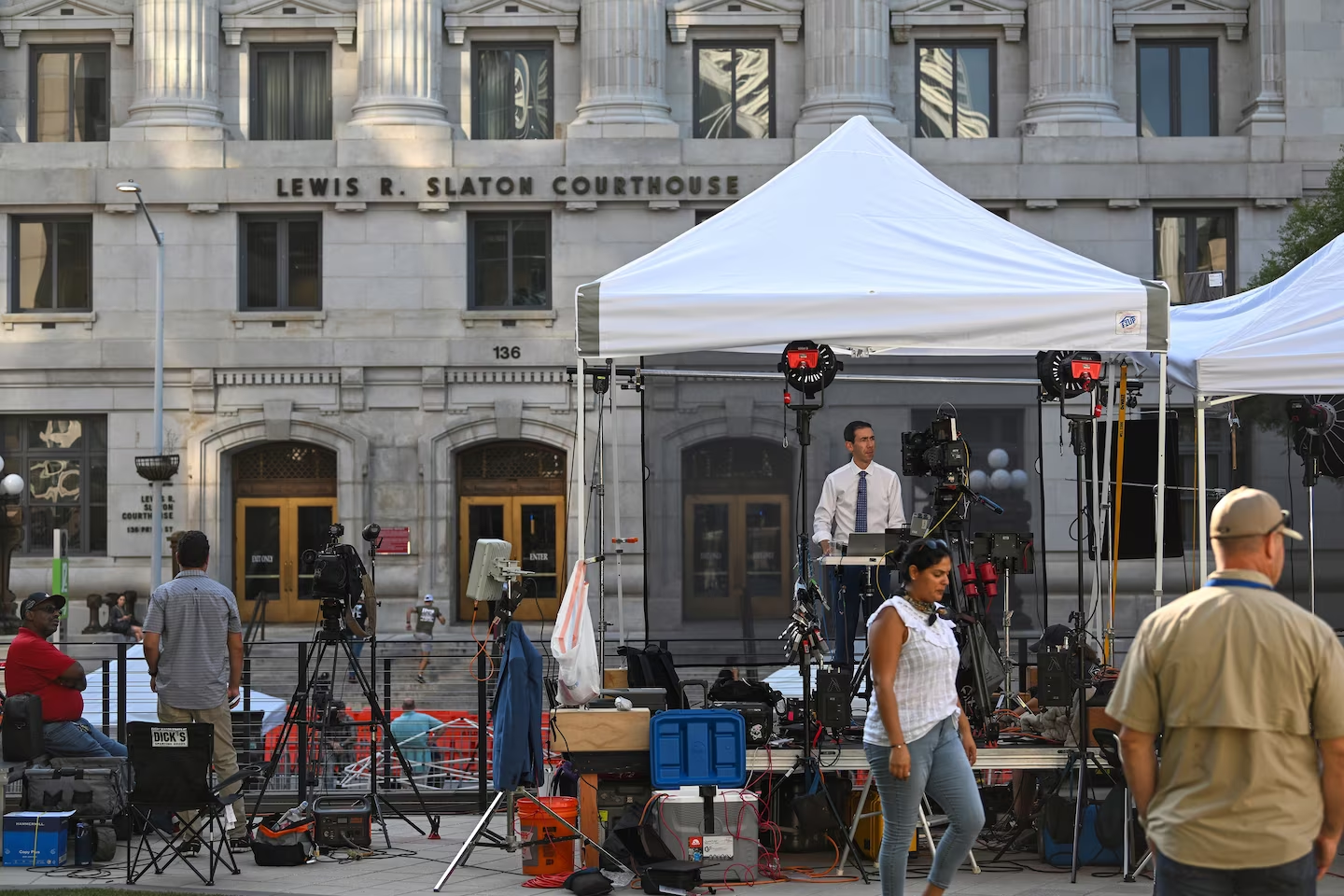
The trial of former President Donald Trump in Georgia, where he faces a racketeering case, will be televised and live-streamed, providing the general public with an opportunity to watch the proceedings. The ruling by the Fulton County Superior Court judge allows for daily video coverage, potentially turning it into a significant media event. However, the trial date has not been set, and Trump's attorneys could still request a change of venue to federal court, which would render the ruling about televising moot. The decision to allow cameras in Georgia courts reflects the state's commitment to public access, while federal courts have generally resisted TV coverage.
The Harvard Art Museums have announced a new free admission policy for all visitors, expanding on the success of their Sunday and Thursday evening initiatives. The museums have seen a significant increase in visitation since the lifting of COVID-related policy restrictions in spring 2022, with a 90% visitation increase in January and the highest-ever monthly visitation in April. The new policy represents a significant investment in opening the museums and collections to residents of Greater Boston and visitors from around the world, and will remain in place permanently.