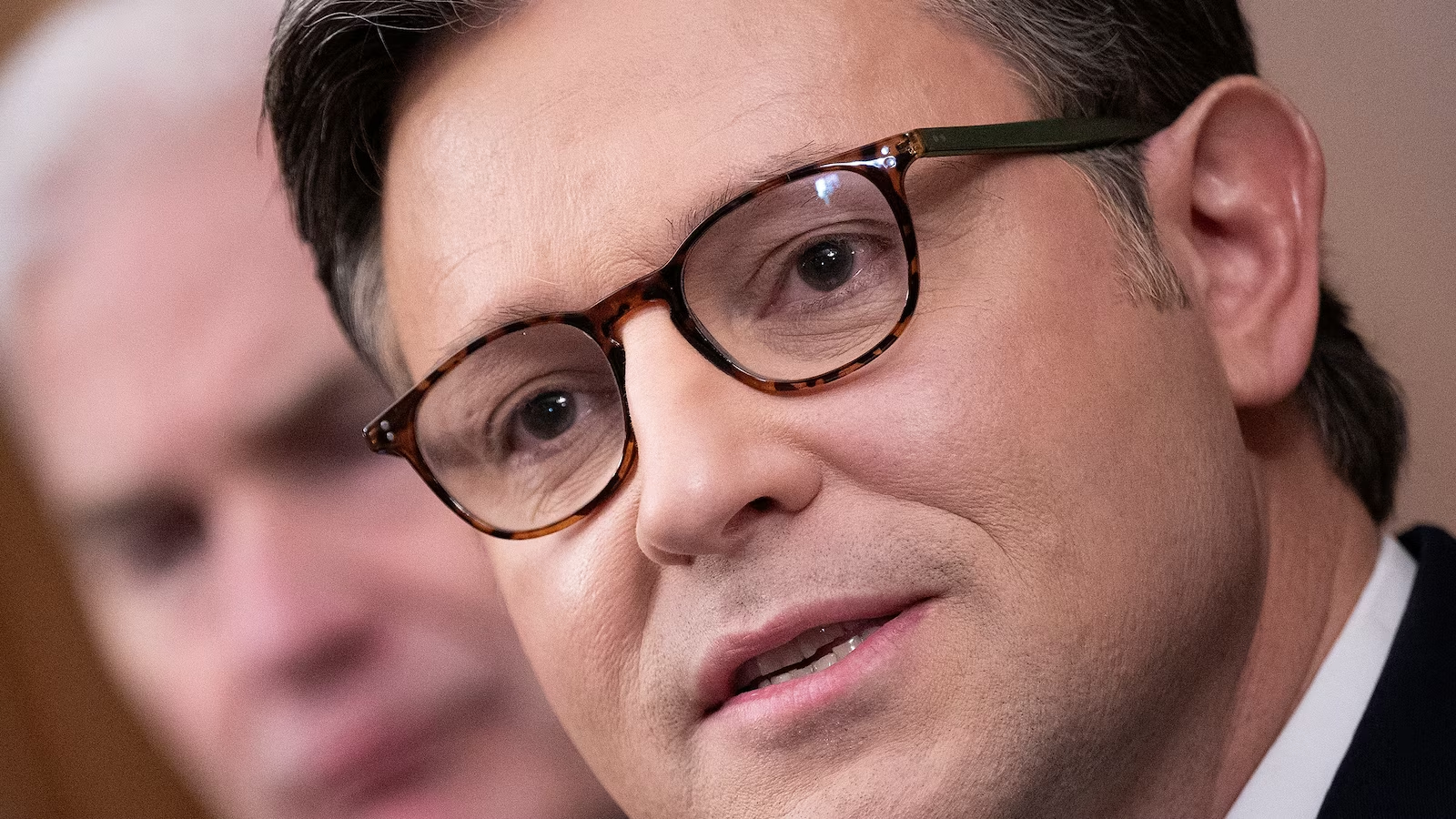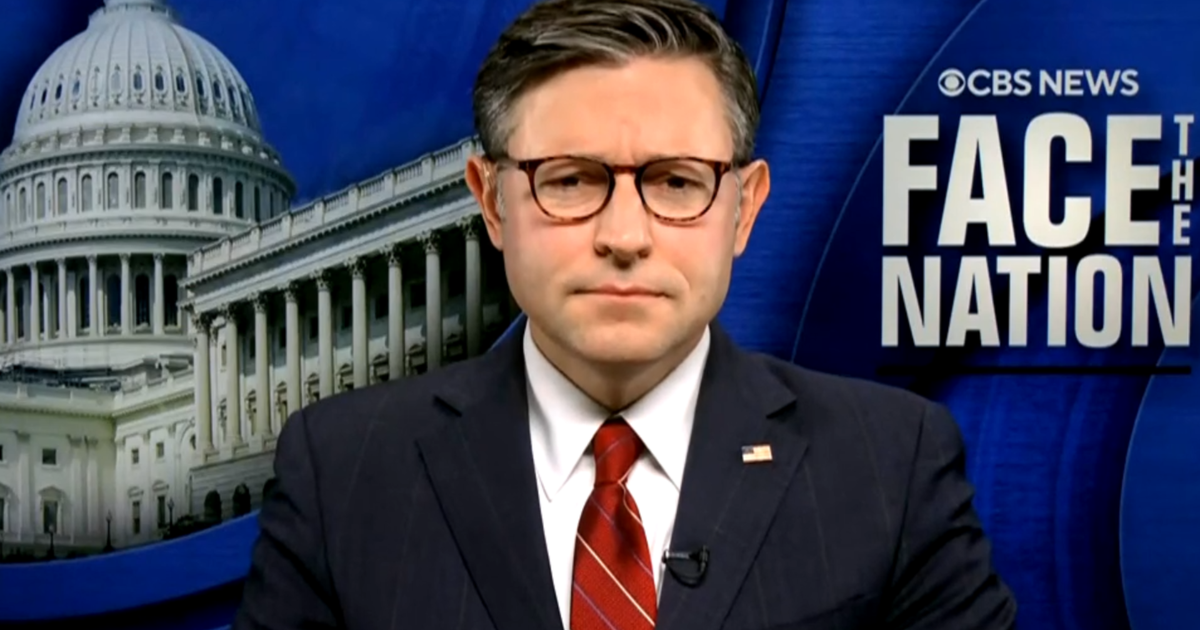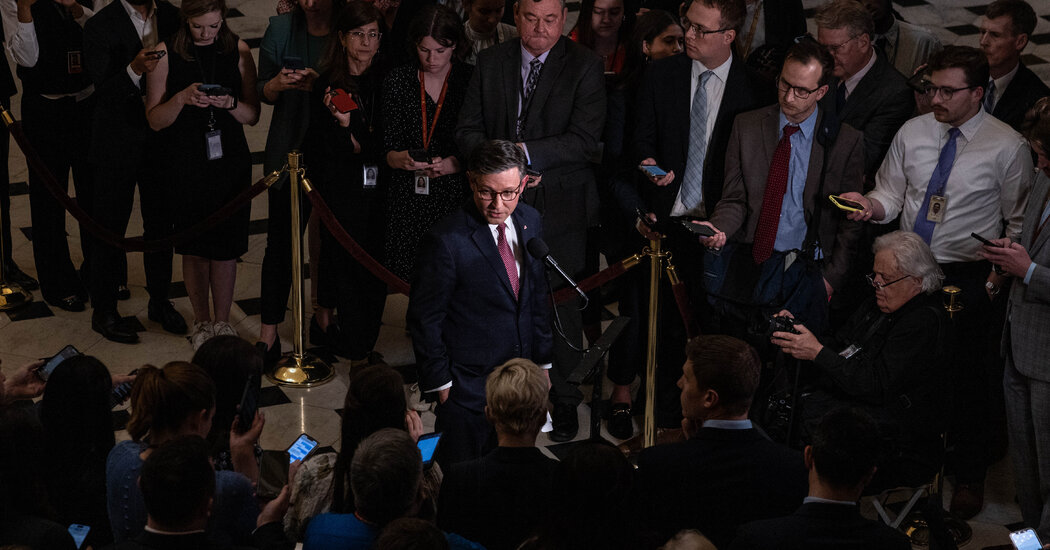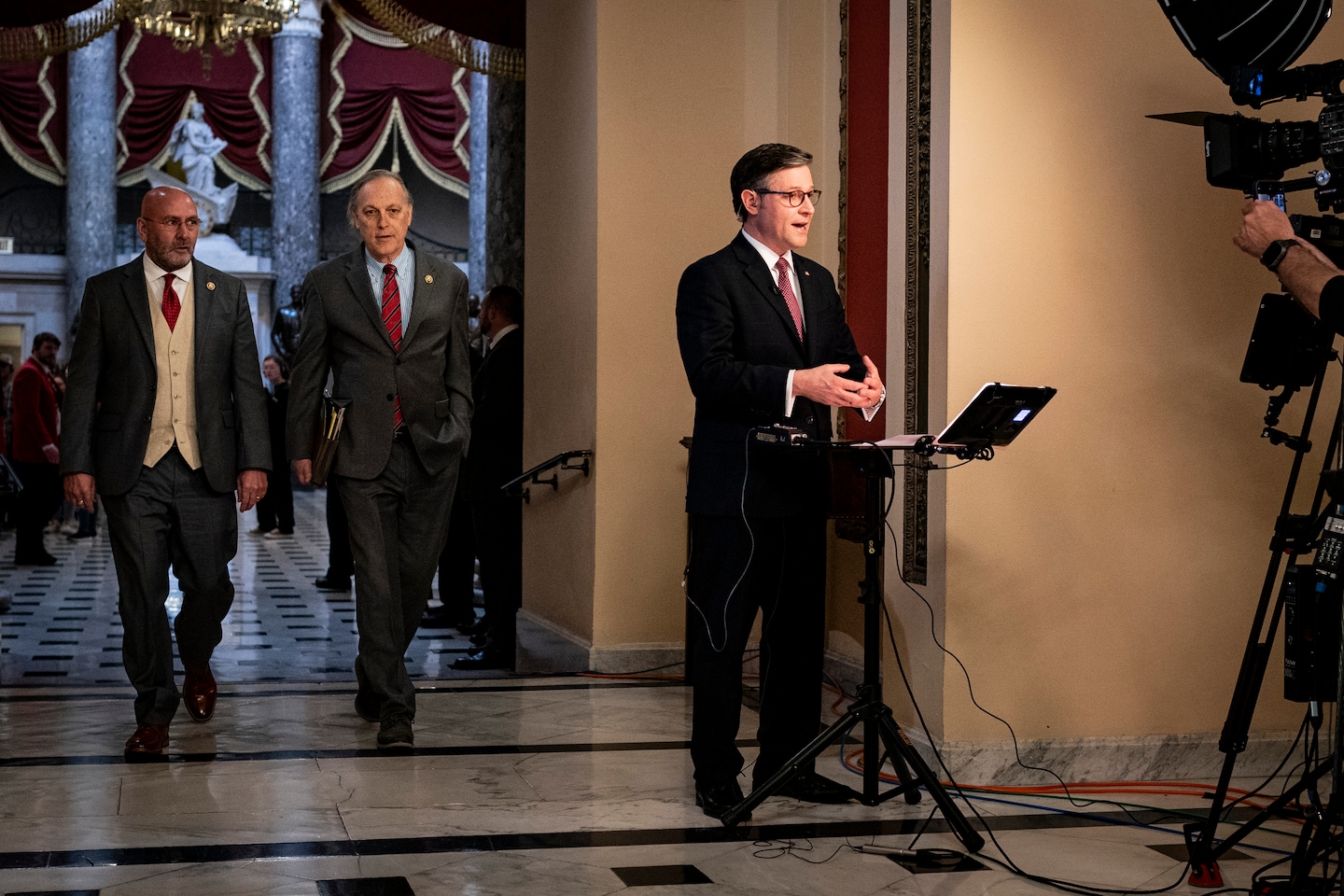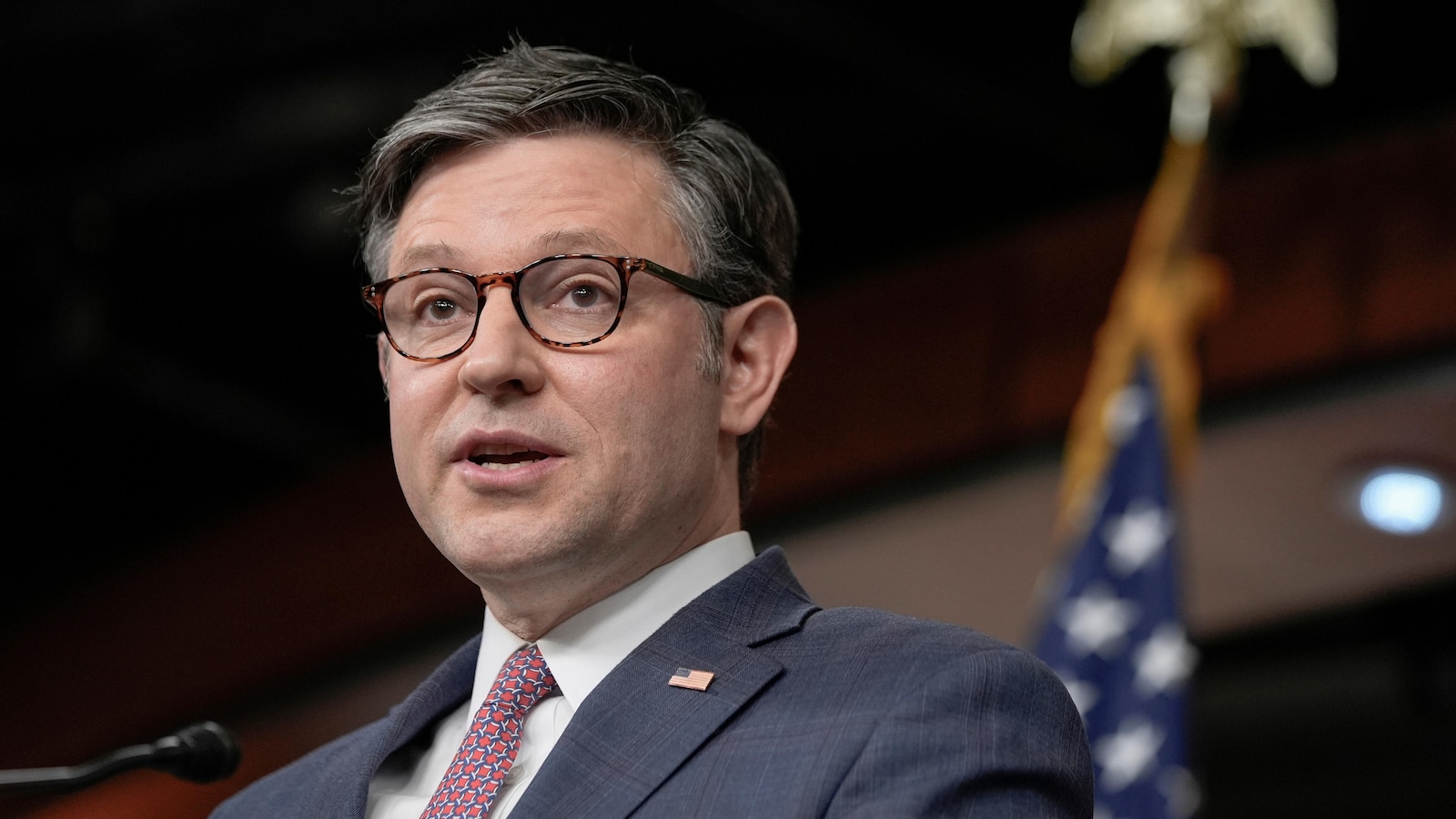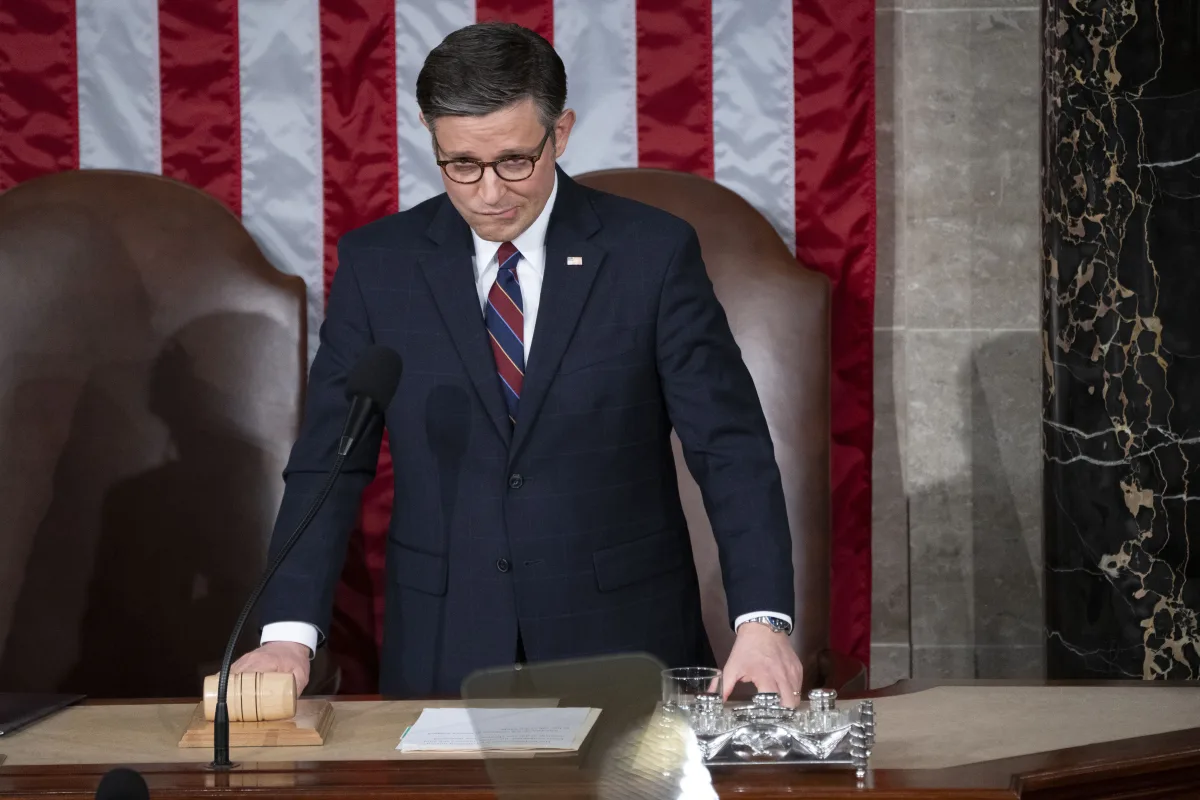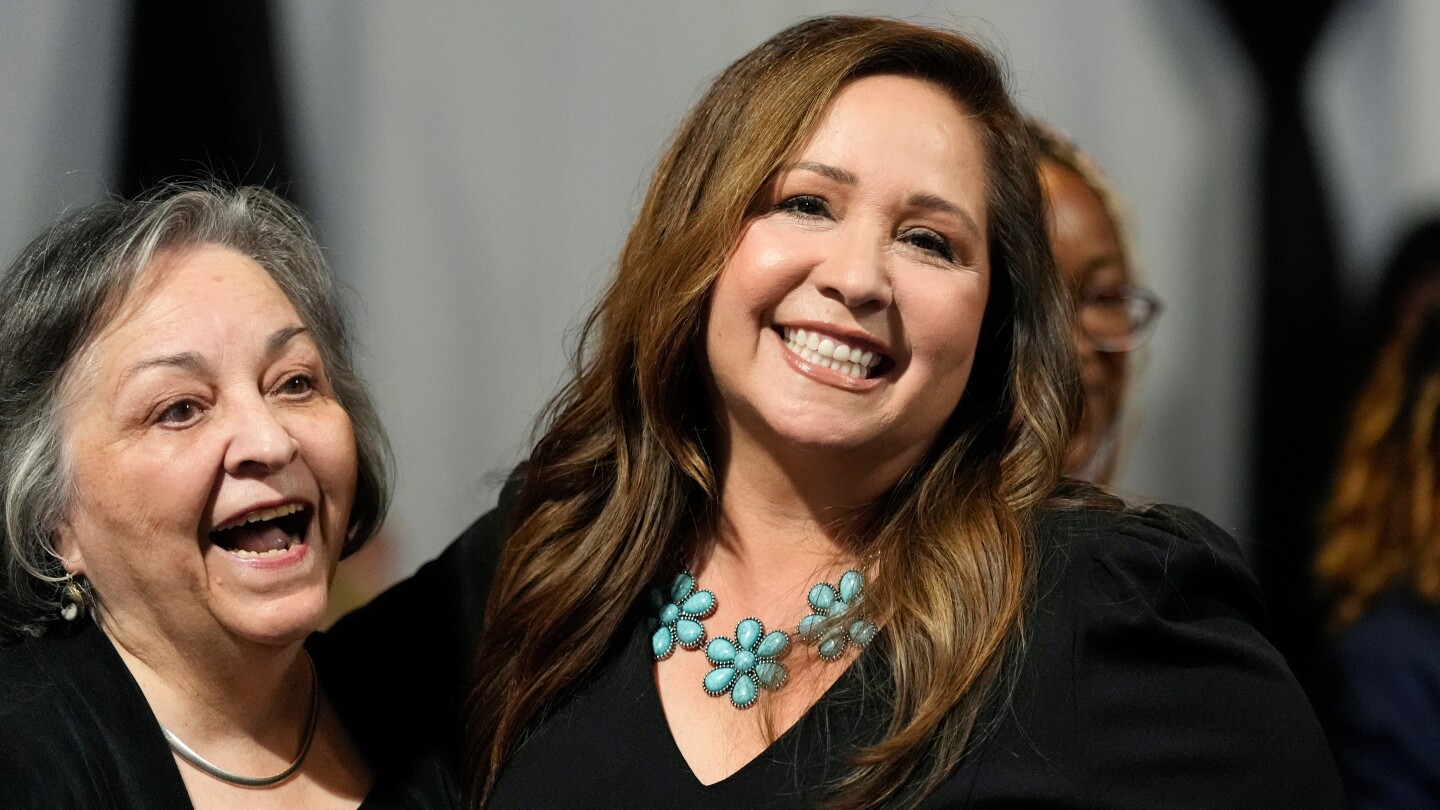
Democrat Adelita Grijalva, who won a special election to succeed her late father in Arizona, has not yet been sworn into Congress due to a delay by House Speaker Mike Johnson, who cites the government shutdown as the reason. Democrats are pressuring for her swearing-in, which has been postponed until the House returns from recess, despite some precedent for swearing in members during pro forma sessions. The delay has also been linked by some to broader political issues, including a petition to release Jeffrey Epstein files.

The hosts of 'The View' surprisingly praised Rep. Marjorie Taylor Greene for calling on House leadership to end the government shutdown, highlighting her as a voice of reason amid political chaos, especially given her focus on her constituents' concerns about healthcare costs.
A military mom, Samantha, urged House Speaker Mike Johnson to pass a bill to pay troops during the government shutdown, highlighting her family's medical and financial struggles, but Johnson indicated that no new vote on military pay would occur as the issue was already addressed by the recent continuing resolution.
Following the assassination of conservative activist Charlie Kirk, House Speaker Mike Johnson called it a potential turning point for the country, urging leaders to reduce divisive rhetoric and promote love and calm, while emphasizing the need for increased security for lawmakers.
House Speaker Mike Johnson's proposed legislation could significantly reduce Medicaid coverage for over 200,000 Louisianans, risking loss of health services and the closure of community health centers, especially impacting rural and low-income populations who rely heavily on Medicaid.
House Republicans relied on Democratic votes to move a plan to consider the long-stalled $95 billion foreign aid bill for Ukraine and Israel out of a key committee and onto the floor, sparking far-right anger over Speaker Mike Johnson's strategy. In an unusual move, Democrats stepped in to save the resolution in the Rules Committee, where all Democrats voted to advance the plan, highlighting the extent of Republican opposition. The convoluted process reflects the speaker's reliance on Democrats to push the aid package across the finish line, as far-right Republicans sought to block the measure due to its lack of severe border security provisions.
House Speaker Mike Johnson's plan to send aid to Ukraine faces challenges as he needs Democratic support to push it through, prompting hard-line Republicans to threaten to oust him. The plan involves passing five bills, including aid to Ukraine, Israel, and Indo-Pacific allies, as well as addressing Republican demands to strengthen the southern U.S. border. Democrats are discussing how they could help Republicans pass the foreign aid bills, which remain a priority for them and President Biden, who supports the plan. The bill closely mirrors a Senate package and, if passed, would be sent to the Senate for a vote. Johnson's plan has caused further turmoil within the already divided Republican conference, with some members threatening to stymie the bills.
House Speaker Mike Johnson faces a Republican revolt over his proposed US aid package for Ukraine and other allies, rejecting calls to step aside and vowing to press forward with the aid package despite objections from his majority. Johnson plans to move the aid package in separate votes for each section and is preparing a fourth measure that includes various Republican-preferred national security priorities. He faces a threat of ouster from Rep. Marjorie Taylor Greene, who has filed a motion to vacate the speaker from office, but Johnson remains determined to move forward with the aid package.
House Speaker Mike Johnson plans to introduce four separate bills to address foreign aid funding, including aid to Israel and Ukraine, following months of delay due to GOP divisions. The move comes after Iran's attack on Israel over the weekend increased pressure on Congress to act. The proposal drew early signs of support from some members, but Johnson faces the threat of a move to oust him as speaker from Rep. Marjorie Taylor Greene if he brings up a vote on aid to Ukraine alone, which she vehemently opposes.
House Speaker Mike Johnson plans to bring a spending package to the House floor this week, including aid for Israel, Ukraine, and Taiwan. The package, facing political pressure, aims to provide support for U.S. allies and humanitarian aid for civilians in Ukraine and Gaza, as well as funding to replenish U.S. weapons provided to Taiwan. Johnson is urged to put a bill approved by the Senate onto the House floor and is considering structuring some of the funding for Kyiv as loans. Pressure from the White House and Senate, as well as a recent attack on Israel by Iran, has increased the urgency to pass the aid package.
The House passed a modified surveillance bill, reauthorizing the Foreign Intelligence Surveillance Act, after an earlier version failed. The bill now goes to the Senate, with a two-year reauthorization instead of five years. House Speaker Mike Johnson, facing challenges to his leadership, organized a classified reading room for members to view information ahead of the vote. The final vote was 273-147, with bipartisan support. The White House reiterated its support for the reauthorization, emphasizing its importance for national security.
House Speaker Mike Johnson is negotiating with the White House to advance Ukraine and Israel aid through the House, facing challenges from a divided Republican conference and pressure from Democrats. Johnson is seeking to deviate from the Senate's foreign security package and include Republican demands, while also consulting with former President Trump for support. The situation is complicated by divisions within the Republican party and Democratic concerns about providing offensive weaponry to Israel amid its campaign in Gaza.
House Speaker Mike Johnson is negotiating with the White House to advance a foreign aid package for Ukraine and Israel, deviating from the Senate's proposal to include Republican demands. Johnson faces challenges from a divided Republican conference, pressure from Democrats, and potential opposition from former President Trump. The aid package aims to provide ammunition and weaponry for Ukraine and includes discussions on structuring some funding as loans, tapping frozen Russian assets, and policy changes at the U.S. border with Mexico.
House Speaker Mike Johnson is negotiating with the White House to advance a foreign security package for Ukraine and Israel through the House, facing challenges from a divided Republican conference and pressure from Democrats. The package may deviate from the Senate's $95 billion proposal and include Republican demands, with Johnson seeking support from both the White House and former President Trump. Democrats are urging Johnson to hold a vote on the Senate package, while also expressing concerns about providing offensive weaponry to Israel amid its campaign in Gaza.
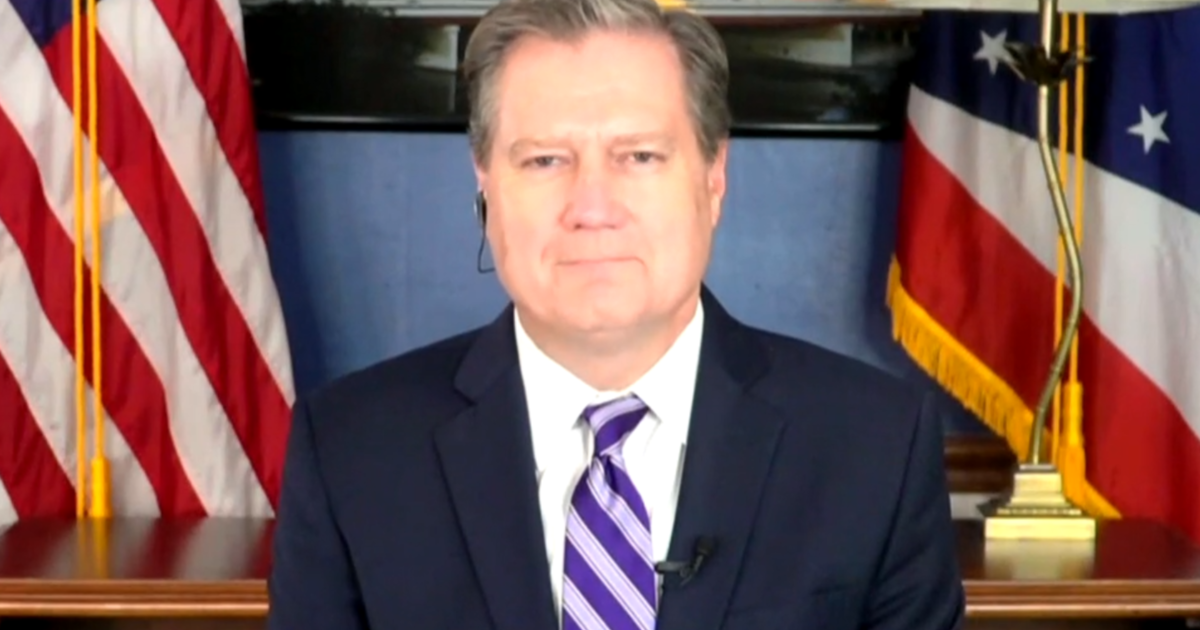
Rep. Mike Turner criticized a group of lawmakers as the "chaos caucus" for obstructing Congressional action, particularly regarding additional aid to Ukraine and a potential effort to remove House Speaker Mike Johnson. Turner emphasized the necessity of the aid package for Ukraine's national security and expressed confidence in its passage. He also noted that House Democratic leadership is unlikely to support the effort to oust Johnson, despite a motion filed by Rep. Marjorie Taylor Greene. Turner highlighted the challenges posed by recent departures in the House Republican conference and emphasized the importance of getting national security agenda items done.