During Day 2 of NASCAR's antitrust trial, internal emails and texts revealed leadership disagreements over the sport's revenue sharing, charter terms, and strategies to fend off potential breakaway series, with key executives expressing frustration and discussing exclusivity agreements and contingency plans. The trial also highlighted internal conflicts and plans for future legal and strategic actions, including potential witness testimonies from prominent team owners.
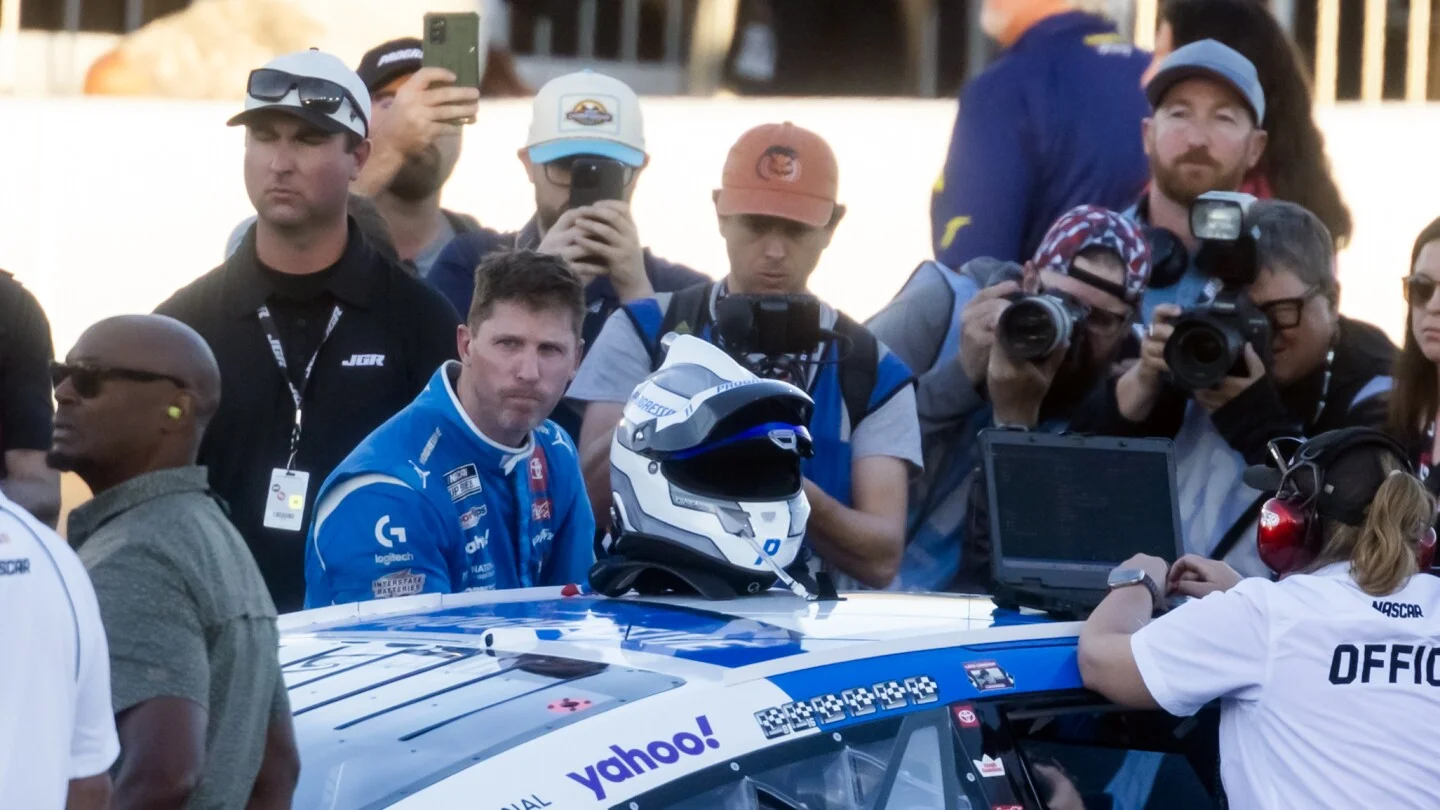
Denny Hamlin, testifying at a landmark NASCAR antitrust trial, became emotional as he described the financial struggles of racing teams and accused NASCAR of monopolistic practices that favor the France family, potentially threatening the future of teams like 23XI Racing and Front Row Motorsports.
Google has begun removing California news websites from some users' search results as a test in response to a bill that could require tech giants to pay media companies for linking to their content. The bill aims to address the decline of journalism jobs and has faced opposition from big tech companies. Google's decision to temporarily remove links to news websites is a tactic used to push back on unwanted legislation, similar to actions taken in Canada and Australia. The political wrangling over Google's dominant search engine comes amid legal trouble, including antitrust trials and allegations of abusing power to stifle competition.
The US Federal Trade Commission (FTC) has criticized Microsoft's recent layoffs, stating that they contradict the company's representations in the antitrust trial over its acquisition of Activision Blizzard. The FTC argues that the layoffs are inconsistent with Microsoft's claims that the two companies would operate independently post-merger, potentially impacting the agency's ability to obtain effective relief. Microsoft's gaming head Phil Spencer described the layoffs, affecting 1900 employees, as a "painful decision" following the company's acquisitions of Activision Blizzard and Zenimax.
The FTC has accused Microsoft of breaking promises made during its antitrust trial by laying off 1,900 employees, particularly at the newly acquired Activision Blizzard, contradicting previous statements about maintaining independence. The FTC is seeking to undo the $68.7 billion merger and has filed a letter with the U.S. Court of Appeals for the Ninth Circuit, arguing that the layoffs make "effective relief" more challenging. While the likelihood of undoing the merger is slim, the FTC is determined to pursue its appeal.
The Federal Trade Commission (FTC) has filed a letter complaining that Microsoft's recent 1,900 layoffs in its gaming workforce contradict its representations in the antitrust trial over the acquisition of Activision Blizzard. The FTC argues that the layoffs contradict Microsoft's assertion that the two companies would operate independently post-merger and could hinder the agency's ability to obtain effective relief. The layoffs have been ongoing since January and have raised concerns about the impact on the gaming industry following Microsoft's $69 billion acquisition of Activision Blizzard.
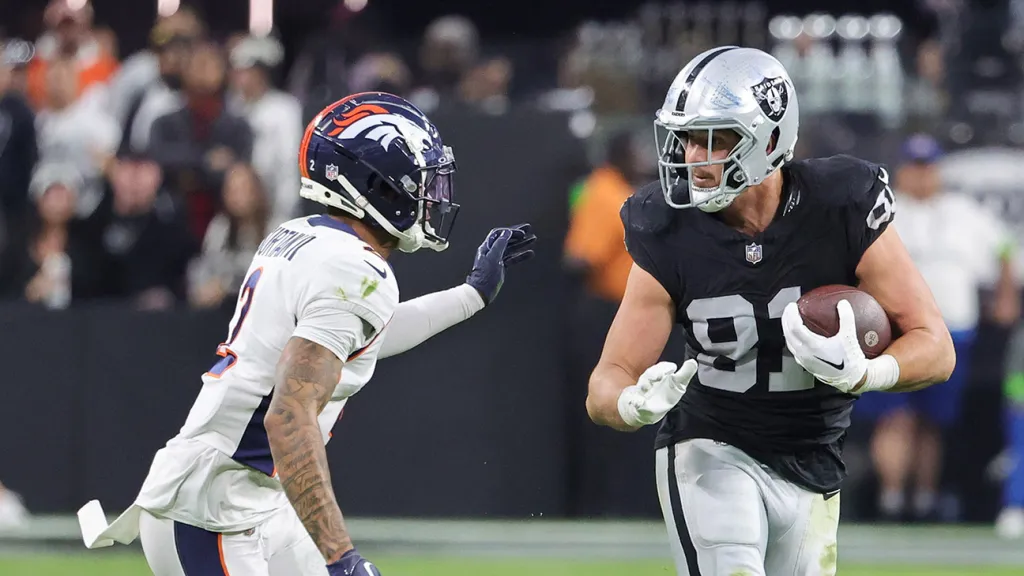
A federal judge has cleared the way for a multibillion dollar antitrust trial against the NFL, challenging the bundling of out-of-market football game rights by its 32 teams and the league's exclusive licensing of those telecasts. The trial, scheduled for February, alleges that the NFL and its clubs conspired to allow exclusive deals with broadcast partners, resulting in inflated prices for Sunday Ticket buyers. The court found evidence of a multilevel conspiracy that may have led to DirecTV's monopoly ownership of out-of-market telecasts, potentially violating antitrust laws. The NFL's antitrust exemption through the Sports Broadcasting Act does not immunize contracts that restrict competition for paid telecasts, according to the court.
Epic Games has emerged victorious in its antitrust trial against Google, with the jury ruling that Google had engaged in anticompetitive conduct and unlawfully maintained a monopoly with its Google Play Store on Android devices. The lawsuit centered around Google's 30% revenue share and requirement for apps to use its billing system, limiting developers' ability to make money independently. Epic hailed the decision as a win for app developers and consumers worldwide, while the implications for future app store practices remain uncertain. Google plans to appeal the verdict, and discussions on possible remedies are scheduled for January.
Google has lost an antitrust trial against Epic Games, as the court ruled that Google's anti-competitive practices violated the law. The trial highlighted the issue of Google's dominance in the app distribution market and its restrictions on alternative app stores, ultimately leading to a loss for the tech giant.
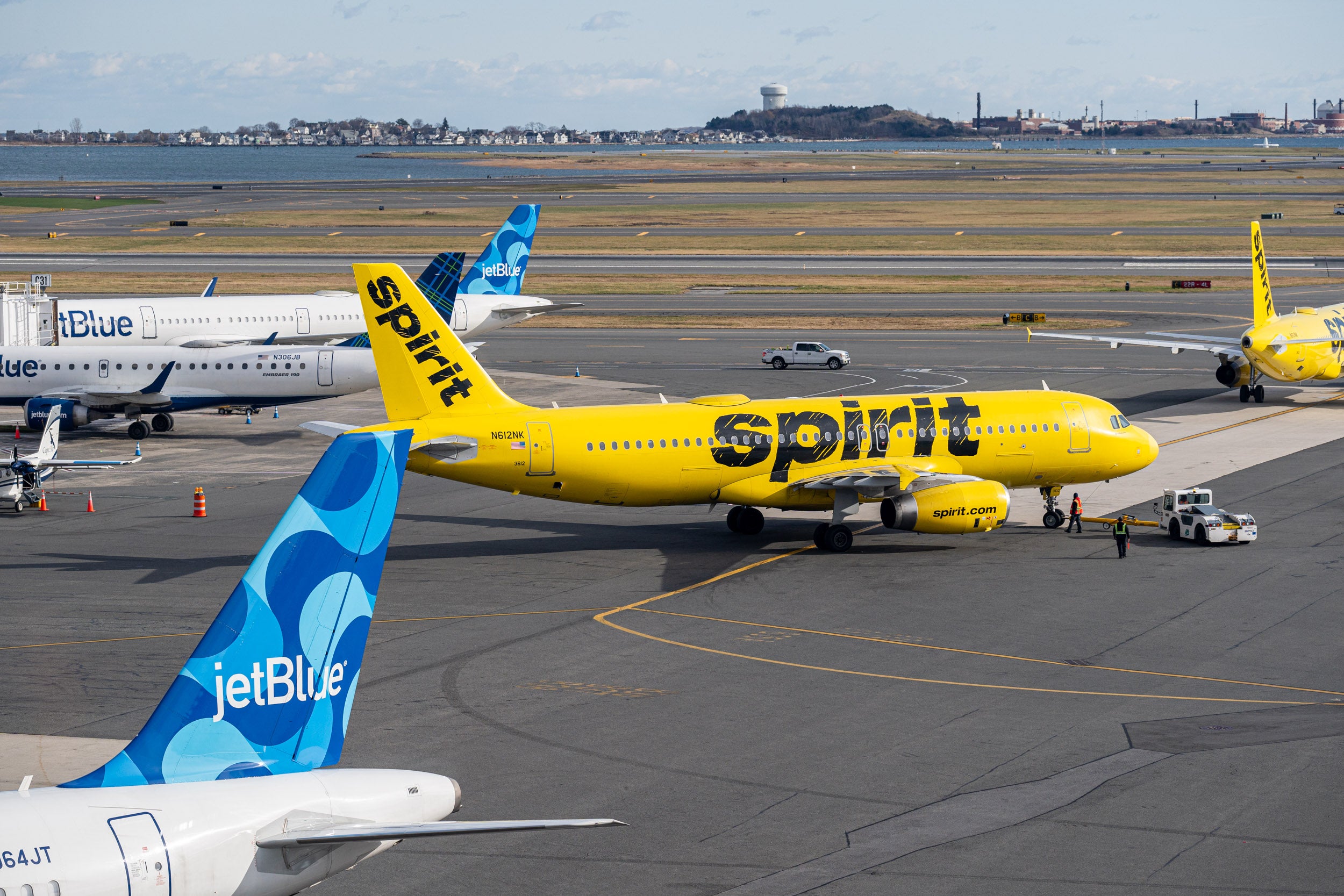
The antitrust trial between JetBlue and Spirit has concluded, with closing arguments from the Department of Justice and lawyers for the airlines. The trial will determine the fate of the two airlines and potentially impact the broader U.S. airline market. The DOJ argues that the merger will harm price-sensitive consumers, while JetBlue claims that absorbing Spirit will allow it to compete more effectively with the major U.S. airlines. The trial's central question is whether the risk of raising fares on some routes through Spirit's exit is worth the potential to lower average airfares by putting more pressure on the major carriers. The judge has asked both sides about the possibility of a conditional ruling that would allow the merger with certain requirements. A decision is expected soon.
Kraft, General Mills, and other major food companies have won a verdict in a federal jury trial in Chicago, holding top U.S. egg producers liable for unlawfully inflating prices. The jury found that the egg producers, including Cal-Maine Foods and Rose Acre, had conspired to charge artificially high prices, leading to a second trial to determine damages. Trade associations United Egg Producers and United States Egg Marketers were also found liable. Kraft and the other plaintiffs will argue for damages next week, with the plaintiffs not proposing a specific amount. The defendants deny any wrongdoing.
Epic Games rejected a $147 million deal proposed by Google to put Fortnite on Google Play in 2018, citing the high cost of the 30% store tax. Epic argued in court that the process of sideloading apps onto Android devices deters users, making them more likely to rely on the Google Play store. Internal Google documents revealed that the company was aware of the install friction and potential revenue loss caused by Fortnite's absence from the Play store. Google's offer would have seen them invest $147 million into Epic over three years. Epic eventually brought Fortnite to Google Play 18 months later but was later removed for enabling direct payments, leading to the current antitrust lawsuit against Google.
In the Epic vs Google trial, Google defended its 30% cut of all transactions on its Play store, describing it as a "market fee" rather than a monopoly fee. Google argued that other stores, such as Nintendo, Xbox, and Steam, charge the same fee to mega developers like Epic. However, Epic Games Store head Steve Allison testified that the 30% fee is not the standard, citing examples of different revenue shares in the industry. The impact of the fee was also discussed, with a witness stating that Google's policies resulted in fewer users paying for an app. Additionally, Allison revealed that the Epic Games Store is still not profitable. The trial centers around Epic's claims of anti-competitive practices by Google, including the 30% fee and anti-steering policies.
Epic Games, the maker of "Fortnite," is taking Google to court over allegations that the company's digital payment processing system in the Play Store has been driving up prices for consumers and developers. The trial, which follows a similar case against Apple, will determine if Google's commission system is anti-competitive. Epic Games argues that Google maintains a stranglehold on the Android app ecosystem and payment system, while Google defends its commissions as necessary for the investment in the Play Store and to protect user security. The trial is expected to last until just before Christmas and will include testimony from Google CEO Sundar Pichai.