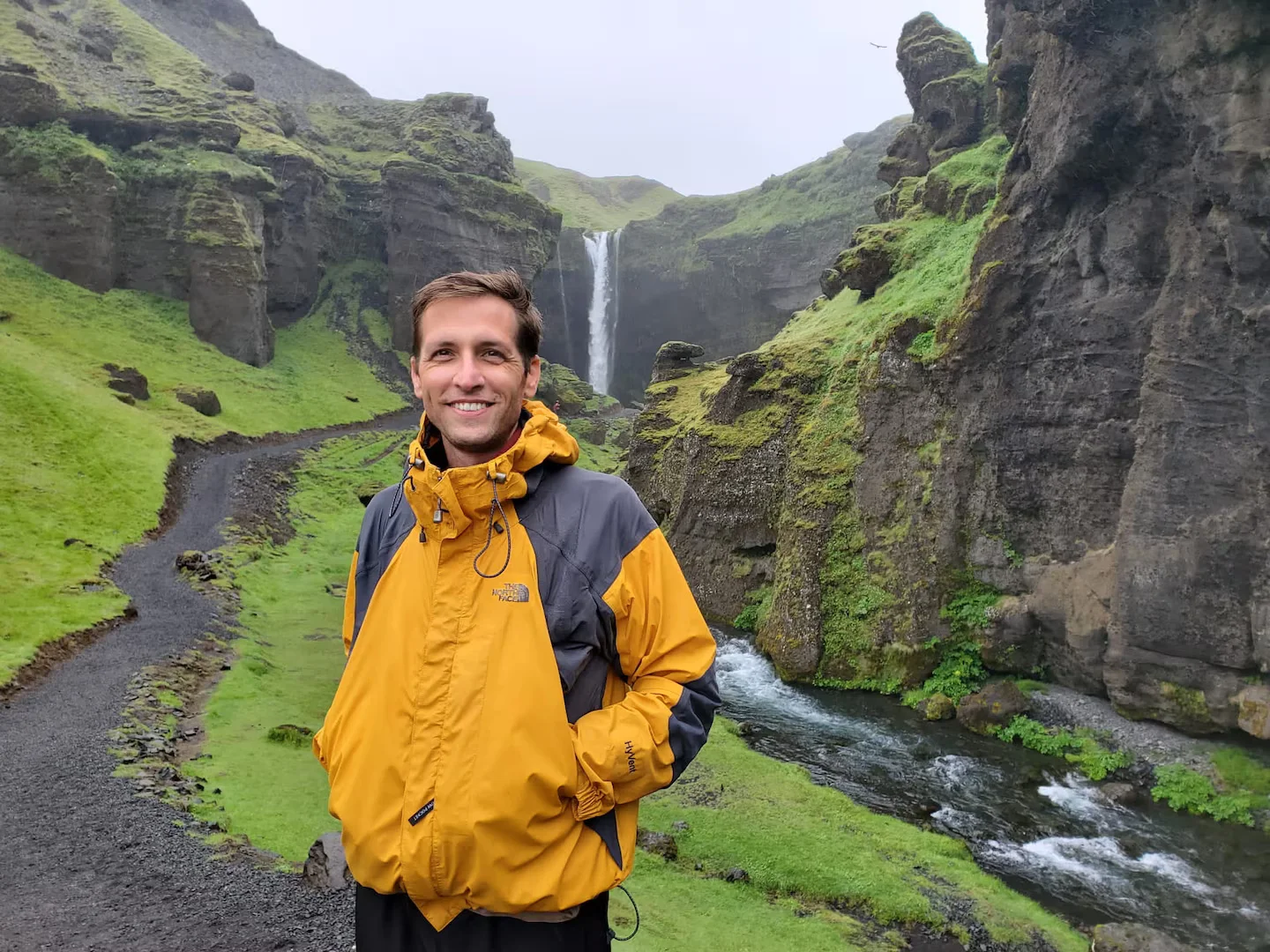
Cancer Inspires New Purpose in His Work
Jordie Poncy, a clinical psychologist and cancer patient, found that his illness transformed his work into a new purpose, deepening his understanding and commitment to helping others facing similar struggles.

All articles tagged with #psychologist
Jordie Poncy, a clinical psychologist and cancer patient, found that his illness transformed his work into a new purpose, deepening his understanding and commitment to helping others facing similar struggles.

A psychologist claims that President Donald Trump shows signs of dementia, citing deterioration in language, motor skills, impulse control, and other health issues, suggesting a possible diagnosis of frontotemporal dementia and highlighting concerns about his mental and physical decline.

Australia has proposed a law to ban social media access for children under 16, prompting discussions on its practicality and effectiveness. Psychologist Jordan Horan from Kalamazoo highlights the negative impacts of social media on teens, such as anxiety and poor impulse control, and suggests 'social media hygiene' education as a solution. While the legislation aims to protect children, critics argue it is too blunt and requires refinement. The debate continues on balancing children's freedom with necessary oversight in the digital age.
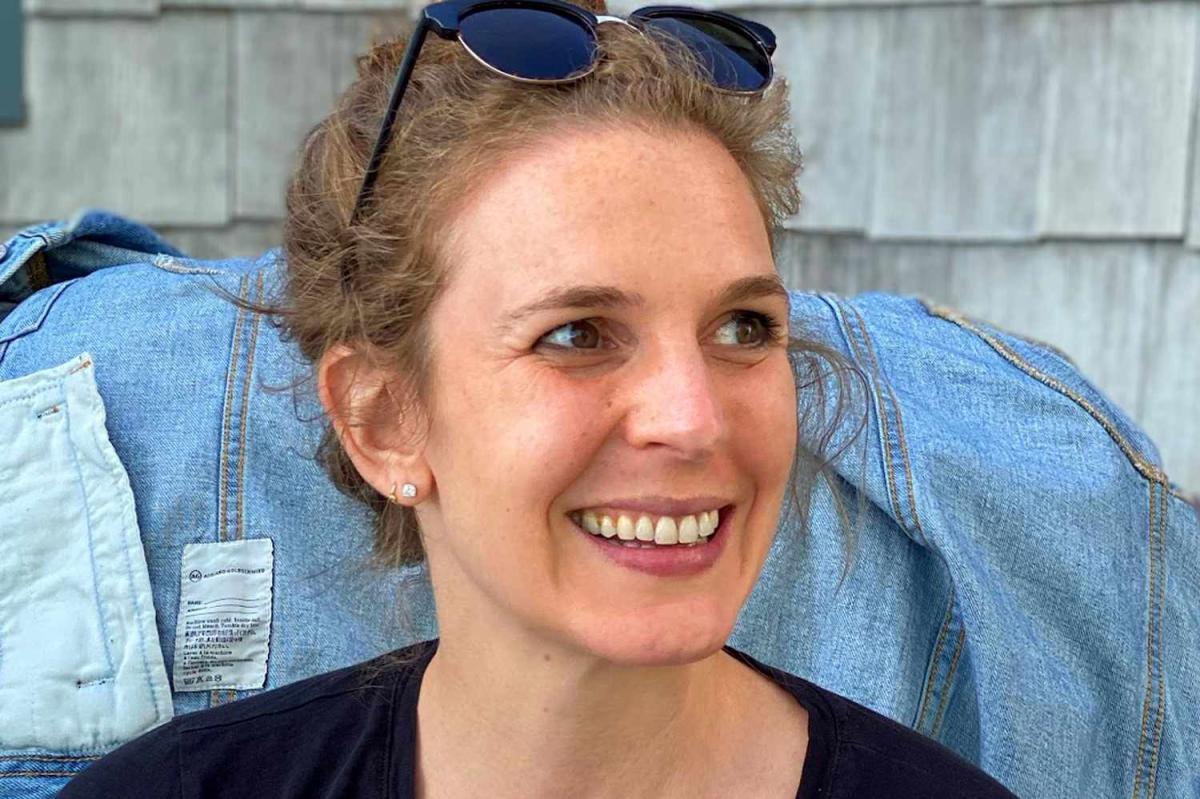
New York City psychologist Sarah Mandel, diagnosed with stage 4 breast cancer in 2017, posted a viral goodbye message on social media before her death, expressing love for her family and gratitude for the support she received. Her husband and brother were shocked by the video, which has garnered over 1 million views and thousands of condolences. Mandel's life and career, including her memoir "Little Earthquakes," reflect her transparent approach to both good and bad experiences.
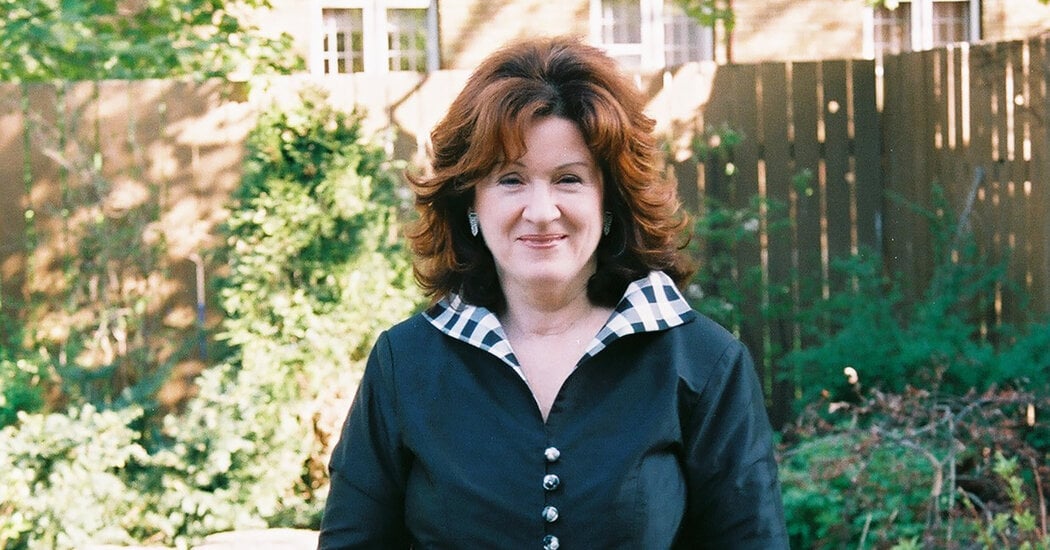
Sue Johnson, a British-born Canadian psychologist and founder of Emotionally Focused Therapy, passed away at 76 due to a rare form of melanoma. She revolutionized couples therapy by emphasizing emotional attachment over behavioral modification, challenging traditional methods and advocating for the importance of emotional bonds in relationships.
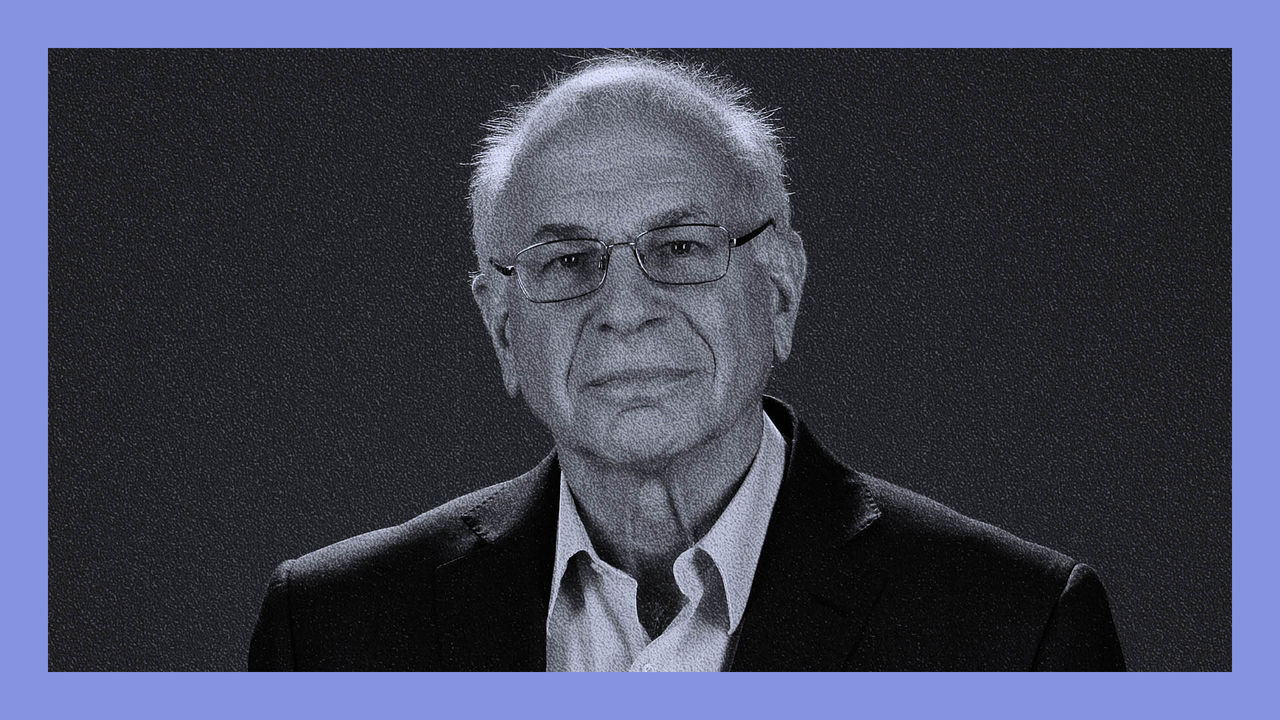
Daniel Kahneman, the renowned behavioral scientist and Nobel Prize-winning psychologist, has passed away at the age of 90. In a podcast interview with Andrew Palmer last year, Kahneman discussed his lifelong research on decision making and strategies for its improvement.
Daniel Kahneman, a Nobel Prize-winning psychologist known for his work in behavioral economics, has passed away at the age of 90. Kahneman's research on the psychology of judgment and decision-making has had a profound impact on various fields, including economics, public policy, and finance. His contributions to understanding human behavior and decision-making processes have left a lasting legacy in the field of psychology.
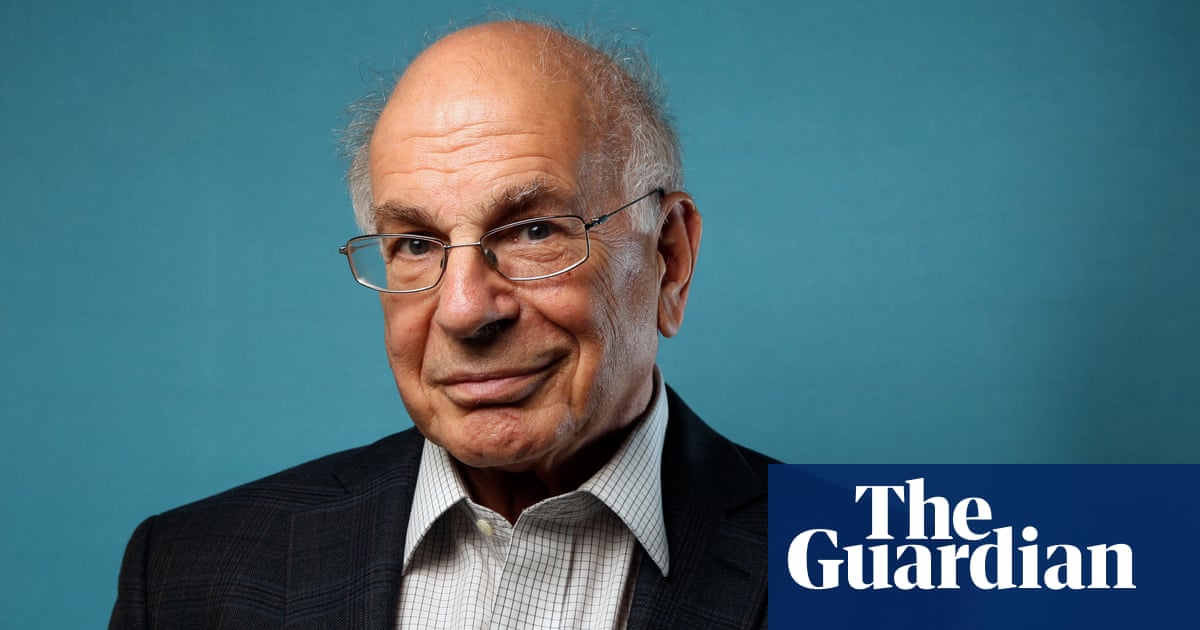
Renowned psychologist and Nobel prize winner Daniel Kahneman has passed away at the age of 90. His groundbreaking work in behavioural economics, particularly the theory that people's behavior is often based on instinct rather than rational decision-making, has had a profound impact on the social sciences. Kahneman's influential research earned him the Nobel memorial prize in economic sciences in 2002, and his bestselling book "Thinking, Fast and Slow" further solidified his legacy. Kahneman's contributions have left an indelible mark on the field of psychology and economics, and he will be greatly missed.
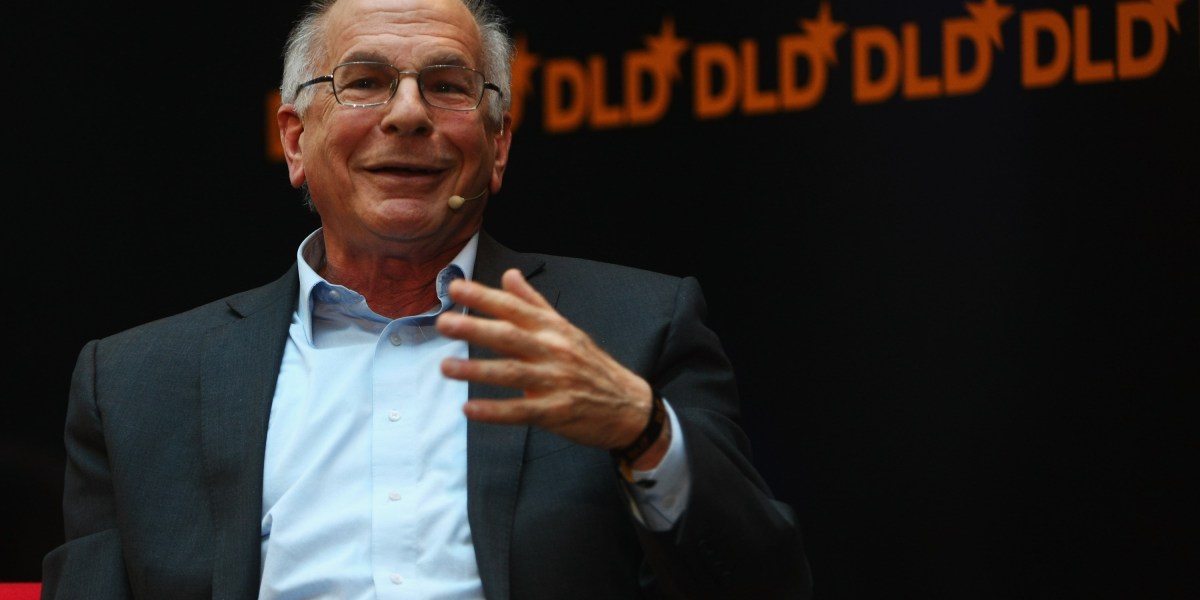
Daniel Kahneman, a psychologist known for his work in behavioral economics and winner of the Nobel Prize, has passed away at the age of 90. His research challenged traditional economic assumptions about rational decision-making and highlighted biases that affect choices. Kahneman's influential work with Amos Tversky led to the development of behavioral economics and the publication of the bestselling book "Thinking, Fast and Slow." His legacy includes groundbreaking insights into human decision-making processes and the impact of framing on choices.
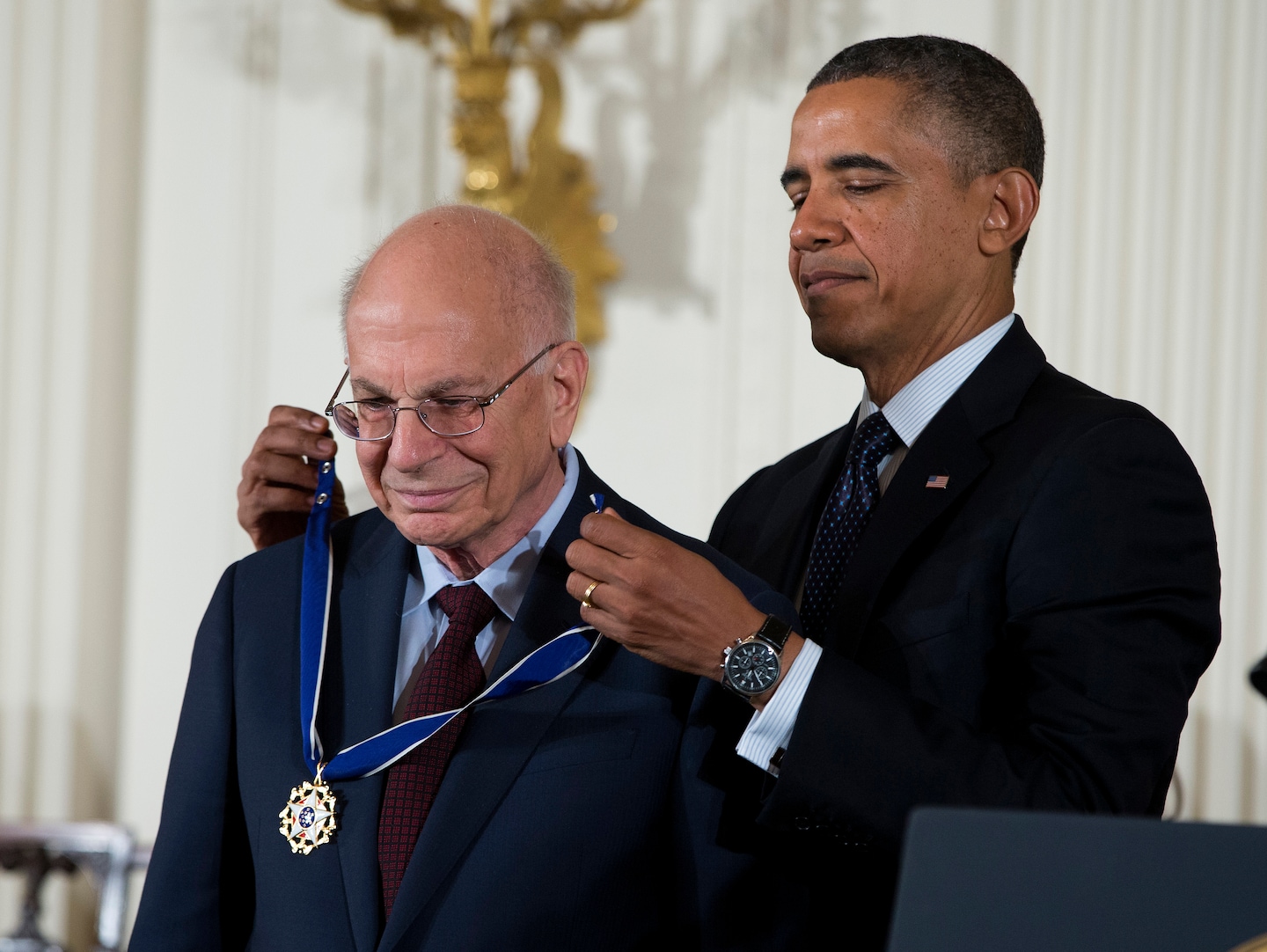
Daniel Kahneman, the Nobel Prize-winning psychologist and economist known for his groundbreaking research on human decision-making and behavioral economics, has died at the age of 90. His work debunked the notion of "homo economicus" and demonstrated how people rely on intellectual shortcuts that often lead to wrongheaded decisions. Kahneman's research had a far-reaching impact on fields such as sports, public health, and public policy, and he was awarded the Nobel Prize in Economic Sciences in 2002 for integrating insights from psychological research into economic science.
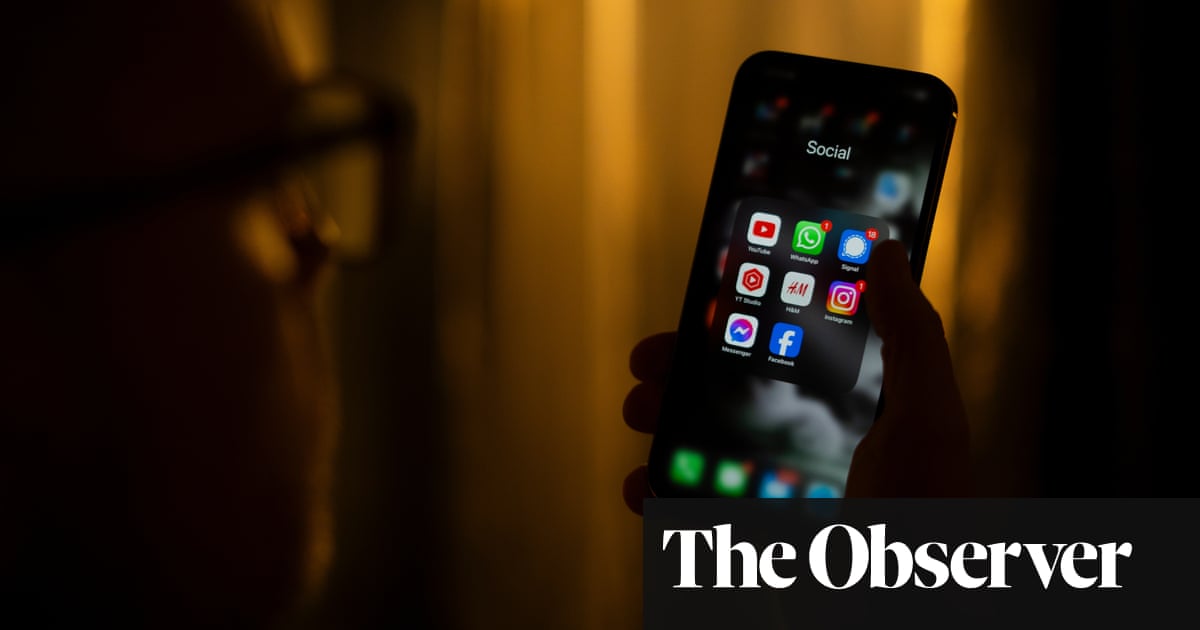
A leading psychologist advising Meta on suicide prevention and self-harm has resigned, accusing the tech giant of prioritizing profit over user safety by ignoring expert advice and failing to remove harmful content from Instagram, which she says triggers vulnerable individuals. Despite her efforts and consultations, she believes the company's expert groups are for show, and that Meta uses tactics to avoid removing content. The psychologist's resignation comes amid concerns about the exposure of children to violent online content, with Instagram being a main app mentioned.

Psychologist Dr. Blair Steel has identified six common habits that can increase the risk of dementia, including lack of exercise, insufficient sleep, social isolation, excessive alcohol consumption, poor diet, and high stress levels. She emphasizes the importance of regular exercise, adequate sleep, socializing, stress management, moderate alcohol intake, and a healthy diet to maintain brain health and reduce the risk of developing dementia.

Psychologist Rachel Goldman advises against waiting for perfect conditions to be happy and successful, urging people to find joy in the process and make small tweaks now to feel better. She emphasizes focusing on what can be controlled in the present, rather than dwelling on uncontrollable factors, echoing billionaire Mark Cuban's belief in the power of effort and mindset.

Psychologist Dr. Claire Christensen argues that the blanket rule of limiting screen time for kids is more harmful than helpful, emphasizing the importance of distinguishing between "good" and "bad" screen time. She suggests that educational content and shows that encourage social interaction and creative play can be beneficial for children's development. Christensen advises parents to release guilt, be proactive in planning screen time, ask open-ended questions, and encourage kids' connections to specific characters to make the most of screen time.