Tag

Behavioral Economics

All articles tagged with #behavioral economics

economics2 months ago

Rethinking Human Behavior in Economics: Insights from Thaler and Imas

The Winner's Curse occurs when the winners of auctions or bidding wars tend to overpay and end up paying more than the item's worth, a phenomenon observed across various markets and domains. Richard Thaler, a pioneer in behavioral economics, highlights how irrational bidding behavior leads to this curse and offers advice to avoid it, emphasizing cautious bidding especially in competitive environments with many bidders.


health-and-wellness1 year ago

"Incentivizing Daily Exercise for Long-Term Activity Boost"

A study supported by the National Institutes of Health found that providing incentives and daily reminders led to a significant increase in physical activity among adults at risk for heart disease, resulting in an additional 40 minutes of moderate exercise weekly and sustained health benefits six months post-trial. The combination of financial rewards and game-like points was the most effective method in promoting physical activity, leading to a notable decrease in the risk of premature and cardiovascular-related deaths. The findings emphasize the importance of immediate rewards in promoting long-term health behaviors and highlight the potential for low-cost ways to encourage people to stay active for long-term heart health.

personal-finance1 year ago

"Daniel Kahneman: Revolutionizing Money Decisions and Economics"

Nobel laureate Daniel Kahneman, known for his work in behavioral economics, emphasized that money decisions are not solely about math. He challenged the notion that economic decisions are governed by logic and highlighted the impact of human biases on financial choices. To make better financial decisions, it's important to define the decision, understand the underlying need or want, identify non-negotiables, assess alternatives, consider costs and affordability, and act with confidence after careful consideration.

obituary1 year ago

"Remembering Nobel Economist Daniel Kahneman: A Pioneer of Behavioral Economics"

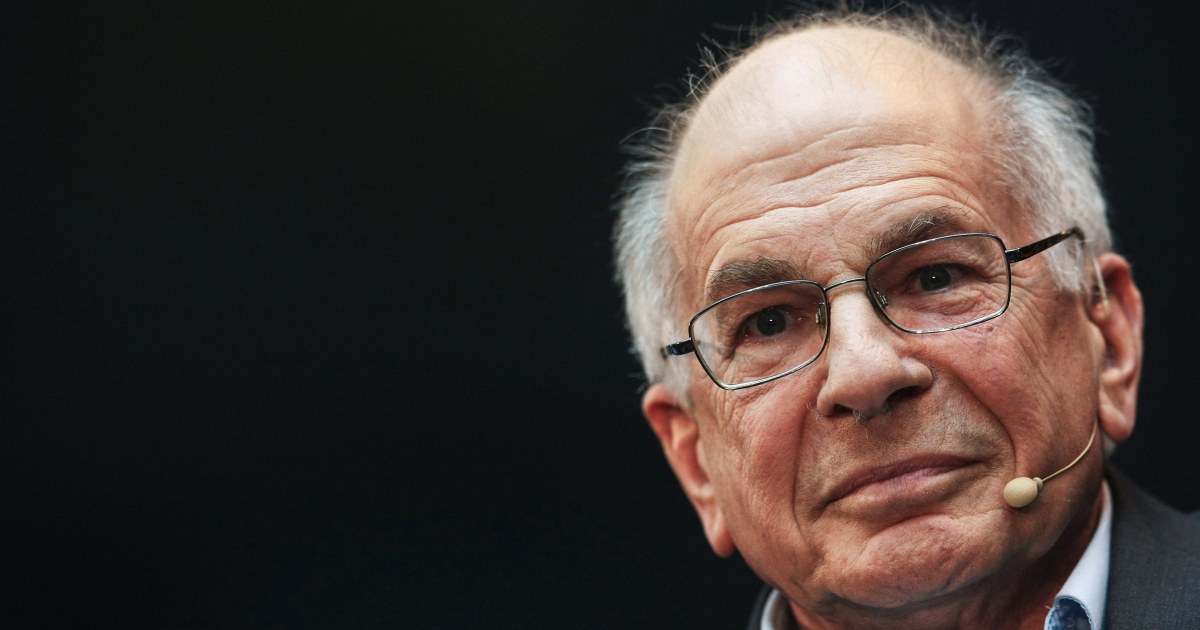
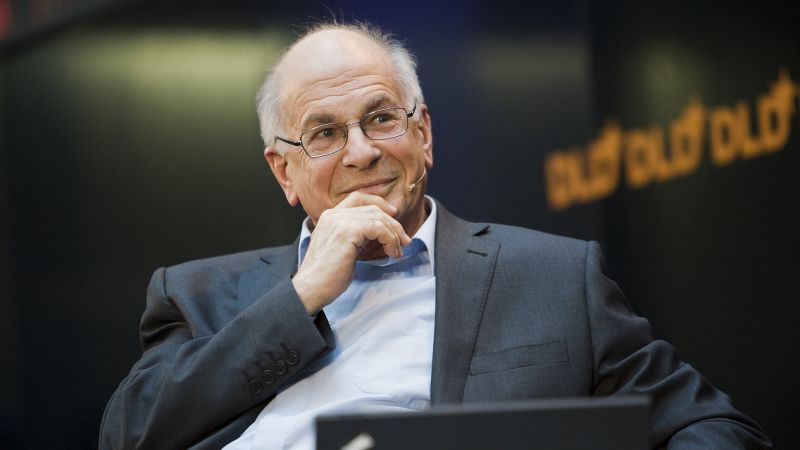
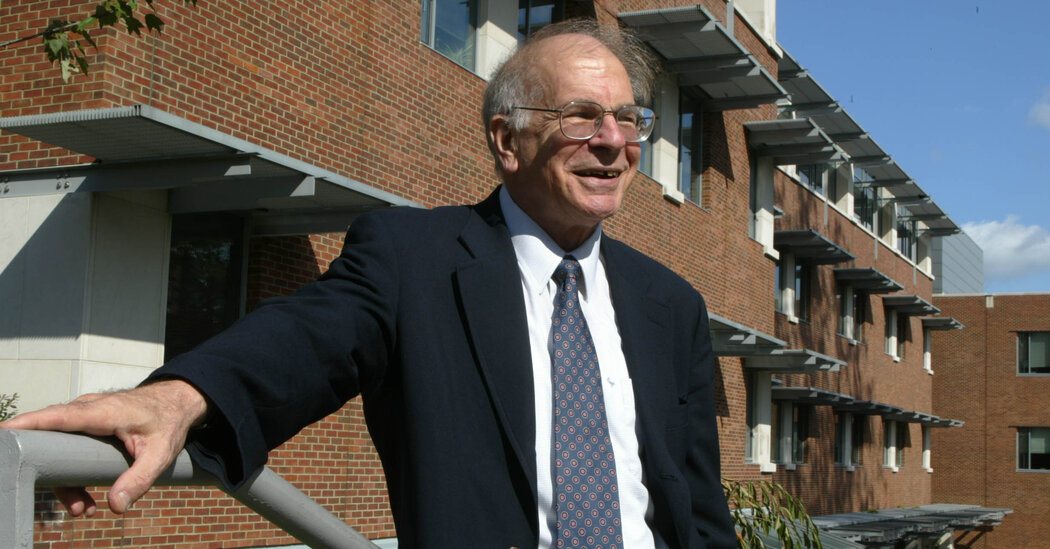
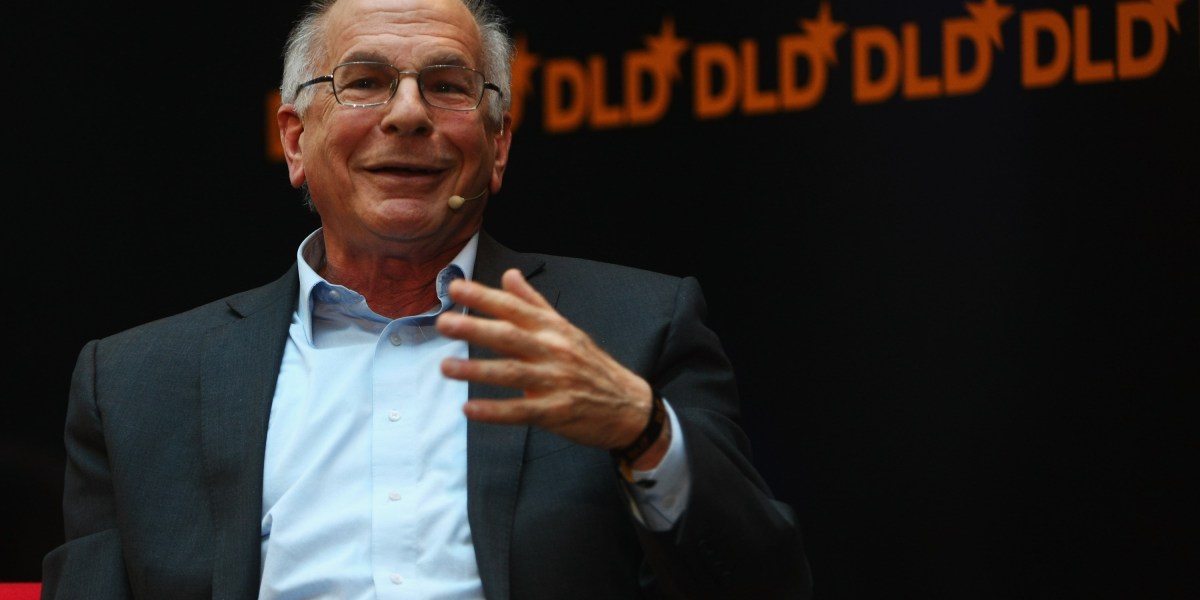
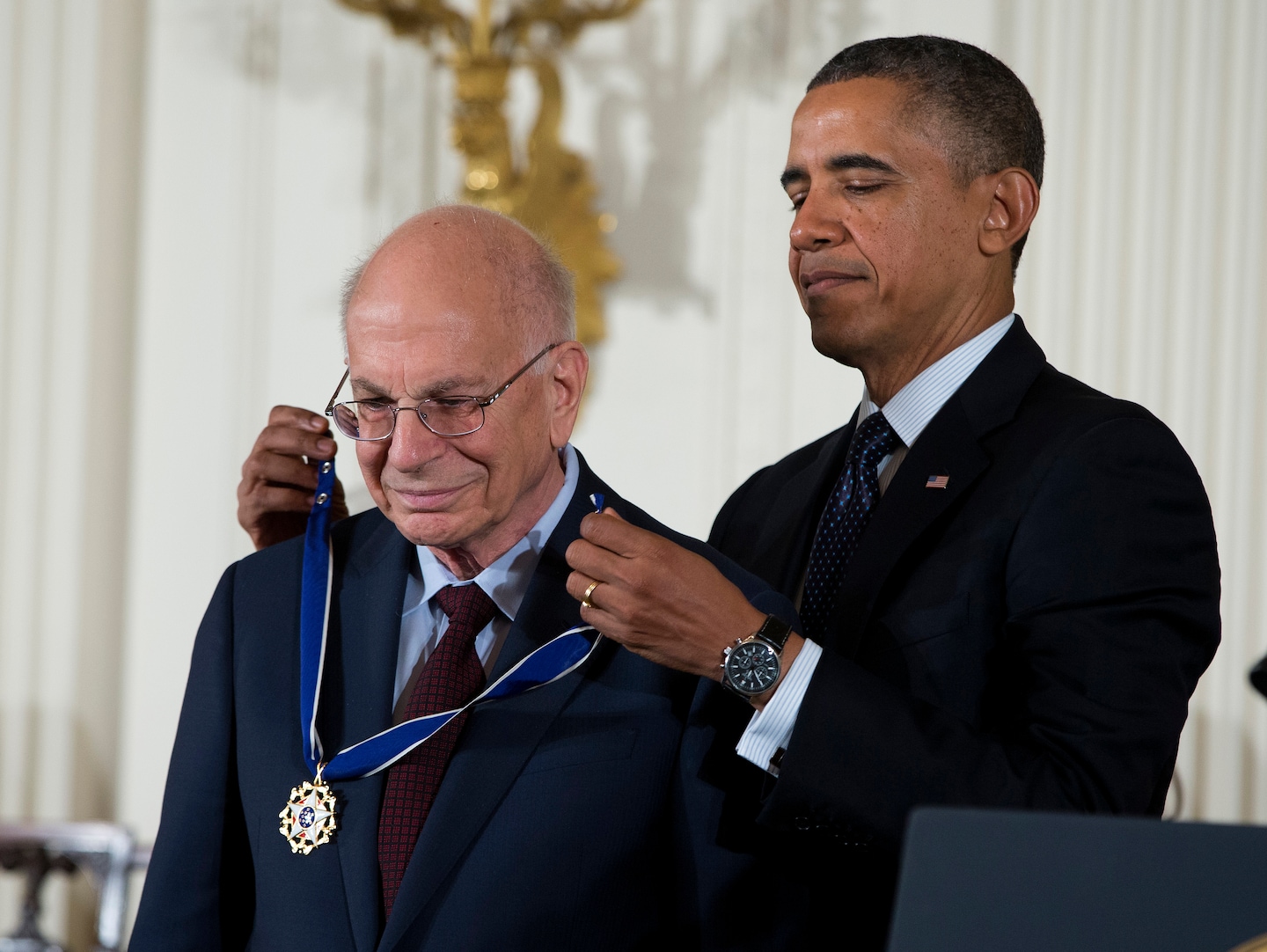
Daniel Kahneman, a Nobel Prize-winning psychologist known for his work in behavioral economics, has passed away at the age of 90. Alongside Amos Tversky, he reshaped the field of economics by highlighting the impact of neurological biases on decision making. Their research, detailed in Kahneman's best-selling book "Thinking, Fast and Slow," revealed how mental shortcuts and biases can distort thoughts in predictable yet irrational ways. Kahneman's contributions, including the concept of "loss aversion," earned him the Nobel Prize in economics in 2002, though Tversky would have likely shared the honor had he not passed away in 1996.

obituary1 year ago

"Nobel Prize-winning psychologist Daniel Kahneman passes away at 90"

Daniel Kahneman, the Nobel Prize-winning psychologist known for his work in behavioral economics and author of the best-selling book "Thinking, Fast and Slow," has passed away at the age of 90. His groundbreaking theories debunked the idea of rational decision-making and highlighted the role of instinct in human behavior. Kahneman's influential work integrated psychology into economics and earned him the Nobel Prize in Economics in 2002.

business1 year ago

"Nobel Prize-Winning Economist Daniel Kahneman Dies at 90"

Daniel Kahneman, a psychologist who pioneered the field of behavioral economics, has died at the age of 90. His work, which led to a Nobel Prize in economic science in 2002, focused on exposing hard-wired mental biases in people's economic behavior. Kahneman's research, often done in collaboration with Amos Tversky, led to a rethinking of various issues and highlighted the importance of understanding these biases for making better decisions in personal lives and as a society.

obituary1 year ago

"Nobel Prize-Winning Psychologist Daniel Kahneman Dies at 90"

Daniel Kahneman, a psychologist known for his work in behavioral economics and winner of the Nobel Prize, has passed away at the age of 90. His research challenged traditional economic assumptions about rational decision-making and highlighted biases that affect choices. Kahneman's influential work with Amos Tversky led to the development of behavioral economics and the publication of the bestselling book "Thinking, Fast and Slow." His legacy includes groundbreaking insights into human decision-making processes and the impact of framing on choices.

obituary1 year ago

"Nobel Prize-Winning Economist Daniel Kahneman Dies at 90"

Daniel Kahneman, the Nobel Prize-winning psychologist and economist known for his groundbreaking research on human decision-making and behavioral economics, has died at the age of 90. His work debunked the notion of "homo economicus" and demonstrated how people rely on intellectual shortcuts that often lead to wrongheaded decisions. Kahneman's research had a far-reaching impact on fields such as sports, public health, and public policy, and he was awarded the Nobel Prize in Economic Sciences in 2002 for integrating insights from psychological research into economic science.

finance2 years ago

The Secrets of a Savvy Closed-End Fund Bargain Hunter

Money manager Erik Herzfeld specializes in closed-end funds and takes advantage of irrational pricing by buying when fund shares trade at a low percentage of liquidating value and selling at a high percentage. While retail investors often overlook closed-end funds, Herzfeld's clients have entrusted $750 million to his firm, which owns shares of Central Securities Corporation, a fund trading at a 19% discount to net assets. Herzfeld explains that Wall Street's heavyweights find the closed-end universe too small to accommodate their bets, allowing him to profit from retail investors' lack of expertise. Herzfeld recommends buying closed-end funds that trade at double-digit discounts and have low expense ratios or large payouts.

science-and-nature2 years ago

The Economic Strategies of Chimp Empires.

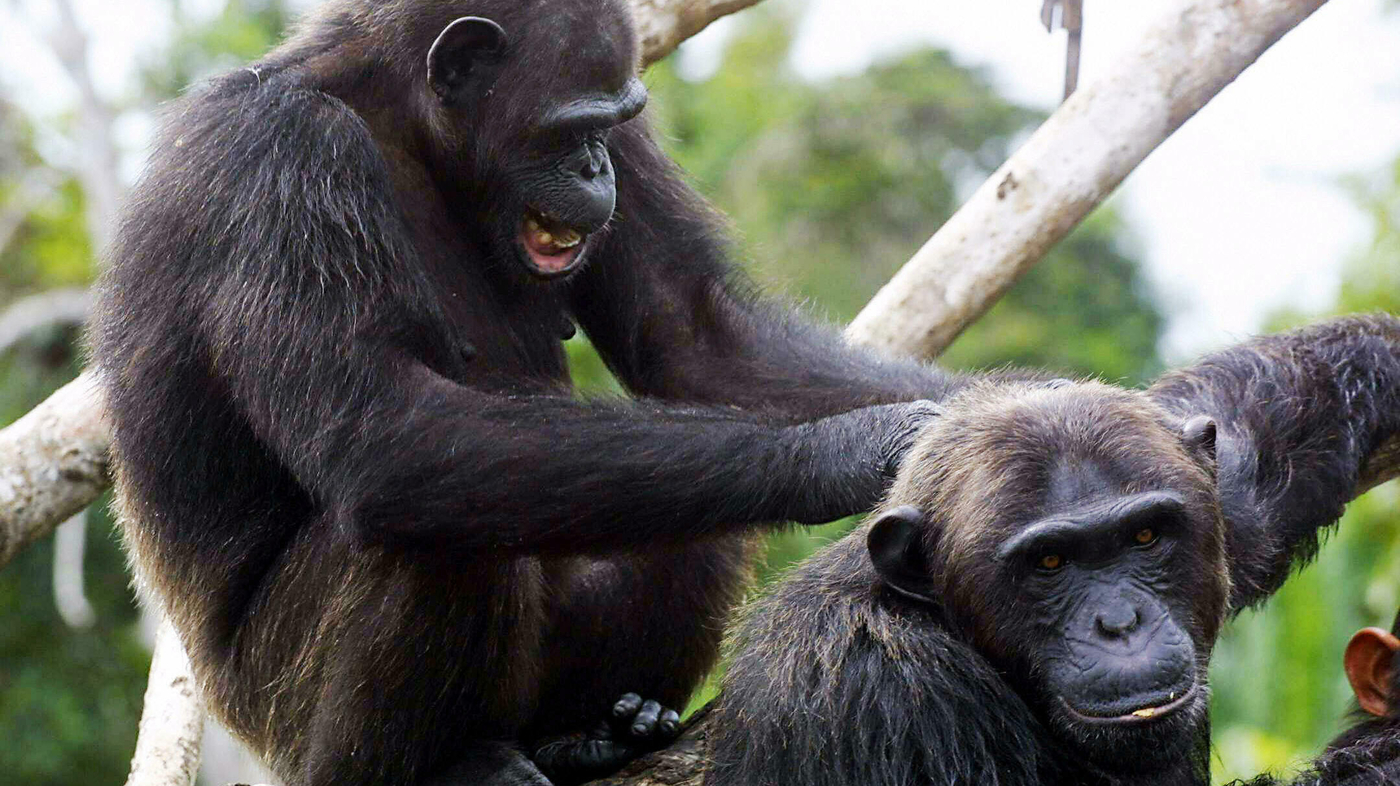
Netflix's docuseries Chimp Empire shows the economics of chimpanzees, with the Central and Western chimp clans competing for the ownership of scarce fruit trees, their primary source of sustenance. The apes also display other behaviors that are interesting from an economic perspective, such as alpha males using the spoils from their group's hunts strategically and a grooming barter system that communicates power, kinship, and rank. Recent experiments have found that chimps are actually more generous and social than once thought, and even display the same behavioral quirks as humans, such as the endowment effect.