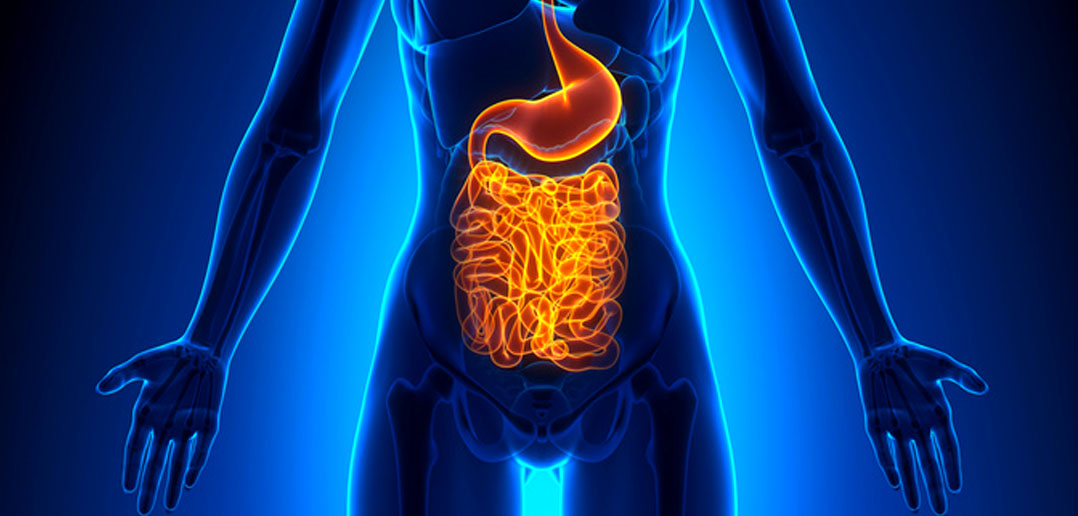
A 36-year-old woman developed an unusual craving for bleach due to a vitamin B12 deficiency caused by an autoimmune disorder, highlighting the importance of psychiatric evaluation in complex medical cases involving pica and toxic substance cravings.
A study by the University of Bristol reveals that children who experience weight-based teasing and pressure from family members to lose weight are more likely to internalize weight stigma as adults, regardless of their actual weight. This self-stigma can lead to negative effects on psychological health, including increased risk of eating disorders and a drive for thinness. The study, which followed over 4,000 children into adulthood, emphasizes the long-lasting impact of parental and familial pressure on body image and urges parents to promote healthy habits without emphasizing the need to be thin. Additionally, the study found that childhood bullying also contributes to greater weight stigma in adulthood, and further research is needed to understand the impact of social media on body image.
A study by researchers at The University of Texas at Austin has provided strong validation of the link between physical activity, sleep quality, and psychological well-being. Using advanced wearable technology, the study tracked the daily activity patterns and sleep stages of 82 young adults over several months, finding that engaging in both low-intensity and moderate-to-vigorous physical activity was associated with deeper, more restorative sleep. The study's innovative use of wearable technology allowed for continuous monitoring of participants' behaviors, providing a comprehensive understanding of the impact of daily activities on sleep and mood over an extended period.
A study published in Psychological Medicine reveals correlations between emotional states and the composition of the gut microbiome, shedding light on the gut-brain axis. Researchers found that positive and negative emotions, as well as emotion regulation strategies, were associated with distinct profiles of gut microbiome at the species level in a group of middle-aged women. The study suggests that emotional wellbeing and effective emotion regulation are linked to the gut microbiome, offering potential for future microbiome-targeted interventions to promote emotional and physical health. However, the study's limitations include its predominantly White, middle-aged female sample and the inability to establish causality in the observed relationships.
A study conducted in the Netherlands found that individuals who experienced childhood trauma exhibited lower levels of positive emotions and higher levels of negative emotions compared to those without trauma. They also displayed greater variability in the intensity of their emotions. Childhood trauma can have long-lasting effects on psychological and emotional health, leading to difficulties in forming relationships, mental health disorders, and increased vulnerability to stress in adulthood. The study highlights the need for further research on the triggers and treatment of emotional symptoms in individuals with a history of childhood trauma.
A study published in Frontiers in Sports and Active Living suggests that individuals with higher levels of mindfulness are more motivated to exercise and experience less psychological distress during physical activity. The research found that mindful individuals are driven by internal factors such as personal goals and well-being, rather than external factors like social recognition or appearance. Additionally, mindfulness was associated with a decreased likelihood of exercise addiction symptoms. The findings suggest that cultivating mindfulness may help individuals develop a positive and sustainable relationship with exercise, and mindfulness interventions could be useful in promoting exercise motivation and reducing barriers to physical activity.