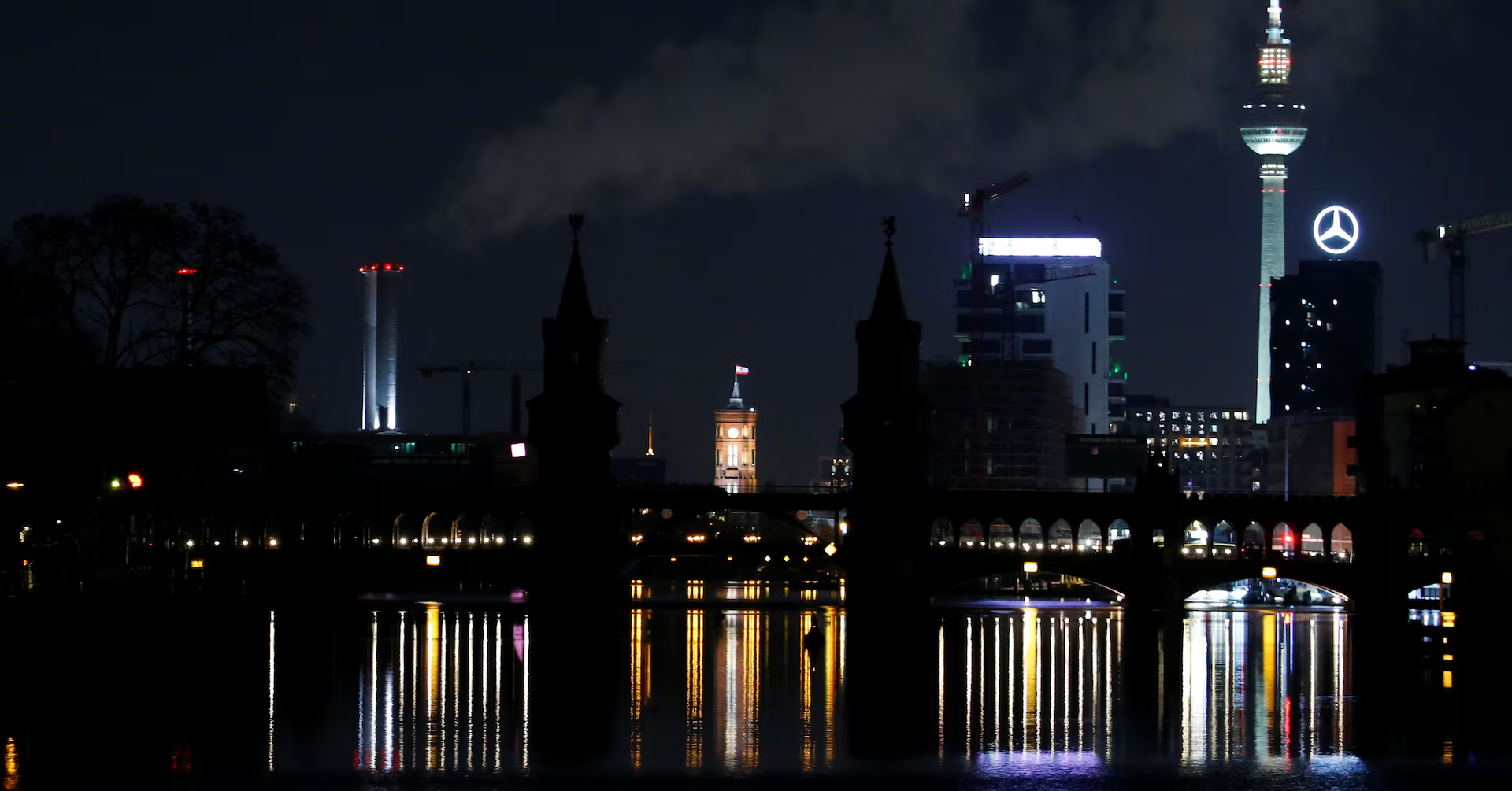
Germany has launched a 30 billion euro fund, Deutschlandfonds, to attract around 130 billion euros in private investment for energy, industrial, and tech sectors, using guarantees and loans to de-risk investments and support economic transformation.
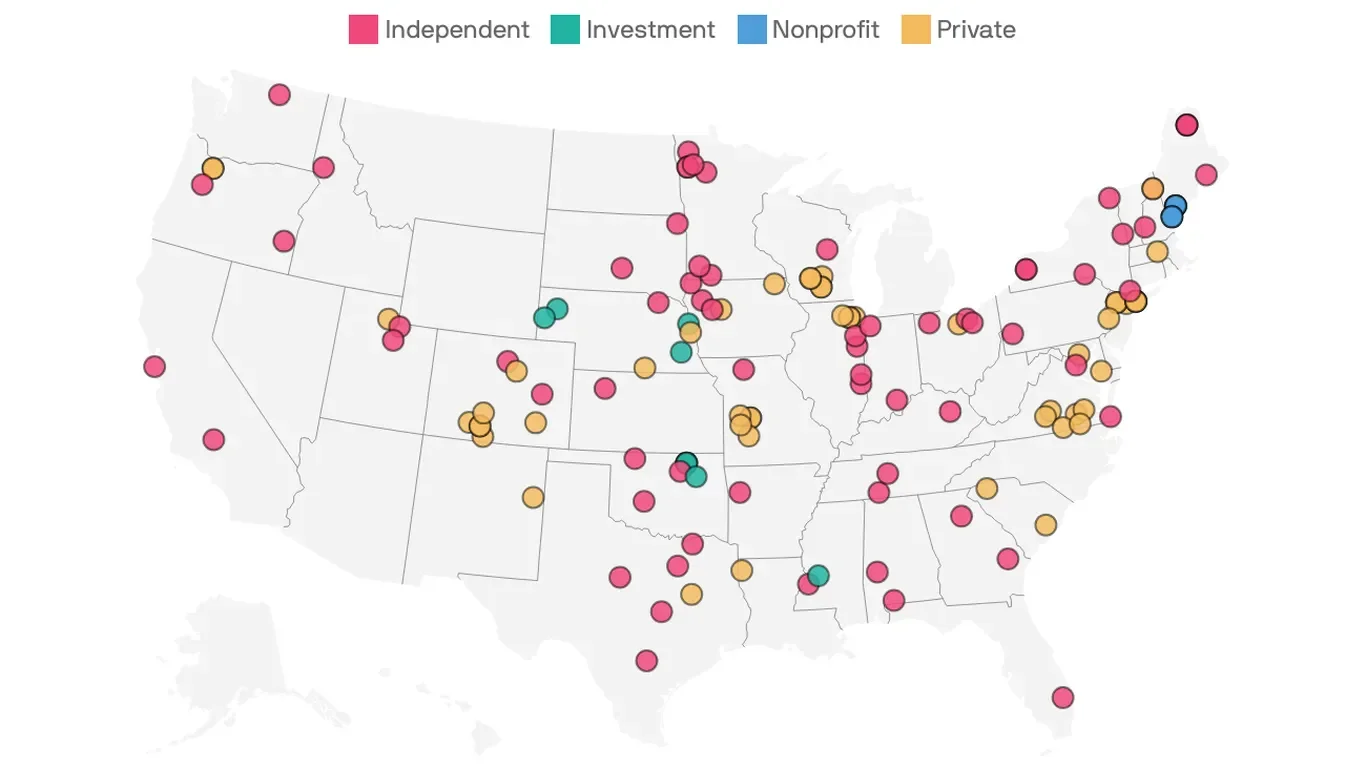
Independent newspapers in the U.S. are rapidly disappearing as private investment firms take over, leading to increased news deserts, especially in rural areas, with most remaining newspapers owned by a few large corporations, reducing local community representation.
Private sector funding for fusion energy has surged to nearly US$10 billion, driven by technological advances, climate urgency, and major investments from tech billionaires, with several companies aiming to commercialize fusion power by the 2030s, despite the significant technical and construction challenges involved.
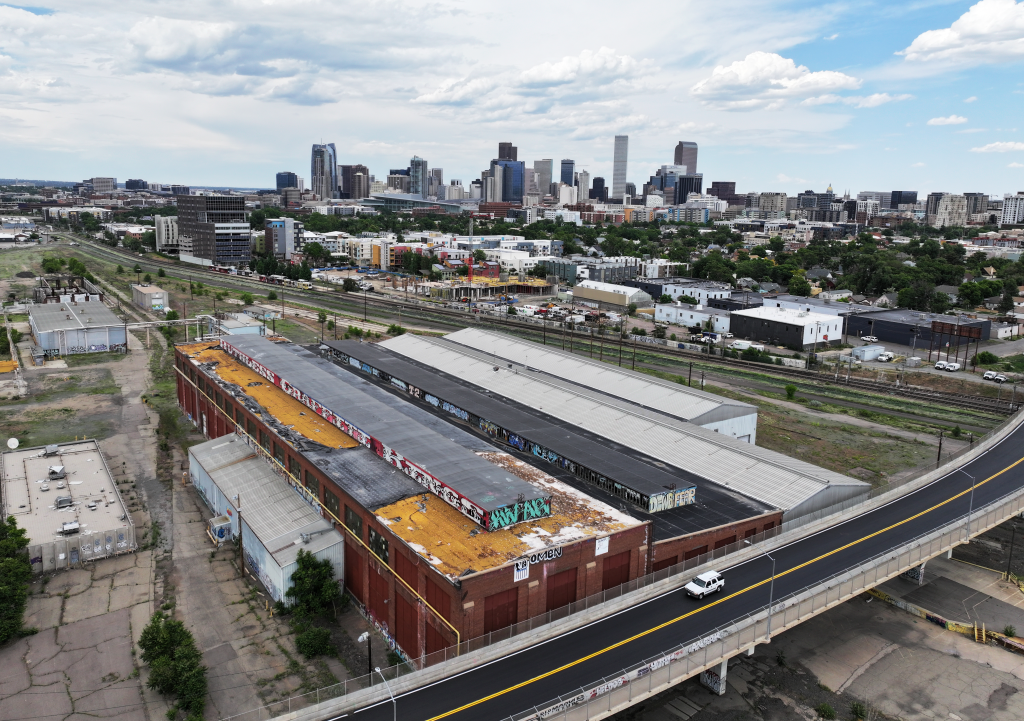
The Denver Broncos have chosen Burnham Yard as their preferred site for a new, privately financed stadium and entertainment district, with plans to develop the 100-acre area without public funding, focusing on community benefits and environmental considerations, though negotiations and planning are still ongoing.
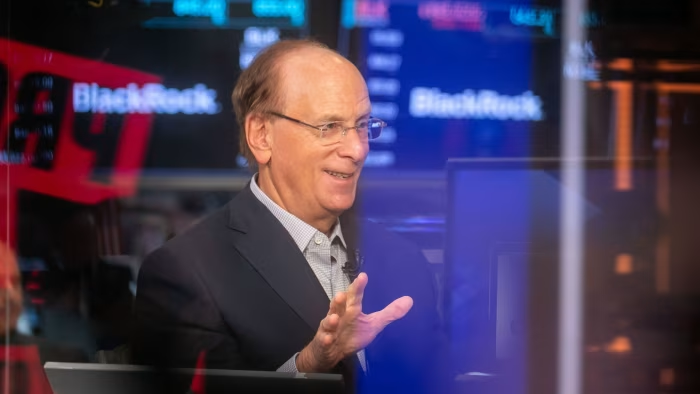
BlackRock experienced its lowest quarterly inflows in over a year due to a major client withdrawal in Asia, but overall assets under management reached a record $12.5 trillion, driven by market rally and currency swings. The firm is shifting focus towards private investments and technology to sustain growth, with significant acquisitions and fundraising efforts.
India's economy grew by 7.4% in Q4, surpassing expectations, but full-year growth is projected at 6.5%, the slowest in four years, due to weak urban consumption and global uncertainties. The government aims to boost growth through infrastructure spending and tax cuts, but challenges like global trade tensions and declining private investment remain. The IMF forecasts further slowdown in the coming years.
The Exploration Company, a European startup, has raised $160 million in a Series B funding round to develop Nyx, a reusable space capsule aimed at providing cargo delivery to the International Space Station, challenging the current U.S. dominance by SpaceX and Northrop Grumman. Founded by aerospace engineers Hélène Huby, Sebastien Reichstat, and Pierre Vine, the company plans to launch Nyx by 2028. The funding round was led by Balderton Capital and Plural, with participation from Bessemer Venture Partners and others, bringing total funding to over $208 million. The company has secured a €25 million contract with the European Space Agency and has a significant commercial contract backlog with private space station developers.
President Biden and first lady Jill Biden hosted Japan's prime minister, Fumio Kishida, at the White House for an official visit and state dinner, emphasizing the evolving U.S.-Japan Alliance and its global partnership. Private investment from companies like Microsoft, Google, Amazon, and Toyota, as well as educational exchange programs supported by Apple and the Blackrock Foundation, were highlighted. The event also saw the attendance of business leaders, billionaires, and the chairman of the Federal Reserve.
Bayern Munich's 3-2 loss to VfL Bochum was interrupted by fan protests against private equity investment in the Bundesliga, with tennis balls thrown onto the field causing a brief suspension of play. The defeat puts pressure on manager Thomas Tuchel as Bayern Munich falls further behind league leaders Bayer Leverkusen. The protests are part of a wider fan movement against the proposed sale of a future stake in the league to a private equity investor, with similar disruptions occurring in other recent matches.
Biotech company BridgeBio is set to receive approximately $250 million through a private investment in public equity (PIPE) as it approaches the submission for approval of its heart pill, acoramidis. This comes two months after the company announced positive Phase III results, which caused its shares to surge by 50%. The PIPE will bring in new long-term shareholders and addresses the question of BridgeBio's financial strategy following its recent success.
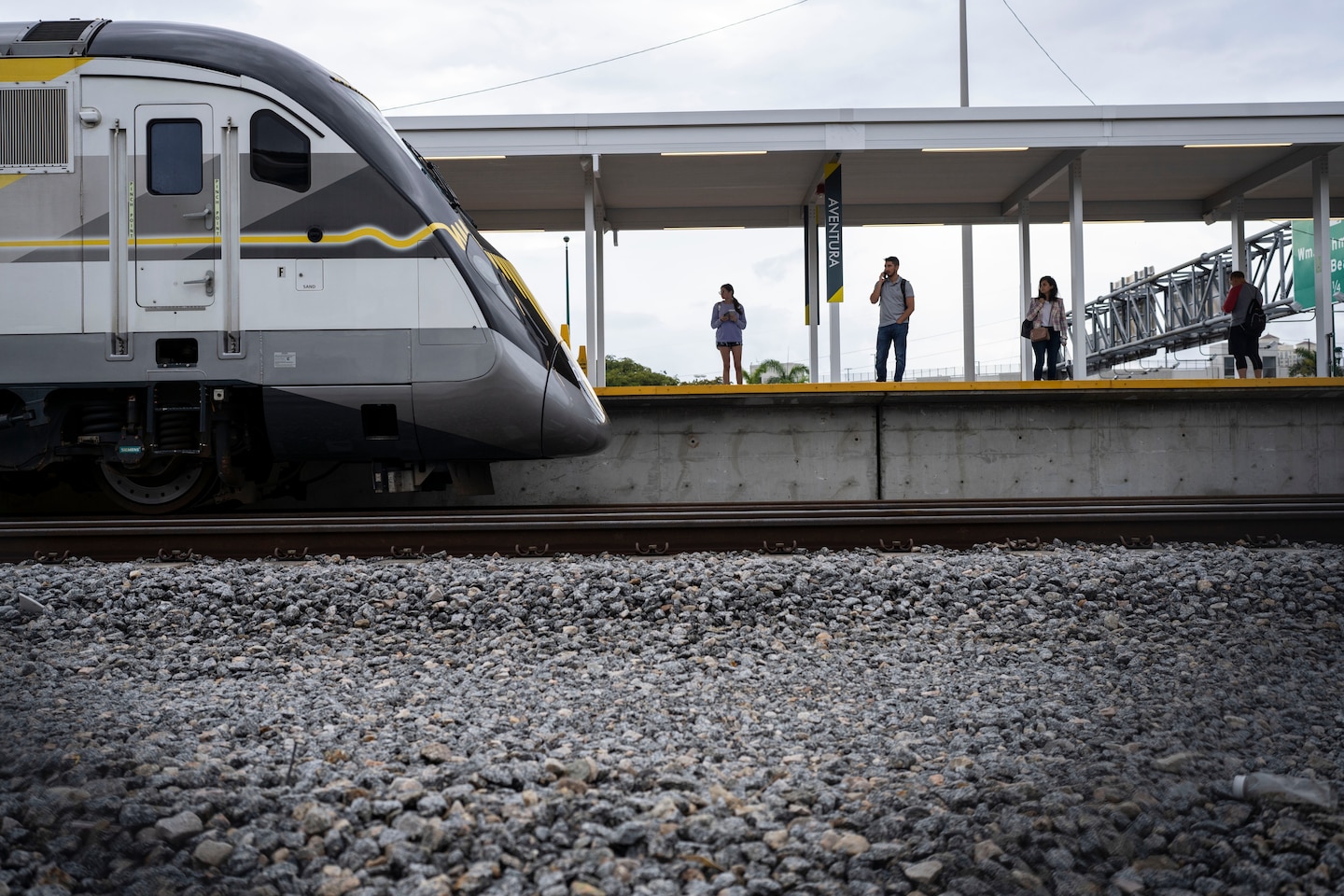
Brightline, a private rail company, has launched its train service from Miami to Orlando, completing a $6 billion investment in Florida. The 235-mile, 3.5-hour ride marks the first privately owned passenger operator to connect two major U.S. metropolitan areas in decades. Brightline plans to expand further with a $12 billion high-speed railway project from Las Vegas to Southern California. The company aims to have trains traveling at 186 mph on American tracks by 2028. The new line promises faster trip times and modern amenities, attracting both locals and tourists. With the expansion to Orlando, Brightline projects carrying 8 million people annually.
A top NATO military official has expressed concern over the rising prices of ammunition, stating that increased defense spending does not necessarily lead to greater security. The official called for more private investment in defense companies to ramp up production capacity and urged pension funds and banks to view defense investments as strategic rather than unethical. The shortage of 155mm artillery rounds has been a major concern, with Ukraine firing up to 10,000 shells per day. The official emphasized the need for long-term stability and highlighted the impact of the war on Ukraine's economy. Despite the ammunition shortage, there is no correlation between the shortage and the progress of the counteroffensive in Ukraine. NATO is planning its largest collective defense drills since the Cold War in 2024.
China's state planner, the National Development and Reform Commission (NDRC), has announced measures to promote private investment in infrastructure sectors, aiming to attract more private capital for national major projects. The NDRC will release a list of sectors available for private investors to participate in, including transport, water, clean energy, new infrastructure, advanced manufacturing, and modern agriculture. This move comes as China seeks to strengthen the private sector and boost its post-pandemic economic recovery. The NDRC also plans to strengthen financial support for private-invested projects by setting up a special fund from the central government budget.
The Biden-Harris Administration has announced a new initiative to jumpstart the clean hydrogen economy in the United States. The U.S. Department of Energy (DOE) plans to invest up to $1 billion in a demand-side program to support the Regional Clean Hydrogen Hubs (H2Hubs). This initiative aims to provide market certainty for both producers and end users, unlocking private investment and creating new economic opportunities. Clean hydrogen has the potential to reduce emissions in energy-intensive sectors and create tens of thousands of jobs. The DOE has released a Notice of Intent (NOI) seeking public input on the program's design and will select six to ten H2Hubs for federal funding later this year. The proposed mechanism will connect the H2Hubs to purchasers, ensuring durable demand and supporting the administration's clean energy goals.
Officials have unveiled the design for a proposed $1.7 billion Major League Baseball stadium in Orlando, which would be the largest private investment ever for a publicly owned MLB stadium. The stadium is expected to hold about 45,000 fans and would require $700 million in private funds. The proposed location is the tourist district on International Drive. The road to a professional baseball team in Orlando can happen in two ways: MLB can expand its current roster of teams, or an existing team would move to Central Florida.