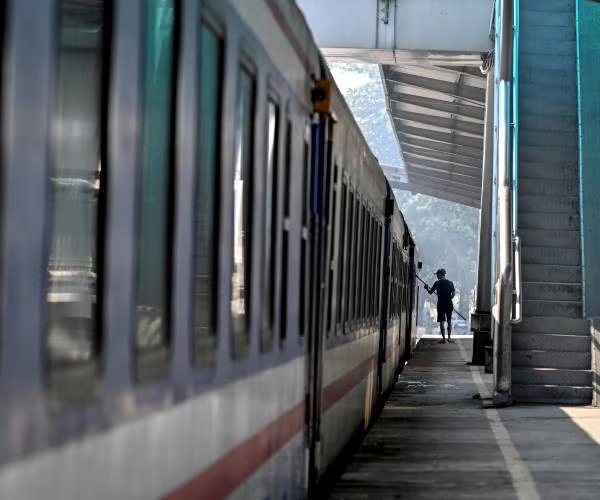
Vietnam has approved a $67 billion high-speed railway project connecting Hanoi and Ho Chi Minh City, aiming to reduce travel time from 30 to 5 hours. The 957-mile railway, expected to begin construction in 2027 and operational by 2035, will pass through 20 provinces with 23 passenger and 5 freight stations. The project addresses growing transport needs and is seen as crucial for economic growth, with domestic funding prioritized and potential foreign loans considered.
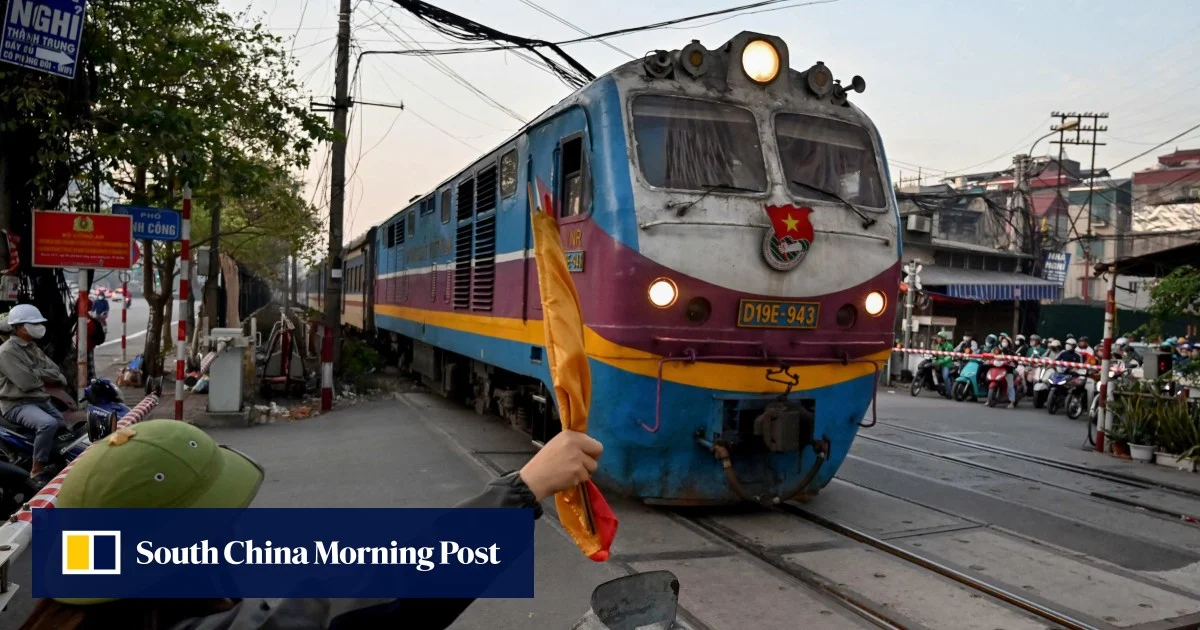
Vietnam plans to construct a US$67 billion high-speed railway connecting Hanoi and Ho Chi Minh City, significantly reducing travel time from 30 hours to five. This infrastructure project aims to boost economic growth and attract foreign investment by improving the country's underdeveloped transport system. The National Assembly has approved the investment policies for this 1,500-kilometer railway, addressing Vietnam's current challenges with road and rail infrastructure.
Vietnam has approved a $67 billion high-speed railway project connecting Hanoi and Ho Chi Minh City, aiming to reduce travel time from 30 to 5 hours. The 1,541-kilometer line will feature trains traveling at speeds up to 350 kph and is expected to be operational by 2035. The project, which will pass through 20 provinces, is seen as crucial for meeting growing transport demands and boosting economic growth. Vietnam plans to prioritize domestic funding but may seek foreign loans if necessary.
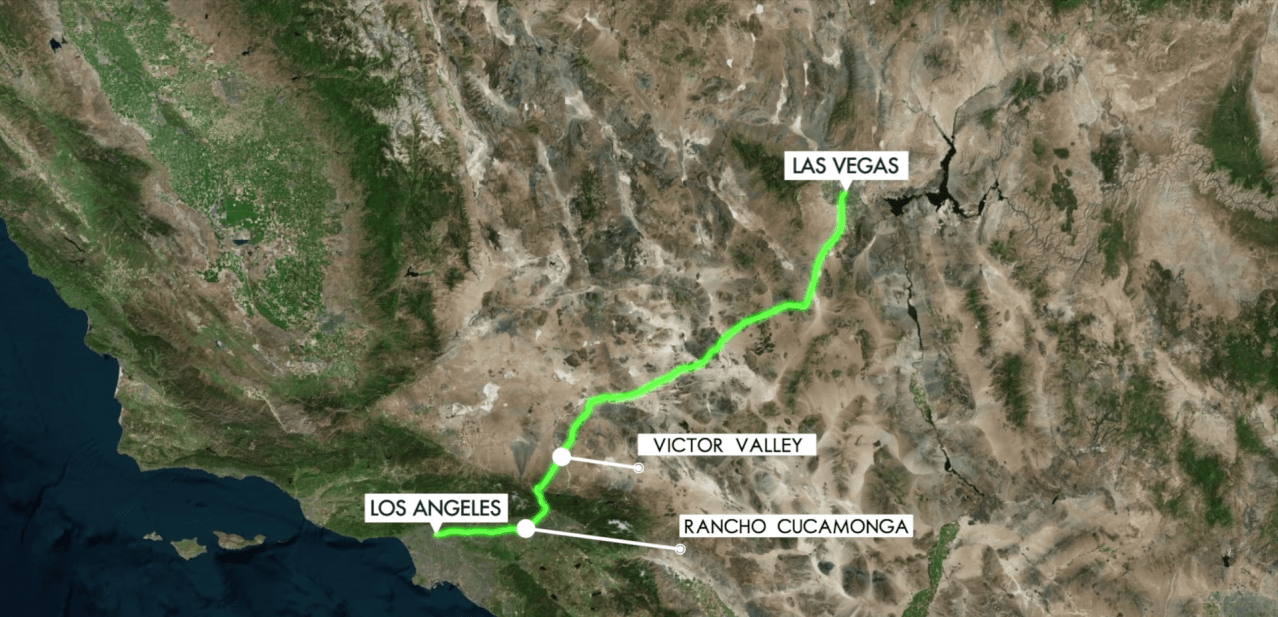
The long-planned high-speed railway project connecting Las Vegas and Southern California has secured $3 billion in funding, bringing it closer to becoming a reality. The project, known as "Brightline West," aims to create a 218-mile track that will reduce traffic on Interstate-15, create jobs, and decrease carbon emissions. The funding is part of the Bipartisan Infrastructure Law and is expected to open before the 2028 Olympics in Los Angeles. The project has received support from President Joe Biden and is seen as a significant boost to Nevada's tourism economy and transportation infrastructure.
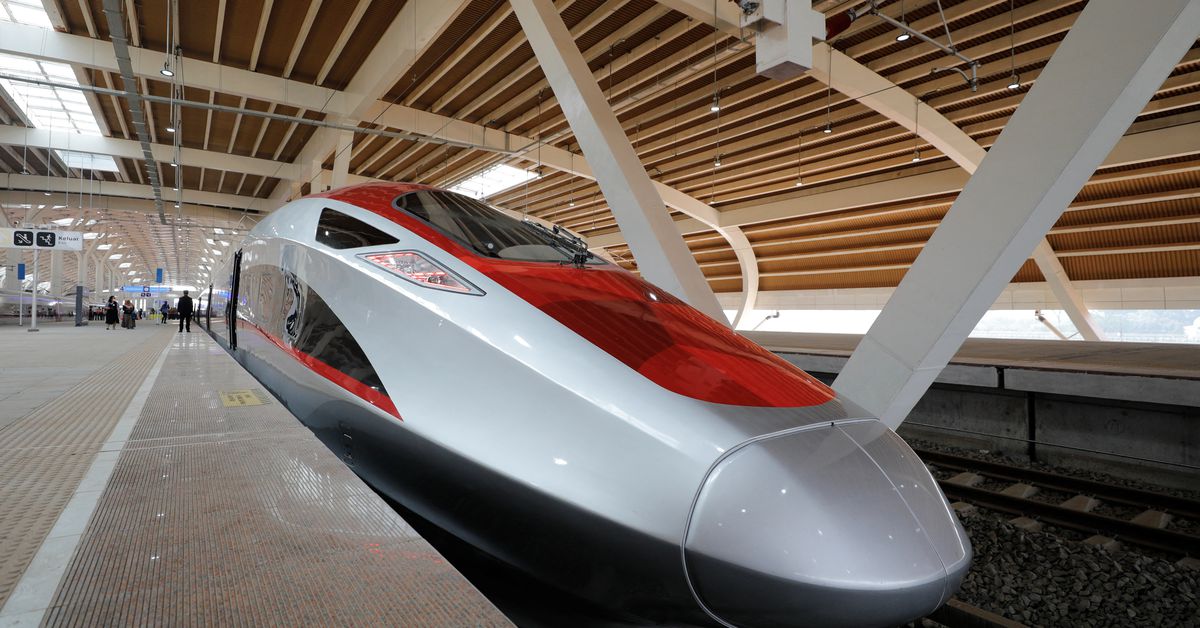
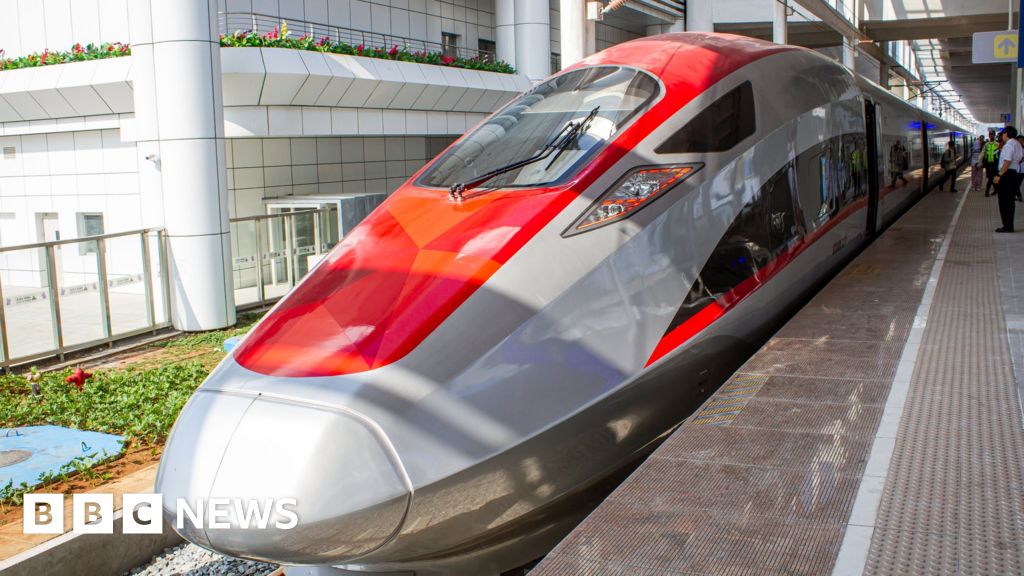
Indonesian President Joko Widodo inaugurated a $7.3 billion high-speed railway connecting Jakarta with Bandung, a China-backed project that has faced delays and cost overruns. The railway, named "Whoosh," is part of China's Belt and Road Initiative and is one of the president's flagship infrastructure projects. The maximum operating speed of the train could reach 350 km/h (217 mph), and it aims to modernize mass transportation in an environmentally friendly manner. Free trial rides are currently underway, with ticket prices set to be implemented in mid-October.
Indonesia has inaugurated its first high-speed railway, named Whoosh, connecting Jakarta to Bandung, with speeds of up to 350km/h. The $7.3bn project, backed by China under its Belt and Road Initiative, aims to ease severe traffic congestion and improve economic productivity. The railway, operated by PT KCIC, is powered by electricity, reducing the country's carbon footprint. However, critics raise concerns about the project's profitability and its impact on Indonesia's strained public finances. Ticket prices have not been finalized, but some citizens express skepticism about the affordability and practicality of the high-speed train.
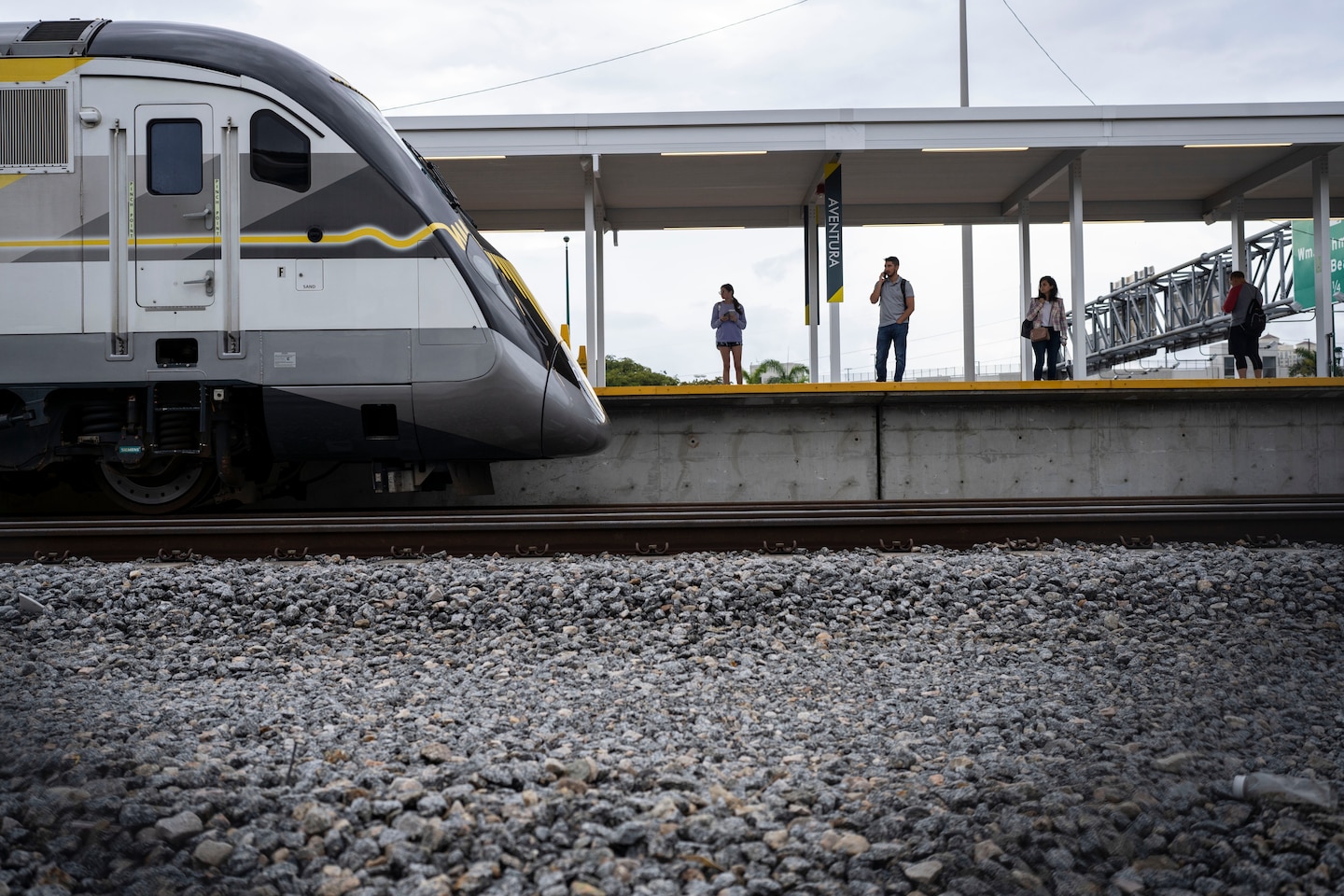
Brightline, a private rail company, has launched its train service from Miami to Orlando, completing a $6 billion investment in Florida. The 235-mile, 3.5-hour ride marks the first privately owned passenger operator to connect two major U.S. metropolitan areas in decades. Brightline plans to expand further with a $12 billion high-speed railway project from Las Vegas to Southern California. The company aims to have trains traveling at 186 mph on American tracks by 2028. The new line promises faster trip times and modern amenities, attracting both locals and tourists. With the expansion to Orlando, Brightline projects carrying 8 million people annually.