'Avatar: Fire and Ash' remains the top box office hit for the fourth consecutive Friday, while 'Primate' debuts with a $4.5 million opening day, and 'Greenland 2' also opens strongly. Other films like 'Marty Supreme' and 'The Housemaid' continue to perform, with 'Avatar' crossing $1 billion worldwide.
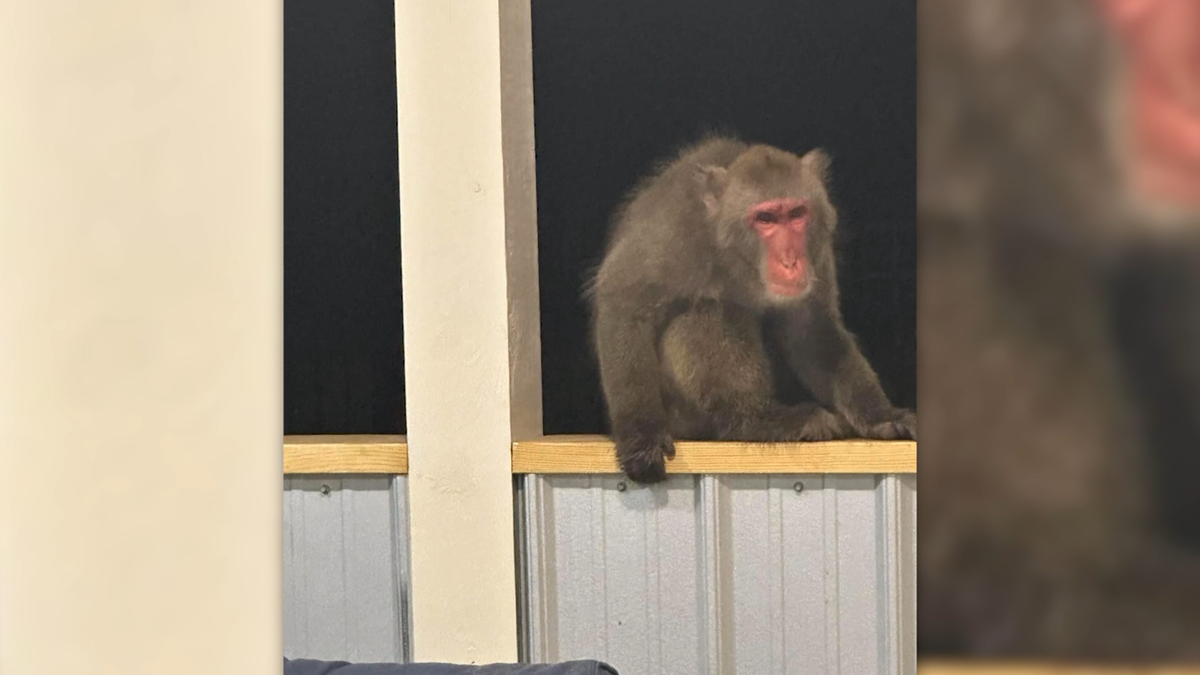
Authorities in Walterboro, South Carolina, are in the second day of searching for a primate, possibly a baboon, that escaped from its owner. The Colleton County Sheriff's Office has advised residents to stay vigilant and keep pets safe. The owner has hired help to capture the animal, and no wrongdoing has been suggested.
Authorities in Colleton County, South Carolina, are searching for a 15-year-old Japanese macaque named Bradley, who escaped from his habitat in Walterboro. The search is being hampered by onlookers, and officials urge the public to keep their distance and report sightings to a dedicated hotline. Bradley is not considered dangerous but is still a wild animal.
An ape is on the loose in Walterboro, SC, and authorities, including the Colleton County Sheriff’s Office and Animal Control, are working to capture it. Residents in the area of Hiers Corner Road and Mallard Street are advised to keep an eye on their pets and report any sightings to the sheriff's office.
Scientists have determined that the largest primate, Gigantopithecus blacki, went extinct between 295,000 and 215,000 years ago due to a shift in its environment and diet. The research suggests that as the climate changed, the dense forests with year-round fruit that giganto relied on shifted to more open forests with scarce fruit during drier periods. Unable to adapt, giganto, which primarily ate fibrous plants like bark and twigs, ultimately succumbed to the environmental changes. This study sheds light on how primates respond to environmental stresses and the factors that make some species more vulnerable to extinction.
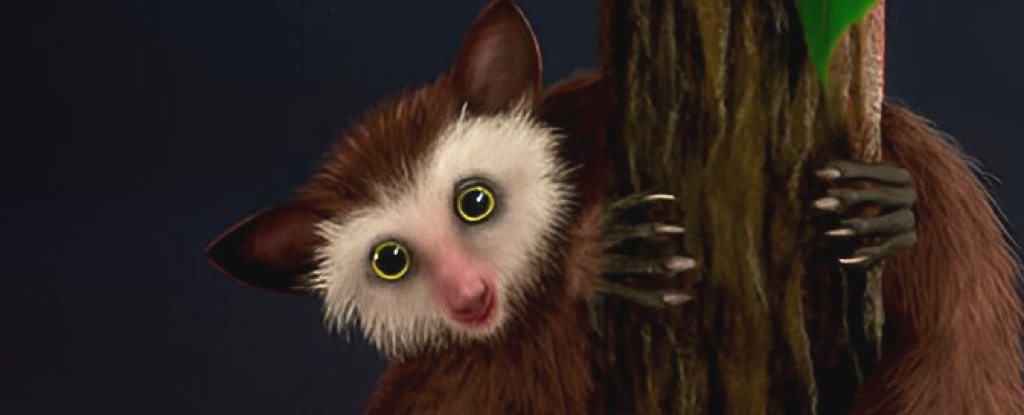
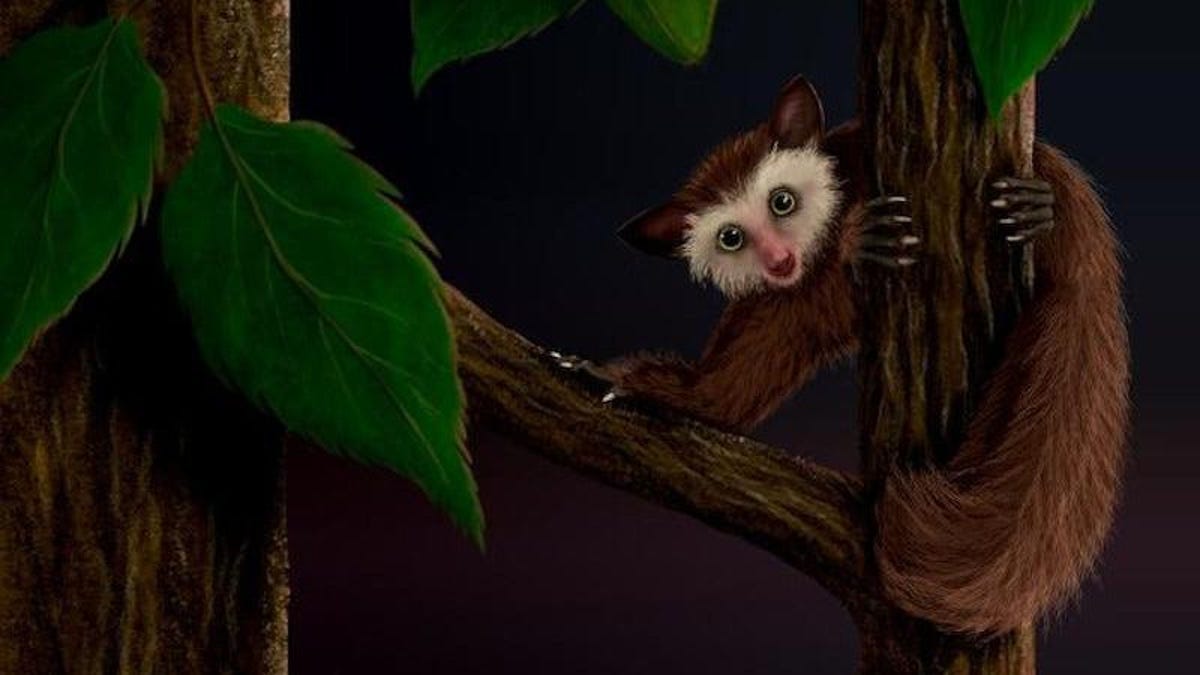
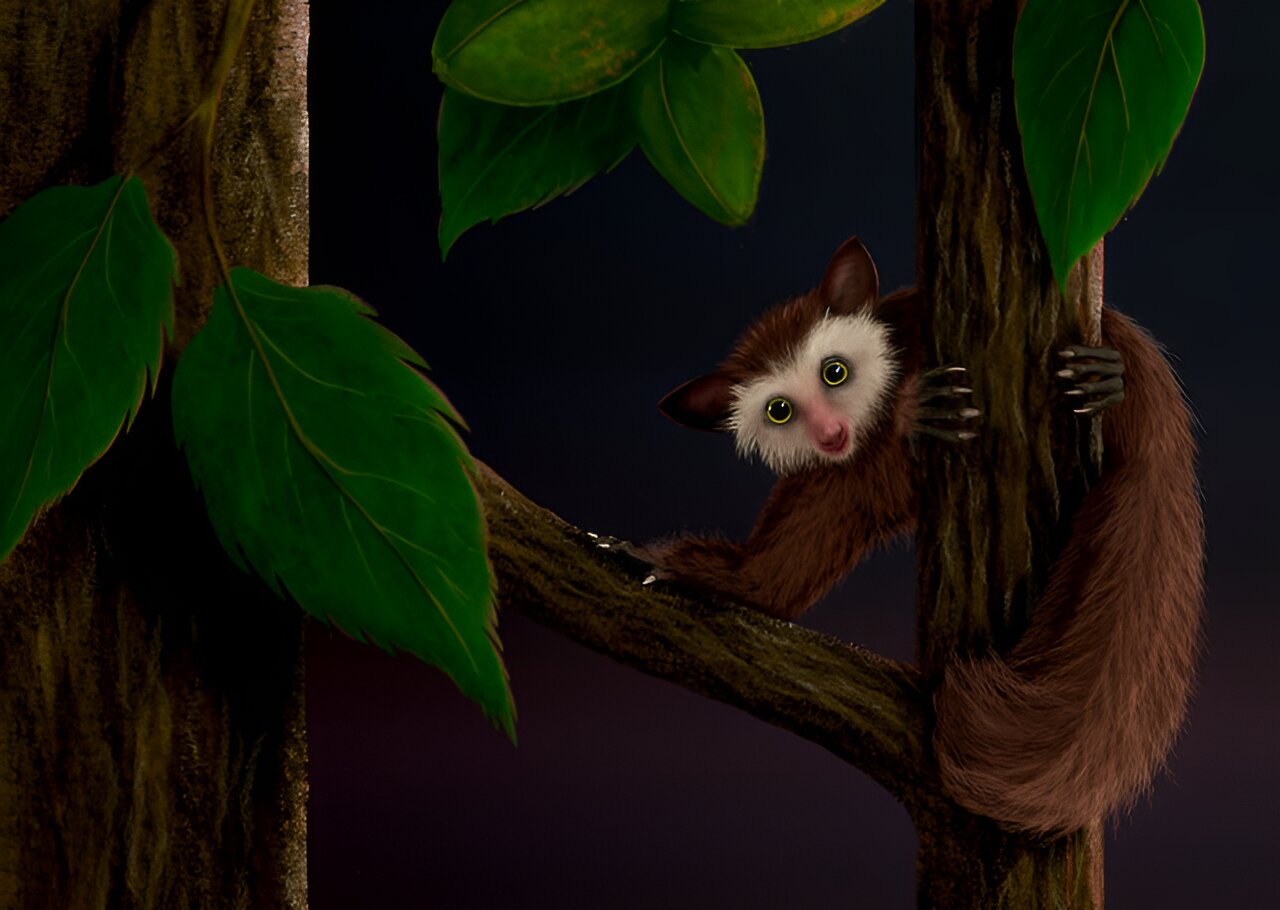
The mysterious primate species Ekgmowechashala, which appeared in North America 30 million years ago, has long puzzled paleontologists. A new study suggests that Ekgmowechashala was an immigrant species that evolved in Asia and migrated to North America during a cool period, most likely via the Bering land bridge. The discovery of an older "sister taxon" from China named Palaeohodites supports this hypothesis. The study sheds light on the origins and survival of Ekgmowechashala, as well as the impact of climate change on primates.
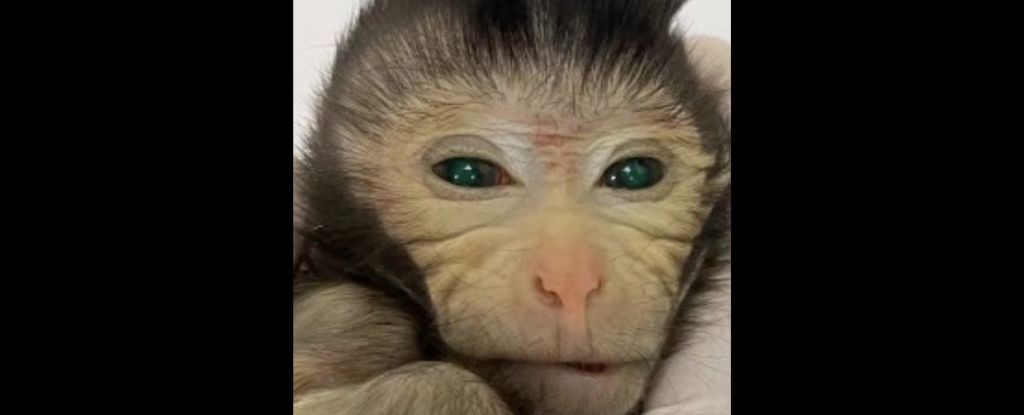
Scientists in China have successfully created a chimeric monkey, using pluripotent stem cells from two genetically distinct fertilized eggs. The resulting monkey exhibited observable features such as glowing fingertips and green eyes, but the chimerism was also present at the cellular level in various organs and tissues. This breakthrough could lead to more precise monkey models for studying neurological diseases and other biomedical research. However, the efficiency of the process remains low, and the ongoing health of chimeric monkeys is still a challenge to be addressed. The research opens up possibilities for testing disease outcomes and therapies in accurate animal models, but ethical concerns persist in the field of chimeric animal research.
Fossils of a primate species called Ekgmowechashala found in Nebraska have provided scientists with insights into how species can survive and adapt to changing climates. The discovery revealed that Ekgmowechashala migrated to North America from Asia after other primate species became extinct due to a cooling event. By comparing fossils from North America and China, researchers established a connection between Ekgmowechashala and a closely related primate species called Palaeohodites. The findings shed light on the Lazarus effect, where a species appears in the fossil record long after its relatives have died off, and highlight the importance of migration and adaptation in the face of environmental change.
Researchers have discovered the origins of a 30-million-year-old primate lineage called Ekgmowechashala philotau, which appeared in North America millions of years after the presumed extinction of all other known primates on the continent. The primate is considered a "Lazarus" species, named after biblical Lazarus, as it reappeared long after its presumed extinction. The study confirms that Ekgmowechashala migrated from Asia to North America during a cool period, most likely via the land bridge Beringia. The researchers established a close phylogenetic relationship between Ekgmowechashala and the Asian primate species Palaeohodites naduensis, confirming the North American primate's origins. This discovery sheds light on the evolutionary history of primates in North America.
Paleontologists have uncovered evidence of Ekgmowechashala, the last primate to inhabit North America before humans, through fossil teeth and jaws found in Nebraska and China. The discovery of a related Chinese fossil species, Palaeohodites, helped establish the evolutionary relationship between the two primates. The findings suggest that Ekgmowechashala was an immigrant species that evolved in Asia and migrated to North America during a cool period, possibly via the Beringian region. This study sheds light on the impact of environmental and climatic changes on the survival and adaptation of primates, highlighting the significance of accessible resources during times of drastic climate change.
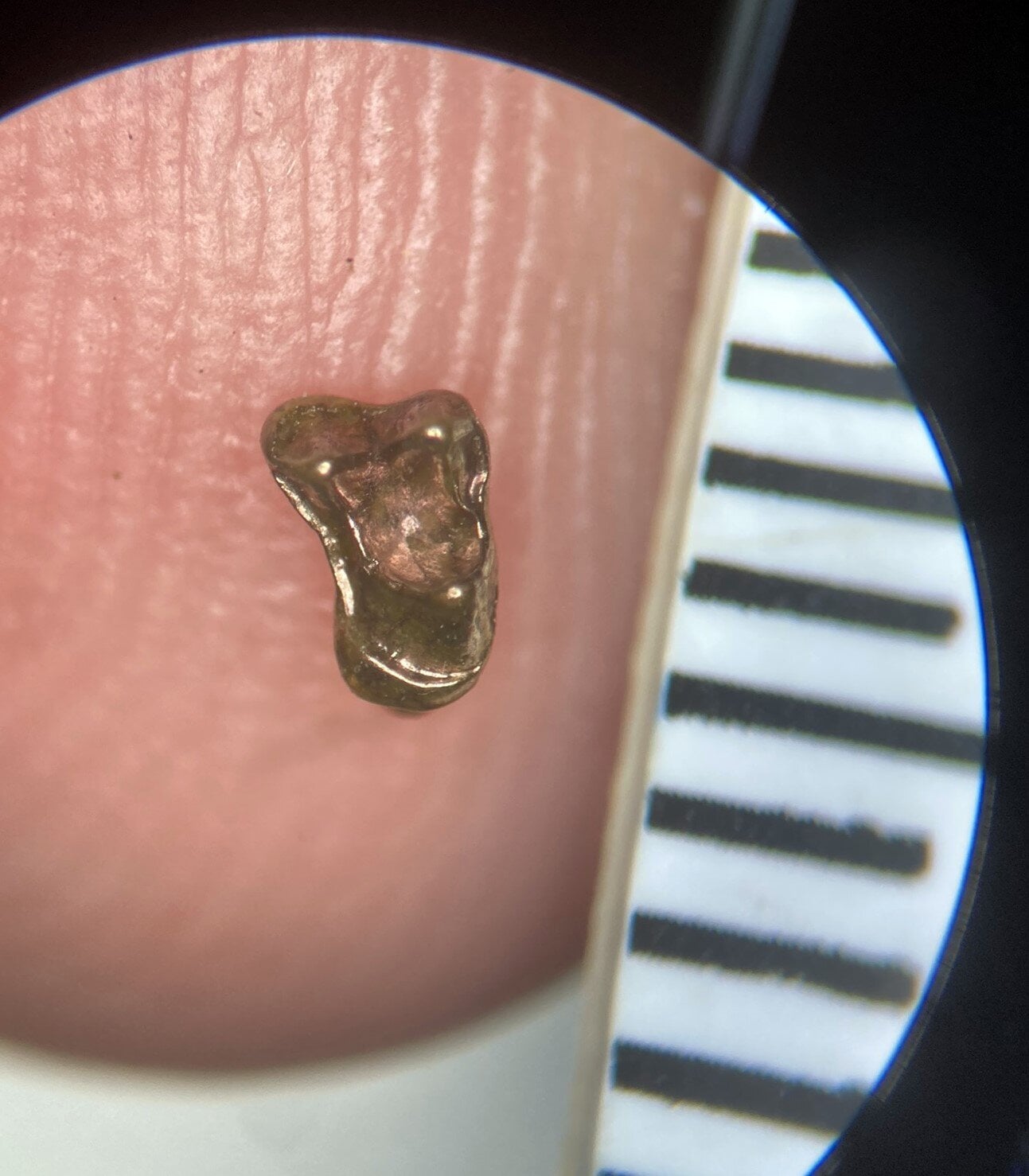
Paleontologists have discovered evidence of a third type of monkey that made the journey from Africa to South America millions of years ago. The discovery was made through the analysis of a tooth found in Brazil, which belonged to an extinct primate known as Ashaninkacebus simpsoni. The tooth suggests that this monkey was a small species, similar in size to a modern marmoset, and likely fed on fruits and insects. Further testing and comparisons with other simian primates revealed similarities to extinct species from South Asia. The finding suggests that the migration of monkeys across the Atlantic Ocean may have been more common than previously thought.