Negotiations for a gas pipeline deal between Russia and China have stalled due to Beijing's demands for lower prices, highlighting the complexities in energy trade agreements between the two nations.
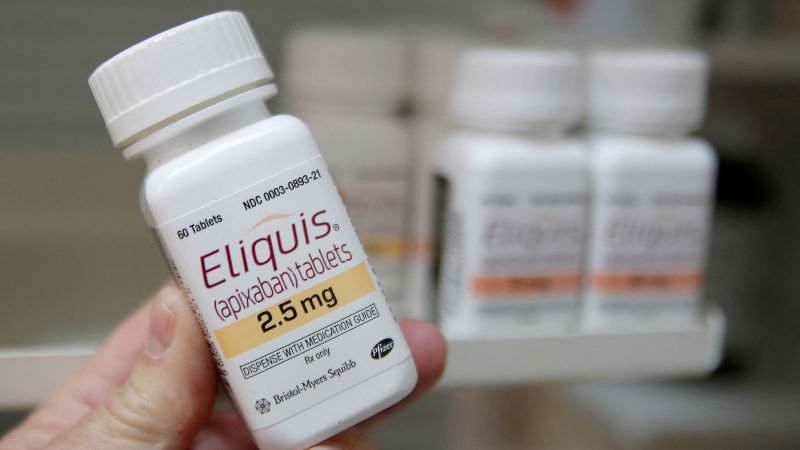
Senator Bernie Sanders issued a report highlighting the vast price differences of three drugs in the US compared to other countries, ahead of a hearing with the CEOs of the drugmakers. Medicare has begun negotiations with drugmakers over the cost of 10 expensive medications, including Eliquis and Stelara, despite the prices charged in other countries not being a factor in the negotiation process. The report also cited the profits and executive compensation of the pharmaceutical companies, while drug companies have expressed concerns that Medicare's price negotiations could impact research and development.
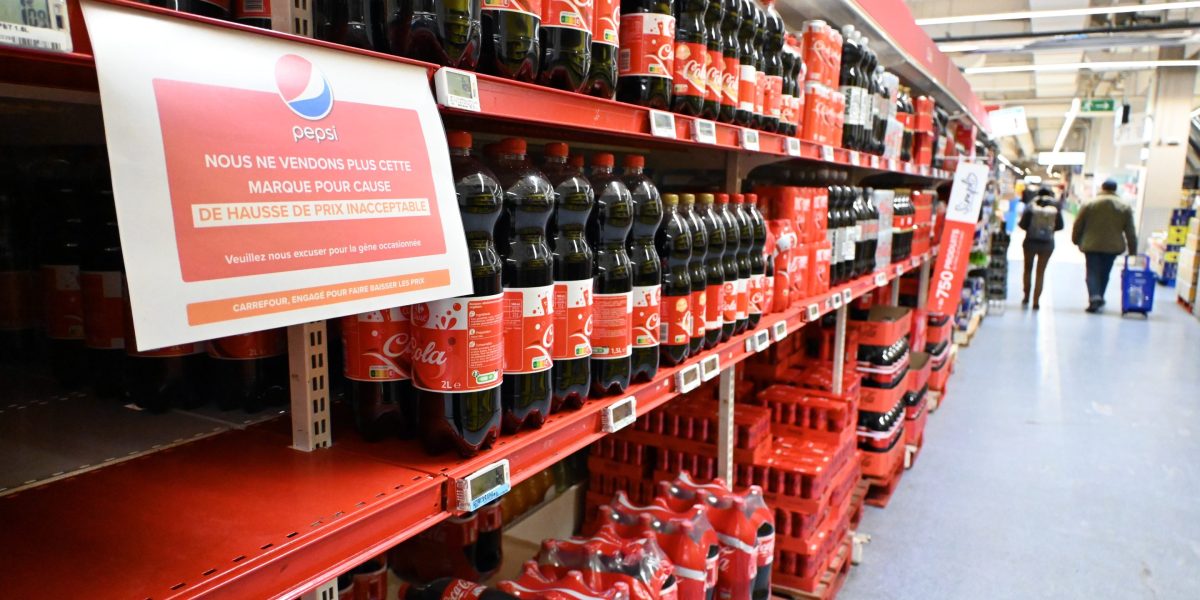
European supermarkets are clashing with major suppliers over "shrinkflation," with Carrefour removing PepsiCo products from its shelves while E.Leclerc, France's largest supermarket chain, has decided to continue stocking them. The move comes after a battle over rising prices and product shrinkage, with Carrefour taking a more aggressive stance and E.Leclerc opting for a more passive approach in negotiations with suppliers. The issue of price rises, attributed to supply-chain shocks and profiteering, has come under scrutiny, with pressure mounting on suppliers to lower prices as inflation falls back toward central bank targets.
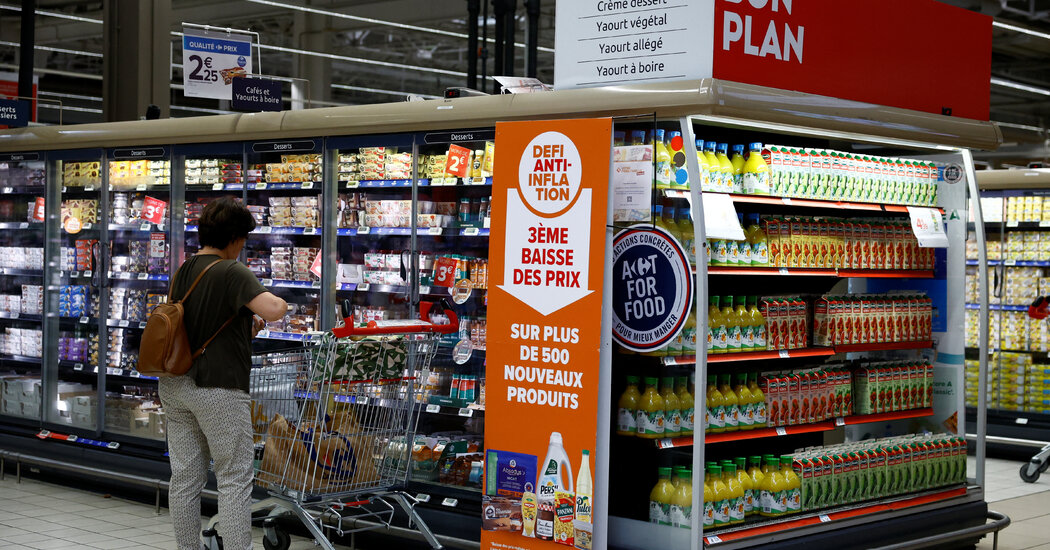
Carrefour, France's largest supermarket chain, has stopped selling PepsiCo products, including Pepsi, Lay's, and 7-Up, due to what it considers "unacceptably" high prices amidst falling inflation rates. This action is part of a broader effort by French retailers, supported by the government, to pressure manufacturers into reducing food costs. Despite a general slowdown in inflation, food prices remain high, with a typical basket of groceries in France costing 7% more than the previous year. The French government, including President Macron, is actively seeking a reduction in food prices to alleviate the cost-of-living crisis, with Macron calling for a 5% decrease to reflect the drop in raw material costs. Other French retailers may follow Carrefour's lead, as the issue of high food prices persists in the country.
All drugmakers responsible for the 10 prescription medicines subject to the first-ever price negotiations for the U.S. Medicare health program, including Amgen and Novartis, have signed on to participate in the talks by the Oct. 1 deadline. Failure to do so would have resulted in steep penalties, including high taxes on drug sales or withdrawal from Medicare and Medicaid programs. Some drugmakers have filed lawsuits against the U.S. Department of Health and Human Services, claiming the process is unconstitutional. The new prices, which must be at least 25% lower than the current list, will take effect in 2026, aiming to save $25 billion per year on drug prices by 2031.
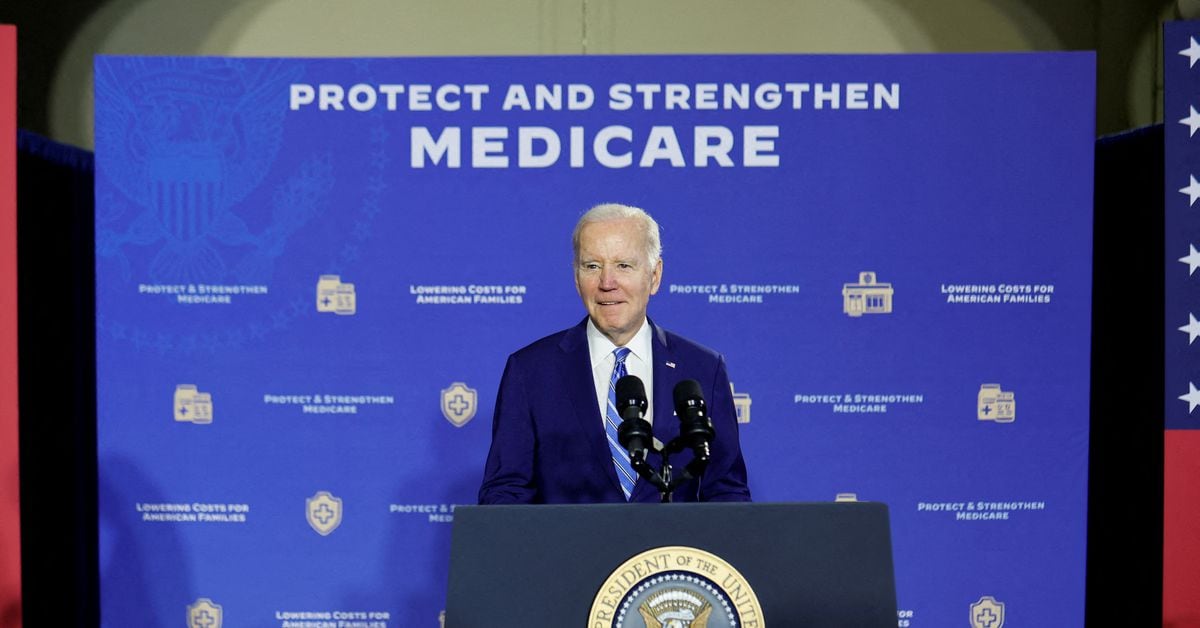
Medicare has started its first round of drug price negotiations, which will eventually benefit enrollees, but the effects won't be seen for a couple of years. In the meantime, there are other upcoming changes to medication costs, and individuals are advised to take steps now to reduce their spending.
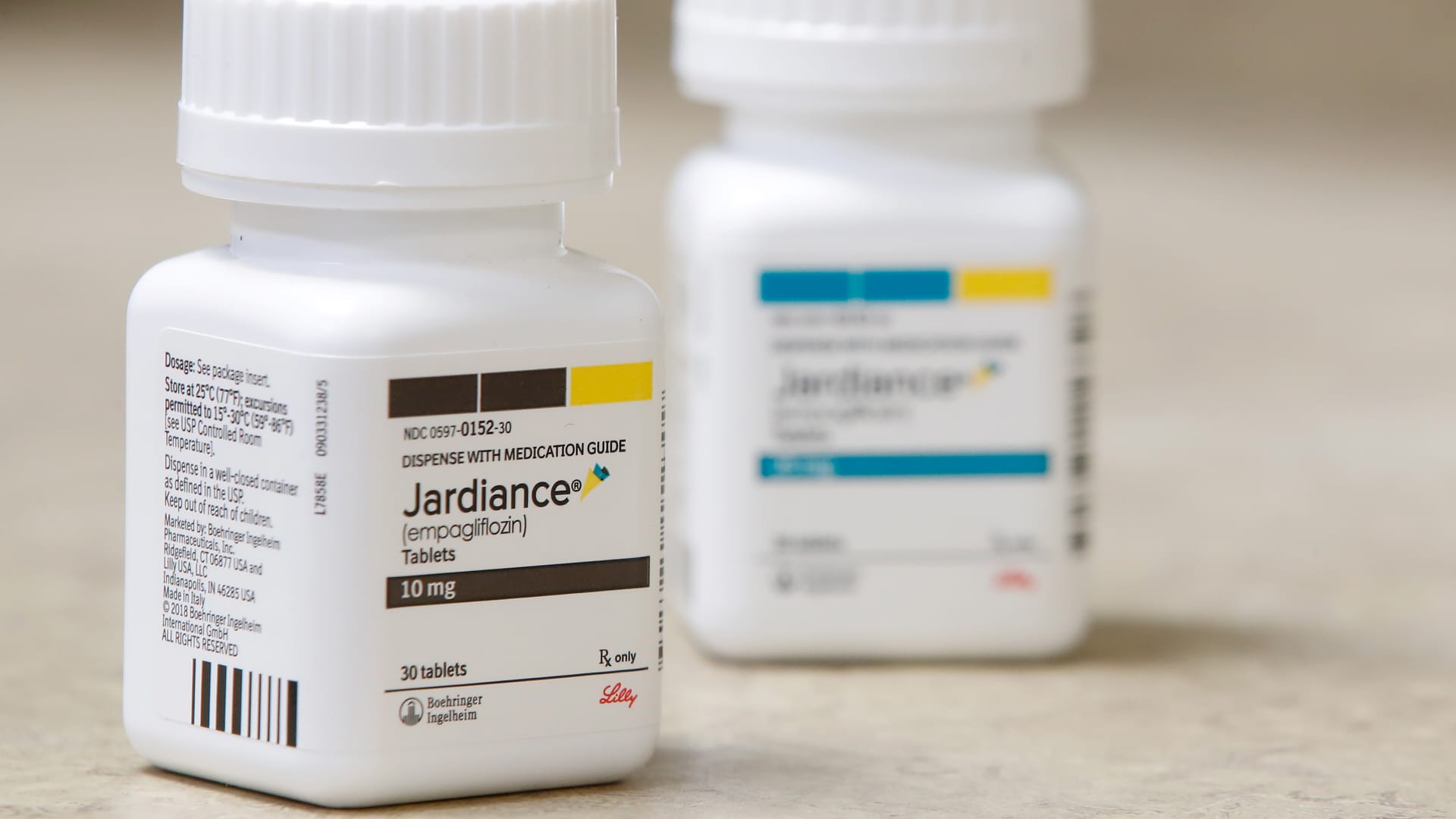
The Biden administration has released a list of ten drugs subject to price negotiations with Medicare, aiming to lower drug costs for older adults. The most widely used drugs on the list are Bristol-Myers Squibb's blood thinner Eliquis, Boehringer Ingelheim's diabetes medication Jardiance, and Johnson & Johnson's blood thinner Xarelto. Medicare Part D spent $16.5 billion on Eliquis, $7 billion on Jardiance, and $6 billion on Xarelto from June 2022 to May 2023. The negotiations will conclude in August 2024, with reduced prices taking effect in January 2026.
The Biden administration has announced the first 10 prescription drugs that will be subject to price negotiations with Medicare, marking a significant step in their efforts to lower healthcare costs. The list includes medications for various conditions such as heart failure, diabetes, arthritis, and blood cancers. The negotiations will take place this year and next, with the new prices becoming effective in 2026. This move is part of the Medicare Drug Price Negotiation Program, a result of the Inflation Reduction Act, which allows the government to directly negotiate with drug manufacturers for the first time in the program's history. The aim is to lower costs for millions of Americans, with the negotiated prices set to be published by September 2024 and taking effect by January 2026. The pharmaceutical industry has criticized the program, with several companies suing the administration to stop the price negotiations.