Tag

Preterm Births

All articles tagged with #preterm births

"Plastic Chemicals Linked to Rise in Preterm Births, Doctors Warn"
health-environment2 years ago

"Plastic Chemicals Linked to Rise in Preterm Births, Doctors Warn"

A new study suggests that synthetic chemicals called phthalates, found in everyday products from food containers to shampoo, may be linked to the rise in preterm births in the US, with one of the most well-established phthalates, DEHP, being a major contributor. The study estimates that phthalates were responsible for 57,000 premature US births in 2018. While the American Chemistry Council disputes the connection, experts warn of the potential health risks associated with phthalates, including cancer, infertility, birth defects, obesity, asthma, heart disease, and diabetes. Calls for regulatory action to limit phthalates in food packaging and consumer products are being made to address the public health concerns.

"Plastics and Chemicals Linked to Rising Preterm Births, Study Finds"
health-and-environment2 years ago

"Plastics and Chemicals Linked to Rising Preterm Births, Study Finds"

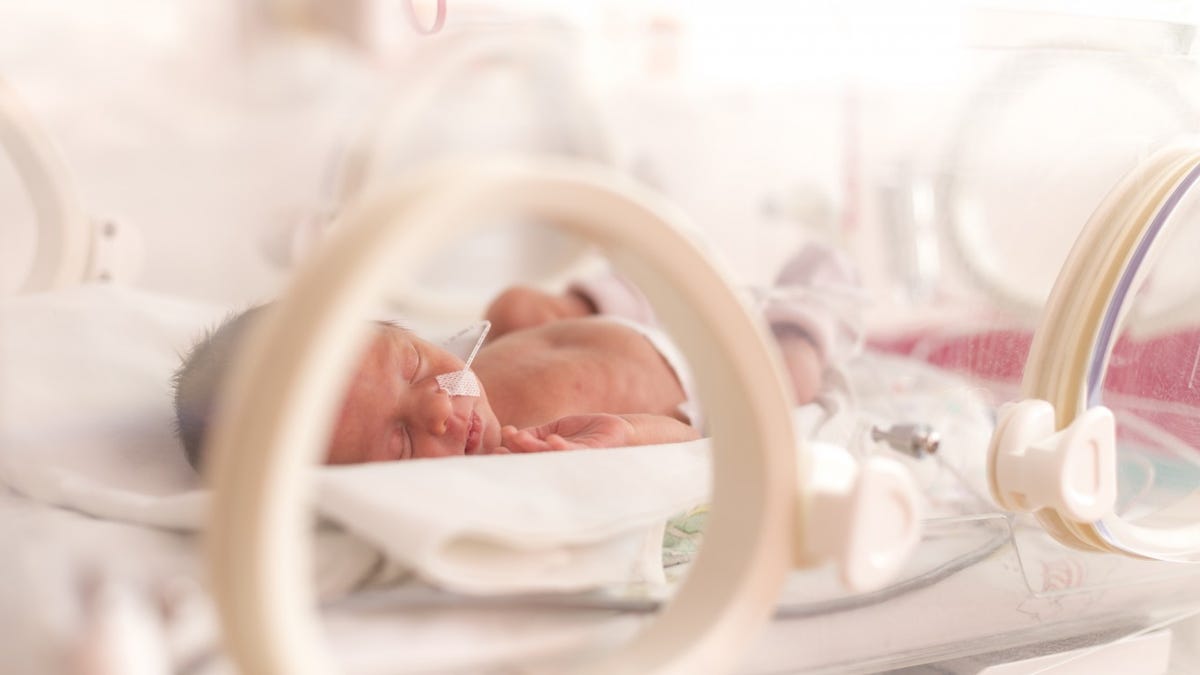
A new study published in Lancet Planetary Health suggests that chemicals commonly used in plastics are linked to tens of thousands of preterm births in the U.S. annually, leading to billions of dollars in medical costs over the affected children's lifetimes. The study highlights the need to address global plastic pollution and the potential harms of chemical substitutes. While the study does not establish a causal relationship, it adds to existing evidence and emphasizes the importance of revamping chemical regulation to protect human health. Researchers recommend reducing plastic use and opting for glass or stainless steel storage to limit exposure to these harmful chemicals.

Marijuana Use During Pregnancy Tied to Adverse Outcomes
health2 years ago

Marijuana Use During Pregnancy Tied to Adverse Outcomes

A study funded by the National Institutes of Health has found that cannabis use during pregnancy is associated with a higher risk of poor pregnancy outcomes, including low birth weight. The study analyzed urine samples from over 9,000 pregnant individuals and found that those who used cannabis had unfavorable birth outcomes at a rate of 25.9%, compared to 17.4% among non-users. The strongest association was found between low birth weight and cannabis use. The study highlights the need for better messaging about the risks of cannabis use during pregnancy and the importance of identifying pregnancy-safe alternatives for symptom management.

COVID-19 Vaccines Show Potential in Reducing Premature Births
health2 years ago

COVID-19 Vaccines Show Potential in Reducing Premature Births

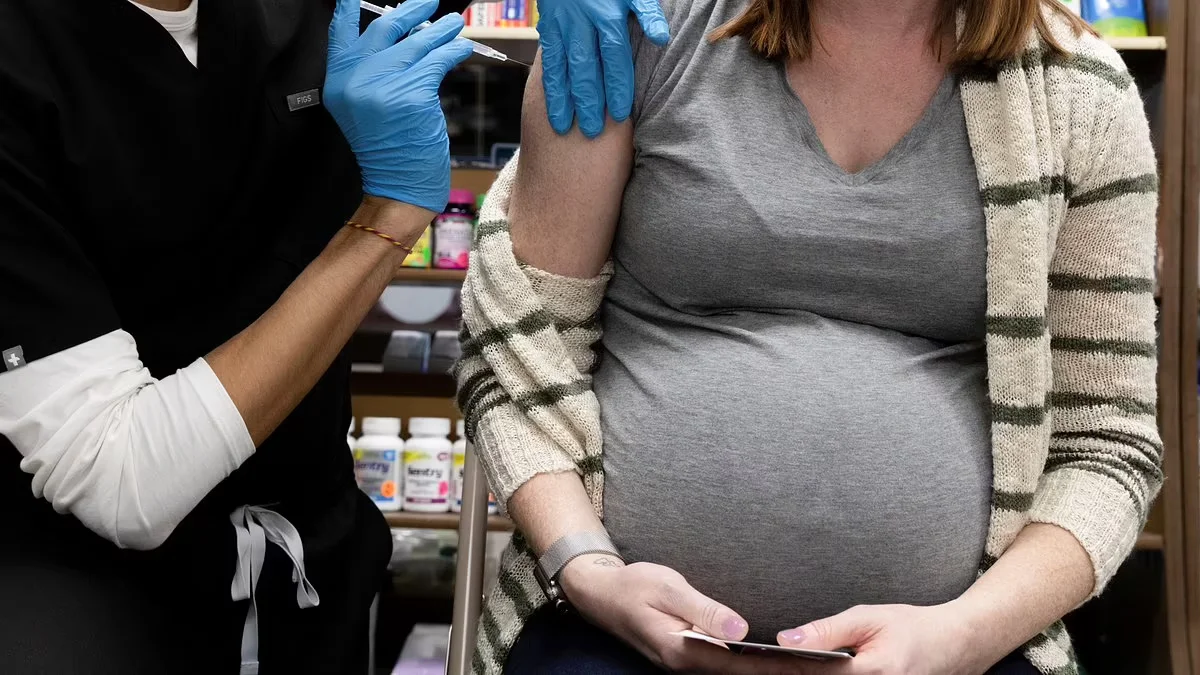
A study conducted in California suggests that Covid-19 vaccines may have prevented thousands of premature births. Researchers found a 78% decrease in preterm births among pregnant women infected with the virus after analyzing data on millions of births between 2014 and 2022. The study attributes the decrease to the vaccines priming the immune system to recognize and attack the virus, reducing the risk of severe disease. Pregnant women infected with Covid-19 had a higher risk of preterm birth due to inflammation and stress caused by the infection. The study highlights the protective effect of vaccines and suggests that early vaccination likely prevented thousands of preterm births in the US.

Saving Preemies: The Power of Delayed Cord Clamping
health2 years ago

Saving Preemies: The Power of Delayed Cord Clamping

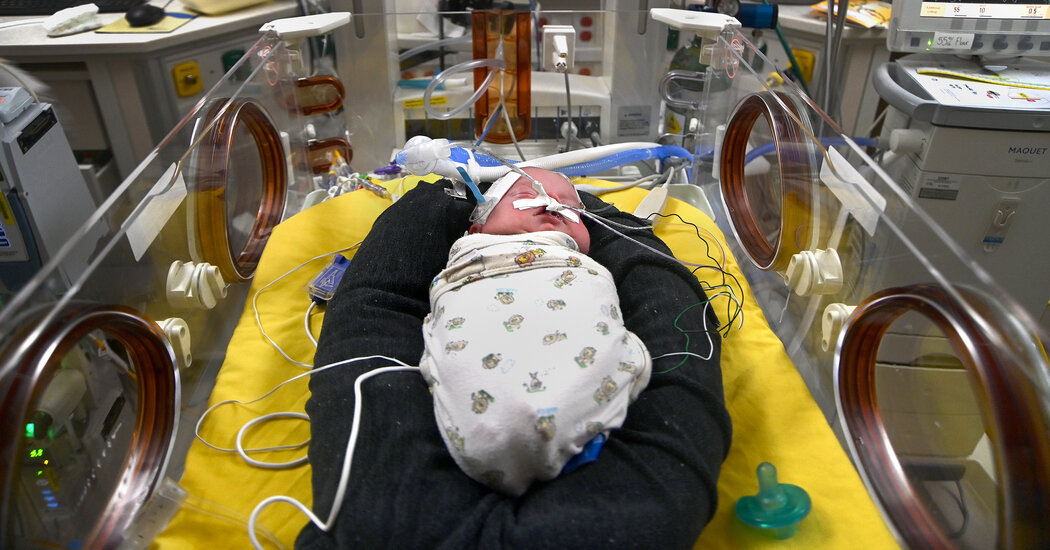
Delayed cord clamping, waiting at least two minutes after birth to clamp the umbilical cord, significantly improves in-hospital survival rates for premature infants, according to new research. This intervention allows umbilical cord blood, rich in iron, stem cells, and antibodies, to flow back to the baby. The American College of Obstetricians and Gynecologists already recommends delaying clamping by 30 to 60 seconds for both full-term and preterm newborns. The new research, published in The Lancet, analyzed studies involving thousands of babies and found that delayed cord clamping reduced in-hospital deaths of preterm newborns by one-third compared to immediate cord clamping. Implementing this low-cost intervention has the potential to save many lives, especially considering the high rates of preterm births worldwide. However, implementing a change in guidelines may be complicated, particularly for cesarean section births that require resuscitation.

"FDA Advisers Tackle Ethical and Logistical Challenges of Artificial Womb Technology"
health2 years ago

"FDA Advisers Tackle Ethical and Logistical Challenges of Artificial Womb Technology"

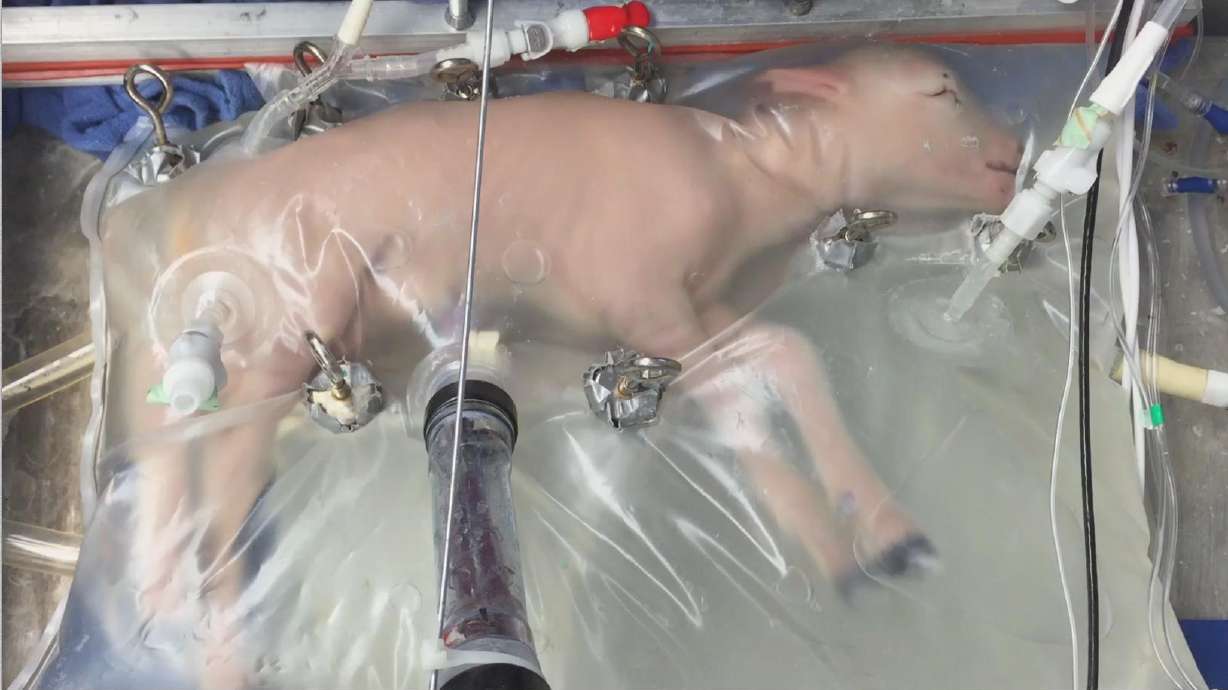
Independent advisers to the U.S. Food and Drug Administration (FDA) are discussing the regulations, ethics, and possibilities of creating an artificial womb to increase the survival chances of extremely premature babies without long-term health problems. While no such device has been tested in humans, similar ones have been used successfully in animals. Prematurity is the leading cause of death in children under 5, and an artificial womb could help address this issue. The FDA committee is considering the data and regulations required for human trials, as well as ethical considerations and long-term effects. The FDA makes its own decisions and is not bound by the advisers' recommendations.

FDA Panel Evaluates Safety and Ethics of Artificial Wombs for Preterm Births
health2 years ago

FDA Panel Evaluates Safety and Ethics of Artificial Wombs for Preterm Births

Independent advisers to the US Food and Drug Administration (FDA) are meeting to discuss the regulations, ethics, and possibilities of creating an artificial womb to increase the chances of survival for extremely premature babies without long-term health problems. Preterm births are the leading cause of death for children under the age of 5, and premature babies face a lifetime of health issues. An artificial womb could help a small number of infants born before 28 weeks of pregnancy, delivering oxygen, nutrients, and hormones to aid in their development. The FDA will consider data from animal trials and discuss regulations, ethics, and clinical considerations before potentially approving human trials.

AI predicts preterm births at 31 weeks using technology.
health2 years ago

AI predicts preterm births at 31 weeks using technology.

Researchers at Washington University in St. Louis have developed an AI model that can predict preterm births by examining electrical activity in a pregnant woman's uterus. The model was trained using electrohysterograms from 159 pregnant women and was able to predict preterm births up to the 37th week of pregnancy. The researchers suggest that EHG measurements should be used as part of regular pregnancy check-ups to allow pregnant women to seek care and make lifestyle changes to protect their babies. However, the technology may face limitations in low-resource areas due to the need for new equipment.

Abortion Bans May Increase Preterm Birth Rates, Warns Doctors
health3 years ago

Abortion Bans May Increase Preterm Birth Rates, Warns Doctors

Physicians say that roughly half of all preterm births in the US are preventable, caused by social, economic, and environmental factors, as well as inadequate access to prenatal health care. The US has a higher rate of premature births than most developed countries, with rates of 7.4% in England and Wales, 6% in France, and 5.8% in Sweden. Many maternal-fetal specialists worry that the incidence of premature birth could soon soar, with abortion now banned in at least 13 states and sharply restricted in 12 others. Black women and their infants experience far worse birth outcomes than their white counterparts, regardless of income level.

Abortion Bans Could Worsen High Rate of Preterm Births in the U.S.
health3 years ago

Abortion Bans Could Worsen High Rate of Preterm Births in the U.S.

The US has a higher rate of preterm births than most developed countries, with about 1 in 10 live births occurring prematurely. Roughly half of all preterm births are preventable, caused by social, economic, and environmental factors, as well as inadequate access to prenatal health care. Many maternal-fetal specialists worry that the incidence of premature birth could soon soar, with abortion now banned in at least 13 states and sharply restricted in 12 others. States that restrict abortion have fewer maternal care providers than states with abortion access.