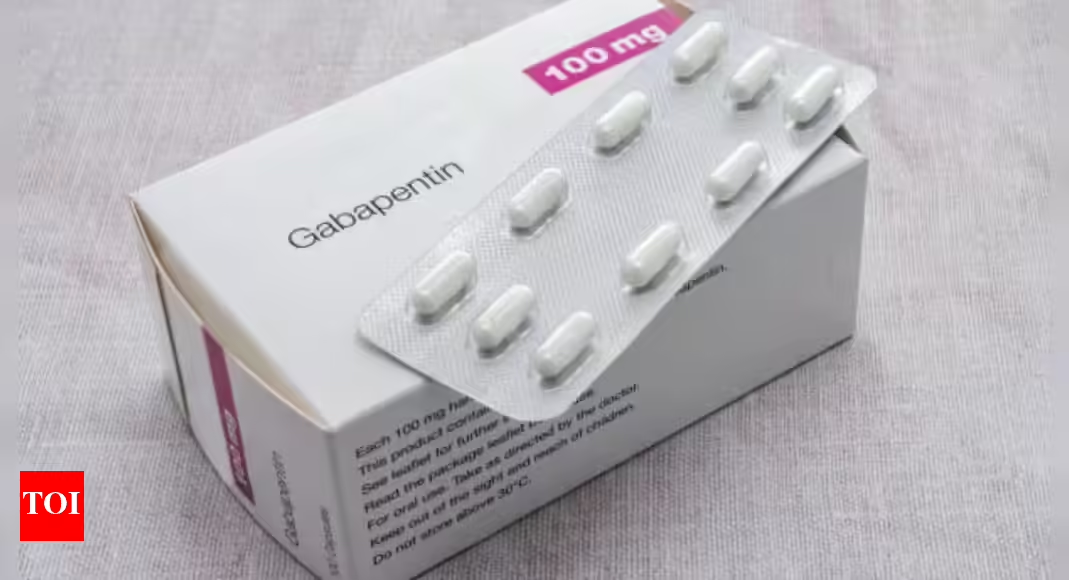
Gabapentin, a widely prescribed medication originally for seizures and nerve pain, has seen a significant rise in use, often prescribed off-label, raising concerns about its safety profile, including side effects, serious allergic reactions, breathing issues, and potential for misuse and mental health impacts. Patients and doctors should be aware of these hidden dangers and monitor for adverse symptoms.
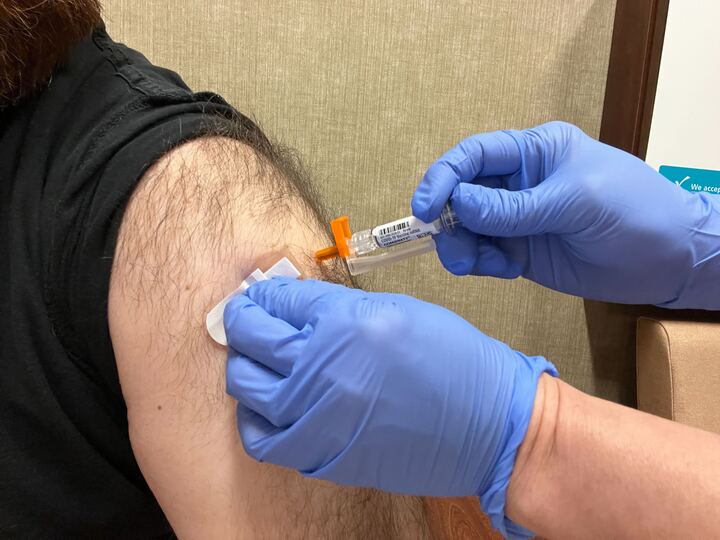
Utah has updated its COVID-19 vaccination policy, allowing all residents to receive the vaccine without a prescription, as pharmacists are now authorized to prescribe and administer it, aligning with federal guidelines. This change aims to simplify access and reduce confusion, although the policy is temporary and will expire once the CDC finalizes recommendations.
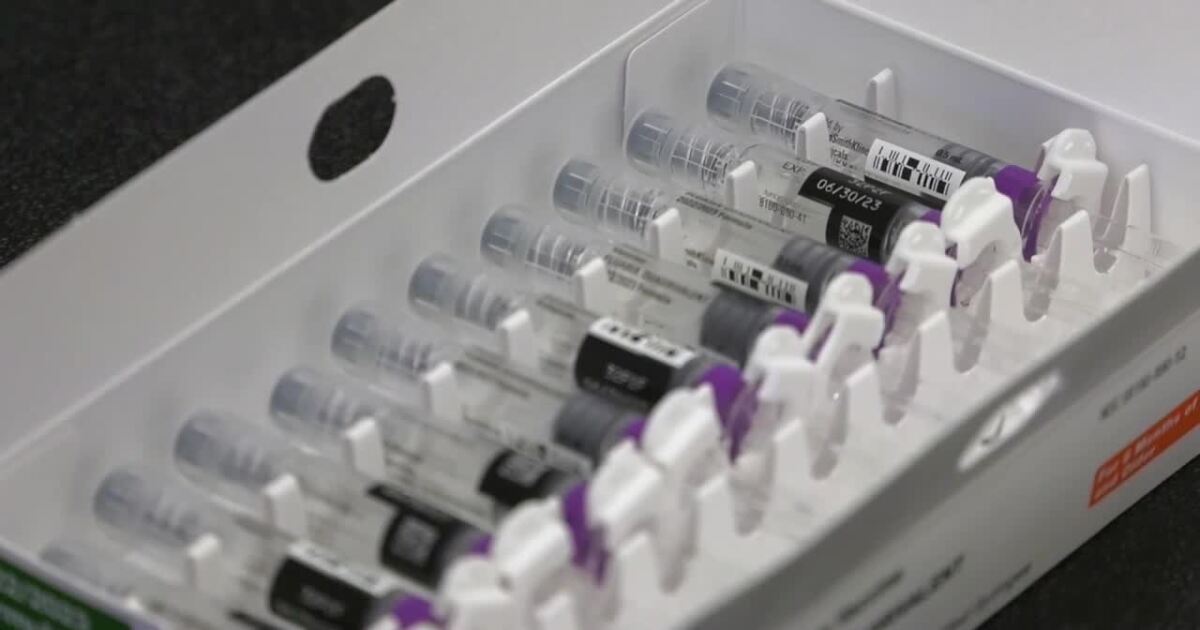
COVID-19 vaccines are becoming harder to obtain as some pharmacies now require a doctor's prescription, and the vaccines are no longer free, with costs around $225-$250 for out-of-pocket options. The availability varies by location, and the CDC is set to finalize new vaccine regulations soon.
Some pharmacies in Arlington, Virginia, including CVS and Safeway, are now offering Covid-19 vaccines without requiring a prescription, following recent regulatory changes and FDA approval, making it easier for adults to get vaccinated.
The author advocates for making statins available over the counter due to their safety, effectiveness, and importance in preventing heart attacks and strokes, arguing that this could improve access and reduce cardiovascular risk in the population.
Experts warn that ADHD medications are being prescribed too early to preschool children in the US, often within a month of diagnosis, which can lead to increased side effects and treatment failure. Current guidelines recommend behavioral therapy first, but lack of access to such therapy is leading to quicker medication use.
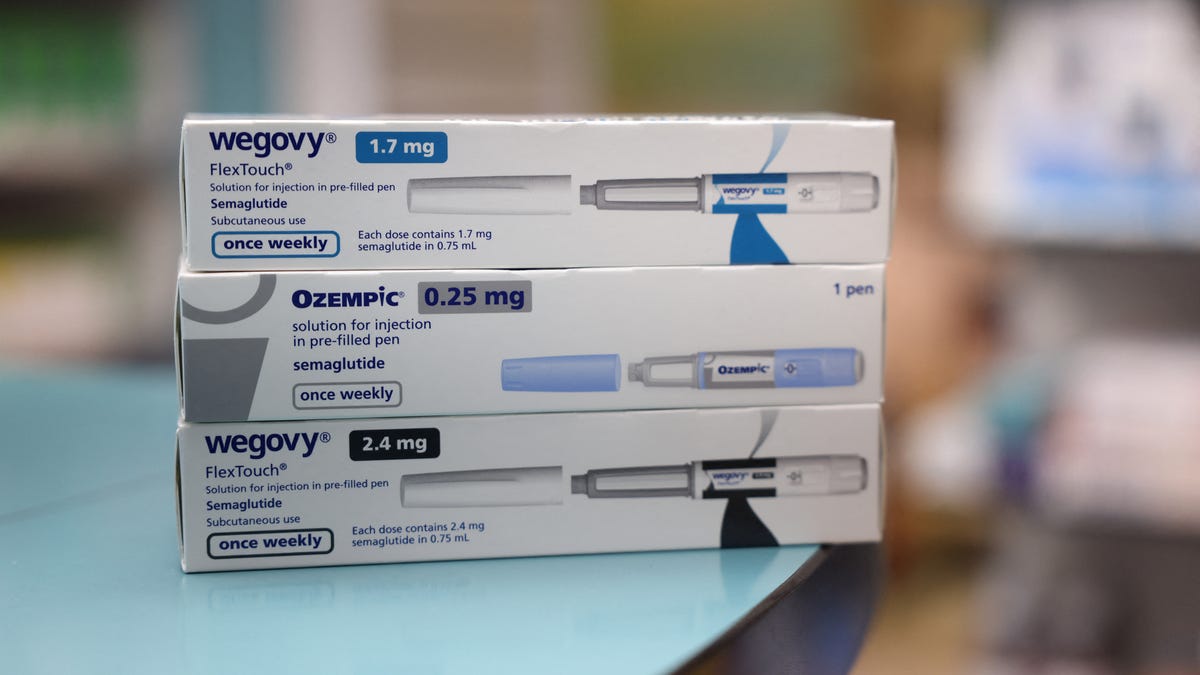
Costco is now offering its members prescriptions for weight loss drugs such as Ozempic and Wegovy through its health care partner Sesame, with a three-month subscription costing $179 for members and $195 for non-members. However, the high demand for these medications has led to shortages, with pharmaceutical companies like Eli Lilly and Novo Nordisk struggling to meet the overwhelming demand. Novo Nordisk has even acquired facilities in an $11 billion deal to address the shortage, but the gap between demand and supply is significant enough to take years to close.
A study from Johns Hopkins University School of Medicine suggests that powerful weight loss medications are not reaching those who need them most, with barriers including obtaining a prescription, finding a pharmacy with the drug in stock, and being able to afford it. Even among insured patients, only 2.3% were prescribed a weight loss drug, with factors such as cost, prior authorization, and discomfort discussing obesity with patients contributing to the low prescription rates. Disparities were also apparent, with white adults more likely to receive a prescription than Asian or Black adults, despite higher rates of severe obesity and hypertension among Black adults. Experts emphasize the need for more physician training in obesity medicine and addressing the complex barriers beyond insurance coverage to ensure equitable access to weight loss drugs.
A study from Johns Hopkins University School of Medicine reveals that powerful weight loss medications are not reaching those who need them most, with barriers including obtaining a prescription, finding a pharmacy with the drug in stock, and being able to afford it. Even among insured patients, only 2.3% were prescribed a weight loss drug, with factors such as cost, prior authorization, and discomfort in discussing obesity with patients contributing to the low prescription rates. Disparities were also apparent, with white adults more likely to receive a prescription than Asian or Black adults, despite higher rates of severe obesity and hypertension among the latter. Experts emphasize the need for more physician training in obesity medicine and addressing the complex barriers beyond insurance coverage to ensure equitable access to weight loss drugs.
A cyberattack on Change Healthcare, impacting prescription refills at pharmacies nationwide, has left hospitals and pharmacies unable to process prescriptions, with the outage expected to last through Friday. UnitedHealth suspects a foreign government was behind the attack and has disconnected its Change Healthcare systems. Concerns about the impact on patients needing timely medications and the need for increased vigilance in cybersecurity have been raised, while CVS states there is no indication their systems have been compromised.
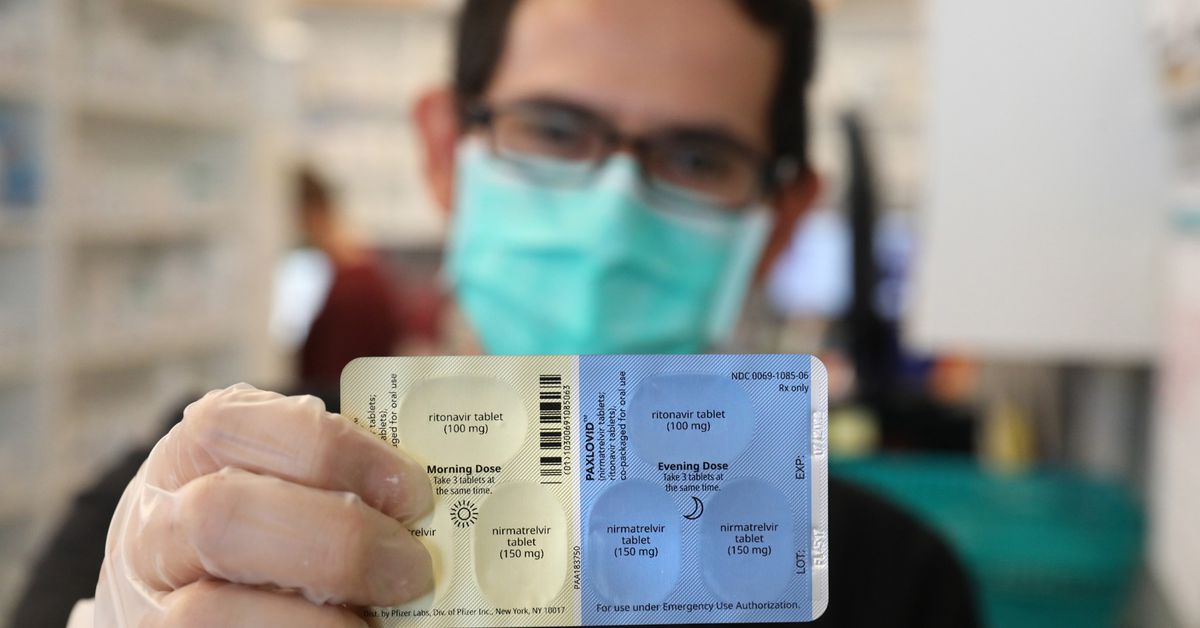
Paxlovid, an antiviral medication, has shown promising results in reducing the risk of long Covid symptoms among eligible individuals. However, doctors are not widely prescribing it due to concerns about drug interactions and its limited approval for vulnerable populations. Data suggests that only a third of eligible patients are being prescribed Paxlovid. Some long Covid patients regret not taking the medication, as they continue to experience debilitating symptoms. Doctors may not prioritize long Covid as a primary risk factor when deciding to prescribe Paxlovid, focusing instead on preventing hospitalization. Concerns about side effects and potential symptom rebounds also contribute to the hesitancy. However, experts believe that Paxlovid could be a potential treatment option for long Covid and may even improve symptoms for those already struggling with the condition. Further research is being conducted to evaluate its efficacy in this regard.
A 77-year-old man has been arrested in The Villages, a large retirement community in central Florida, for purchasing over $1,800 worth of erectile dysfunction drugs without a prescription and allegedly intending to sell them within the community and elsewhere. The man has pleaded not guilty to the misdemeanor charge and could face up to a year in federal prison and a fine of up to $10,000 if convicted. The Villages has been the subject of rumors regarding the sex lives of its residents, but a report last year indicated lower rates of sexually transmitted diseases in the area compared to the rest of Florida.
There is a growing debate about whether more young, healthy individuals should be prescribed Paxlovid, the most effective antiviral medication for treating outpatient COVID-19 infections. Currently, Paxlovid is recommended for high-risk individuals, such as those over 65 or with certain chronic medical conditions. However, there is evidence suggesting that the drug could have benefits for healthier people, including shortening the course of illness, reducing transmissibility, and lowering the risk of long COVID. While there is no large clinical trial specifically studying the benefits of Paxlovid in low-risk individuals, preliminary data and smaller studies indicate that the drug could be beneficial in this population. Some experts argue that even a one-day reduction in symptoms could be meaningful for individuals, and prescribing Paxlovid off-label to low-risk patients could be justified.
A new study conducted across 12 states in the US provided "produce prescriptions" to patients struggling with health conditions such as diabetes, obesity, and high blood pressure. The study found that providing vouchers for fruits and vegetables led to significant improvements in blood pressure and blood sugar levels. However, once the program ended and the patients' SNAP rewards were cut, the positive results reversed. Researchers emphasize the need for persistent benefits and compare the impact of healthy food to that of prescribed medications.
Programs like DC Greens' Produce RX, which provides prescriptions for healthy foods to low-income individuals with diet-related chronic illnesses, are helping improve access to nutritious food and overall health outcomes. A recent study found that participants in such programs experienced increased consumption of fruits and vegetables, as well as improvements in blood pressure, obesity, and blood sugar. By providing prepaid debit cards for purchasing fresh produce, these programs not only address affordability barriers but also alleviate financial stress for families. The approach of prescribing fresh food as medicine is proving to be more effective and appealing to patients than traditional medications.