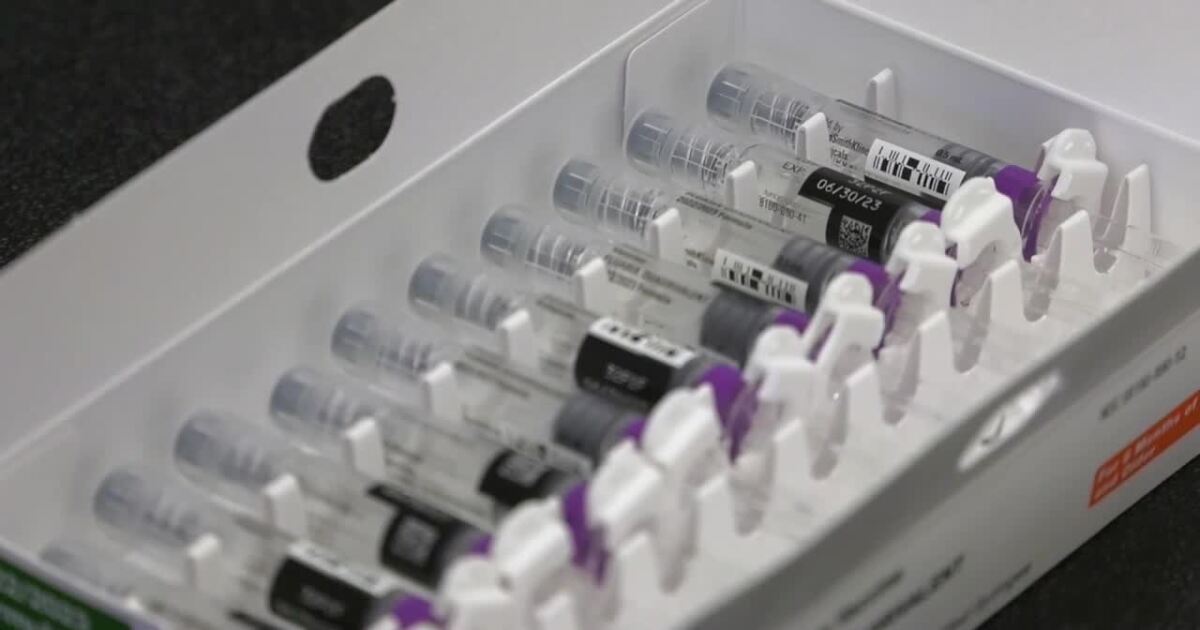
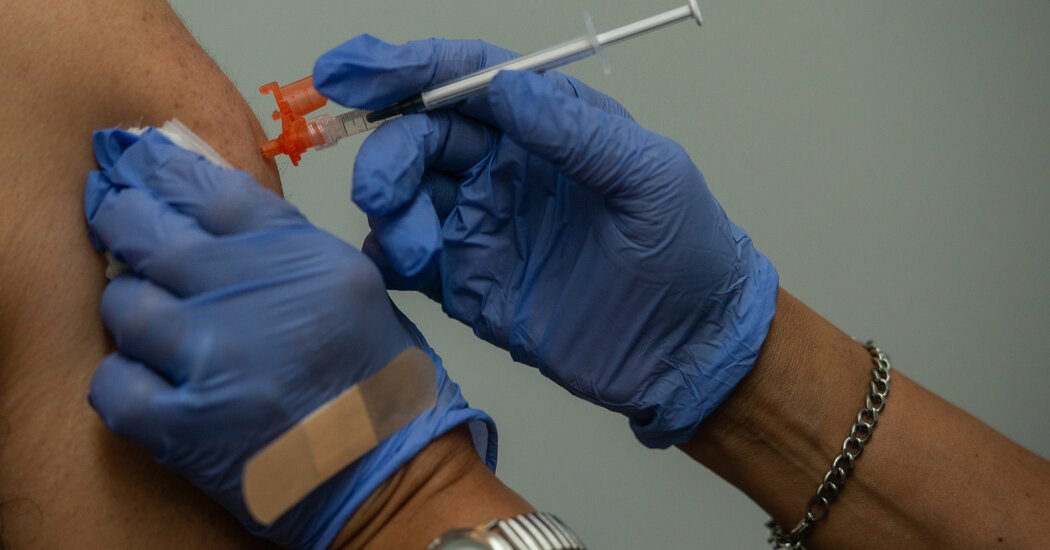
Starting October 1, 2025, pharmacists in North Carolina will be authorized to test and treat influenza at retail locations, increasing access to care, especially for high-risk individuals, through standing orders issued by the state's health department.
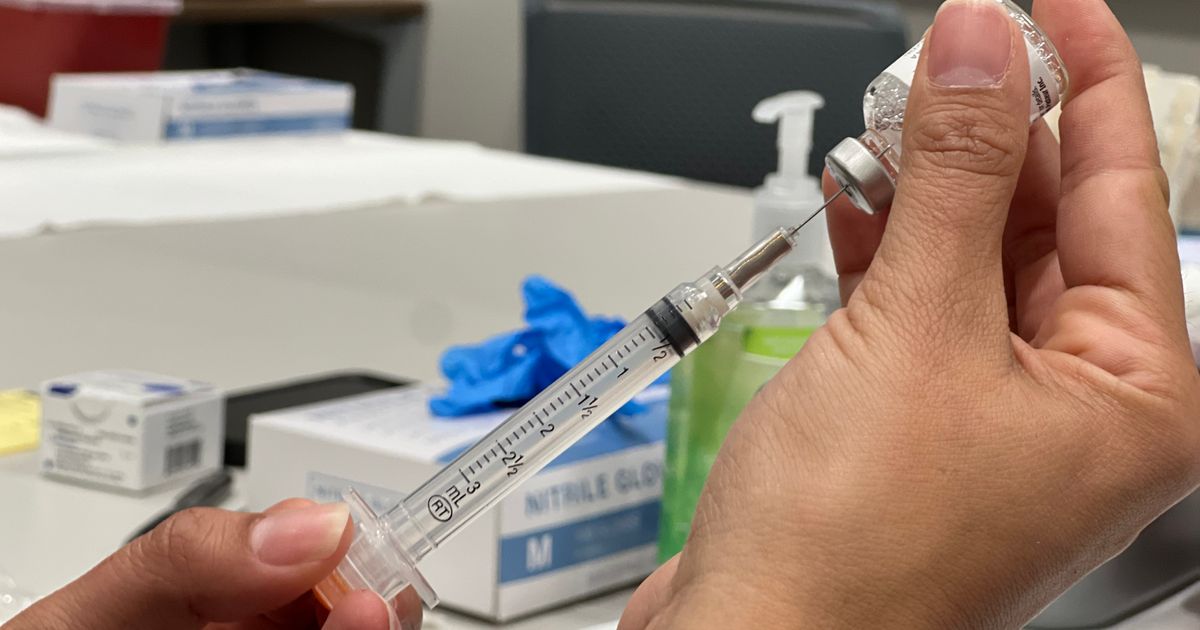
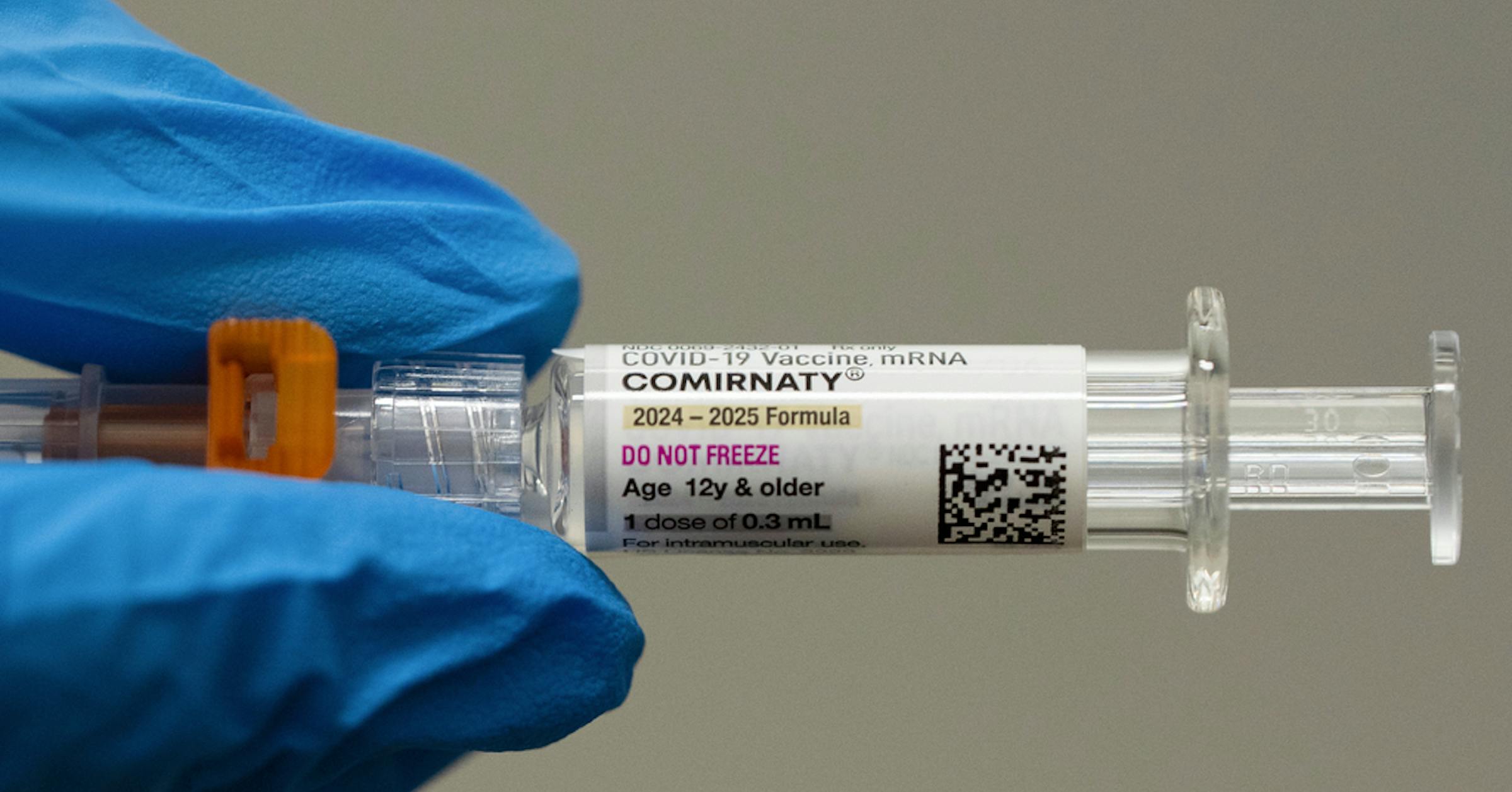
Utah has updated its COVID-19 vaccination policy, allowing all residents to receive the vaccine without a prescription, as pharmacists are now authorized to prescribe and administer it, aligning with federal guidelines. This change aims to simplify access and reduce confusion, although the policy is temporary and will expire once the CDC finalizes recommendations.
A North Carolina law intended to expand COVID vaccine access by allowing pharmacists to administer vaccines recommended by the ACIP has been hindered by recent changes in the ACIP's composition and recommendations, leading to confusion and restrictions on vaccine availability. The law's original goal was to improve access, but recent political and administrative actions have delayed or limited vaccine distribution through pharmacists, with lawmakers not responding to inquiries about potential amendments.
Minnesota has issued a standing order allowing pharmacists to administer COVID-19 vaccines to anyone 12 and older, diverging from federal recommendations, to improve vaccine access amid waning public interest and ongoing COVID-19 risks.
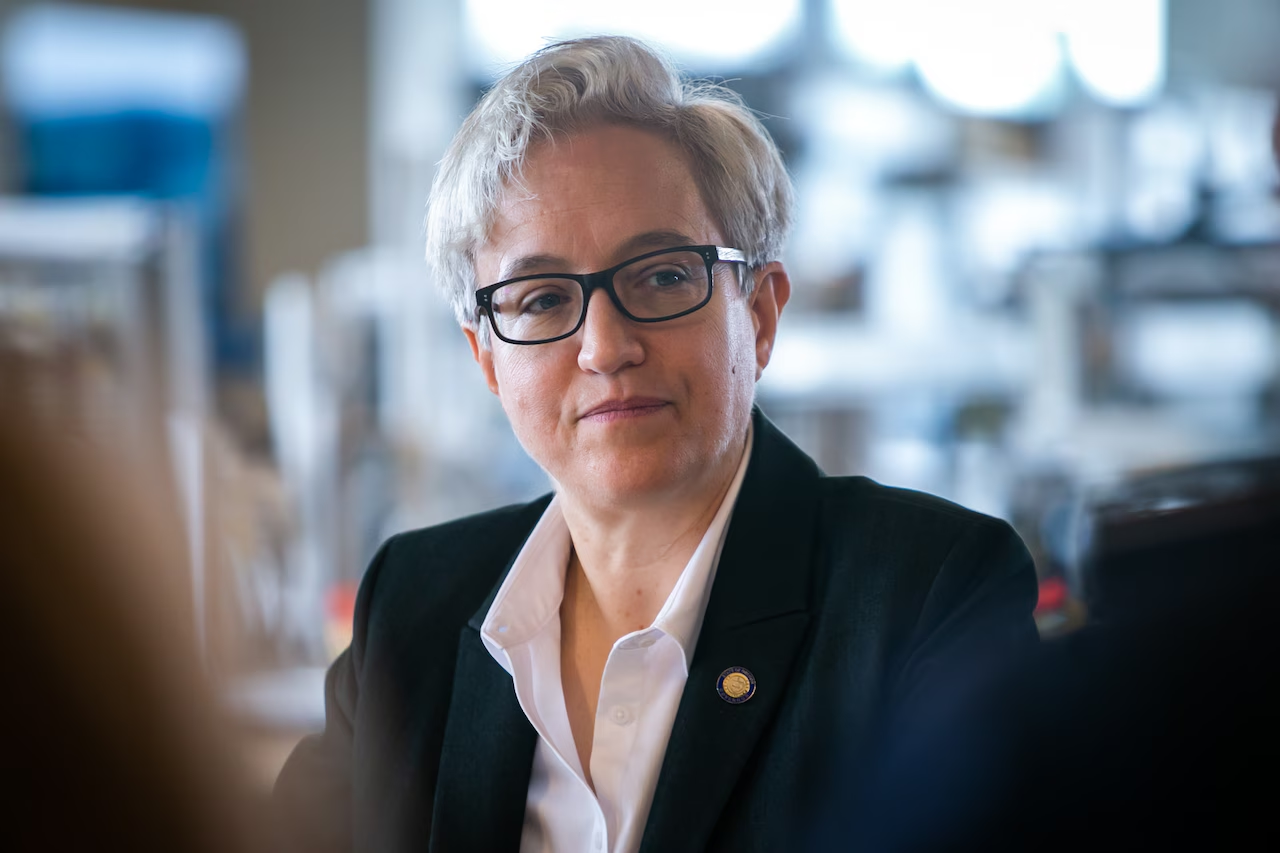
Oregon is facing challenges in providing easy COVID-19 vaccine access due to lack of a standing order for pharmacists to administer shots without prescriptions, unlike some other states. Governor Tina Kotek is working on solutions amid federal policy restrictions and local regulatory hurdles, with frustration mounting among healthcare providers and patients.
The Department of Consumer Protection in Connecticut has issued guidance for pharmacists on the ordering, prescribing, and administering of the 2025-2026 seasonal COVID-19 vaccine, noting that until updated CDC instructions are available, pharmacists should use the 2024-2025 guidelines. Pharmacists can continue to administer all FDA-approved COVID-19 vaccines to adults 18 and older, including off-label use, and may do so with a prescription from a healthcare provider.
Minnesota is taking steps to ensure continued access to COVID-19 vaccines despite potential federal policy changes, with pharmacists authorized to vaccinate independently and insurers affirming coverage, amid some logistical challenges and ongoing debates over vaccine guidance and safety.
New York Governor Kathy Hochul plans to sign an executive order allowing pharmacists to provide Covid vaccines to almost anyone without a prescription, bypassing federal restrictions that limit vaccine access to certain groups, in an effort to increase vaccination rates amid political and regulatory challenges.
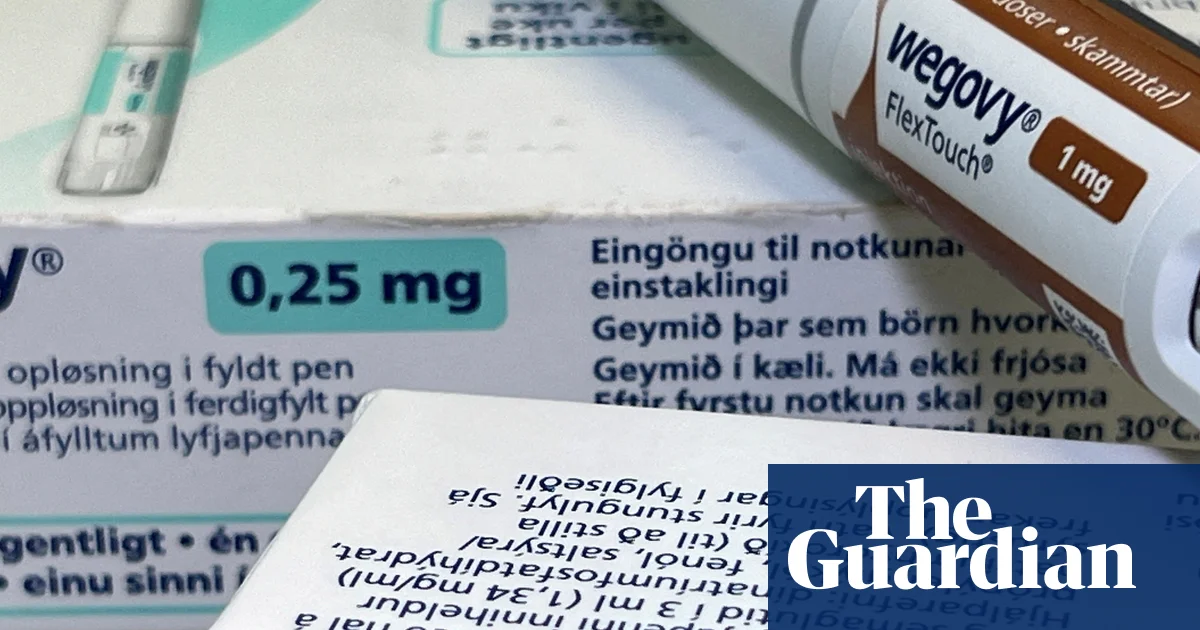
Demand for weight loss drugs like Wegovy and Mounjaro in the UK is soaring, risking supply shortages and encouraging unregulated online purchases. Pharmacists warn that the demand may soon outstrip supply, leading to potential misuse and emphasizing the need to prioritize those most in need. The UK government plans to expand access to these drugs, with pharmacists playing a key role in managing distribution and ensuring safety.
Pharmacists in the UK warn of a severe shortage of Creon, a vital enzyme replacement therapy for pancreatic cancer and other conditions, affecting over 61,000 patients. The shortage has led to patients skipping meals and experiencing increased stress, with experts predicting the issue may persist into next year. The Department of Health attributes the supply issues to European-wide manufacturing constraints and is working to mitigate the impact, but concerns remain about the adequacy of current management strategies.
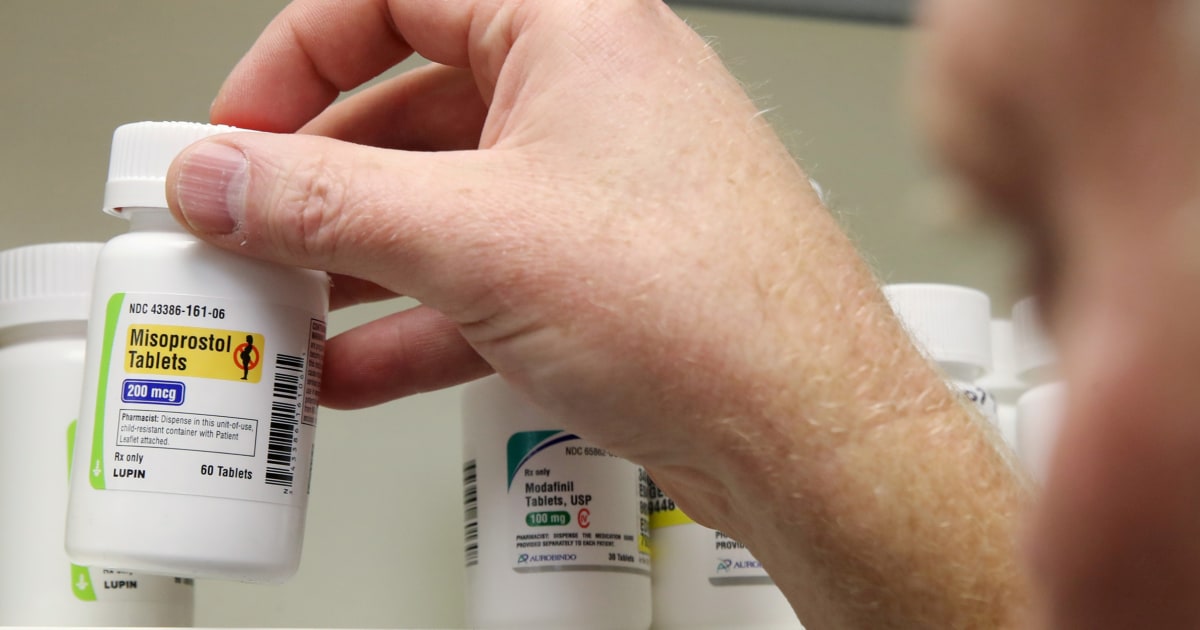
In states with strict abortion bans, pharmacists face uncertainty and fear of legal action when dispensing misoprostol, a drug used for abortions as well as other medical purposes. The overturning of Roe v. Wade has led to confusion and distress for both pharmacists and patients, with some pharmacists refusing to prescribe misoprostol due to legal concerns. Women have experienced delays in accessing prescribed medications, including misoprostol, even when not seeking abortions, highlighting the impact of these laws on healthcare access.
The US is experiencing a record number of drug shortages, with 323 active shortages in the first quarter of the year, including critical medications like chemotherapy drugs and emergency hospital medications. The shortages are driven by economic factors and extreme price competition among generic manufacturers. The American Society of Health-System Pharmacists is advocating for federal legislation to address the root causes of the issue, while the Department of Health and Human Services has published a white paper recommending ways Congress can assist with the problem.
The United States is experiencing a record high of 323 active medication shortages, affecting various drug classes including generic sterile injectable medications, cancer chemotherapy drugs, and ADHD medications. This has led to devastating effects on patients, with some hospitals and clinics reporting complete depletion of certain medications. The American Society of Health-System Pharmacists (ASHP) is working with the federal government to address the root causes of these shortages and advocate for solutions to alleviate the crisis.
The U.S. is experiencing a record number of drug shortages, with 323 active shortages in the first quarter of the year, including life-saving chemotherapy drugs and emergency medications. The shortages are driven by economic factors and extreme price competition among generic manufacturers, leading to challenges in manufacturing capacity, quality, and supply chain reliability. The American Society of Health-System Pharmacists is calling for federal action to address the root cause of the issue, while the Department of Health and Human Services has published a white paper recommending ways Congress can assist with the problem.
Pharmacists warn of a growing number of drug shortages in the U.S., with 323 active medication shortages in the first three months of 2024, the highest since 2014. Shortages affect all drug classes, with particular concern for generic sterile injectable medications, including cancer chemotherapy drugs and emergency medications. Adderall, used for ADHD, remains in short supply despite efforts to increase production, with factors including increased demand during the pandemic and manufacturing constraints. Experts attribute shortages to demand outstripping supplies, manufacturing constraints, and disruptions in supply lines for raw materials.