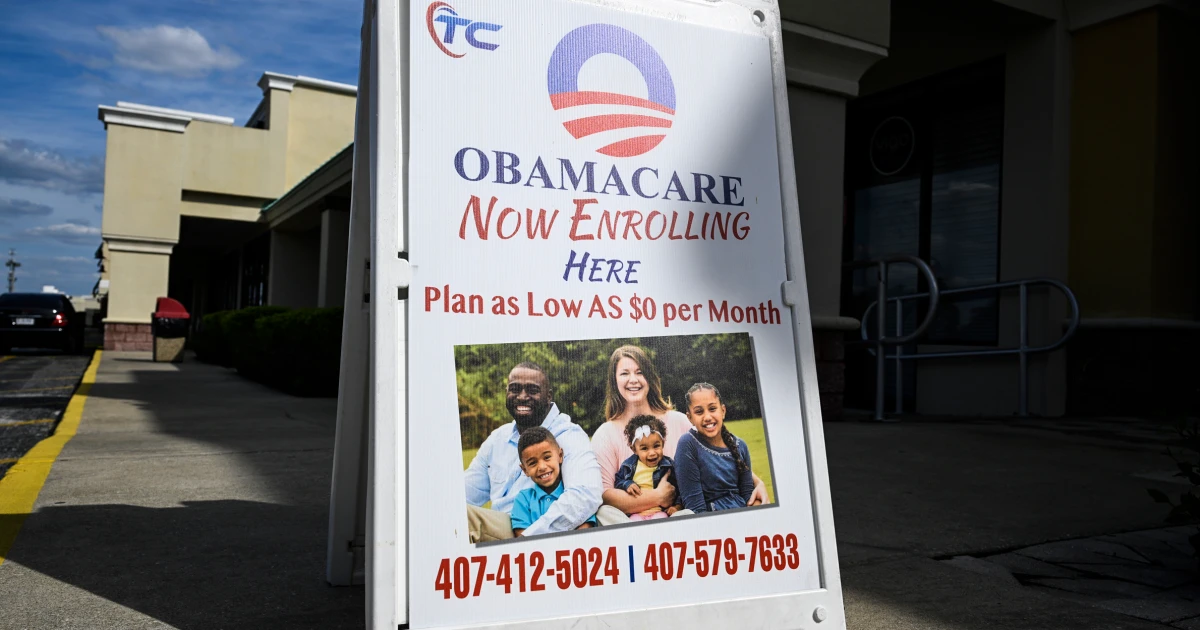
Health insurance premiums are expected to rise significantly in 2026 due to rising healthcare costs, drug prices, and the loss of federal subsidies, impacting millions of Americans and increasing political debate around healthcare affordability.
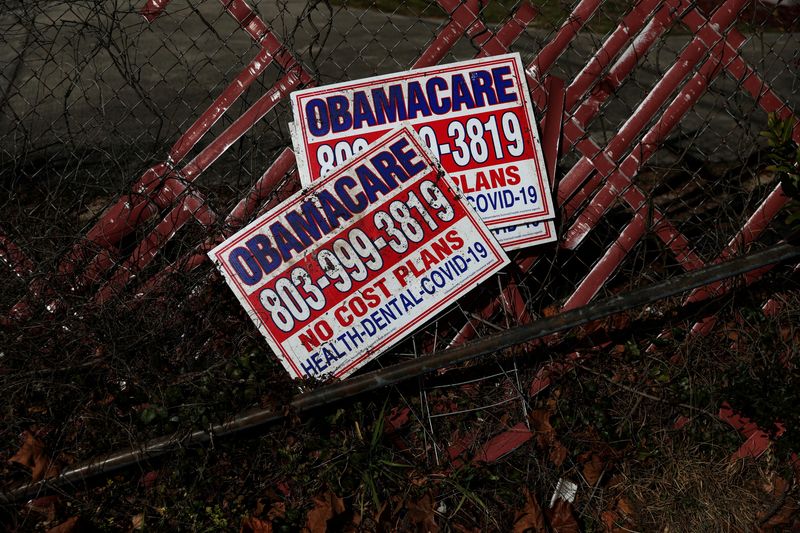
Americans shopping for 2026 Obamacare plans face over 100% premium increases on average due to expiring COVID-19 subsidies, leading to potential declines in enrollment and increased uninsured rates, especially in states with limited Medicaid coverage, amidst ongoing government shutdown and political debates.
Medicare recipients should review their 2026 drug plans now during the open enrollment period, as some plans are significantly increasing premiums, which could raise annual costs by thousands of dollars, prompting many to seek more affordable options.
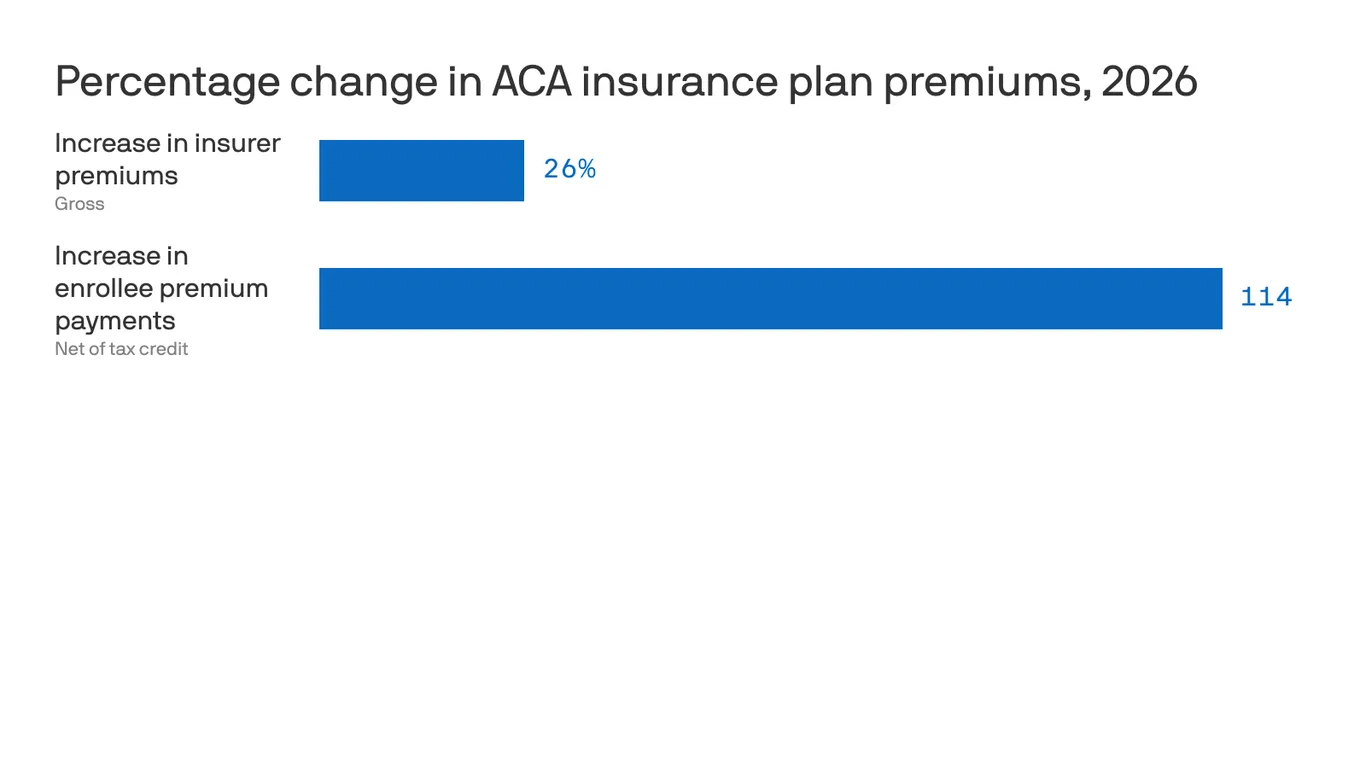
Premiums for Obamacare are set to increase significantly in 2026, with average hikes of 26-30%, and the expiration of enhanced subsidies will cause many enrollees' costs to more than double, potentially leading to decreased sign-ups and increased uninsured rates.
Average Obamacare premiums are expected to rise by 30% next year, the largest increase in recent years, affecting up to 17 million Americans on the federal marketplace, with costs potentially doubling or tripling for some in 2026 due to the expiration of pandemic-era subsidies and rising healthcare costs.
Rising premiums due to the expiration of ACA subsidies are prompting many Americans, like Ginny Murray and D'nelle Dowis, to consider dropping their health insurance, risking financial hardship in case of serious illness, as the cost of coverage becomes increasingly unaffordable for the middle class.
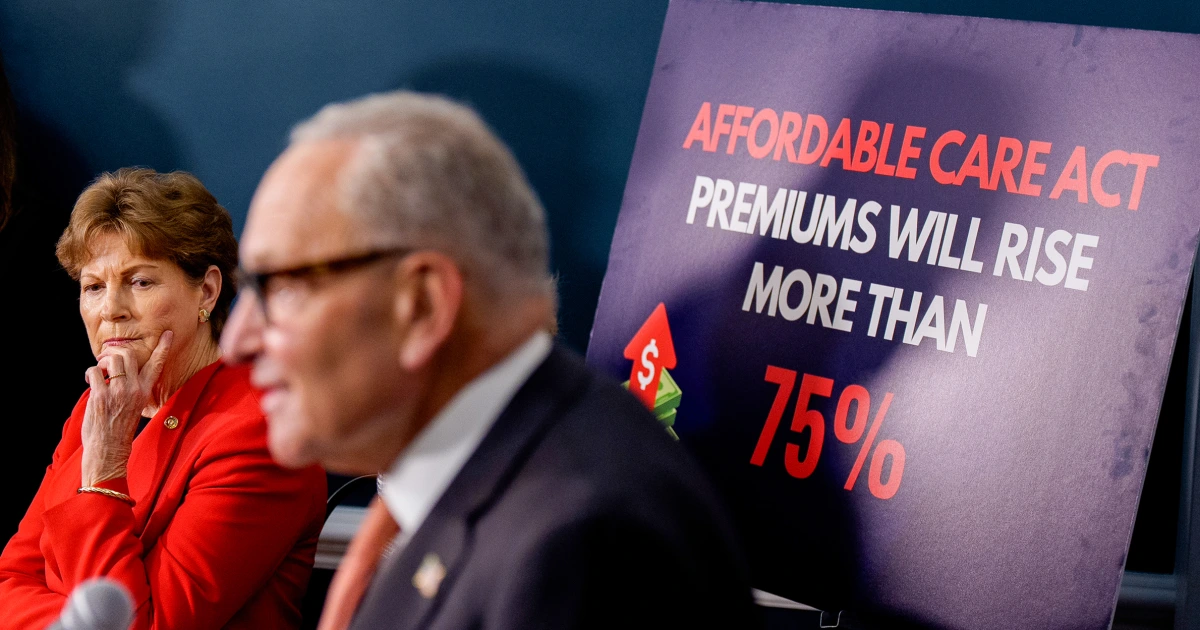
If Congress does not renew enhanced ACA subsidies by the end of the year, premiums for millions of enrollees could increase by 114%, significantly impacting affordability and coverage, with Democrats urging action to prevent this rise amid ongoing political negotiations.
Employers are preparing for the steepest rise in health benefit costs in 15 years for 2026, with workers expected to pay 6-7% more on premiums, often offset by higher deductibles and copays, driven by increased healthcare prices, higher utilization, and specific cost drivers like cancer treatments and expensive drugs.
The cost of health insurance through the ACA is expected to rise significantly in 2026 due to the expiration of subsidies and proposed premium hikes, potentially making coverage less affordable for millions.
Health insurers are planning to raise premiums next year due to tariffs increasing costs for drugs and medical products, adding uncertainty to healthcare costs amid ongoing policy debates and economic factors.
Surging auto insurance premiums, driven by factors such as increased car prices, supply chain disruptions, high demand, and a shortage of mechanics, are contributing to high inflation and financial strain on U.S. households. The cost of auto insurance rose 2.6% in March, bringing the total annual gain to 22.2% – the fastest yearly rate on record. Car insurance companies are also trying to make up for steep losses incurred in 2021, which saw a sharp rise in fatal car accidents. The burden of inflation is disproportionately impacting low-income Americans, who are forced to pay more for everyday necessities.
Home insurance costs in the U.S. have surged, particularly in states prone to climate-related disasters, with Florida leading the pack at an average of $9,213 annually. Insurers are increasingly withdrawing coverage from high-risk areas, impacting both home and car insurance. To lower premiums, homeowners can disaster-proof their homes by taking preventive measures and consider relocating to lower-risk states. Comparing quotes from multiple insurance providers is recommended to find the best coverage and rates.
US home insurance rates are projected to reach a record high of $2,522 by the end of 2024, with some states facing premiums as high as $12,000 due to escalating natural disasters, insurers pulling out of certain areas, and higher fees for home repairs. Florida and Louisiana are among the worst affected, with premiums expected to rise by 7% and 23% respectively. Climate change is increasing the severity and frequency of extreme weather events, leading to a surge in insurance costs and making some high-risk areas potentially uninsurable.
California's insurance commissioner, Ricardo Lara, has responded to State Farm's decision to not renew over 70,000 insurance policies in the state, calling it a "real crisis." He aims to examine the company's finances while balancing the need to keep them in California. Consumer Watchdog advocates for new laws requiring insurance companies to sell to everyone who does the right thing and protect their homes. Lara's plan involves changing insurance models to assess risk better and lower rates for those who protect their homes, and he urges affected policyholders to notify the California Department of Insurance for assistance in transitioning to other insurers.
New technology in cars is sending data to insurance companies, causing insurance premiums to skyrocket, according to New York Times reporter Kashmir Hill in an interview with CNN's Kasie Hunt.