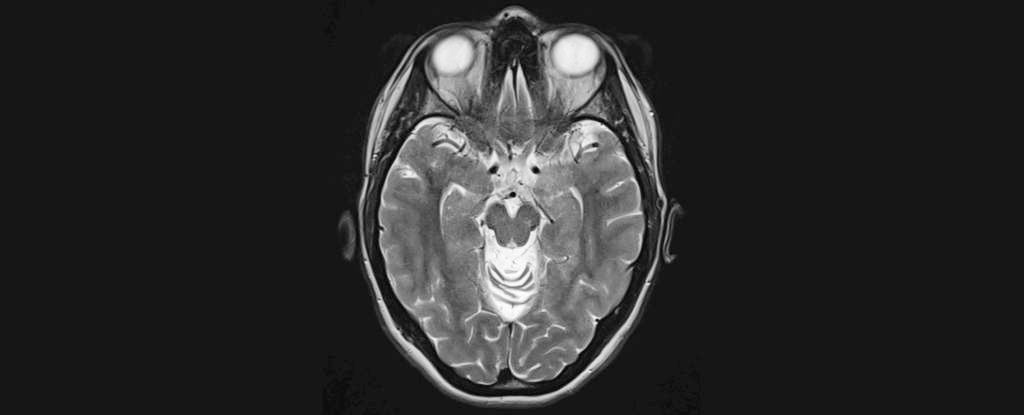
Researchers have developed a tool to predict the next five years of cognitive decline in Alzheimer's patients, offering hope for better prognosis and treatment planning. The model, based on MRI scans, biomarkers, and cognitive test scores, can help inform patients and caregivers about disease progression, although predictions can vary. The study, published in Neurology, aims to refine these models for more accurate future predictions.
NIH researchers have developed an AI tool, LORIS, that uses routine clinical data to predict cancer patients' responses to immune checkpoint inhibitors, potentially improving treatment decisions. The model, which includes factors like age, cancer type, and blood markers, was validated using data from 2,881 patients and is publicly available for further clinical evaluation.
Chinese scientists have used a massive database and AI to identify proteins linked to the risk of developing dementia, creating a predictive model to assess disease risk up to 15 years before symptoms start. By analyzing blood samples from over 50,000 people, the team found proteins that began changing in expression up to a decade before clinical onset of dementia. Their AI algorithm, combined with demographic information, shows promise in accurately predicting future dementia, offering potential cost benefits compared to current screening methods. The study, while limited in diversity and scope, provides clues for new treatments and intervention strategies, with ongoing research on other brain-related conditions.
NASA has developed an AI model named DAGGER that can predict the severity and direction of a solar storm event in under a second and can make a prediction every minute. DAGGER can perform its quick prediction logic for the entire Earth's surface area, making it a considerable step forward in predicting and accurately responding to potential hazards from solar storms. DAGGER is launching on an open source platform just in time to collect plenty of data as the Sun ramps up to the peak of its 11-year solar cycle in 2025.
Researchers from Carnegie Mellon University, Florida International University, and Santa Clara University have developed a machine learning model that predicts strokes with 84% precision, outperforming existing scales that miss as many as 30% of strokes. The model incorporates variables routinely collected by healthcare providers and payers, including basic demographics, the number of chronic conditions, and insurance. The study's authors suggest that it is possible to predict the likelihood of a patient's condition being a stroke at the time of hospital presentation, based on patients' demographics and social determinants of health available at the time of entry.
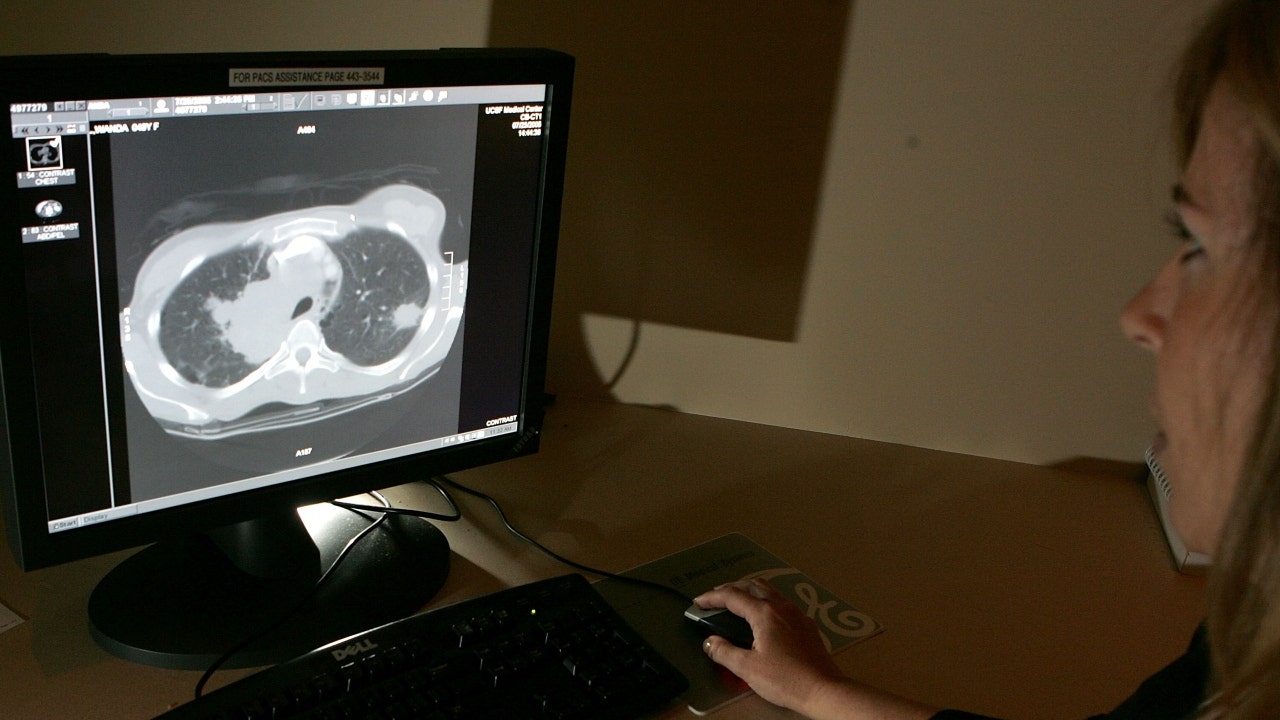
Researchers from MIT, Harvard Medical School, and Massachusetts General Hospital have developed an AI model called Sybil that can predict an individual's future lung cancer risk with up to 94% accuracy using only a single low-dose CT scan. The model was trained using scans from the National Lung Screening Trial and can run in real-time on a radiology reading station. Lung cancer screening programs are underdeveloped in regions of the US hardest hit by lung cancer, and Sybil was able to find where the cancer was when humans couldn't see it.