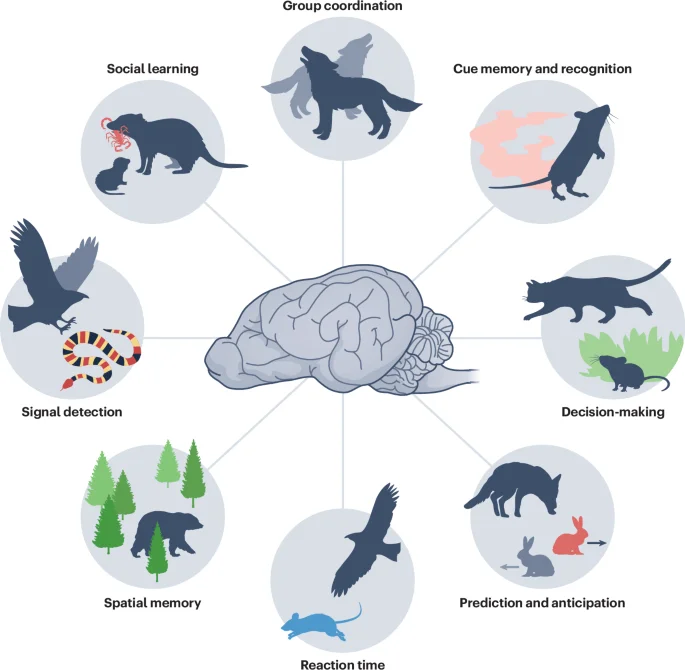
A Nature Reviews Biodiversity Perspective proposes the predatory intelligence hypothesis (PIH): predator–prey interactions drive cognitive variation and co-evolution, with reciprocal enhancements across cognitive traits, along with testable predictions and suggested directions for future research.
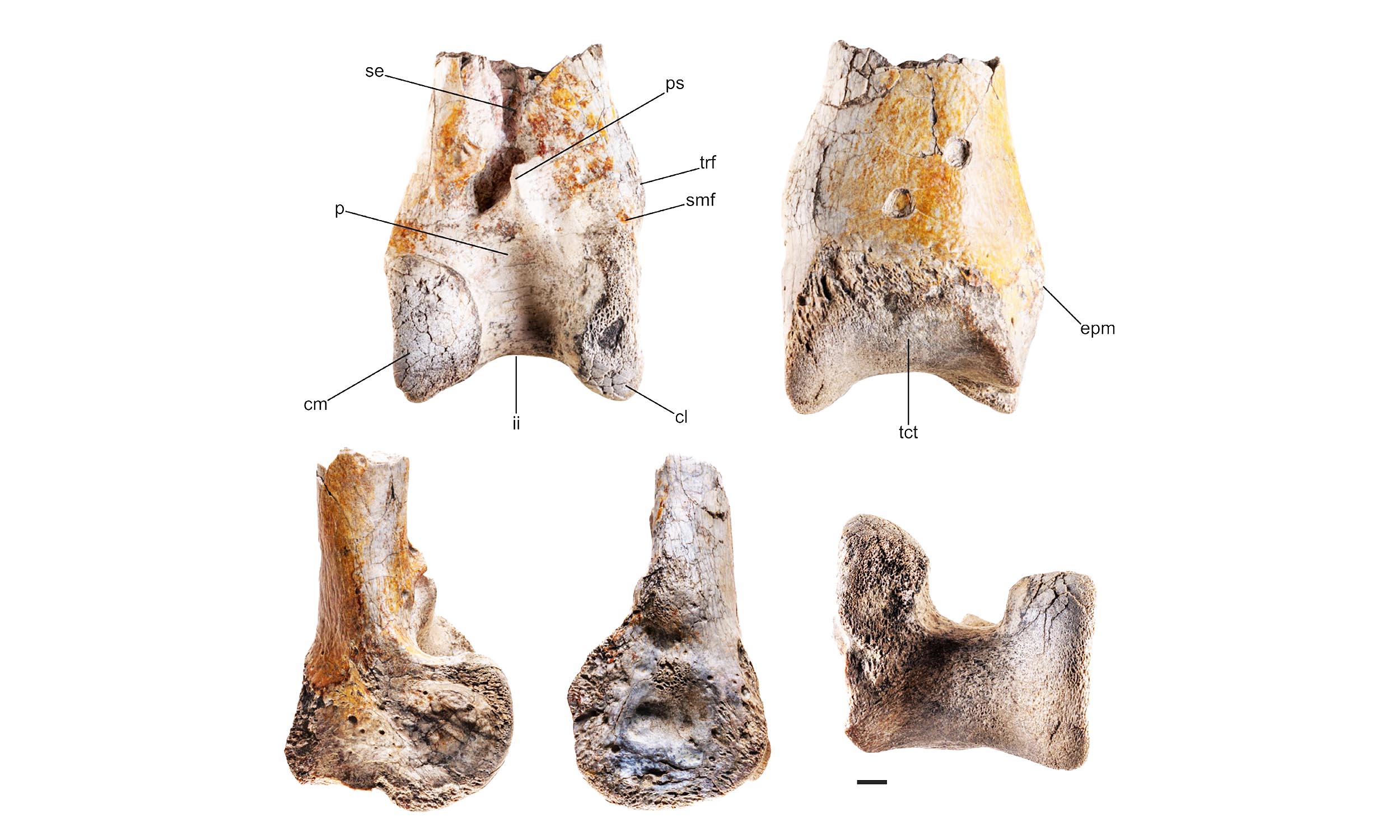
Scientists discovered a 12-million-year-old leg bone of a giant, flightless predator called a terror bird in Colombia, revealing it was larger than previously known and expanding understanding of Miocene ecosystems in South America, including predator interactions with crocodilians.
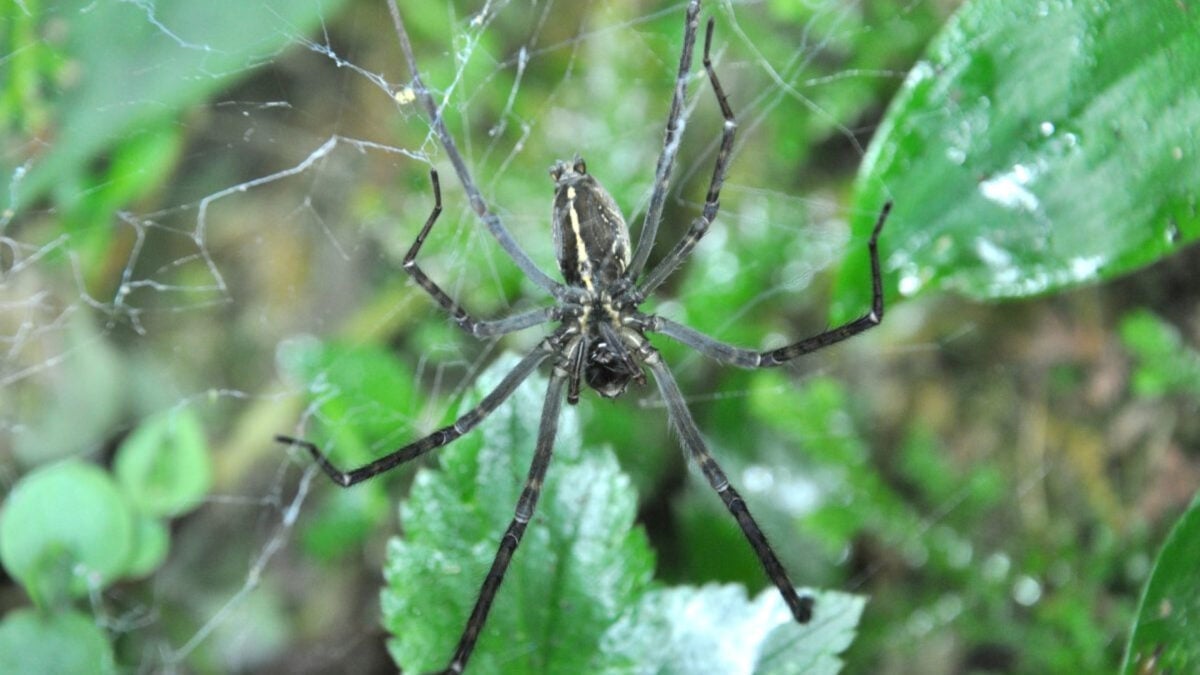
Researchers discovered that sheetweb spiders exploit firefly luminescence to attract prey, using artificial lights resembling fireflies to increase their catch, suggesting an evolved predatory strategy that leverages firefly signals, although ethical and practical challenges prevent direct testing with real fireflies.
A solitary killer whale has been filmed hunting and killing a great white shark off the coast of South Africa in an "unprecedented" and "astonishing" attack, showcasing the exceptional predatory skills of orcas. This behavior raises questions about the impact of killer whale predation on shark populations and the wider marine ecosystem, with potential repercussions for other species. Scientists believe that human activities, such as climate change and industrial fishing, may be influencing these interactions, and there are concerns about the health effects on killer whales from consuming toxins and metals found in shark flesh.
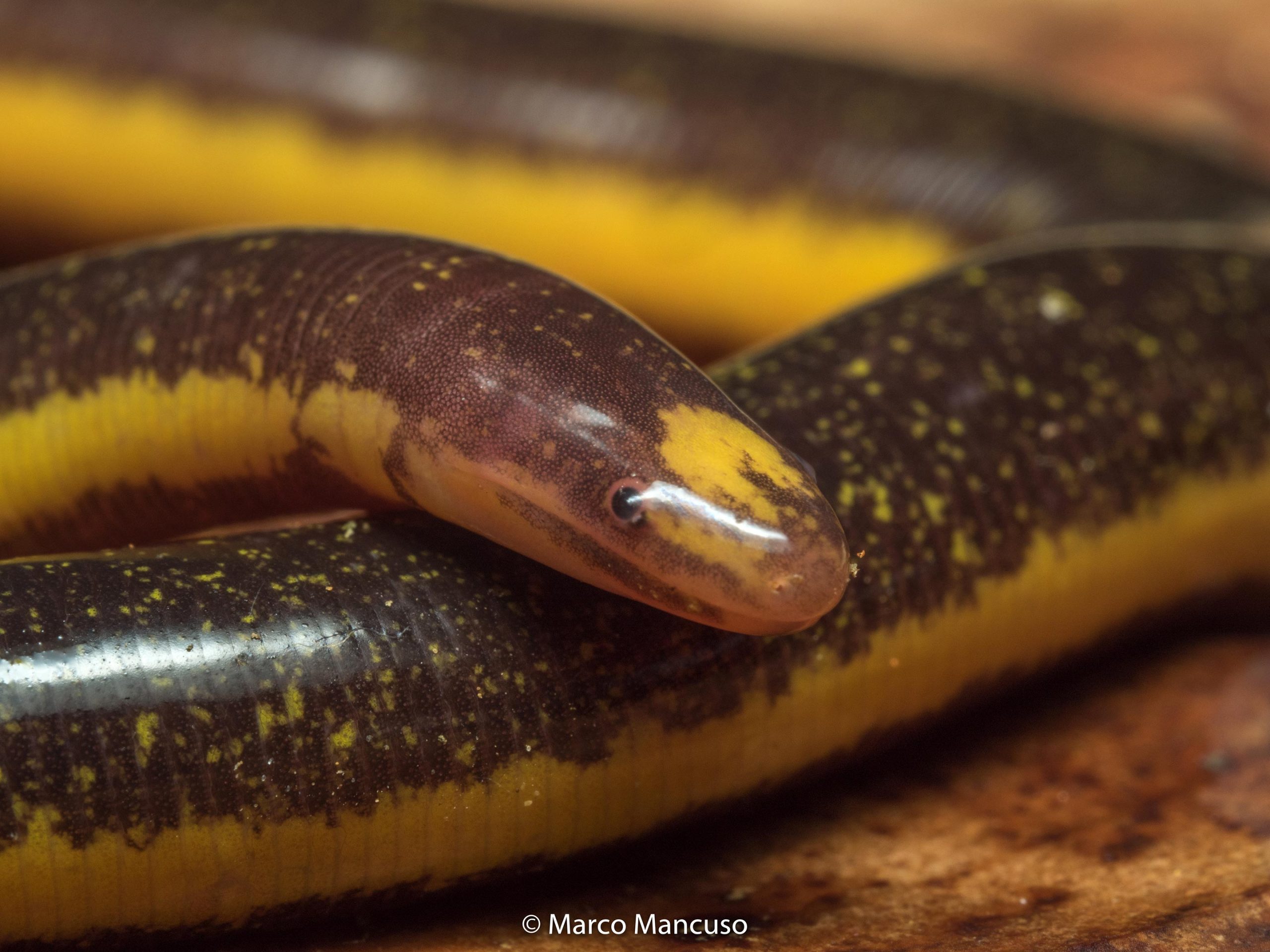
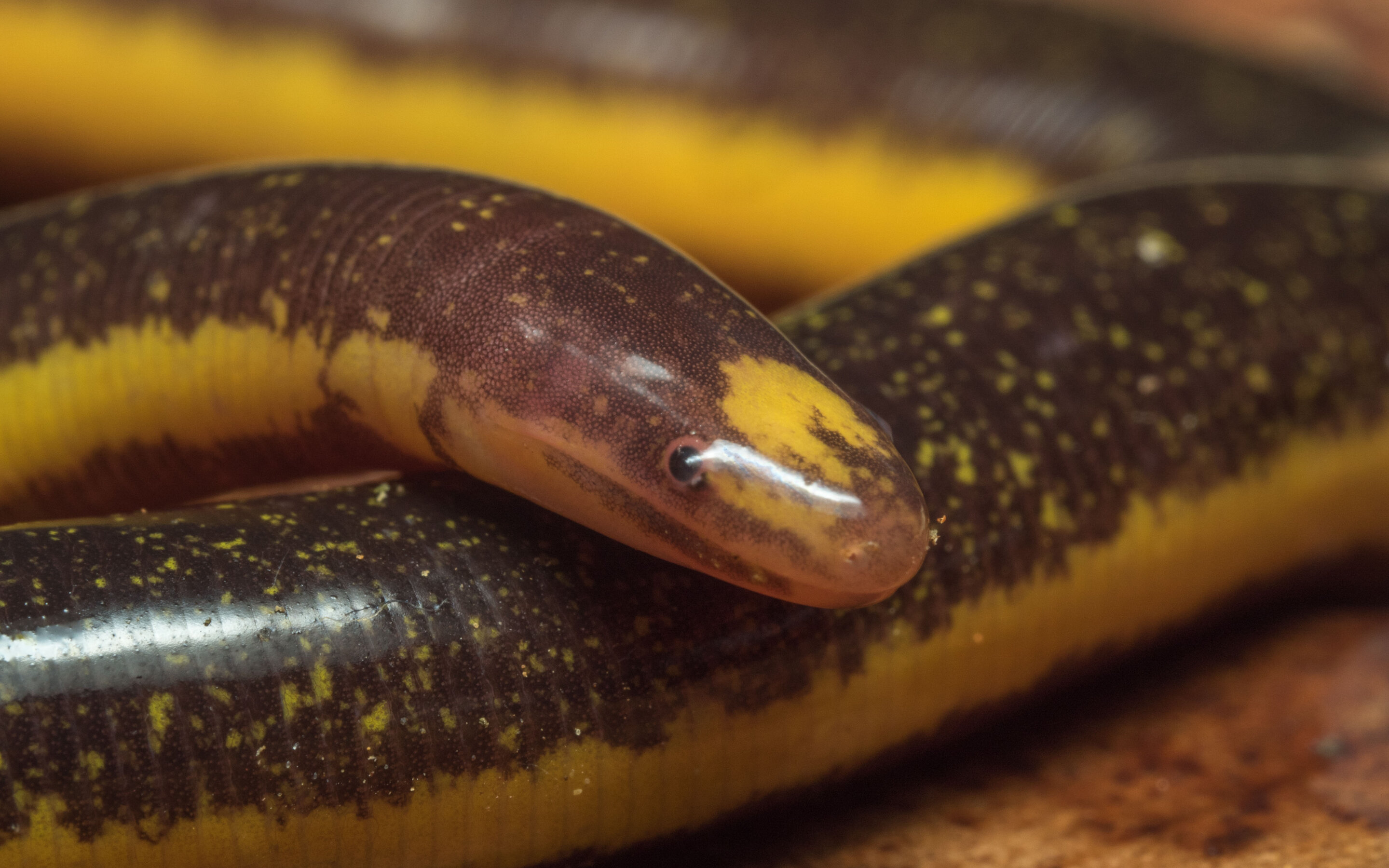
Researchers have discovered exceptional venom resistance in caecilians, a species of legless amphibians, believed to be an evolutionary response to predation by venomous elapid snakes. This resistance, developed through three unique biological mechanisms, provides a fascinating insight into predator-prey evolutionary dynamics. The study found that caecilians have evolved resistance to elapid snake venom neurotoxins at least 15 times, which is unprecedented. The caecilians achieved this resistance through the deployment of barricades, changes in receptor shape, and an electromagnetic "weapon" that repels the toxins. While the findings may not have direct human benefits, they contribute to our understanding of evolutionary interactions and can inspire the next generation of scientists.
Researchers have discovered that caecilians, legless amphibians, have developed unprecedented resistance to snake venom. The rise of elapid snakes, such as cobras and coral snakes, posed a significant threat to caecilians, which were easy prey. However, caecilians evolved multiple ways to fight back, including blocking toxins from reaching receptors, changing the shape of receptors, and using electromagnetic repulsion. The study, which involved sequencing a part of the neuromuscular receptor, found that resistance to elapid snake venom neurotoxins has evolved at least 15 times. This research provides insights into predator-prey interactions and showcases an important evolutionary phenomenon.