A study of 60,000-year-old ostrich eggshell engravings from southern Africa reveals highly organized geometric patterns, suggesting early humans possessed abstract spatial thinking and planning skills well before written language, challenging views of prehistoric cognitive development.
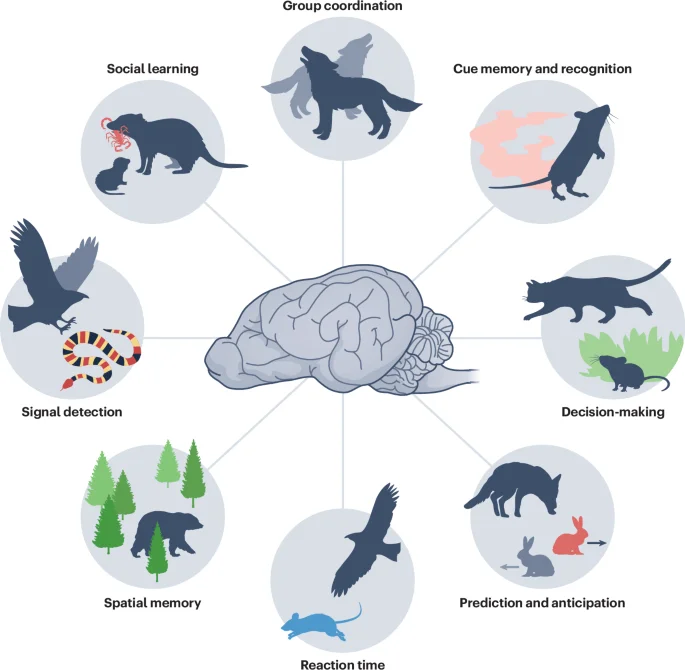
A Nature Reviews Biodiversity Perspective proposes the predatory intelligence hypothesis (PIH): predator–prey interactions drive cognitive variation and co-evolution, with reciprocal enhancements across cognitive traits, along with testable predictions and suggested directions for future research.
A study of jackdaw colonies in Cornwall has revealed that these highly gregarious birds readily switch friends to gain food rewards but stick with family members, including offspring, siblings, and mating partners, even if it means going hungry. The research involved presenting the birds with a task where access to mealworms depended on specific individuals visiting together. While the jackdaws quickly adjusted their social associations to maximize rewards, they maintained their close relationships with family members. The study sheds light on how animals manage social relationships and suggests that the ability to track and remember information about social partners can bring benefits.
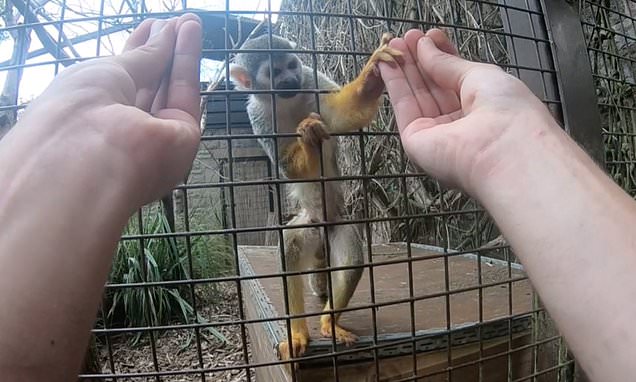
A new study by psychologists from the University of Cambridge has found that deceptive magic tricks only fool monkeys who have opposable thumbs, as a magician needs to have similar anatomy to their audience. The researchers performed a famous magic trick called the French drop on 24 monkeys including capuchins and marmosets, which both have opposable thumbs but with differing dexterity, and marmosets, who don't have opposable thumbs. Analysis revealed monkeys with opposable thumbs were fooled more than 80 per cent of the time by assuming the hidden thumb had grabbed the treat and choosing the wrong hand, while monkeys without opposable thumbs were fooled just 6 per cent of the time.