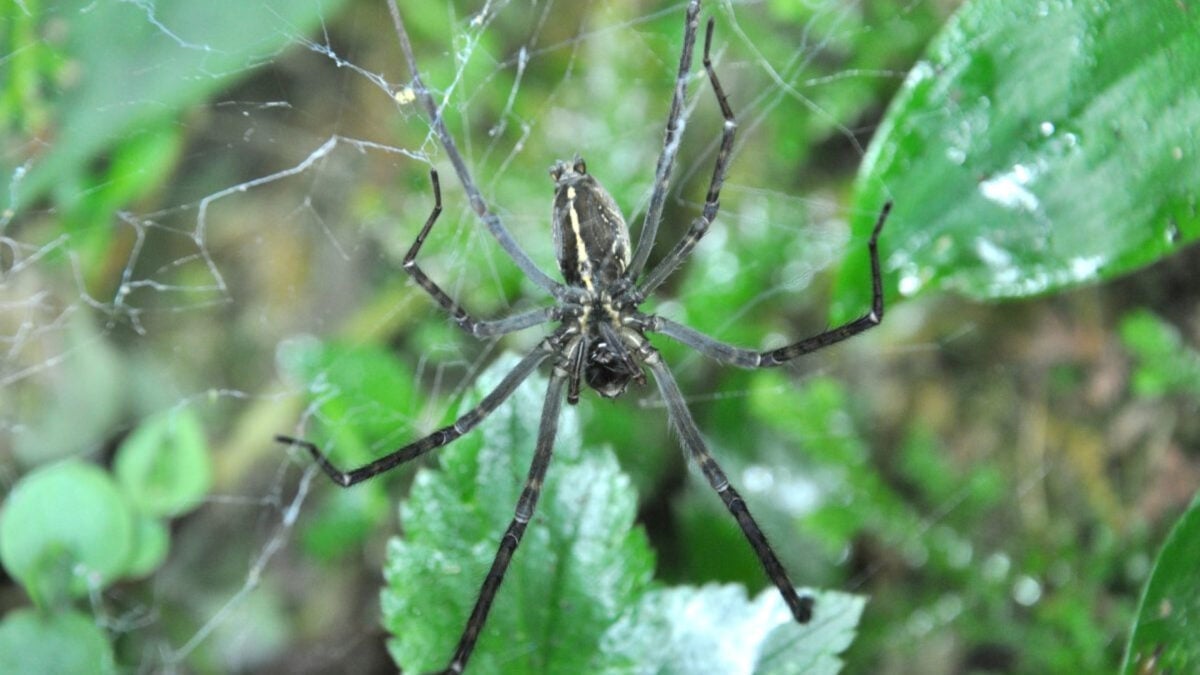
Researchers discovered that sheetweb spiders exploit firefly luminescence to attract prey, using artificial lights resembling fireflies to increase their catch, suggesting an evolved predatory strategy that leverages firefly signals, although ethical and practical challenges prevent direct testing with real fireflies.
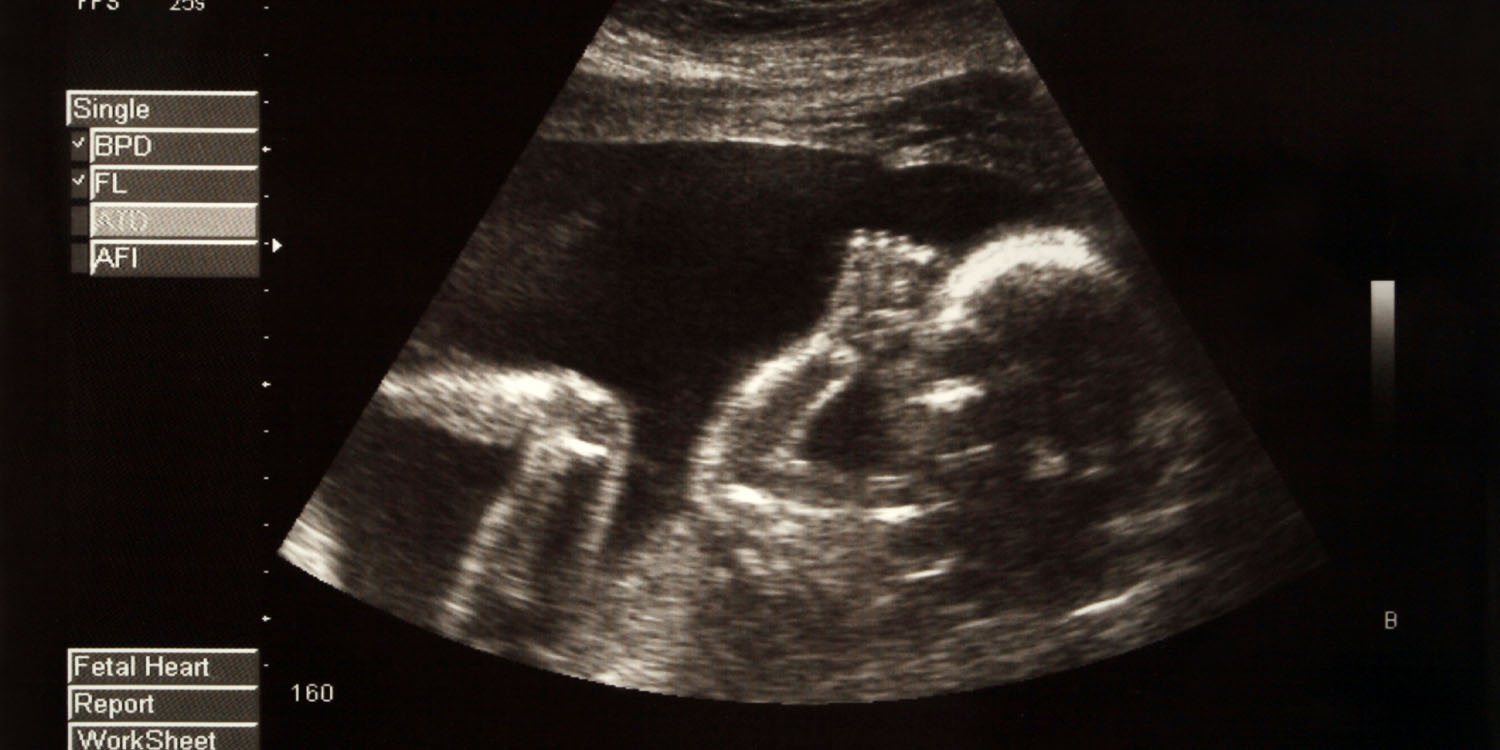
A study found that pregnant women, especially those not married, tend to claim their fetus resembles the father, possibly as an evolutionary strategy to reduce paternity uncertainty and secure paternal investment, with variations based on relationship status and gender.
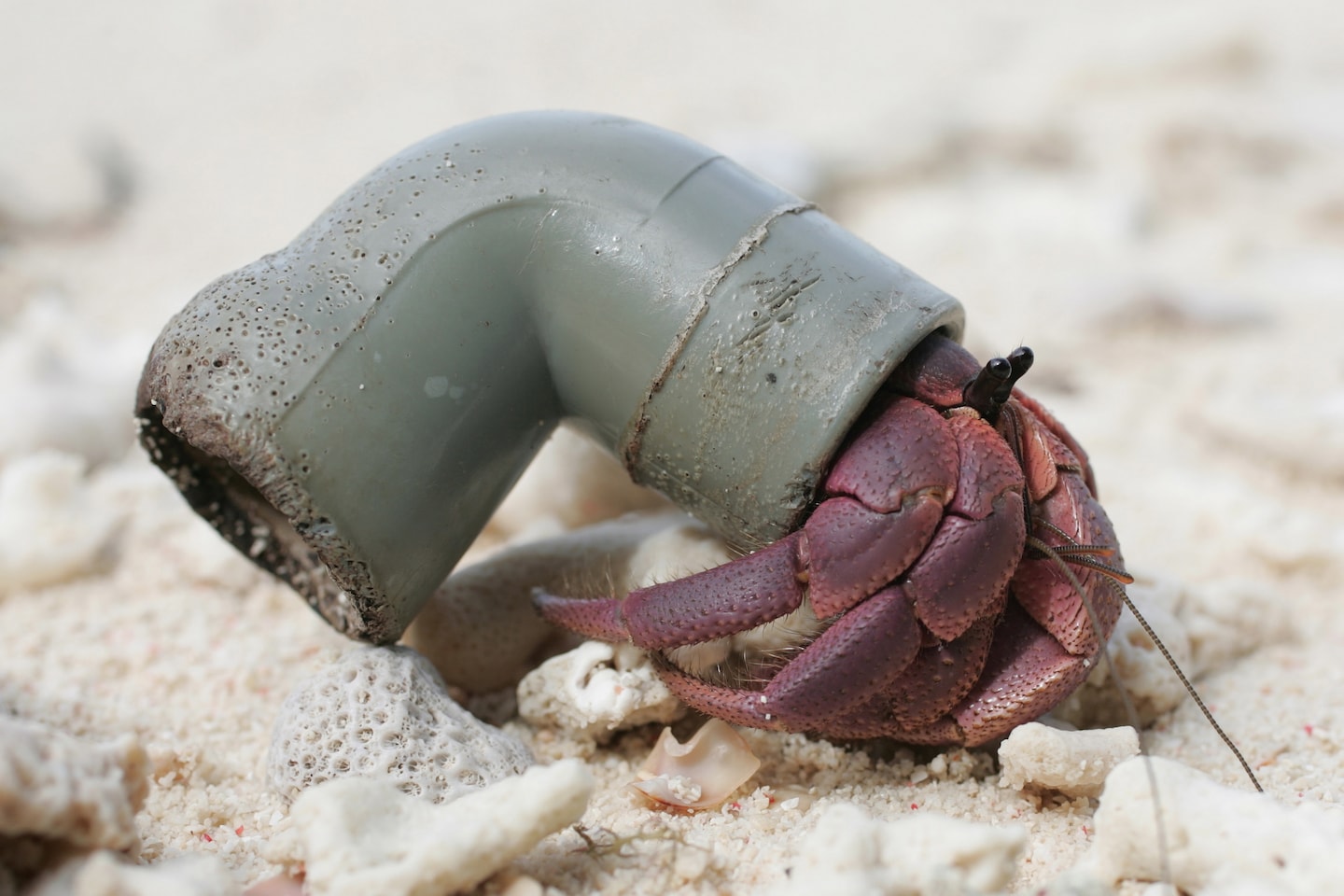
A study has found that the majority of land hermit crab species worldwide are using trash as shells, with about 85 percent using plastic caps. The use of artificial materials by hermit crabs is a global phenomenon, potentially driven by factors such as better camouflage in polluted environments, the abundance of trash compared to seashells, and unique shell usage in sexual signaling. However, plastic pollution poses dangers to hermit crabs, as seen in a study of the Cocos Islands where over half a million crabs died after crawling into trash items. The prevalence of human-generated trash in the oceans may be setting hermit crabs on a new evolutionary trajectory, raising questions about the ecological and evolutionary impact of artificial shells in the Anthropocene era.
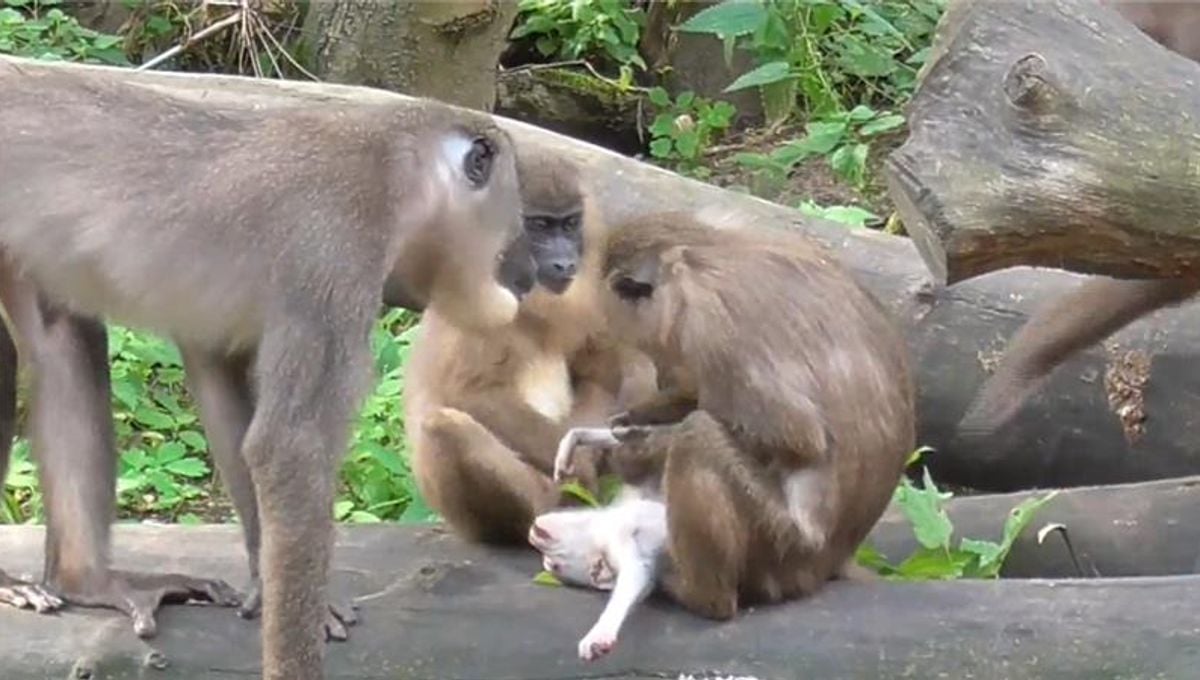
A female drill monkey at a Czech Republic safari park was observed carrying and interacting with her dead baby before eventually eating its remains, in a rare case of primate cannibalism. The behavior, although disturbing, may have evolutionary benefits for the mother's reproductive success. The incident provides valuable insights into animal behavior and falls under the field of comparative thanatology, which studies responses to death in non-human animals. The study highlights the importance of documenting and understanding post-mortem behaviors in order to evaluate their motivations and potential benefits.