Tag

Miocene Epoch

All articles tagged with #miocene epoch

science7 months ago

Scientists Discover 16-Million-Year-Old Giant Prehistoric Spider

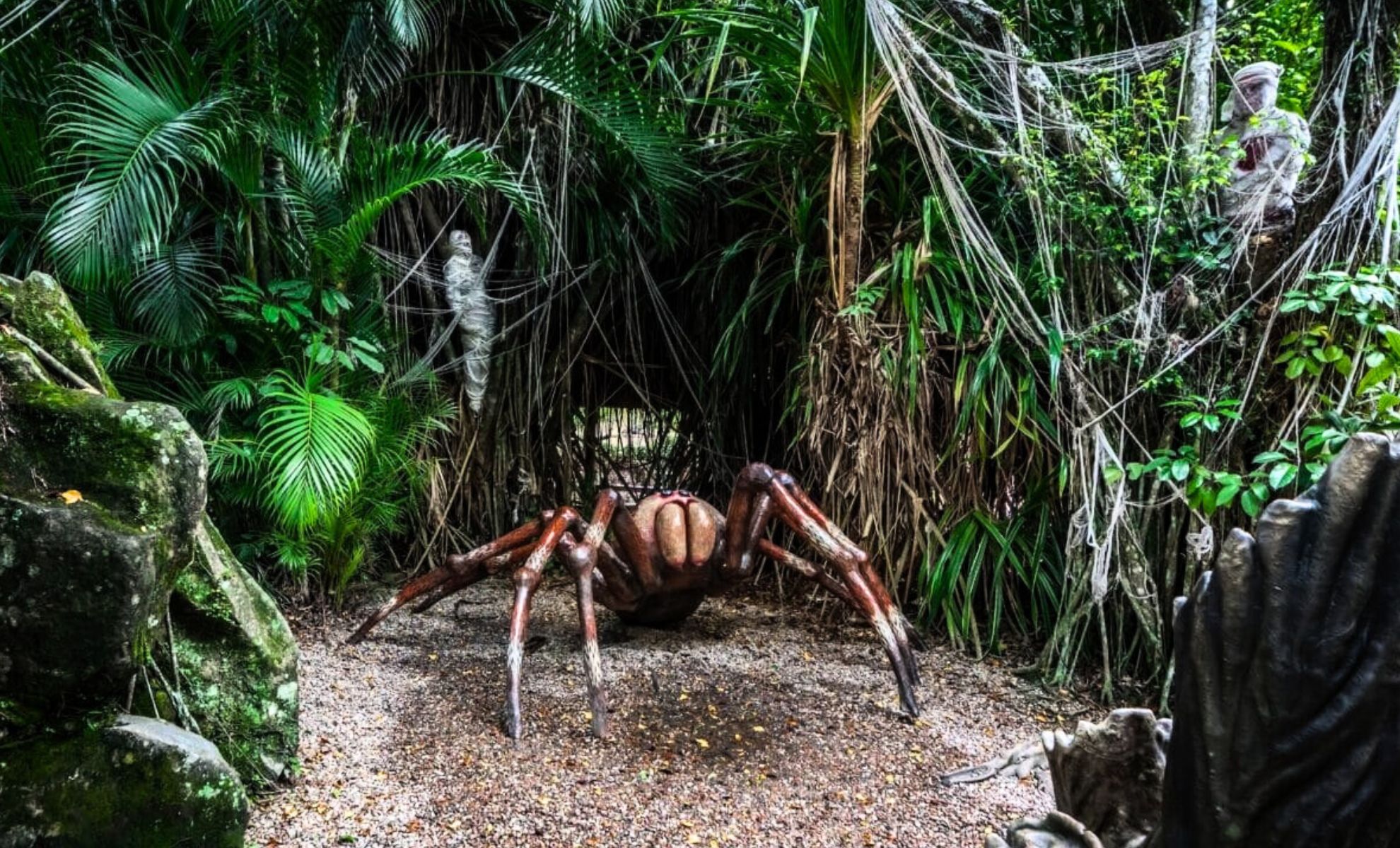
Scientists in Australia have discovered the largest fossilized spider ever found on the continent, belonging to a new species called Megamonodontium mccluskyi, which lived 11-16 million years ago during the Miocene epoch. The well-preserved fossil reveals insights into ancient rainforest ecosystems and arachnid evolution, suggesting that similar environments once covered Australia before aridification led to the extinction of such species.

science1 year ago

Colossal 'Terror Bird' Fossil Unveils Prehistoric Predator Rivalry

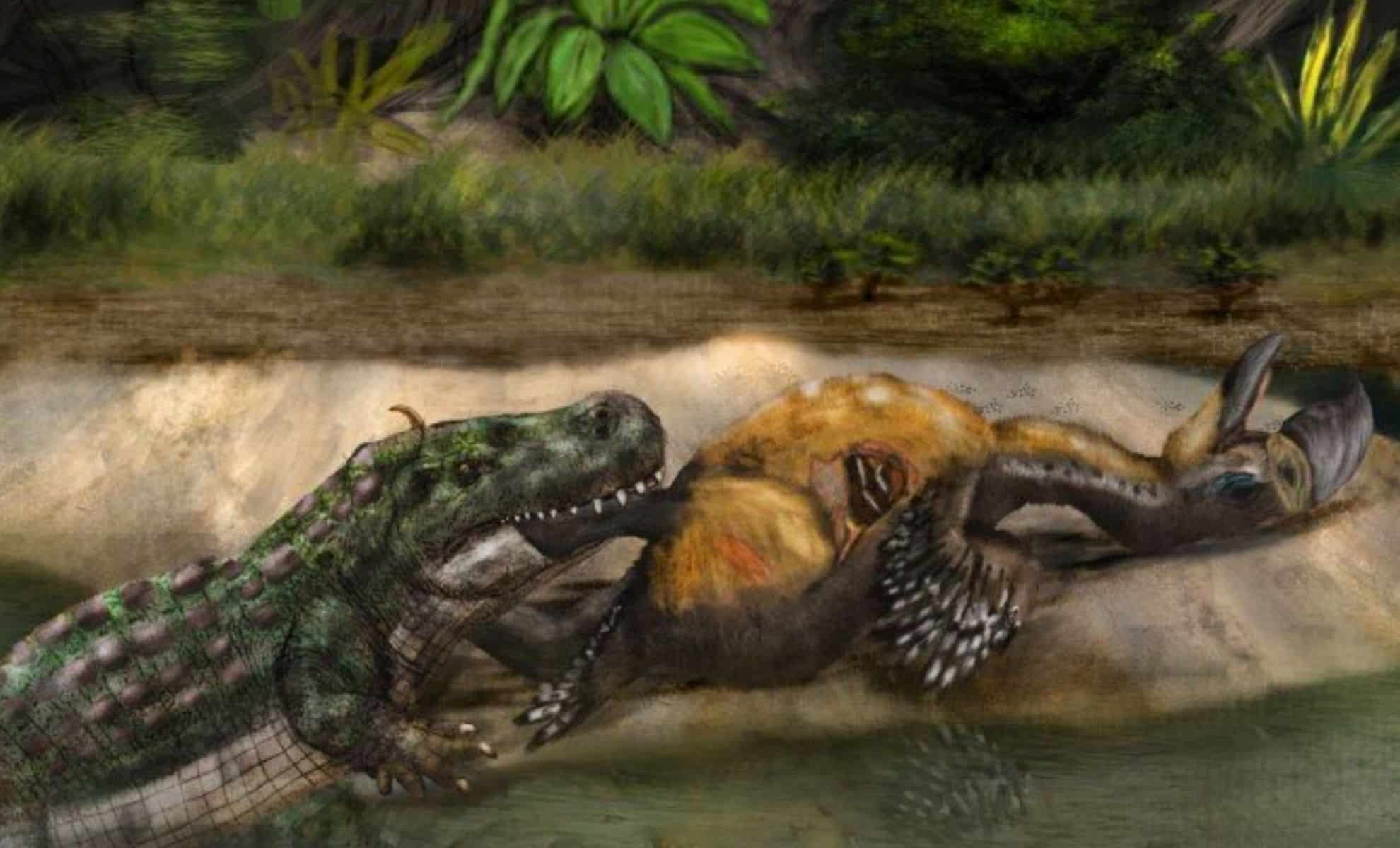
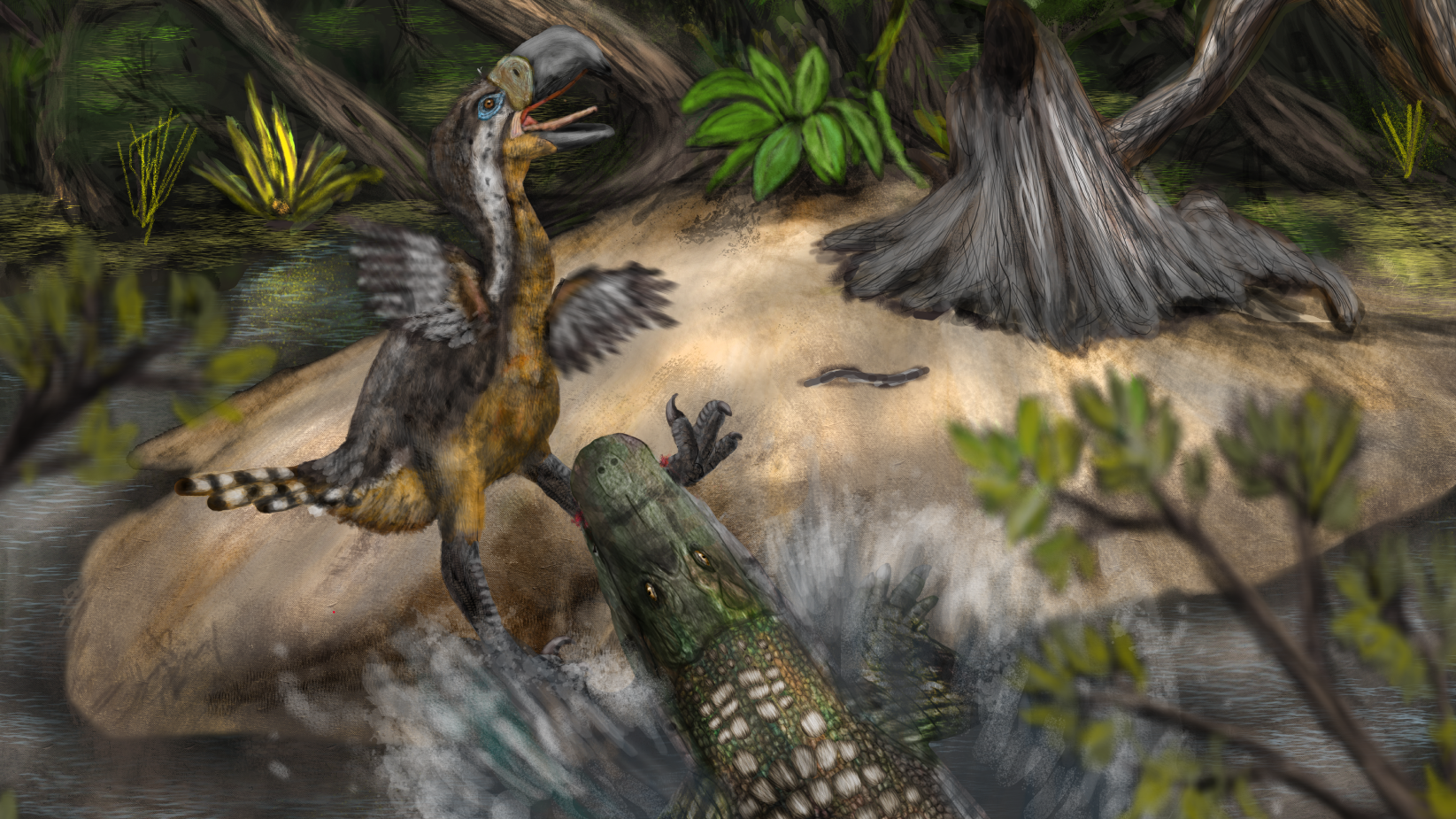
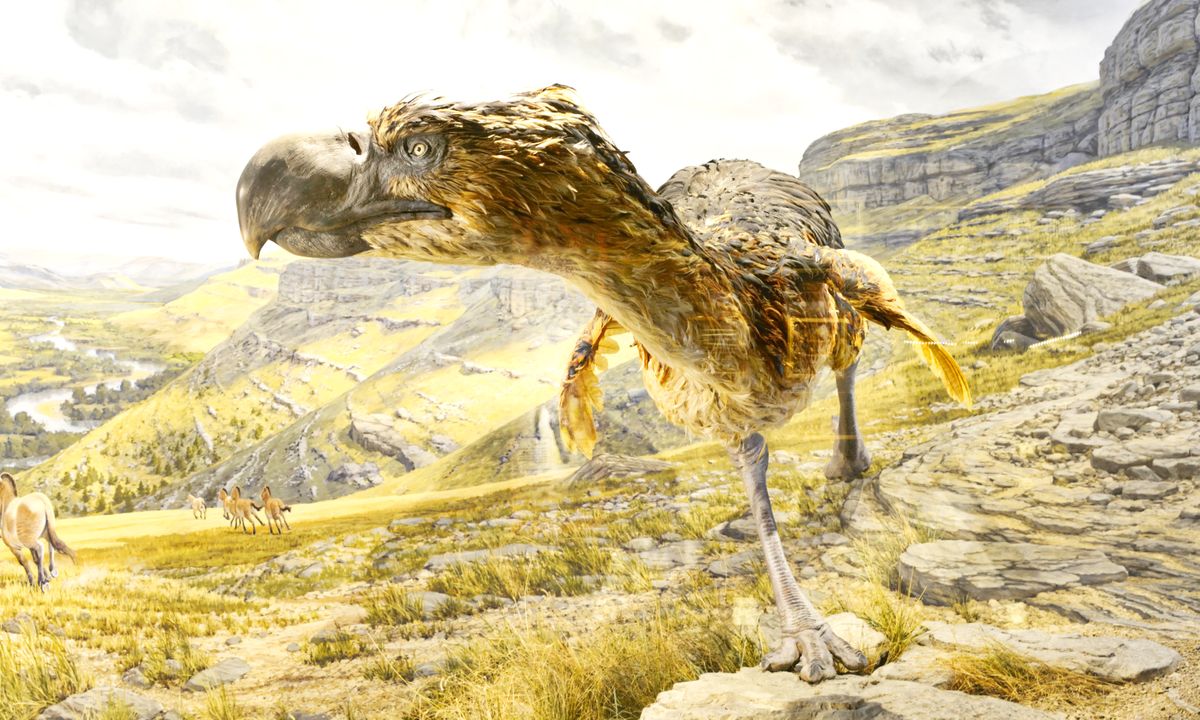
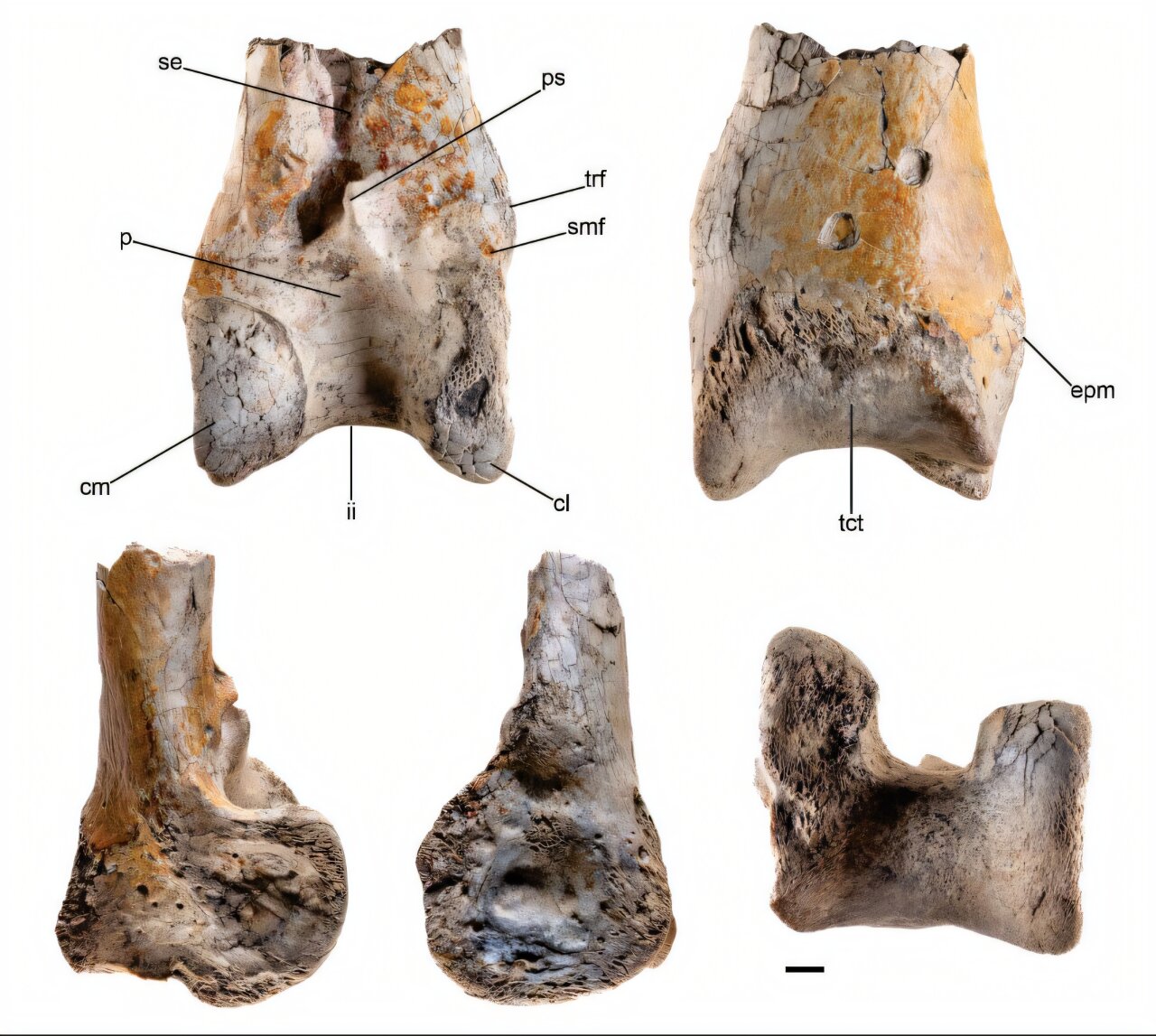
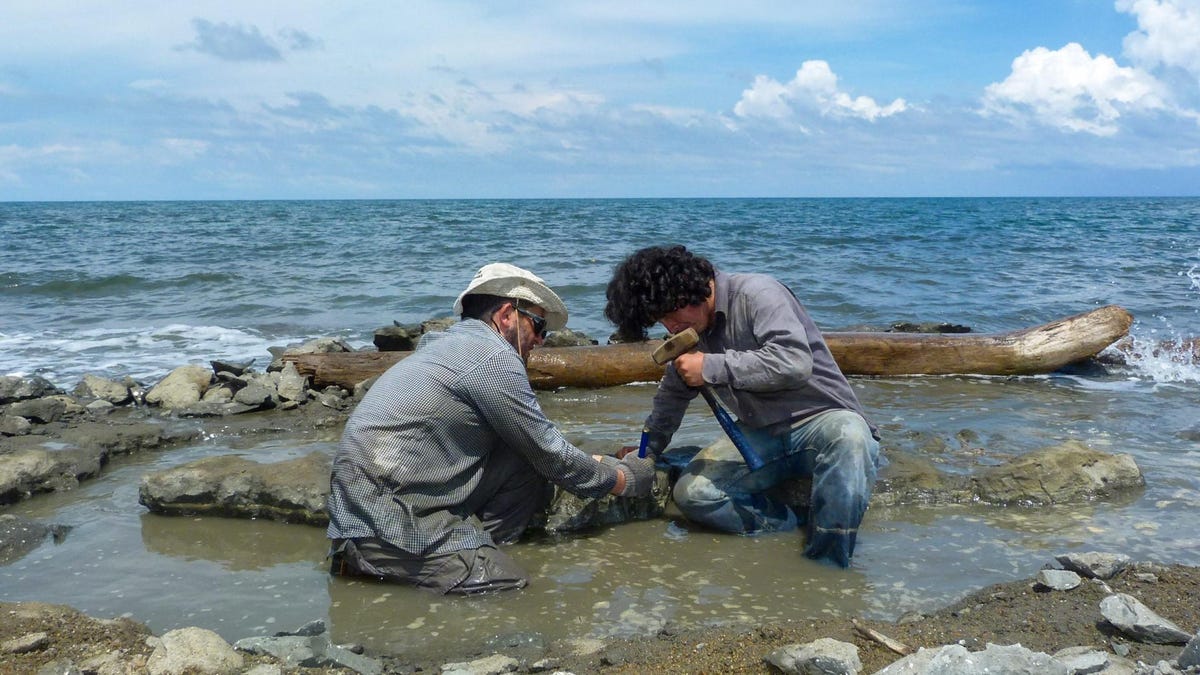
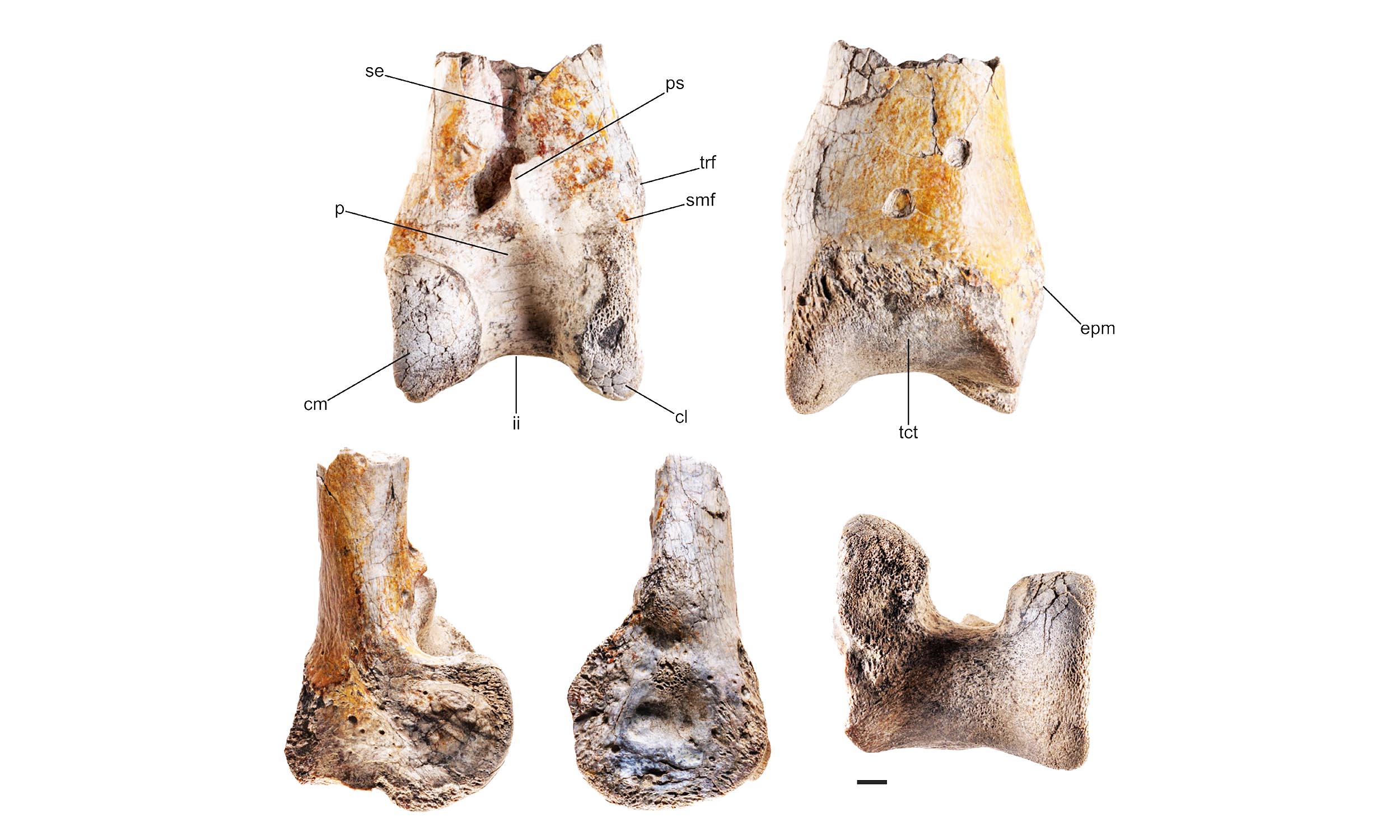
A fossilized leg bone of a giant 'terror bird' discovered in Colombia's Tatacoa Desert suggests it may be the largest of its kind ever found. The 12-million-year-old bone, marked by teeth from a giant caiman, indicates these flightless predators were significant in the region's ancient ecosystem. This discovery, led by Federico J. Degrange, expands the known range of these birds, previously found mostly in southern South America, and highlights the diverse prehistoric wildlife of northern South America.

science1 year ago

Colombian Desert Yields Fossil of Enormous Prehistoric 'Terror Bird'

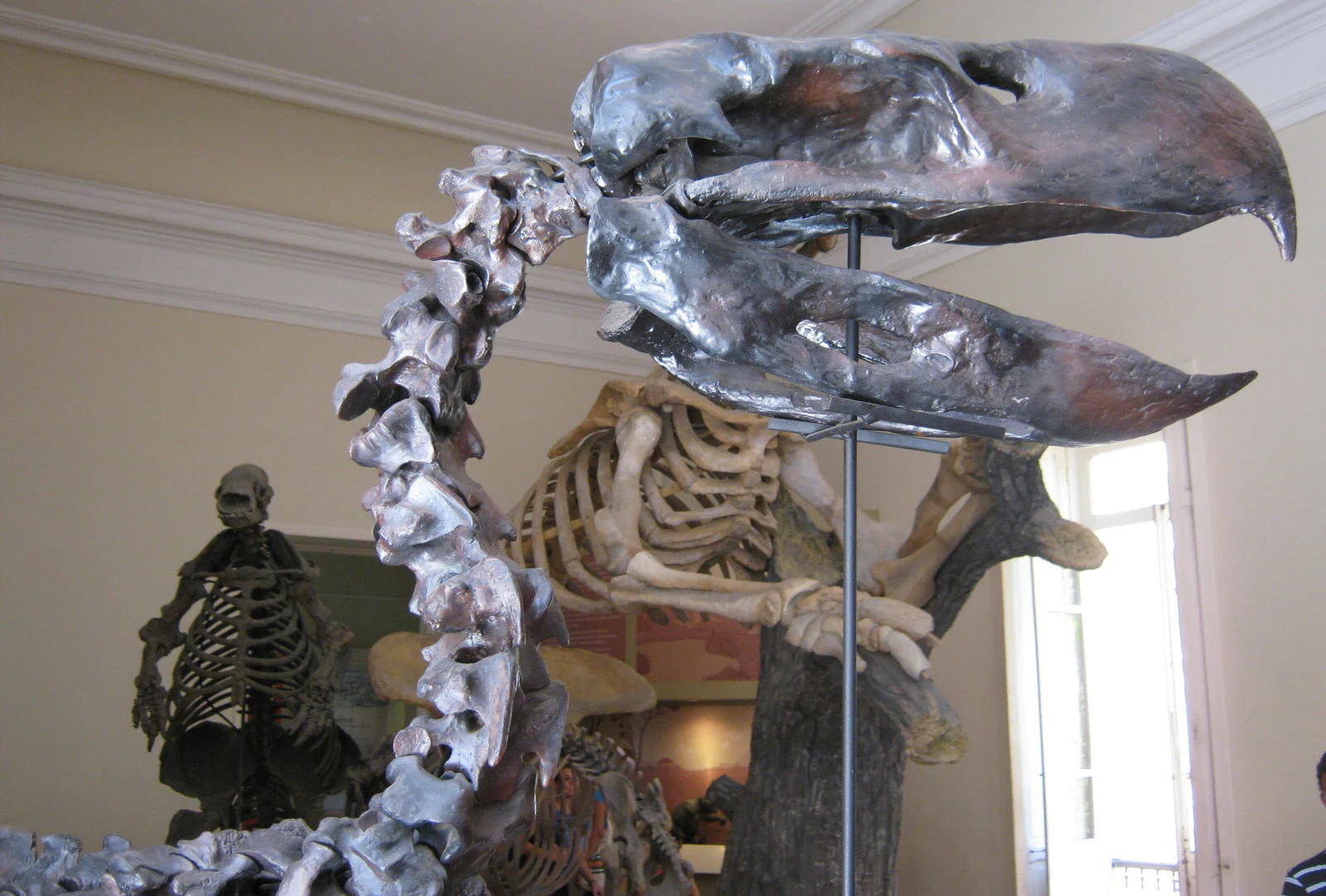
Researchers have discovered a fossilized leg bone of a giant 'terror bird' in Colombia, providing new insights into ancient South American ecosystems. This bird, believed to be the largest known species of its kind, was a major predator in the region 12 million years ago. The fossil, found in the Tatacoa Desert, is the northernmost evidence of the bird in South America, suggesting it played a significant role in the predatory wildlife of the time. The study highlights the diverse and now-extinct ecosystem of the Miocene epoch.

science1 year ago

Ancient Crocodile Preyed on Massive 12-Foot Terror Bird

A fossilized leg of the largest known 'terror bird,' a massive flightless predator, was discovered in Colombia, revealing it was likely killed by a giant caiman 12 million years ago. This finding, published in Papers in Palaeontology, marks the first Phorusrhacid specimen found in Colombia, suggesting these birds also thrived in tropical environments. The study used 3D scans to identify puncture wounds from the caiman's teeth, providing insights into the Miocene epoch's ecology in the La Venta area, which was rich in diverse species.

science1 year ago

Colossal Terror Bird Fossil Unveils Ancient South American Predator

Researchers have analyzed a fossil of a giant meat-eating terror bird, potentially the largest known of its kind, from the Miocene epoch, found in Colombia's Tatacoa Desert. This discovery provides new insights into the wildlife of northern South America 12 million years ago, suggesting that these birds were significant predators in the region. The fossil, a leg bone with marks from an extinct caiman, indicates the bird's possible cause of death and highlights the diverse ecosystem of the time, which included primates and giant sloths.

earth-and-environment2 years ago

"Antarctica's Ancient Ice Sheets: A Glimpse into Earth's Future"

Researchers have discovered evidence that Antarctica's ice sheets grew and receded more frequently during the Miocene epoch than previously known, with cycles of growth and recession occurring over just a few thousand years. This rapid volatility raises questions about the causes behind it. The findings, based on sediment records from the Antarctic Drilling Project, provide valuable insights into the behavior of ancient ice sheets and have implications for understanding the potential future changes in Antarctica's ice sheets under a warming climate. The fate of these ice sheets has significant consequences for global sea levels, ocean currents, marine food webs, and regional climates.

science2 years ago

Ancient DNA Found Preserved Inside Turtle Shell After 6 Million Years

Paleontologists studying a fossilized sea turtle shell from the Miocene Epoch have discovered preserved bone cells that may contain ancient DNA. Using a stain called DAPI, the researchers observed nucleus-like structures in the bone cells that reacted to the stain, potentially indicating the presence of DNA. However, this is not definitive proof of ancient DNA, as the molecule rapidly degrades over time. While the oldest DNA sequenced so far is from million-year-old mammoth teeth, the researchers believe further analysis is needed to confirm the presence of ancient DNA in the turtle shell.